



DJing with digital: my analog to digital process
With
DJ Deep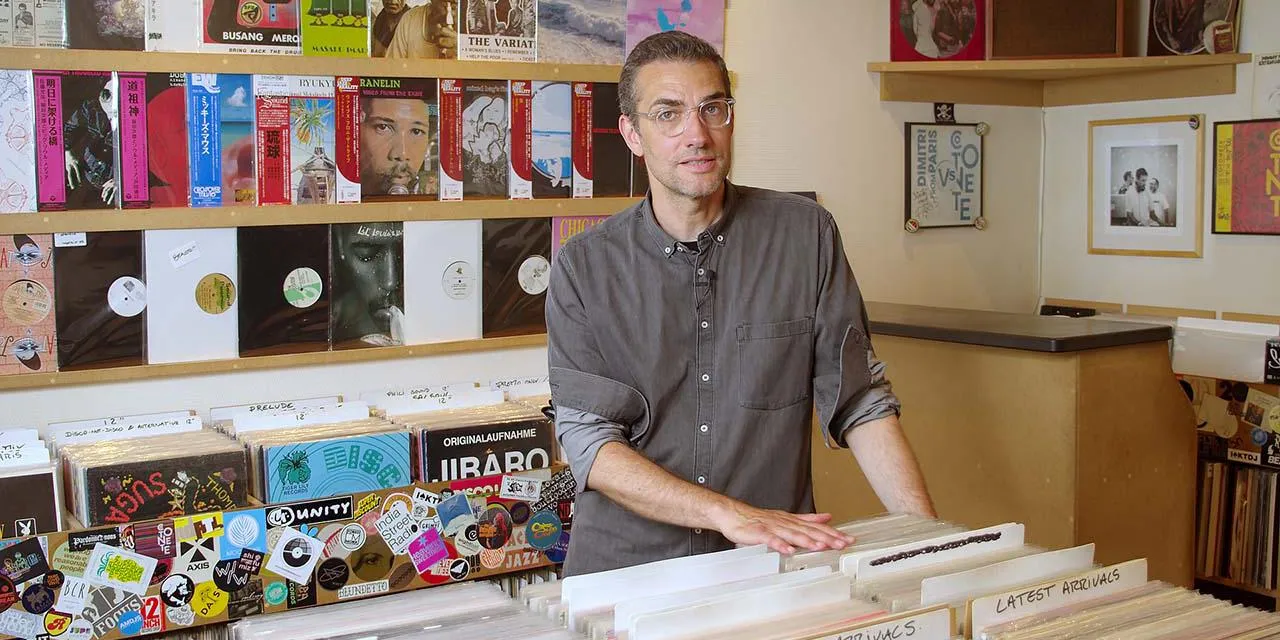
What's in the course
21 lessons (1h 33m) · 1 free
01. Welcome to the course
1:31
02. Getting inspiration from mentors
Free lesson3:29
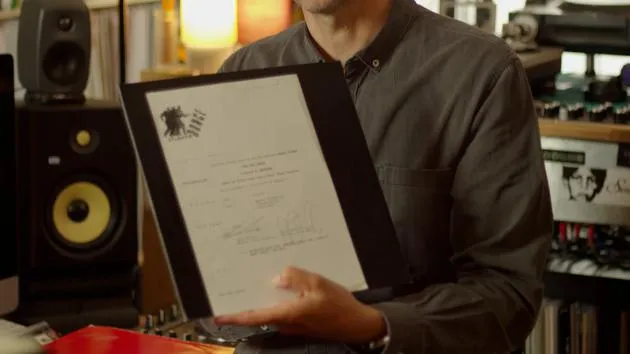
03. The essential listens from New York, Chicago and Detroit
4:26
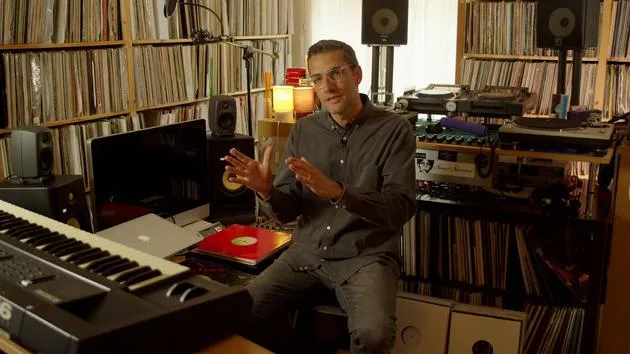
04. Be curious, understand the styles and the machines
5:56
05. Walk your own path, define your own sound
3:26
06. My career & how I found my style
5:59
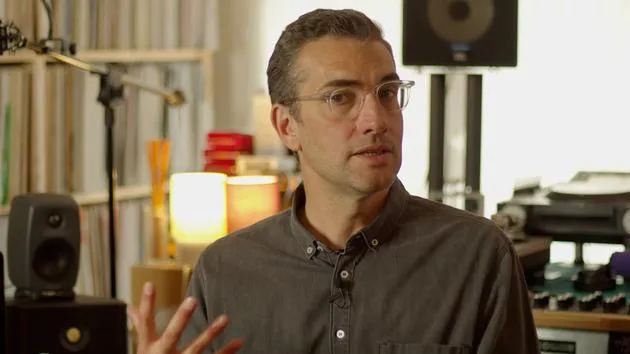
07. My definition of a DJ
6:03
Lesson transcript
My Analog to Digital Process
So, let's talk about my analog to digital process.
Curiosity and Learning
As I tried to say before, I'm always very curious and trying to go deep into details and learn by myself. There is what everybody's telling you:
"This is the standard, you have to do it this way."
Most of the time, it is right. But you can also look at things from different angles.
Mentorship
My good friend, brother, and mentor, Kerry Chandler, is a great person to discuss technical things with. He has taught me a lot, and I'm always learning from him.
Exploring Limitations
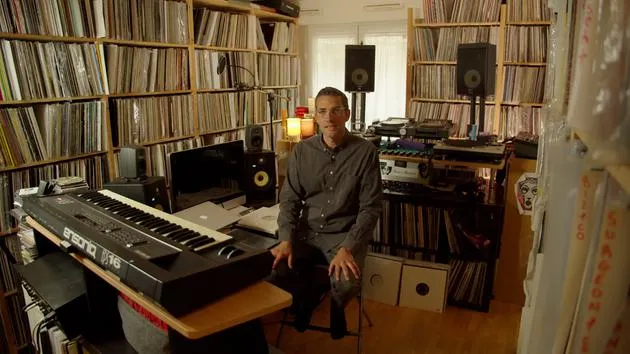
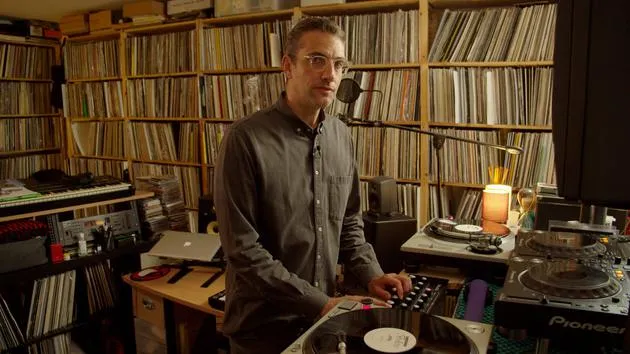
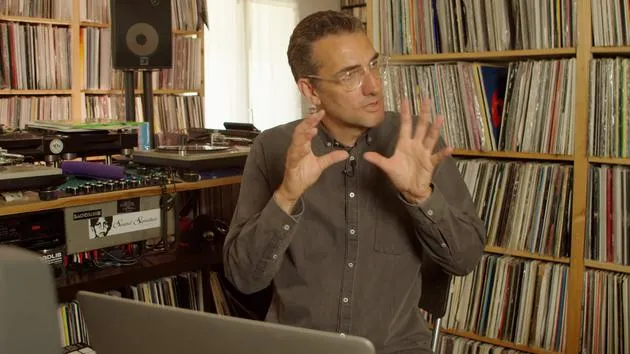
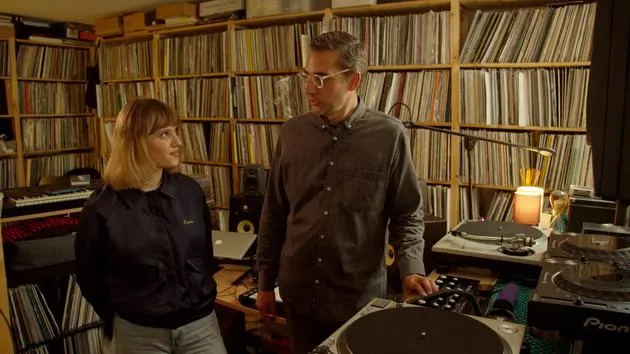
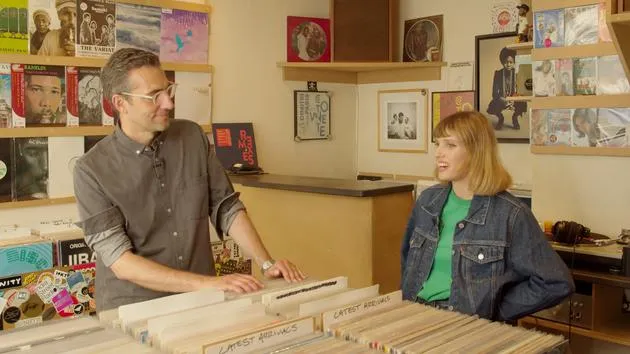
For instance, there are ways to work around the digital and analog limitations. There are ways to find your own path that corresponds to yourself. For me, I love vinyl. As you can see, I have a few records, and in today's world,
"It's not only easier, but you have to play digitally most of the time."
A lot of places, and sometimes clubs, don't have the proper vinyl equipment, or if they do, the system doesn't work perfectly with it anyway.
The Sonic Experience
My goal as a music lover is to give people the best sonic experience as I possibly can. From my end, I consider I deliver the source, and from that point, it goes to the system.
"Of course, I'm not running the system; I'm not the sound engineer."
I'm trying to give the sound engineer the best signal possible.
Bypass Converters
Learning again from my friend Kerry Chandler, I'm trying to bypass as much as I can converters and ADDA as much as possible.
Recording Process
So, what I do most of the time is:
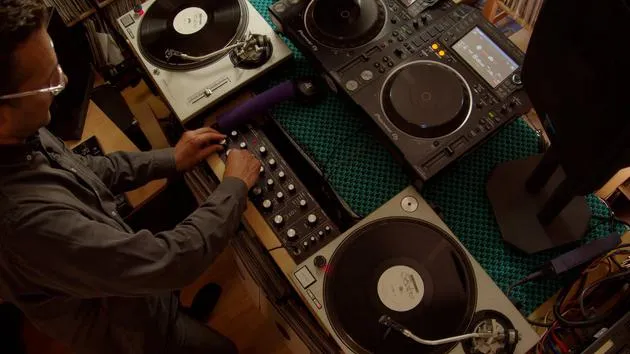
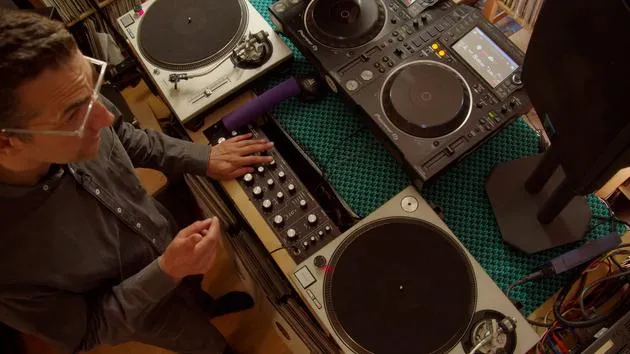
- Record my vinyl from this turntable using the different cartridges we mentioned before.
- Each cartridge has unique qualities depending on the music I'm ripping.
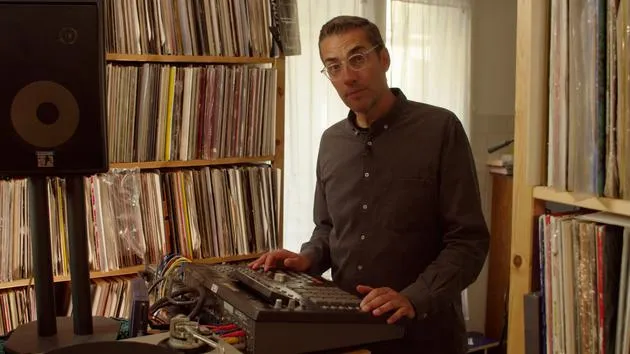
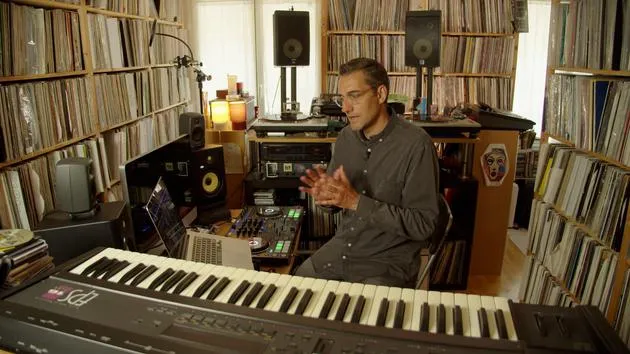
I'm going through my modified URI to my RME Fireface 800, which is also modified, and then to my music software.
Software Choices
I use:
- Sometimes Ableton Live
- Sometimes Logic Pro
- Occasionally Pro Tools
These options depend on the music I want to record. I use different software, cartridges, or combinations to the advantage of the music, ensuring I get the best result once the music is recorded.
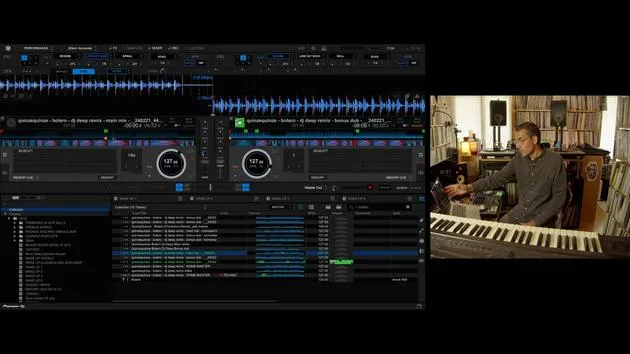
Pioneer Record Box
I use Pioneer Record Box because I mainly perform in clubs with Pioneer CDDJs 2000 NX2.
- It's easier for me for various reasons because the screens correspond.
- It has the same logical approach.
Additionally, I have a Pioneer controller called DDJ-RX, which serves as a remote control. I don't really play music with this device; instead, I use it to put markers on my screen for my tracks.
Visual Markers
I know where the breaks are, whether there is a hi-hat, mute, or anything.
"This allows me to have a visual aspect of what I get on a vinyl."
Now, I can see it on my screen or on my CDJ screen using those markers.
Demonstration of Marking
In a second, I'll show you very quickly what I mean.
If I do this, I go back to the beginning of the track. Here is my track.
- Let's say I want to mark the kick in the track.
- I'll move to where the kick comes in, which is here.
- I just put a marker.
You see, the C marker indicates that the kick comes in.
Combining Analog and Digital
Basically, I'm using these tools to my advantage. I'm playing analog with a digital device and trying to take advantage of all technologies combined.
I love the sound I'm getting because:
- I ripped it myself.
- I took care of it myself.
- I know how it sounds, and I see how it sounds.
Digitally, I can mark it and make it look as comfortable as possible for myself, just as if I was playing vinyls.
So, yeah, those are a few examples of what I do to my files, how I record them, and how I mark them in order to DJ with them.
21 lessons
1h 33m of structured video lessons
Advanced video features
Slow down, loop a passage, follow along
Mobile, tablet & desktop
Practise wherever you are
100% satisfaction guarantee
30-day money-back guarantee
Meet your guru
Meet your guru
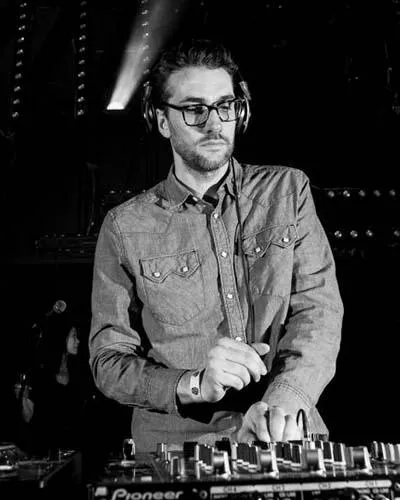
DJ Deep is a French house and techno producer and DJ, and the man behind the Deeply Rooted label (formerly Deeply Rooted House). Across more than 20 years he has been one of dance music's great curators - and that ear for what makes a record really work is exactly what makes him a guide worth learning from.
'I see my job as being a big filter,' he says, rather underplaying the role the Frenchman has had in the development of house music. 'As a vinyl junkie, I am in the record stores chasing jams almost every day. Sharing what I think are the greatest records of the moment or the most timeless personal classics is something that has motivated me throughout the years.'
Cyril Etienne emerged from the Paris scene to make a real impact on the world stage. He started out playing for Laurent Garnier at parties such as Oz and Zoo at club Palace, then became a regular at the Rex Club and established his unique sense of taste with his 'A Deep Groove' shows on pirate station Radio FG and later Radio Nova. He quickly graduated to playing worldwide, always taking with him a sense of history informed by a love of Chicago, New York and Detroit. Blurring the lines between house and techno, he also joins the dots between classic and contemporary cuts with his own sense of storytelling - not only as a DJ and producer, but also a label boss and party curator.
Since 2003 he has headed up his own forward-looking Deeply Rooted label, synonymous with classy, true-to-its-roots house and techno from new and established greats like Kerri Chandler, Ben Klock, Francois X, Ben Sims and Roman Poncet, as well as rising French star and Concrete Paris regular Marina Trench. His own Raw Cuts series bridges the heartfelt emotion of house and the direct impact of techno. Beyond his own label he has released on Rekids, Kaoz Theory and Tresor, and as a remixer has reworked the likes of Carl Craig, St Germain, DJ Honesty, Scan 7, Borderland (Juan Atkins) and Point G, always bringing his uniquely warm atmospheres to whatever he turns out.
He also makes music under various other aliases: Rebeval, with rawer-sounding material on L.I.E.S.; Sergie Rezza, a collaborative project and label of the same name alongside Roman Poncet that explores more experimental, ambient-laced house and techno in both EP and LP format; Fang, for contemporary house; and Adventice, for driving, classically-rooted techno, with outings on Tresor and live shows at the likes of Berlin Atonal.
His more eclectic side comes out in his Open Library radio shows on Worldwide FM - two-hour windows of jazz, soul, dub, funk and ambient that make for very special, immersive soundtracks. Whatever he is playing or producing, DJ Deep always has something worth hearing. In Find Your Own Path in House & Techno, he shares how he selects, arranges and shapes tracks so that, instead of chasing trends, you can build a sound and a taste that are unmistakably your own.







