



Get in to the classics first

With
DJ Deep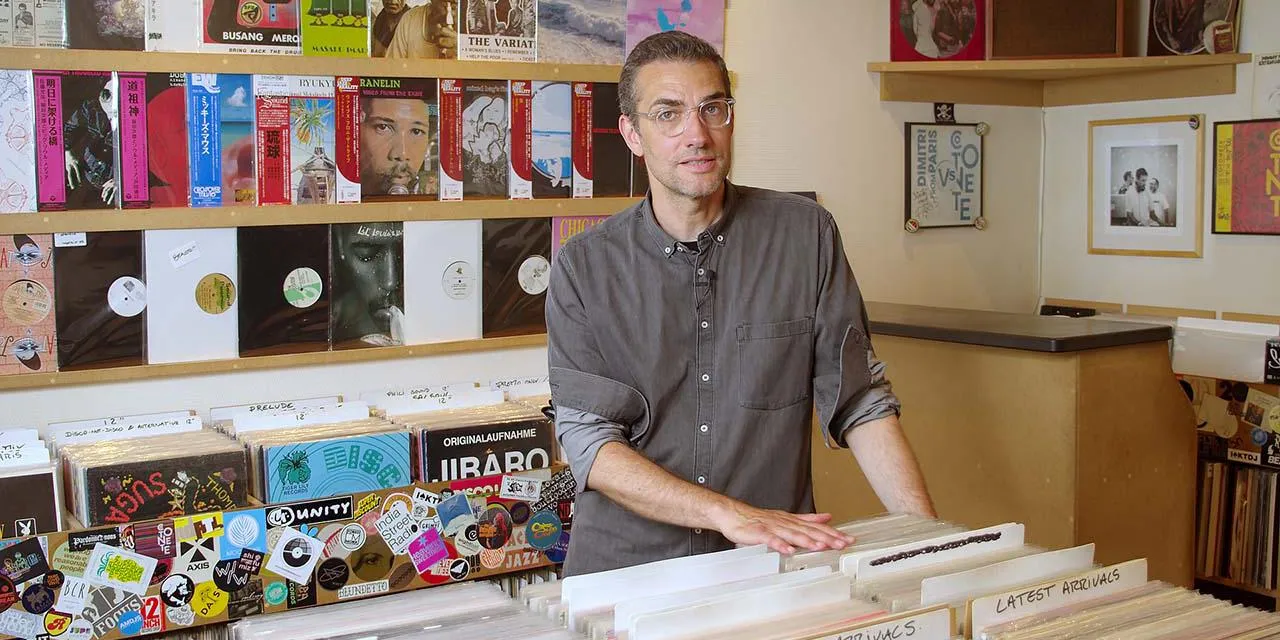
What's in the course
21 lessons (1h 33m) · 1 free
01. Welcome to the course
1:31
02. Getting inspiration from mentors
Free lesson3:29
03. The essential listens from New York, Chicago and Detroit
4:26
04. Be curious, understand the styles and the machines
5:56
05. Walk your own path, define your own sound
3:26
06. My career & how I found my style
5:59
07. My definition of a DJ
6:03
Lesson transcript
Exploring the World of House and Techno
Introduction
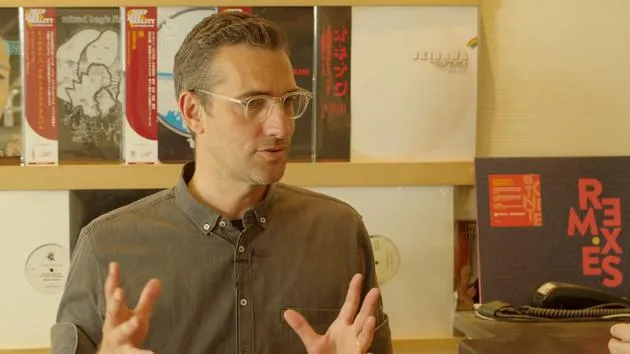
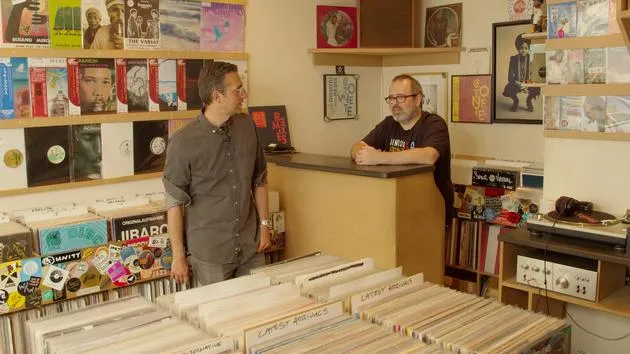
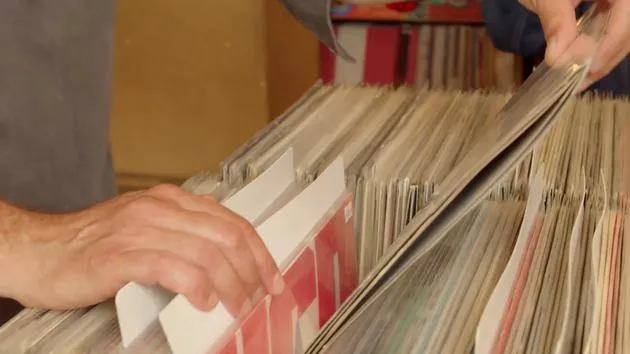
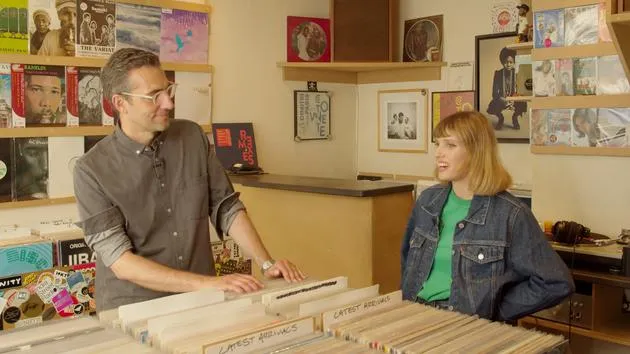
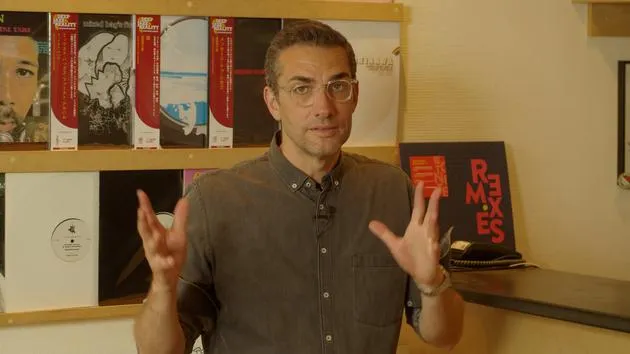
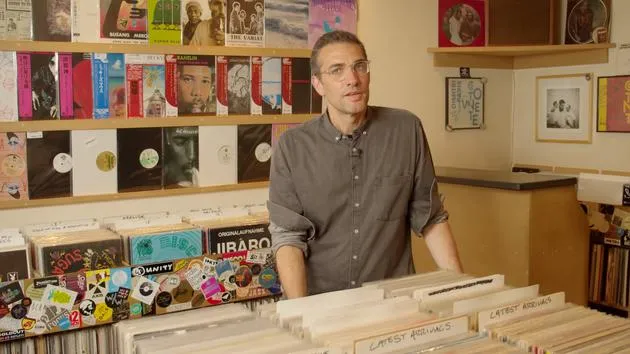
So here we are in one of my favorite places, a record store. And not any record store, because this is my friend Melik's record store here in Paris: Heartbeat Vinyl.
Conversation with Melik
Me: Hi, Melik.
Melik: Hello! Hey, what's up?
Me: I'm good, I'm good.
We're doing this course about house and techno, aiming to provide guidance for up-and-coming DJs who want to learn more about the music, the genre, and maybe even the art of digging. I wanted to get your thoughts, considering you've been involved in running a record store or working in the music business for almost 25 years now.
Trends in Music
Me: How do you feel about all those cycles and trends coming up and down?
Melik: I mean, it's been, obviously, since '95. People are looking for different records. In the house and techno scene, it was more about new stuff at the beginning because it was a new revolution sound.
Now, though, kids are coming back to the originals, the originators. While there are still some new great records being produced, they are now trying to understand where it all comes from.
I'm only doing secondhand here, trying to pass on the history and the original music.
Understanding the Roots
Me: I realize for a younger audience, it can be distracting or challenging to grasp the essentials.
They often hear stories about amazing reissues of records that were once extremely pricey. Yet, they sometimes overlook the roots of the music.
Melik: Obviously. If you didn't live through what was actually happening at the time, you might confuse history with legend. Some records became famous because a DJ played them, while at the time, they were really niche.
You have classics that everybody was playing, yet they aren't considered hype at the moment. They are the foundation of what's happening now.
The Importance of Originality
Me: I remember a story you told me about a young music fan who wanted a hard-to-find reissue of a private press cover.
You didn't have what he was asking for, but you had the original, the beautiful record by Roy Ayers. But the kid seemed uninterested in the original.
Melik: Right. If you're serious about learning about music and its roots, it's essential to revisit record stores and engage with people who are passionate about what they do. Running a record store is done out of passion, not other motivations.
Me: The internet is great, but it lacks the personal touch.
Melik: Exactly! And there's the social aspect of the record shop. You meet other people who share their knowledge, tastes, and points of view, which provides an interesting angle on music.
Conversations Around Music
Melik: Yes, that private press might be rare and interesting, but the DJs who play it tend to know the original tracks by heart. They go for a different take, not because it's necessarily better.
Classics are classics not by chance; they are classic because they are good, often better! The Roy Ayers track is 100 times better than that private press. You should start with the original and then explore the private press once you appreciate the original.
Learning Through Personal Connection
Me: I remember you shared how it touched you when Louis Vega said he was giving the classics in the right context.
It's not about learning in a strict order, but understanding the music's story through a person.
Melik: Exactly. In a record store, you confront perspectives. You might love a record, but your angle on it can differ from another person's.
Me: Right! We might both enjoy the same record but for different reasons.
Melik: Yes, someone might appreciate the roughness of the groove while another prefers the deep chords. It's all about what you expect from the record and what you receive from it.
Conclusion
Engaging in conversations with others who appreciate the same music enriches the experience, allowing us to explore it from various angles. That's the beauty of going to a record store, learning, discussing, and connecting over the music.
21 lessons
1h 33m of structured video lessons
Advanced video features
Slow down, loop a passage, follow along
Mobile, tablet & desktop
Practise wherever you are
100% satisfaction guarantee
30-day money-back guarantee
Meet your guru
Meet your guru
DJ Deep is a French house and techno producer and DJ, and the man behind the Deeply Rooted label (formerly Deeply Rooted House). Across more than 20 years he has been one of dance music's great curators - and that ear for what makes a record really work is exactly what makes him a guide worth learning from.
'I see my job as being a big filter,' he says, rather underplaying the role the Frenchman has had in the development of house music. 'As a vinyl junkie, I am in the record stores chasing jams almost every day. Sharing what I think are the greatest records of the moment or the most timeless personal classics is something that has motivated me throughout the years.'
Cyril Etienne emerged from the Paris scene to make a real impact on the world stage. He started out playing for Laurent Garnier at parties such as Oz and Zoo at club Palace, then became a regular at the Rex Club and established his unique sense of taste with his 'A Deep Groove' shows on pirate station Radio FG and later Radio Nova. He quickly graduated to playing worldwide, always taking with him a sense of history informed by a love of Chicago, New York and Detroit. Blurring the lines between house and techno, he also joins the dots between classic and contemporary cuts with his own sense of storytelling - not only as a DJ and producer, but also a label boss and party curator.
Since 2003 he has headed up his own forward-looking Deeply Rooted label, synonymous with classy, true-to-its-roots house and techno from new and established greats like Kerri Chandler, Ben Klock, Francois X, Ben Sims and Roman Poncet, as well as rising French star and Concrete Paris regular Marina Trench. His own Raw Cuts series bridges the heartfelt emotion of house and the direct impact of techno. Beyond his own label he has released on Rekids, Kaoz Theory and Tresor, and as a remixer has reworked the likes of Carl Craig, St Germain, DJ Honesty, Scan 7, Borderland (Juan Atkins) and Point G, always bringing his uniquely warm atmospheres to whatever he turns out.
He also makes music under various other aliases: Rebeval, with rawer-sounding material on L.I.E.S.; Sergie Rezza, a collaborative project and label of the same name alongside Roman Poncet that explores more experimental, ambient-laced house and techno in both EP and LP format; Fang, for contemporary house; and Adventice, for driving, classically-rooted techno, with outings on Tresor and live shows at the likes of Berlin Atonal.
His more eclectic side comes out in his Open Library radio shows on Worldwide FM - two-hour windows of jazz, soul, dub, funk and ambient that make for very special, immersive soundtracks. Whatever he is playing or producing, DJ Deep always has something worth hearing. In Find Your Own Path in House & Techno, he shares how he selects, arranges and shapes tracks so that, instead of chasing trends, you can build a sound and a taste that are unmistakably your own.







