



Be curious, understand the styles and the machines
With
DJ Deep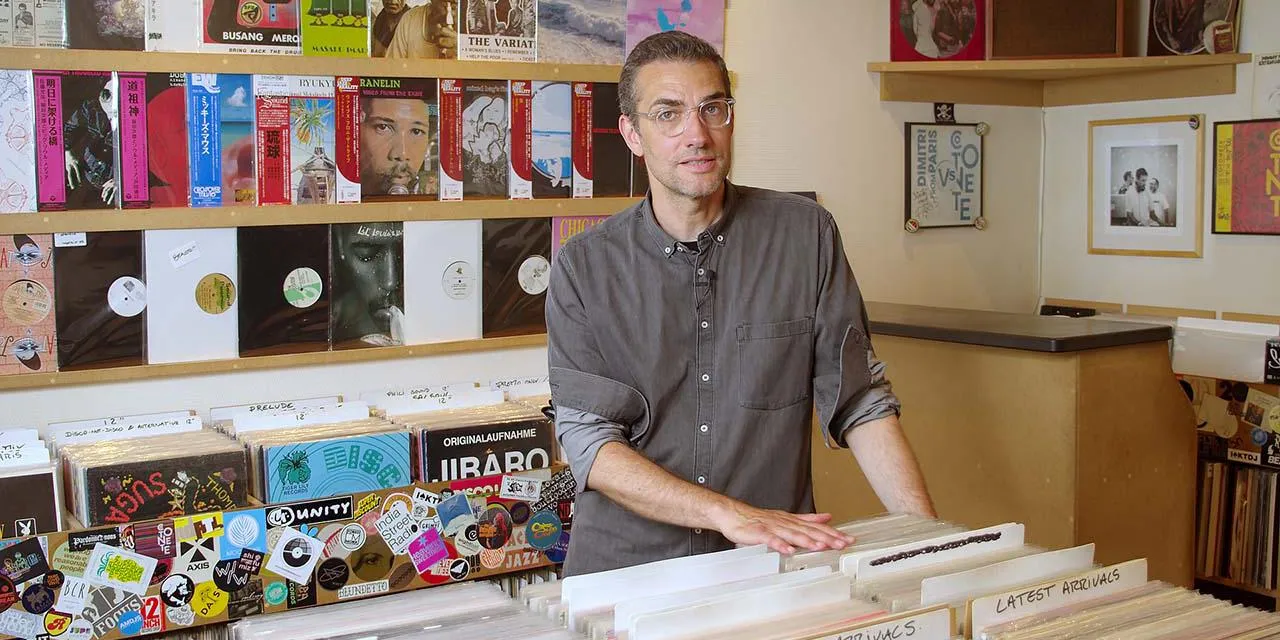
What's in the course
21 lessons (1h 33m) · 1 free
01. Welcome to the course
1:31
02. Getting inspiration from mentors
Free lesson3:29
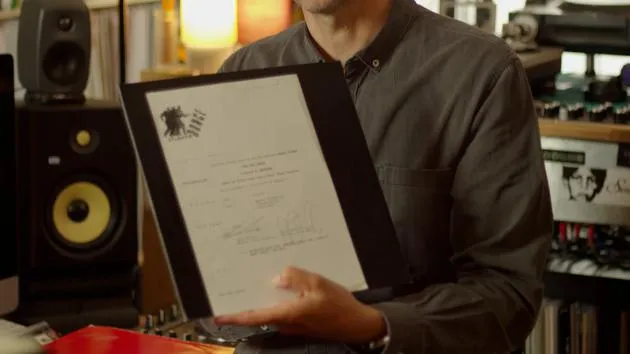
03. The essential listens from New York, Chicago and Detroit
4:26
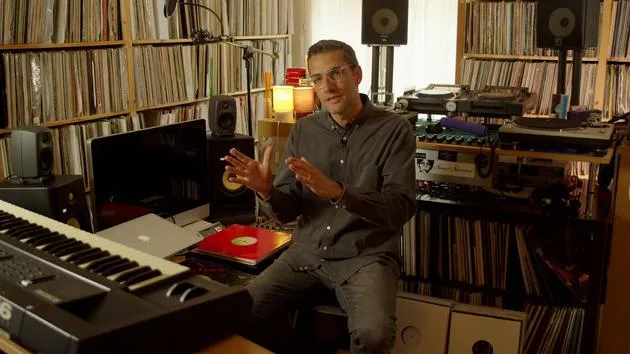
04. Be curious, understand the styles and the machines
You are here5:56
05. Walk your own path, define your own sound
3:26
06. My career & how I found my style
5:59
07. My definition of a DJ
6:03
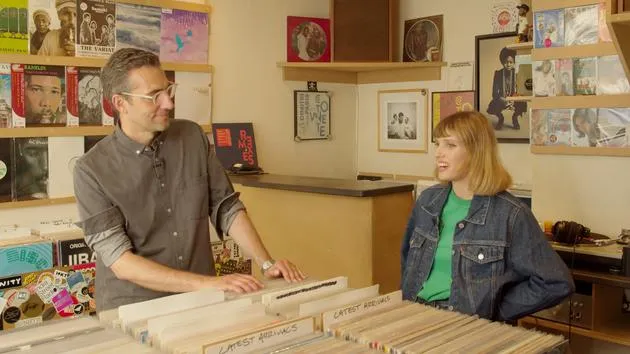
Lesson transcript
Tips for Younger DJs and Producers
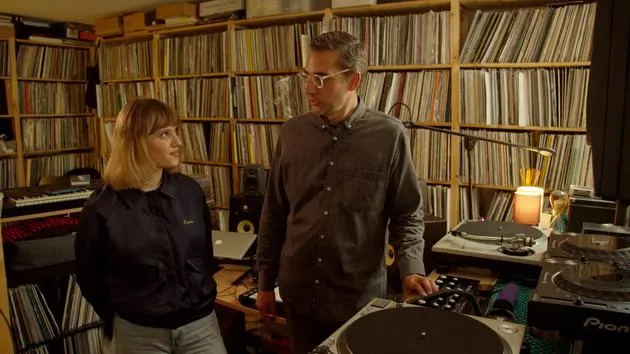
The tips I would give to younger DJs or producers are to really be curious about the different styles. Personally, I learned from challenging myself to understand the differences between various artists and styles.
Understanding Influences
For instance, in the late 80s, if you listen to Derek May and his DJing style, it was really wild.
"The guy was like a tiger jumping from one record to the other, always creating energy and always going from one style to the other."
When I read about the history or had the chance to meet Derek and speak to other DJs, they often shared insights. For example, Derek mentioned the influence Ron Hardy had on him:
"I would drive to Chicago and hear him play. He was playing the records real fast and mixing them in a way that gave electricity to the room."
So, what I'm trying to tell you is that I learned from Derek, who learned from Ron Hardy. We're all learning from one another.
The Importance of Studying
However, it's not only about learning; it's about studying. There is:
- What the artist gives you
- What you go and get
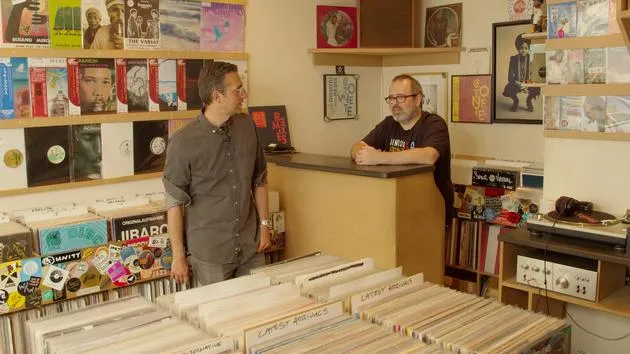
It may sound obvious, but it's a good tip. For instance, if you look through records in New York, consider how the Barel On New Groove produced music. Ask yourself:
- How did it sound?
- Why was it jazz-infused?
They also created tracks that have a very Chicago or electronic influence. It's interesting to always be curious.
"There is this big flavor this artist is doing, but he's also doing this. Why?"
That's the best tip I could give to someone wanting to discover music: go to the end of it and understand why it sounds the way it does.
Explore Online Resources
To listen to older mixes or those from DJs who have passed away, you can explore amazing resources like Mixes DB, which is a huge catalog of DJ mixes.
There are many websites where you can navigate these mixes. But you really have to dig deep to understand the differences.
Studying Production Techniques
When it comes to producing, I've been studying records from artists like Totteri and Masters at Work from New York, as well as Chicago artists like Armando and Tyree Cooper.
"The more you study, the more you understand how the artists work."
For example, with Masters at Work and Totteri, they used drum machine samplers such as the MPC 3000 or SP1200. Those machines had a specific sound and groove that shaped their music.
- Armando or Mike Dunn were using 909 or 808 drum machines with TB303, which created the sounds they loved.
The more you understand the techniques, the more it helps you focus on the music and its classification.
Vintage Equipment Insights
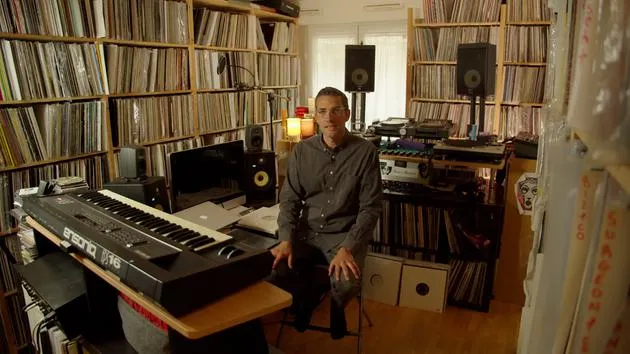
To illustrate, I realized that Derek May or even Carl Craig initially used older samplers, like:
- Ensoniq Mirage sampler
This sampler had a very specific grain and texture that gave their music its charm.
Mentorship through Observation
What I'm saying is similar to having mentors or virtual mentors as teachers. You might say:
"Okay, I'm in love with the way Little Wee Vega mixes. I'm going to learn as much as I can from watching him, listening to him, and understanding the equipment he uses and why."
The same applies to producing. All producers know that:
"The more you know about the instruments that people use, the better you can analyze their music and understand why it moves you in a particular way."
Conclusion
This was a quick summary of how you can learn by researching artists and DJs to gain insights into their influences and equipment.
Of course, online, there are countless resources that outline what sounds or machines help shape music styles in various cities. Every producer or music fan can tell you how significant certain machines were.
For instance, Totteri is a prime example. The early Totteri productions heavily featured the MPC SP1200, a legendary drum machine also prevalent in hip-hop.
This machine had such grain and character that it made his music truly stand out.
In my opinion, the genius works both ways:
"The machine is amazing, the producer is amazing. Combined together, it's magic."
21 lessons
1h 33m of structured video lessons
Advanced video features
Slow down, loop a passage, follow along
Mobile, tablet & desktop
Practise wherever you are
100% satisfaction guarantee
30-day money-back guarantee
Meet your guru
Meet your guru
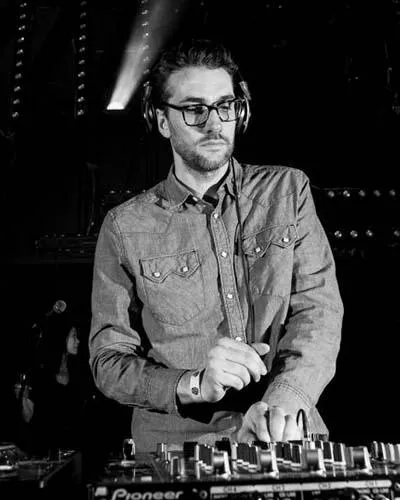
DJ Deep is a French house and techno producer and DJ, and the man behind the Deeply Rooted label (formerly Deeply Rooted House). Across more than 20 years he has been one of dance music's great curators - and that ear for what makes a record really work is exactly what makes him a guide worth learning from.
'I see my job as being a big filter,' he says, rather underplaying the role the Frenchman has had in the development of house music. 'As a vinyl junkie, I am in the record stores chasing jams almost every day. Sharing what I think are the greatest records of the moment or the most timeless personal classics is something that has motivated me throughout the years.'
Cyril Etienne emerged from the Paris scene to make a real impact on the world stage. He started out playing for Laurent Garnier at parties such as Oz and Zoo at club Palace, then became a regular at the Rex Club and established his unique sense of taste with his 'A Deep Groove' shows on pirate station Radio FG and later Radio Nova. He quickly graduated to playing worldwide, always taking with him a sense of history informed by a love of Chicago, New York and Detroit. Blurring the lines between house and techno, he also joins the dots between classic and contemporary cuts with his own sense of storytelling - not only as a DJ and producer, but also a label boss and party curator.
Since 2003 he has headed up his own forward-looking Deeply Rooted label, synonymous with classy, true-to-its-roots house and techno from new and established greats like Kerri Chandler, Ben Klock, Francois X, Ben Sims and Roman Poncet, as well as rising French star and Concrete Paris regular Marina Trench. His own Raw Cuts series bridges the heartfelt emotion of house and the direct impact of techno. Beyond his own label he has released on Rekids, Kaoz Theory and Tresor, and as a remixer has reworked the likes of Carl Craig, St Germain, DJ Honesty, Scan 7, Borderland (Juan Atkins) and Point G, always bringing his uniquely warm atmospheres to whatever he turns out.
He also makes music under various other aliases: Rebeval, with rawer-sounding material on L.I.E.S.; Sergie Rezza, a collaborative project and label of the same name alongside Roman Poncet that explores more experimental, ambient-laced house and techno in both EP and LP format; Fang, for contemporary house; and Adventice, for driving, classically-rooted techno, with outings on Tresor and live shows at the likes of Berlin Atonal.
His more eclectic side comes out in his Open Library radio shows on Worldwide FM - two-hour windows of jazz, soul, dub, funk and ambient that make for very special, immersive soundtracks. Whatever he is playing or producing, DJ Deep always has something worth hearing. In Find Your Own Path in House & Techno, he shares how he selects, arranges and shapes tracks so that, instead of chasing trends, you can build a sound and a taste that are unmistakably your own.







