



My own DJing setup

With
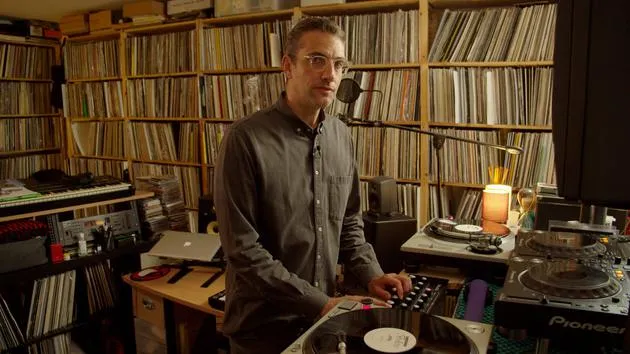
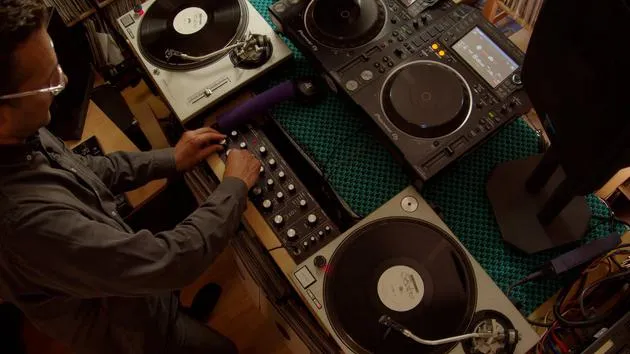
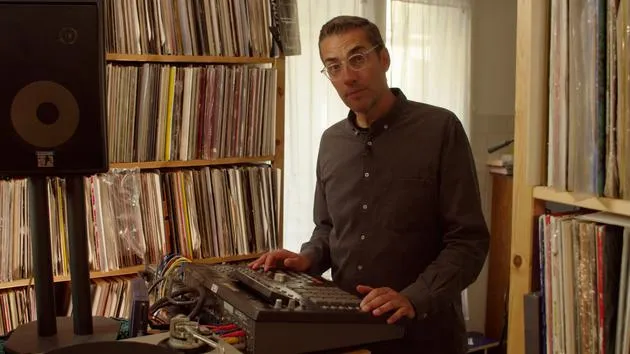
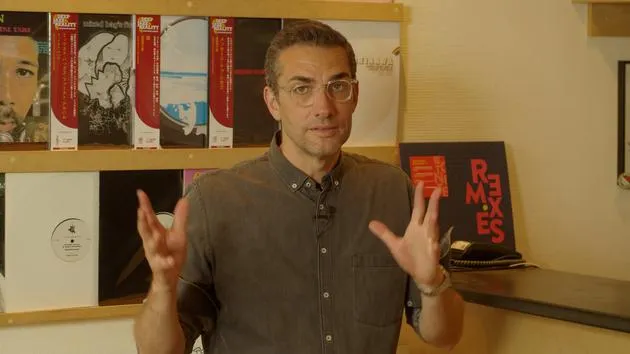
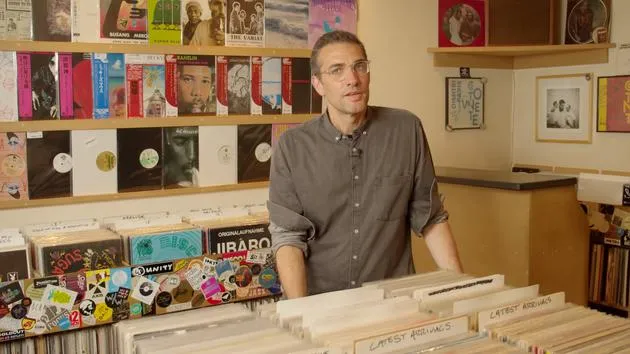
DJ DeepDJ Deep walks through his own hybrid setup, combining digital CDJs with his beloved rotary UREI 1620 mixer, and explains the gear choices behind his sound.
What's in the course
21 lessons (1h 33m) · 1 free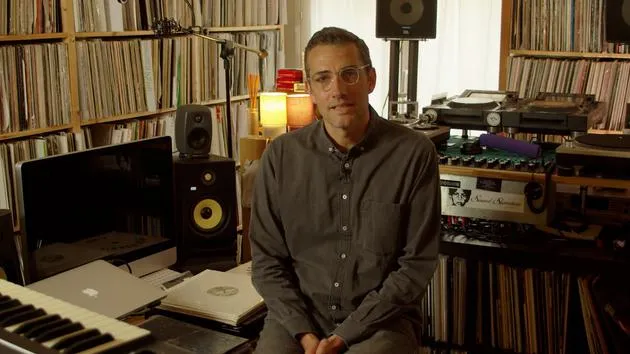
01. Welcome to the course
1:31
02. Getting inspiration from mentors
Free lesson3:29
03. The essential listens from New York, Chicago and Detroit
4:26
04. Be curious, understand the styles and the machines
5:56
05. Walk your own path, define your own sound
3:26
06. My career & how I found my style
5:59
07. My definition of a DJ
6:03
Lesson transcript
DJ Setup and Philosophy
Combining Worlds
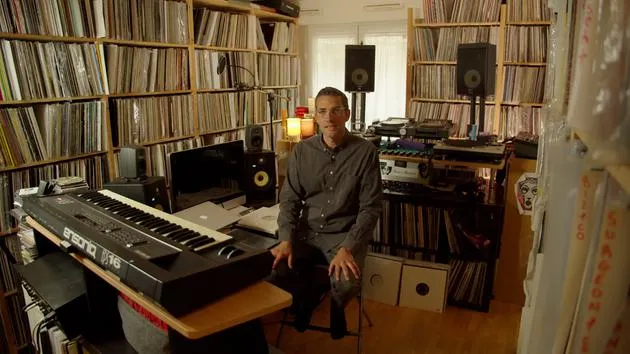
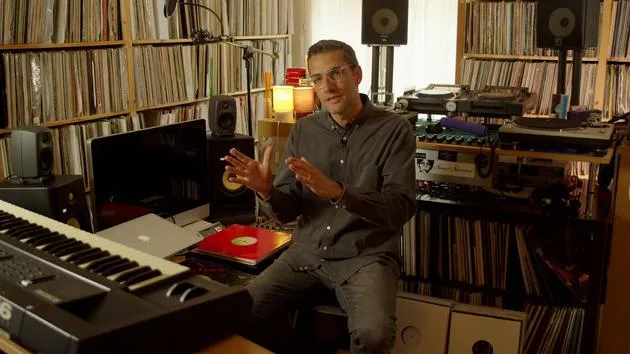
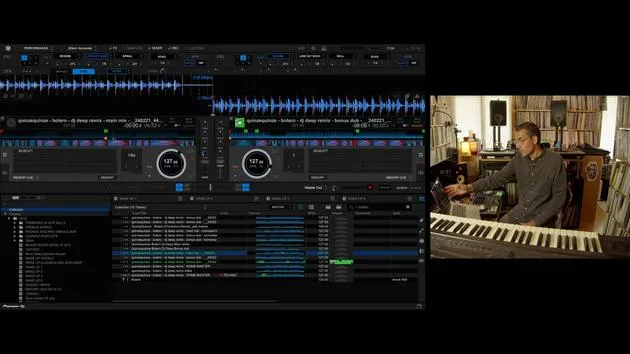
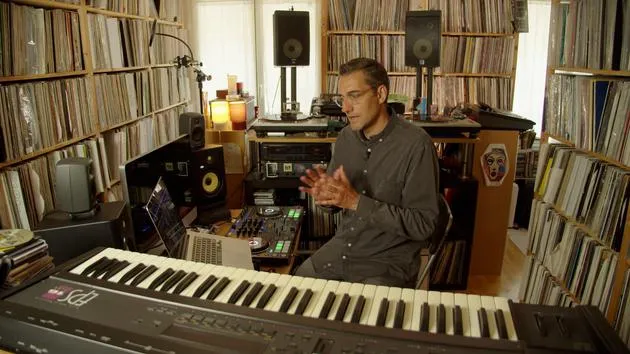
So here we are. On my DJ setup, I try and apply the same philosophy I do about music with equipment. Therefore, I combine two worlds:
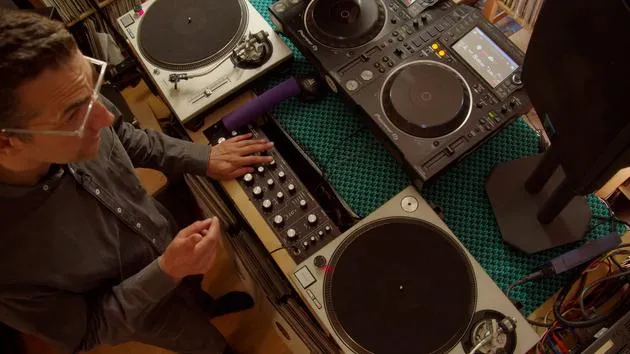
- The digital world of the CDJS 2000 and XS2.
- Those actually are the Rex Club ones that they kindly let me use during the pandemic.
- My beloved URI 1620 modified mixer.
- I love the sound of it.
- I love to record my vinyls with it.
This mixer was the inspiration for starting to collaborate with ENS and design the DJR 400 mixers. Back in 2003, when there was no hype around rotary mixers, I had to go around the world with my little portable version of the DJR 100, not the DJR 400, but the DJR 100, the baby first born of our collaboration. I had to convince promoters and club owners that the sound of it was really incredible.
Finding My Groove
The reason I like this setup so much is that it allows me to find my groove in mixing vinyls. I love the digital world for how convenient it is and how fast I can process and go through music. But sometimes, I lose myself in playing vinyls in my studio.
- I get into this groove where I can go on and on.
- That's a source of inspiration I hardly get from playing digital only all the time.
So, not only do I have to treat and record my files in a specific way, but I also have to put myself in a certain mindset when playing digital files, remembering the feeling I had at home grooving with the turntables and my URI.
Inspiration from the Past
The first time I went to the US, in New York, and I heard some DJs play, I was blown away by how smooth the transitions were. That technique was very different from the one I knew as a young European kid where I had to play with a bass EQ all the time to compensate.
When mixing two records together with this mixer, there is this sort of compression compensation between two channels, which allows you to go from one record to the other very smoothly without having any EQ. There is no EQ per channel on this mixer, only on the master and mono.
As a DJ, I always try to go back to this special magic moment. I call it a secret garden.
Magical Moments and Creativity
I remember when I was younger, I would be home in my very little studio and play records, getting carried away by the sound of house and techno I was discovering. Those magic moments are kept very dearly in my heart and are my source of inspiration.
When I started DJing and found my way through mixing records, I would try to recreate those magical moments during parties. I always kept this way of working, striving to bring myself to this creative place.
- Therefore, as I transition from the analog world to the digital, I always have this in mind:
- How am I going to escape reality and the material world?
- How can I just be creative and reside in my magic garden, sharing that experience with others?
Equipment Matters
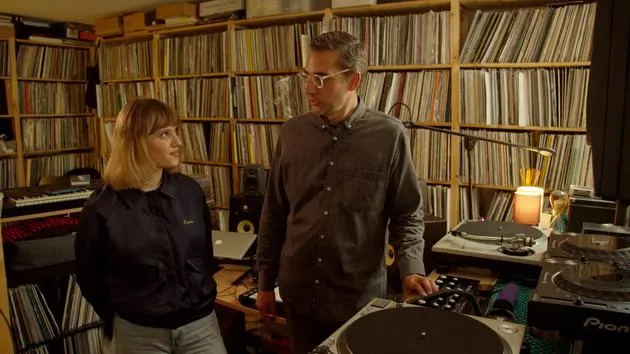
This is why you see in my studio different equipment from different worlds. Because I always question things:
- What can they do?
- How can they help me to be in this creative place?
We all have different ideas, different ears, and different visions. I encourage everybody to find their own balance with the equipment they have at their disposal.
Choosing the Right Equipment
There are so many options today; it's sometimes challenging to choose.
- Should I take this CD player or that one?
- Is vinyl better than this format, or is that better than this?
The actual fact is that today's standard is pretty high for equipment. But you have to know what you're looking for and go to it as directly as possible. This is specifically the philosophy of my mixer, from the input to the output, it's a very direct route. There aren't many things going around, which is why the sound has so much character and specificity.
The Importance of Cartridges
One of the key pieces of equipment in a DJ's studio is the cartridge.
- If you play vinyl, vinyl doesn't have a sound on its own.
- What gives a sound to vinyl is the cartridge, serving as your transmitter to manipulate vinyl in the DJ world.
I enjoy the Shure M447, which unfortunately got discontinued recently. However, I found a nice alternative. Many alternatives exist; some Japanese brands have created clones. I tried a few, but my personal choice was the Autofun VNL Series.
- It's not a Shure M447, but it has many qualities akin to it.
- It is very resistant and comes with three spare needles.
I find myself in the same place sonically and in handling them as I do with the Shure, which works for me.
Advice for Young DJs
This is also something I'd advise younger DJs:
- Learn as much as you can about the techniques, inside and out of the equipment.
- Follow your ears. If it works for you, it works.
If it sounds good to your ears and you feel the bass and highs the way you want, that's what matters. That's what will make you creative when using them.
Training Your Ears
It's a bit like if you were sound-engineering a room and locked into watching an iPad showing you view meters instead of listening.
- You must follow your ears.
- Train your ears, learn how things work, and then let go at one point and just listen.
And this is what I try to do. So far, so good.
21 lessons
1h 33m of structured video lessons
Advanced video features
Slow down, loop a passage, follow along
Mobile, tablet & desktop
Practise wherever you are
100% satisfaction guarantee
30-day money-back guarantee
Meet your guru
Meet your guru
DJ Deep is a French house and techno producer and DJ, and the man behind the Deeply Rooted label (formerly Deeply Rooted House). Across more than 20 years he has been one of dance music's great curators - and that ear for what makes a record really work is exactly what makes him a guide worth learning from.
'I see my job as being a big filter,' he says, rather underplaying the role the Frenchman has had in the development of house music. 'As a vinyl junkie, I am in the record stores chasing jams almost every day. Sharing what I think are the greatest records of the moment or the most timeless personal classics is something that has motivated me throughout the years.'
Cyril Etienne emerged from the Paris scene to make a real impact on the world stage. He started out playing for Laurent Garnier at parties such as Oz and Zoo at club Palace, then became a regular at the Rex Club and established his unique sense of taste with his 'A Deep Groove' shows on pirate station Radio FG and later Radio Nova. He quickly graduated to playing worldwide, always taking with him a sense of history informed by a love of Chicago, New York and Detroit. Blurring the lines between house and techno, he also joins the dots between classic and contemporary cuts with his own sense of storytelling - not only as a DJ and producer, but also a label boss and party curator.
Since 2003 he has headed up his own forward-looking Deeply Rooted label, synonymous with classy, true-to-its-roots house and techno from new and established greats like Kerri Chandler, Ben Klock, Francois X, Ben Sims and Roman Poncet, as well as rising French star and Concrete Paris regular Marina Trench. His own Raw Cuts series bridges the heartfelt emotion of house and the direct impact of techno. Beyond his own label he has released on Rekids, Kaoz Theory and Tresor, and as a remixer has reworked the likes of Carl Craig, St Germain, DJ Honesty, Scan 7, Borderland (Juan Atkins) and Point G, always bringing his uniquely warm atmospheres to whatever he turns out.
He also makes music under various other aliases: Rebeval, with rawer-sounding material on L.I.E.S.; Sergie Rezza, a collaborative project and label of the same name alongside Roman Poncet that explores more experimental, ambient-laced house and techno in both EP and LP format; Fang, for contemporary house; and Adventice, for driving, classically-rooted techno, with outings on Tresor and live shows at the likes of Berlin Atonal.
His more eclectic side comes out in his Open Library radio shows on Worldwide FM - two-hour windows of jazz, soul, dub, funk and ambient that make for very special, immersive soundtracks. Whatever he is playing or producing, DJ Deep always has something worth hearing. In Find Your Own Path in House & Techno, he shares how he selects, arranges and shapes tracks so that, instead of chasing trends, you can build a sound and a taste that are unmistakably your own.







