


Specifics of mixing for TV
What's in the course
16 lessons (1h 36m) · 1 free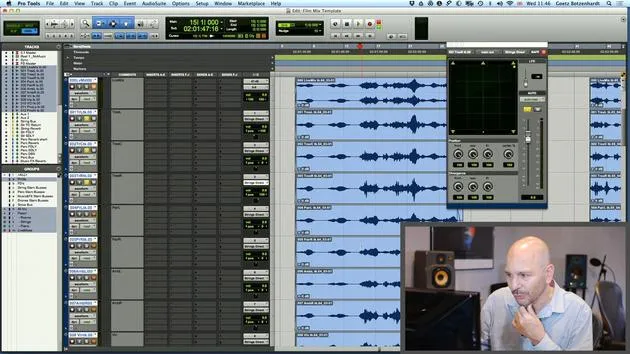
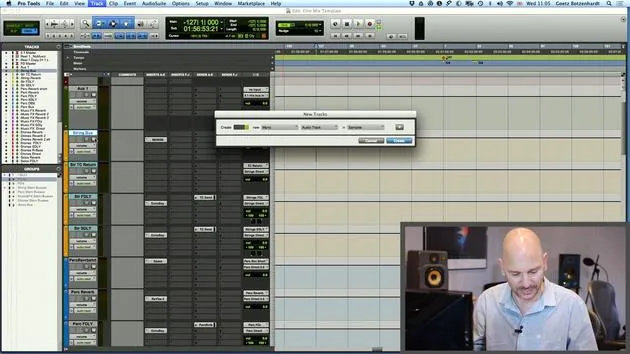
01. How to use both film footage and audio in Pro Tools
19:52
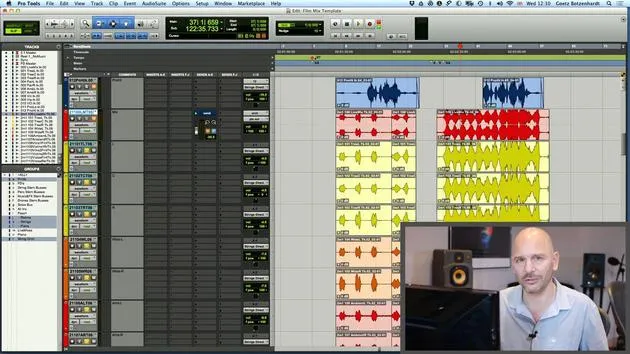
02. Importing an orchestral recording - key concepts
8:10
03. Stemming & Reverb
8:51
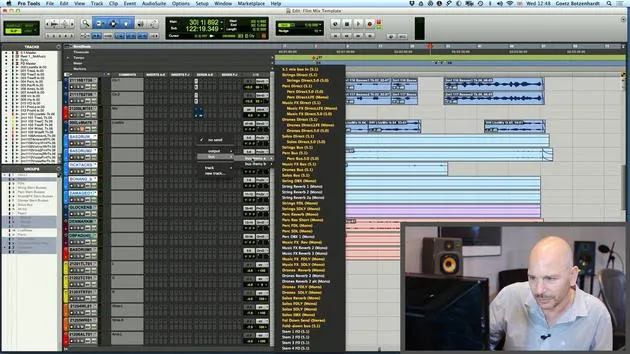
04. Adding more parts to the mix - percussive elements
4:33
05. The mixing process
6:35
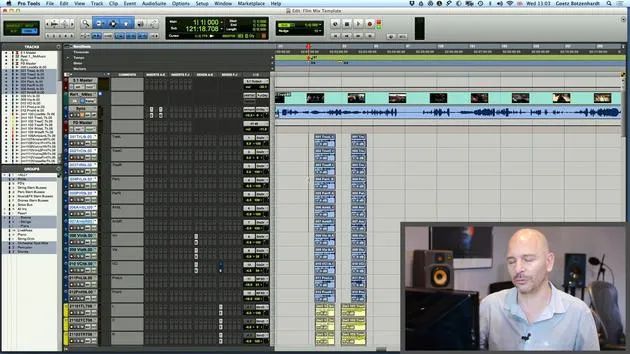
06. Dynamics & rides
3:08
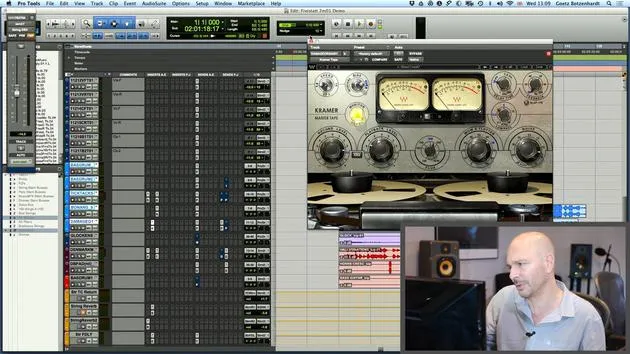
07. Walk-through of all Goetz's mixing on this score
5:02
08. ASSIGNMENT #2: CREATE A MIX
0:40
09. CHALLENGE #1: MIX TO FILM
0:55
Lesson transcript
Mixing for TV vs. Film
Key Considerations for TV Mixing
When mixing audio for TV, there are several important factors to keep in mind:
-
Speaker Size:
- TV programs are generally played on smaller speakers compared to film.
- While some viewers have surround systems, most TVs operate in stereo.
-
Simplicity in Mixing:
- Avoid being too adventurous.
- Ensure the mix works effectively in stereo.
-
Low Frequencies Management:
- TV speakers are less capable of handling low frequencies.
- Overloading the bottom end can cause distortion when the volume is increased.
- Manage bass levels carefully; I usually reduce the amount of bass in TV mixes.
Managing the Bottom End
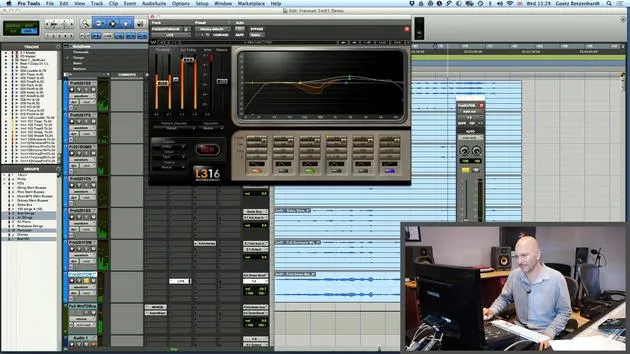
To control the low end in my TV mixes, I typically use a multiband compressor. A favorite of mine is the Waves L316, which includes a preset called Mink Solid TV Mix. This preset is specifically designed for TV mixing and offers the following benefits:
- Compresses the low end.
- Enhances the middle frequencies.
- Optimizes the mix for TV speakers.
Here's a quick demonstration of how it works:
- Turn down the volume a bit.
- Adjust the threshold until you see some movement.
- Play back the mix, especially during the louder sections.
By utilizing this plugin, you can see that while the lower frequencies are managed, the middle and upper mids remain untouched. This balance helps prevent distortion and allows the music to maintain clarity.
Additional Tips for TV Mixing
-
Time Efficiency:
- Mixing for TV might allow for more time compared to film, but efficiency is critical.
-
Keep It Uncluttered:
- Make sure the mix is not too cluttered. If one instrument needs to stand out, ensure it's clear and prominent, with other elements more subdued in the background.
Conclusion
Even though mixing for TV has its unique challenges, it remains an art form. Always prioritize making the music sound great. If it sounds good, audiences will take notice.
Thank you for participating in this course on film and TV mixing. I hope you found the information helpful, and I look forward to seeing you in another session soon!
16 lessons
1h 36m of structured video lessons
Advanced video features
Slow down, loop a passage, follow along
Mobile, tablet & desktop
Practise wherever you are
100% satisfaction guarantee
30-day money-back guarantee
Meet your guru
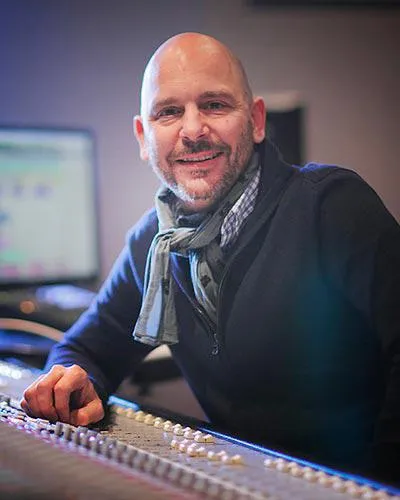
Meet your guru
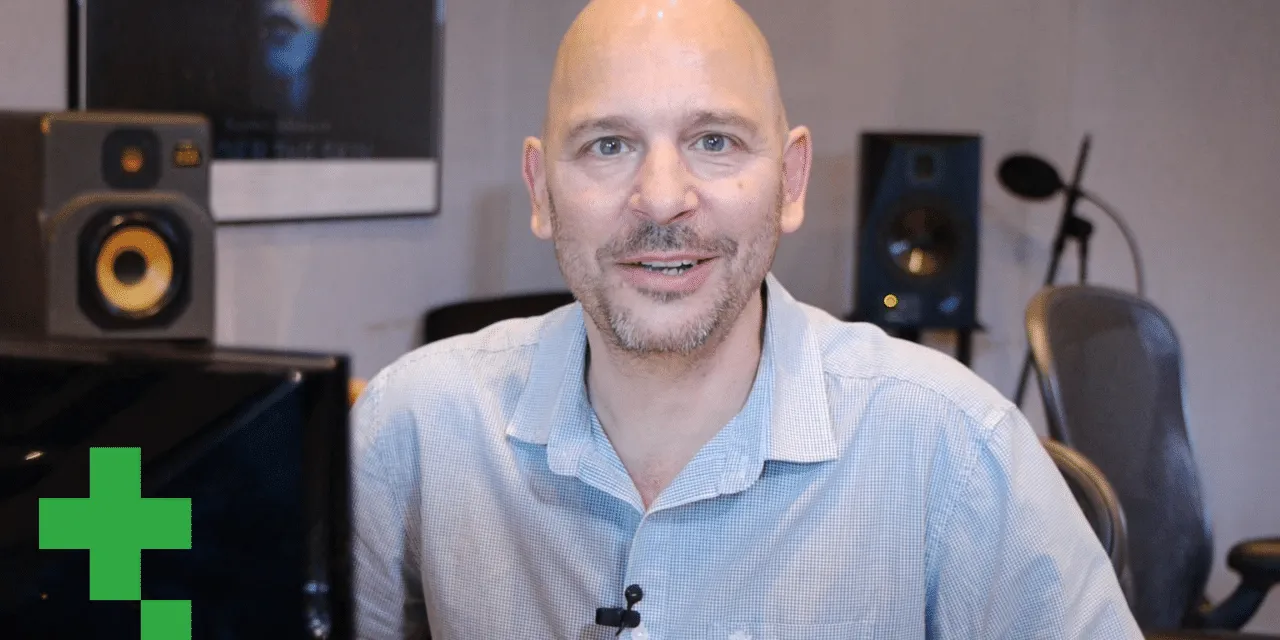
In the early nineties, Goetz Botzenhardt trained at Swanyard Recording Studios, assisting top producers like Flood, Alan Moulder and Tom Lord-Alge, and cut his teeth recording and mixing the dance and Acid Jazz bands of the 90s - Incognito, Galliano, Soul II Soul and many others.
At Swanyard he met Rollo Armstrong and the two quickly formed a creative partnership, leading to many big dance records and remixes and, soon after, to recording and mixing the first two acclaimed Faithless albums and Dido's multi-platinum 'No Angel'.
Ranging across genres, he recorded and mixed the Sugababes' debut album 'One Touch', including their first hit 'Overload', and has mixed for The Cardigans, Bjork, The Cinematic Orchestra, Craig David, the Pet Shop Boys and Hikaru Utada, one of Japan's most successful artists.
More recently he expanded into film and TV, working extensively with composers Christian Henson, Martin Phipps and Anne Nikitin, and mixing Daniel Pemberton's Golden Globe-nominated score for 'Steve Jobs', directed by Danny Boyle. Away from film he produced Tanita Tikaram's 'Closer to the People', mixed tracks for Sigala, Ella Eyre, Breton, Planet Funk and Tito Jackson, and in 2016 mixed Peabo Bryson's album with Jimmy Jam and Terry Lewis. A full list of his work is on his discography and filmography pages at goetz-botzenhardt.com.
Goetz works from his own studio and mix room, built around an SSL E4044 console, Adam 5.1 surround monitoring, a 48-channel Pro Tools HDX system and choice outboard gear. In his courses he takes you inside that room to show how he mixes across two very different worlds: in Mixing for Film & TV Score, how he balances and shapes orchestral and hybrid scores to serve the picture; and in Mixing Commercial Pop Music, how he builds punchy, radio-ready pop mixes from the multitrack up.