



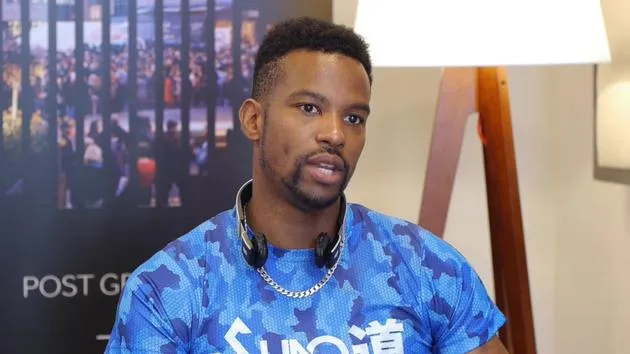
Interview with Nathan Graves

With
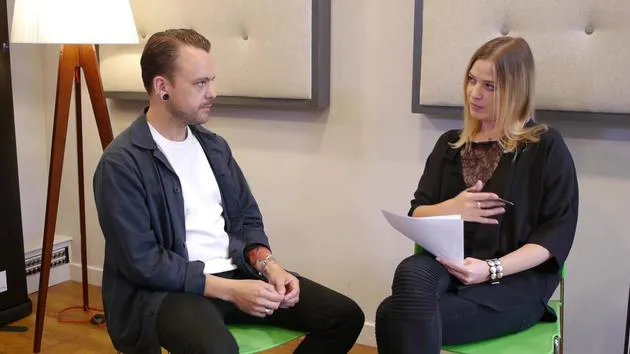
Sammy AndrewsIn this lesson, Nathan breaks down the world of Synch, explaining how it works, who the key players are, why synch is important and how you can get involved.
What's in the course
21 lessons (3h 15m) · 1 free
Lesson transcript
Music Synchronization 101
Introduction
Hi, my name is Nathan Graves, and I'm the Chief Commercial Officer for SoundVault.
About SoundVault
SoundVault is an online synchronization platform that provides monitoring services and licensing of audio to visual. We offer an end-to-end solution for artists looking to license their music into:
- Film
- Television
- Advertisements
- Online media
Benefits of Sync Licensing
Sync licensing is a great option for artists due to several benefits:
-
Financial Gain:
- Sync licensing can be very well paid, especially in advertising, where brands seek the perfect music to represent their products or services.
-
Exposure:
- Imagine your music in a top film! Often, people discover new music through soundtracks.
The Matching Process
When clients approach us, they typically provide a brief with specific requirements. Here's how we match their needs with the right music:
-
Brief Creation: Clients outline what they are looking for.
-
Search Engine: Our business has a search engine that helps find the right match.
-
Bespoke Solutions: Along with musicologists, we can create a curated playlist that aligns with the brief.
Feedback Loop
Clients listen to the suggested tracks and provide feedback, stating which songs are right or not.
Licensing Agreements
Once the right match is found, the next step involves creating a licensing agreement:
-
Contract Details:
- This includes the fee, the duration of use, and any associated sensitivities (e.g., content associations like meat products or guns).
-
Cue Sheets:
- The client, as a production company, must submit a cue sheet to collection societies, which look for your public performance royalties, creating another revenue stream beyond the initial fee.
The Complexity of Sync Licensing
Synchronization licensing can be complex due to the need for agreement from two parties:
-
Publishing:
- This involves songwriters and the composition of the song.
-
Master Recording:
- This involves whoever recorded the song.
Sensitivities in Sync Licensing
Often, certain sensitivities must be addressed. A notable example is Morrissey, who wouldn't agree to license his music for a hamburger advertisement due to content association.
Tips for Getting Into Music Synchronization
When artists ask what they should be creating for sync licensing, my advice includes:
-
Song Types:
- Write quality music across various genres and styles; there will always be a search for that sound.
-
Instrumentals:
- Instrumentals often see placements as background music in film and advertising, allowing focus on the voiceover or visuals.
Stay Informed
Be aware of current industry trends and placements:
- Research Successful Composers:
- Look at successful figures in the industry, such as Hans Zimmer, and analyze what makes their work appealing.
Quality is Key
Regardless of the genre, if the recording is of good quality and has relevant descriptors, someone will find you.
- Unique Styles:
- Whether it's ukulele, Norwegian, death metal sung in French, there's a potential place for it in synchronization.
Engaging with Agencies
There are numerous agencies and music supervisors looking for music for visual synchronization:
-
Finding Opportunities:
- Many of them are available online; research and reach out.
-
SoundVault's Role:
- At SoundVault, we aim to democratize the opportunity for individual artists and independents to get noticed.
Submitting Music to SoundVault
If you want to submit your music, visit www.soundvault.tv. Here's the process:
- Submit your music as a supplier.
- If approved, create an account.
- Provide rich metadata to enhance discoverability.
Conclusion
We actively connect music to supervisors, production companies, and advertising agencies, helping you get noticed in the synchronization space.
- Sample Brief: A sample brief is attached to this course, serving as a good example of what a music supervisor might be looking for.
I look forward to hearing your music, and hopefully we can place it in synchronization soon!
Thank you!
21 lessons
3h 15m of structured video lessons
Advanced video features
Slow down, loop a passage, follow along
Mobile, tablet & desktop
Practise wherever you are
100% satisfaction guarantee
30-day money-back guarantee
Meet your guru
Meet your guru
Sammy Andrews is the founder and CEO of Deviate Digital, a digital strategy agency that helps artists, labels and music businesses build audiences and earn a living online. She's one of the UK music industry's most outspoken voices on streaming, data and the digital economy, and a longstanding advocate for artists' rights — including through her work with the Featured Artist Coalition.
In this course she breaks down where the money actually comes from for working artists today: the revenue streams, the rights that underpin them, and the practical steps to make sure you get paid fairly.







