


The Chord Trigger

With
Dov WatermanDov Waterman demonstrates Logic's Chord Trigger, which builds triads, extended chords and full progressions from the single notes you play.
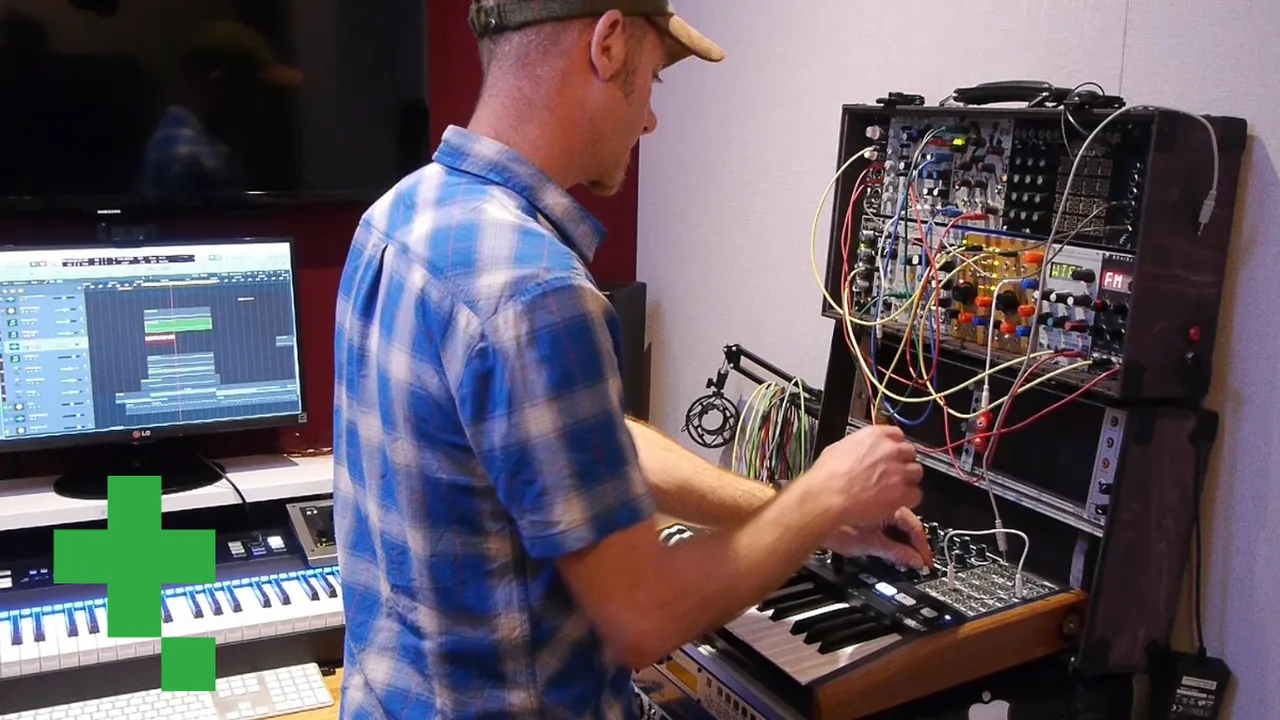 Part of the courseComposition in Logic: MIDI Effects, Smart Controls & Automation14 lessons (0h 53m)Your guruDov Waterman
What's in the course
14 lessons (0h 53m) · 1 free
Lesson transcript
Chord Trigger: A Handy Chord Generator
The chord trigger is a very handy tool for when you're stuck with ideas for chord progressions. This great little device can help you come up with various musical ideas, including:
- Extended harmonies
- Intervals
- Triads
If you want to play your major triad on certain notes, the chord trigger essentially generates chords based on the original note you're playing.
How It Works
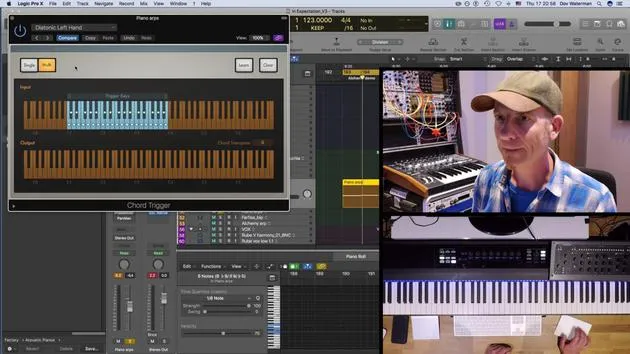
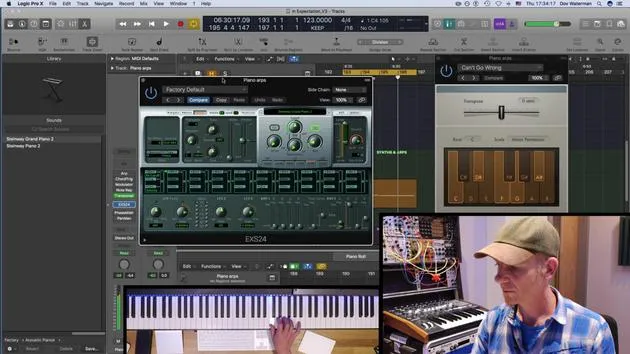
As you can see here, these are the triggered keys that I'm playing. It simply plays notes for the original note being played, generating a chord for that note in the major key:
- Key of C: Major triad
- Key of D: Major triad
- And so on...
You can change the settings to whatever you like; these are single chords, along with other variations like:
- Major seconds
- Extended harmonies
Multisection Feature
One of the exciting aspects of the chord trigger is its multisection feature. If you pull up a guitar sound, you can see how it utilizes various presets for generating chords that have a specific progression.
- Open Chords: This preset allows you to trigger chord sequences while playing a melody.
All the trigger keys in blue represent the notes that will be triggering the chord sequences. The notes outside of this blue section can be played normally.
Chord Examples
For instance, consider these chords:
- An open C chord is played on a G.
- Then, it moves to A and back to D.
By harmonizing here, we can look at what chords are being played:
- F
- Bb
- Bb diminished (possibly)
- G
- A
- D minor
These chords might seem complex, but the key takeaway is that the chord trigger pulls out different chord variations you can easily use within a progression.
Keyboard Voicings
The keyboard voicings work similarly, allowing you to quickly change the sounds:
- For example, give it an acoustic piano sound.
Conclusion
The chord trigger is very handy for coming up with a progression of chords. While creating your own chord progressions is a more in-depth topic for another course, using this little chord trigger, especially in multisection, is an excellent way to spark new musical ideas!
14 lessons
0h 53m of structured video lessons
Advanced video features
Slow down, loop a passage, follow along
Mobile, tablet & desktop
Practise wherever you are
100% satisfaction guarantee
30-day money-back guarantee
Meet your guru
Meet your guru
Dov Waterman is a composer, pianist and producer. He has written and designed sound for films including After Earth, Terminator Genisys, Transformers: The Last Knight and The Snowman, and works as a sample-library audio editor and sound designer with companies such as Native Instruments and SonoKinetic.
His Composition in Logic series walks through building a track end to end in Logic Pro - from templates and workflow to synthesis and beat programming, MIDI effects, editing and the final mix - for producers who want to turn their ideas into finished records.