



Types of Mandolin and their parts
With
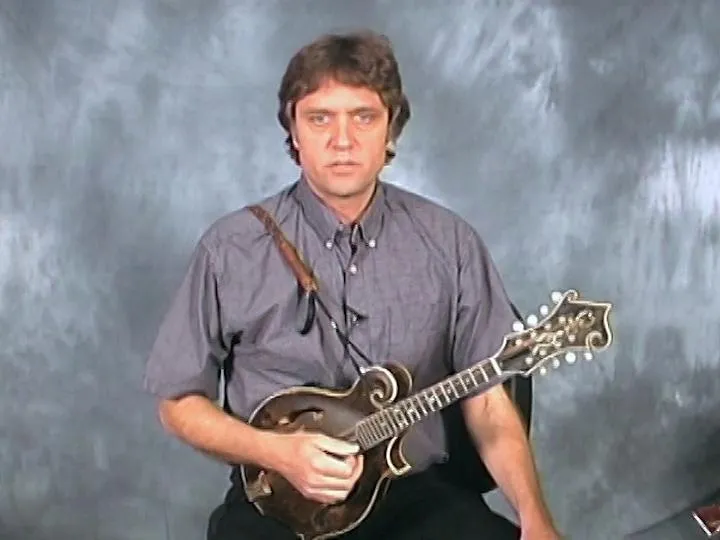
Tom BekenyTom Bekeny walks through the parts of the mandolin, from headstock to tailpiece, and explains the different styles you'll come across, including the F-style and teardrop shapes.
What's in the course
20 lessons (1h 18m) · 1 free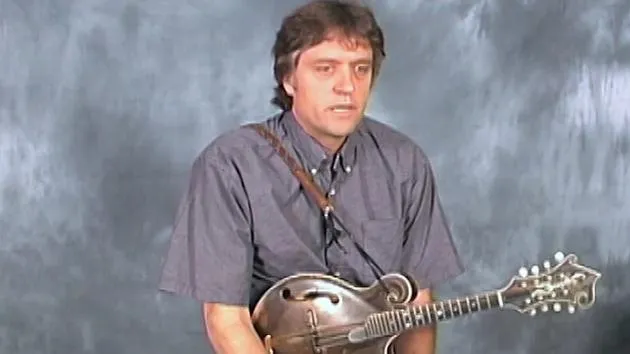
Lesson transcript
Introduction to the Mandolin
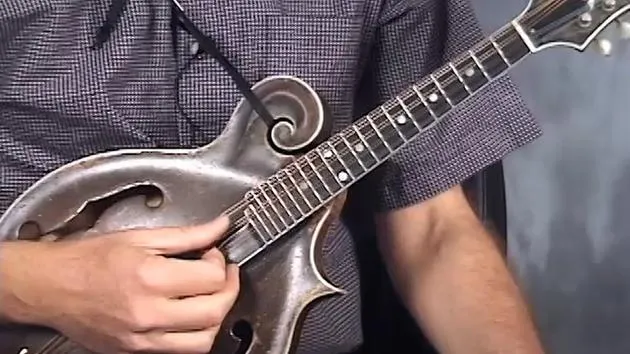
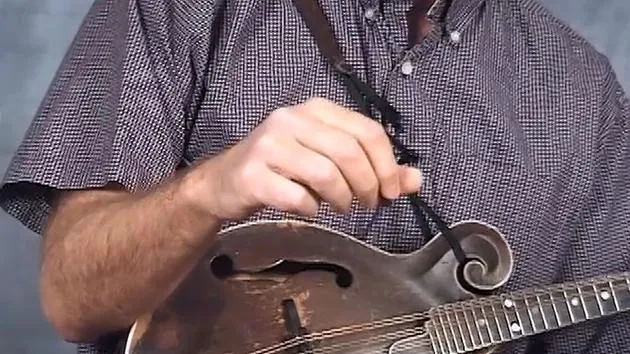
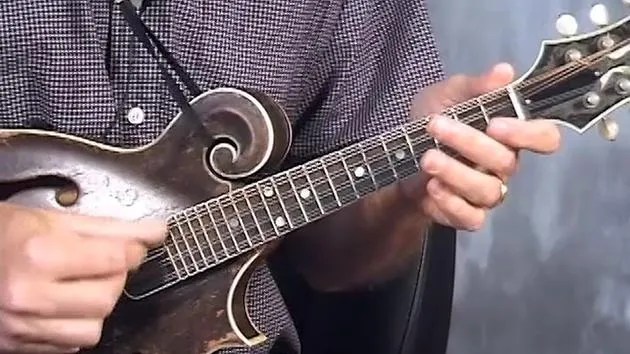
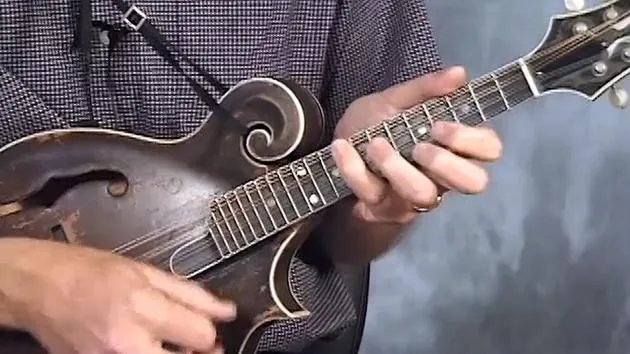
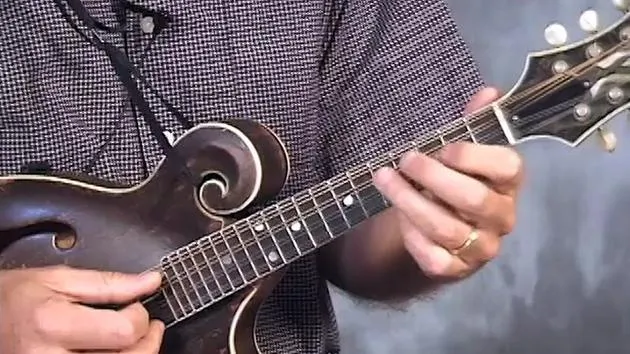
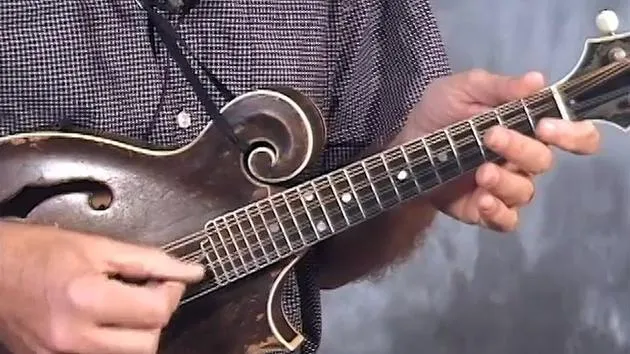
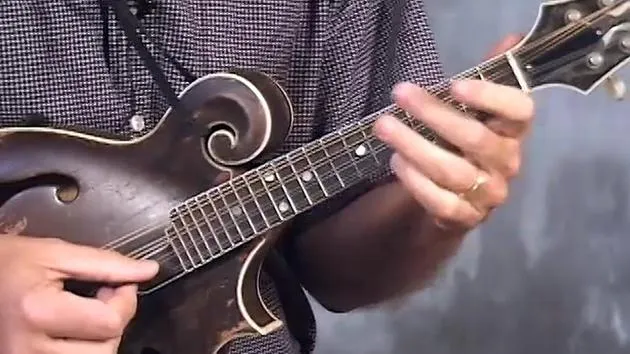
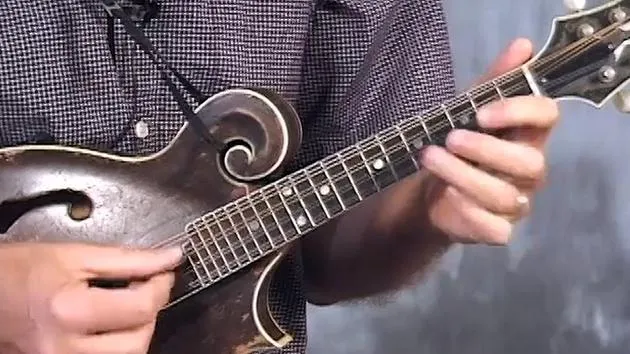
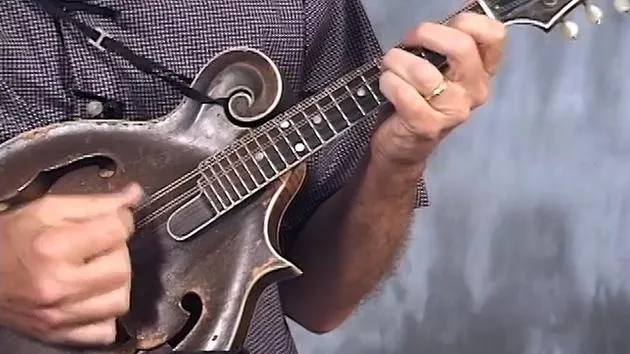
Let me just get in some basics about the instrument that you're learning how to play. Here are the various parts of the mandolin:
- Headstock: This is the top part of the mandolin.
- Tuning Pegs: These are used to tune the instrument.
- Truss Rod Cover: The little black plate located here.
- Truss Rod: A metal rod that goes inside the neck to keep it straight; it can actually be adjusted if you take that plate off.
Key Components
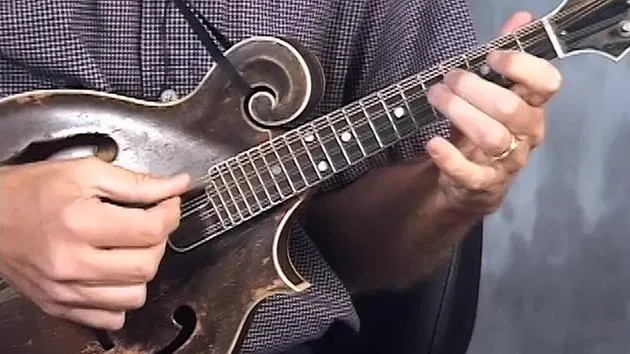
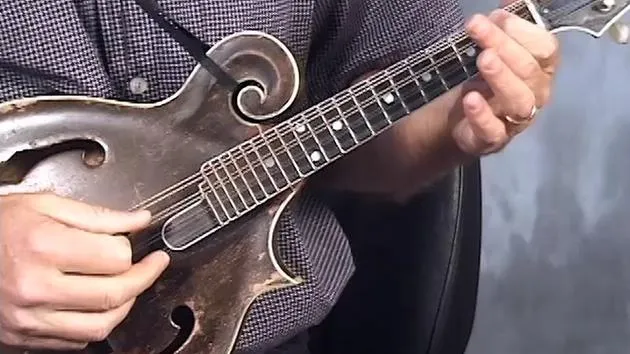
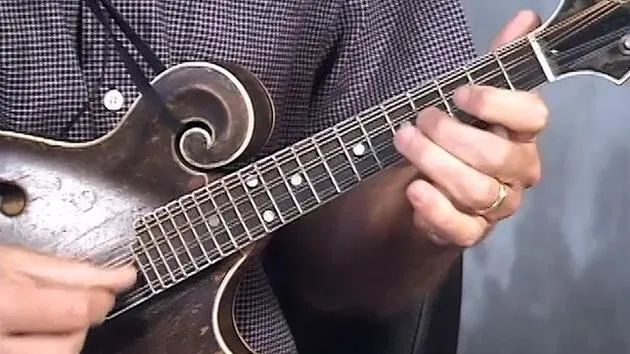
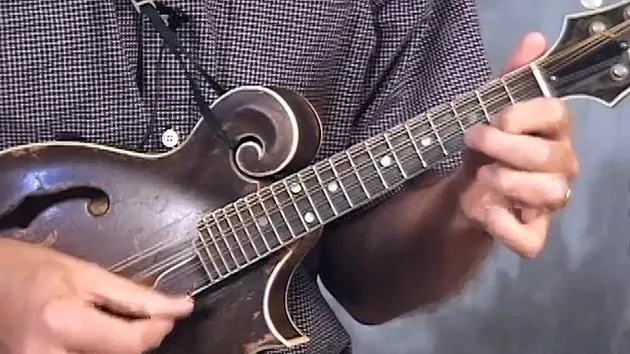
- Fingerboard: This is on top of the neck.
- Position Markers: These little dots are used to indicate fret positions.
- Frets: The metal parts going across this style of mandolin.
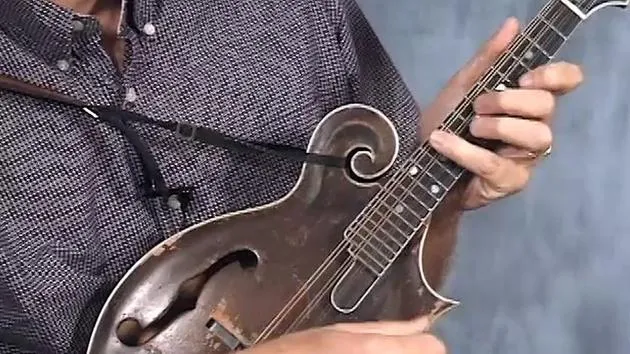
- Scroll Point: Another characteristic feature.
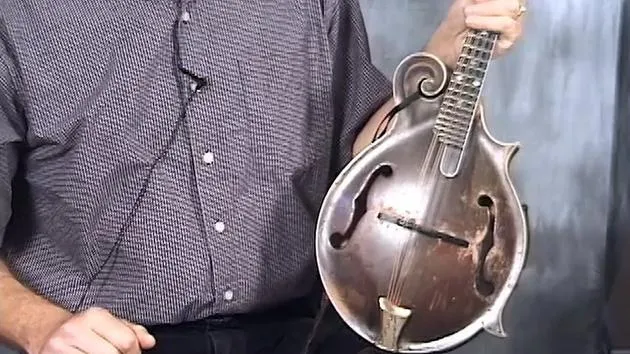
- F Holes: These are the sound holes on the body.
- Bridge Strings: This component holds the strings in place.
- Tail Piece: The part where the string ends attach.
Types of Mandolins
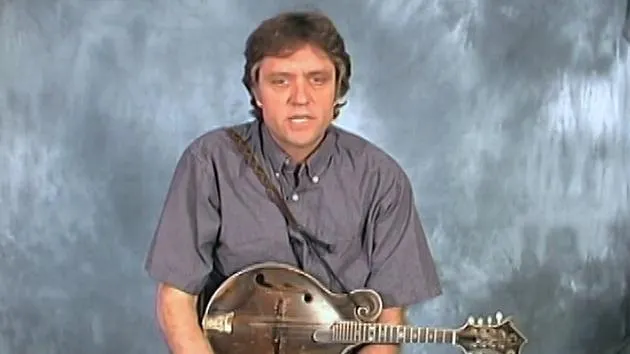
There are various different kinds of mandolins. A lot of times, people see me playing this and say, "Well, what's that instrument?" And I say, "It's a mandolin." They go, "Really? I thought a mandolin kind of had a round bulging shape."
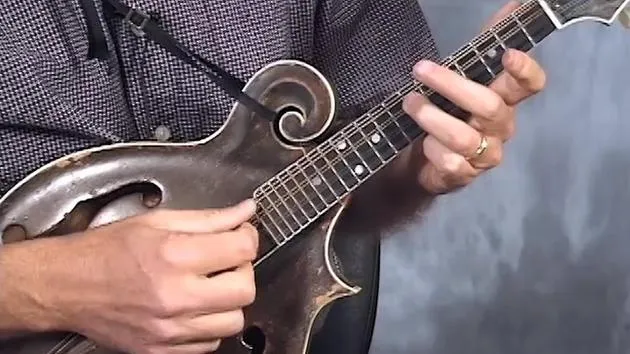
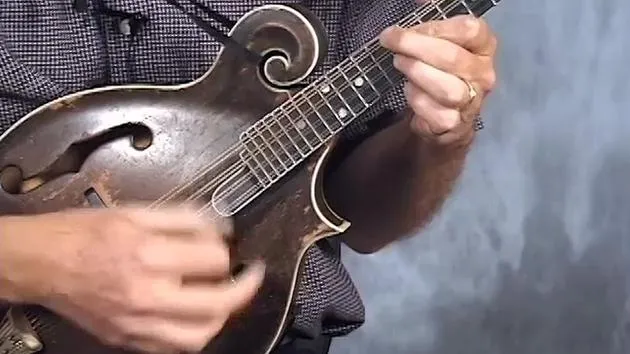
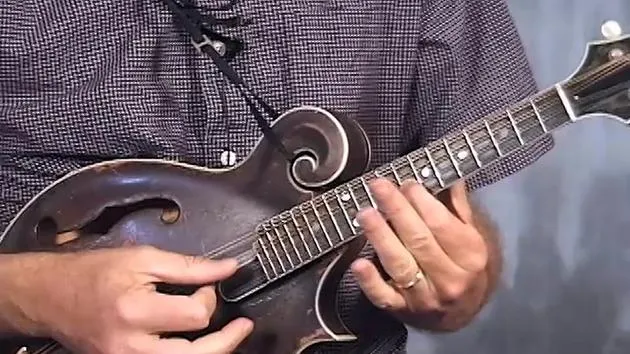
This brings me to the F Style Mandolin:
- Developed here in the United States by a man named Lloyd Lohr, who worked for Gibson in the early 20s.
- This style, known as the F Style, is what I'm playing today.
This mandolin here is not made by Gibson but is based on the Gibson F5 Style Mandolin and happens to be made by Stan Miller.
Additionally, there are other styles of mandolins, such as:
- Teardrop Shape: This one happens to be made by Ibanez.
- Volume Knobs and Pickups: These are for playing amplified music. In traditional bluegrass, you wouldn't have that on there; you would just play through a microphone with a teardrop-shaped mandolin.
Gibson made a lot of these, often referred to as A Styles:
- Some have a round hole in the middle, while others, like this one, have F holes.
Today, there are countless makers designing all kinds of interesting shapes and designs for mandolins. It's a fascinating time to explore what mandolin luthiers are creating these days!
20 lessons
1h 18m of structured video lessons
Advanced video features
Slow down, loop a passage, follow along
Mobile, tablet & desktop
Practise wherever you are
100% satisfaction guarantee
30-day money-back guarantee
Meet your guru
Meet your guru
Tom Bekeny is a mandolinist, fiddler and seasoned mandolin teacher who has performed and taught in the U.S. and abroad for over 40 years - so when he breaks down how to play, you are learning from someone who has spent a lifetime both on stage and in the lesson room.
He was the mandolinist in such San Francisco Bay Area bands as Done Gone, Tenbrooks, and an early version of the Grant Street String Band with Laurie Lewis. He has appeared with Peter Rowan, the Rowan Brothers, David Grisman, George Cole, vocalist Lua Hadar, and Jerry Garcia. Tom has played mandolin with the highly acclaimed Kathy Kallick Band for almost 20 years and has held the fiddle spot with California's premiere traditional bluegrass band, High Country, since 1988. He has recorded with many of these groups and was featured in the Summer 2009 issue of Mandolin Magazine.
Tom also plays in the wildly popular trad bluegrass "jam" band, Bangers and Grass, alongside west coast bluegrass luminaries Jim Nunally, Steve Pottier, Bill Evans and Chad Manning.
Beyond bluegrass, Tom plays jazz mandolin with his trio The Missing Man Quartet (MM4), which plays straight-ahead jazz with original arrangements drawing material from the world of jazz and Great American Songbook standards. He released a solo CD project ("Jazzolin") in 2013, on which he plays mandolin and fiddle backed by drums and bass.







