



Split string technique
With
Tom BekenyTom Bekeny teaches the split-string technique on mandolin, a Jesse McReynolds innovation, alongside a closed-position exercise to build pinky strength.
What's in the course
20 lessons (1h 18m) · 1 free
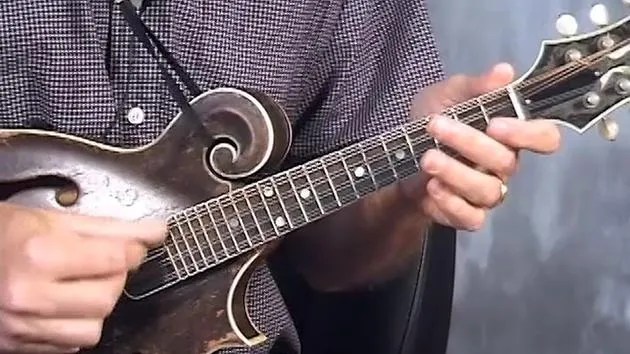
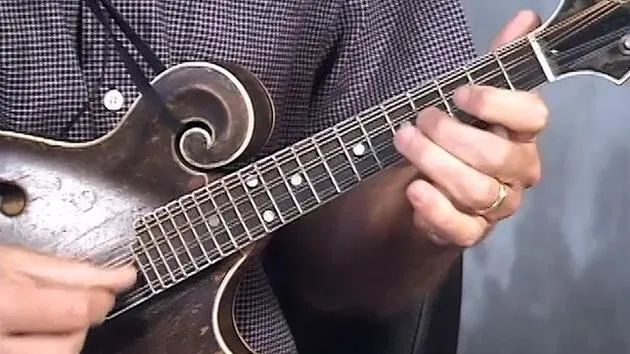
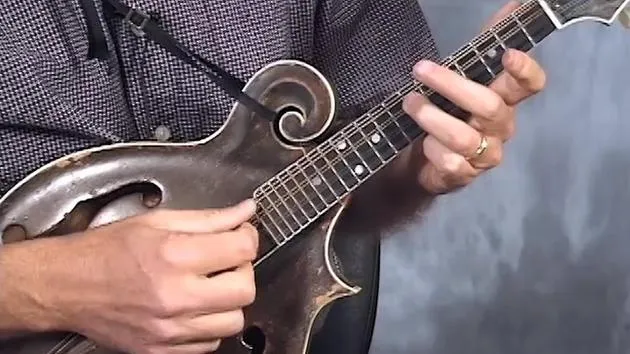
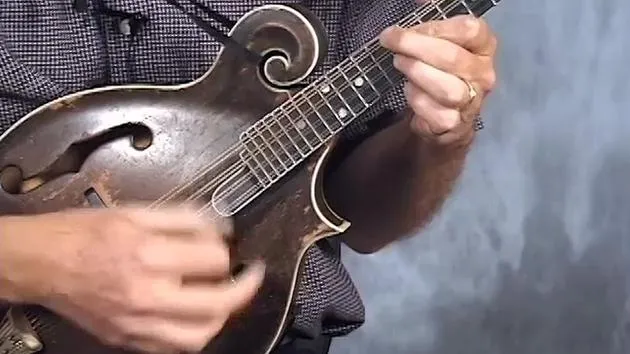
Lesson transcript
Music Lesson: Strengthening Your Pinky and Exploring Split String Technique
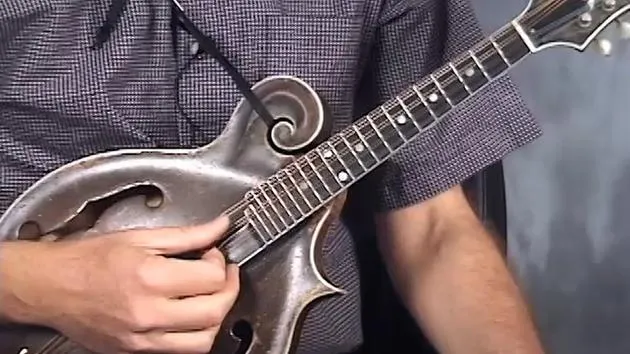
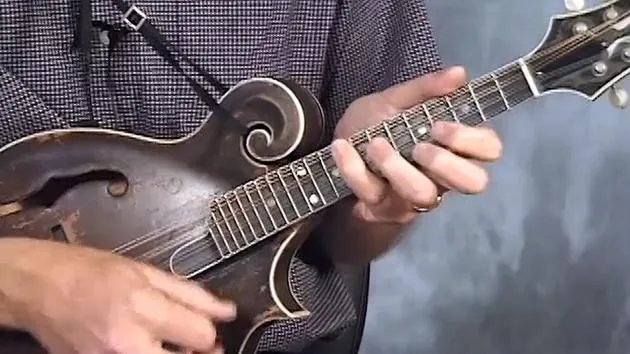
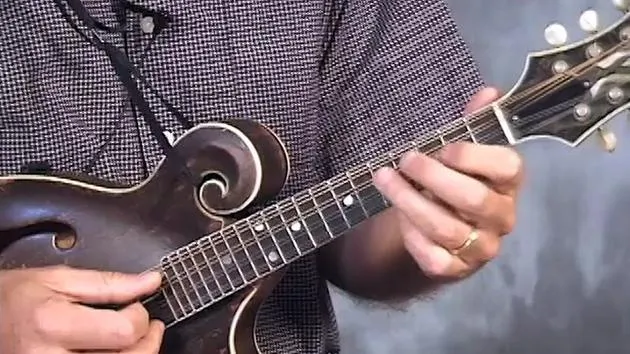
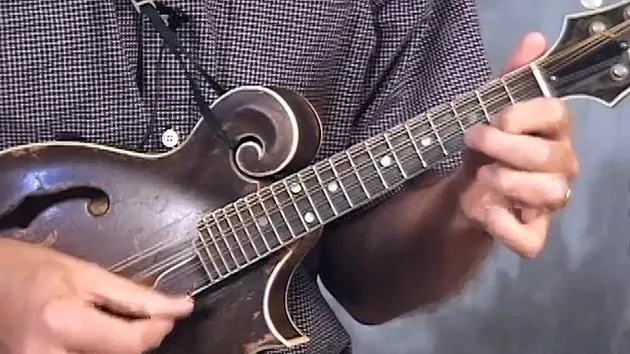
If you remember, earlier on in this DVD, I mentioned learning major scales in closed positions. In other words, avoid playing open notes. This approach brings into play the necessity of using your pinky more, as well as developing strength in this finger, which is the smallest and weakest of the bunch.
Pinky Strengthening Exercise
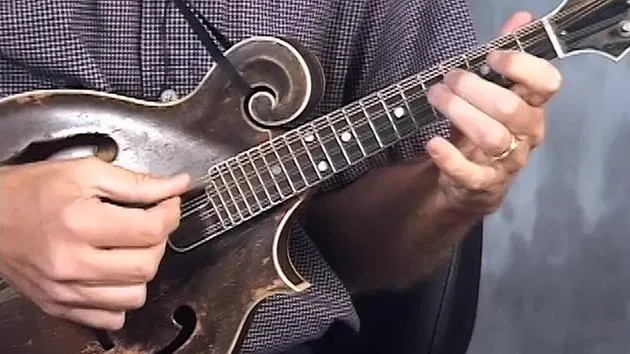
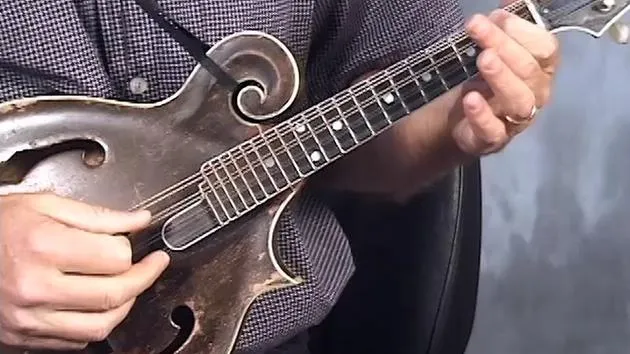
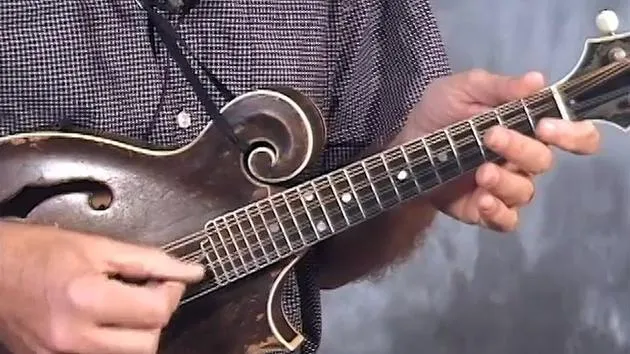
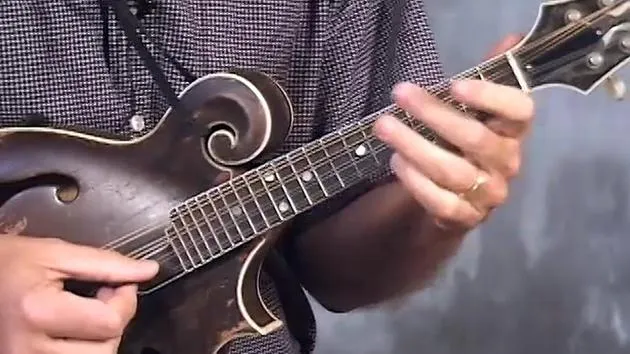
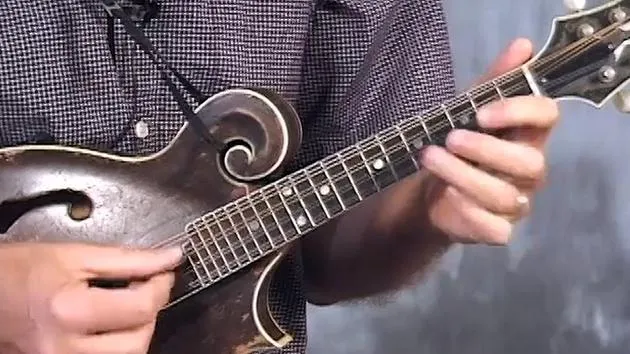
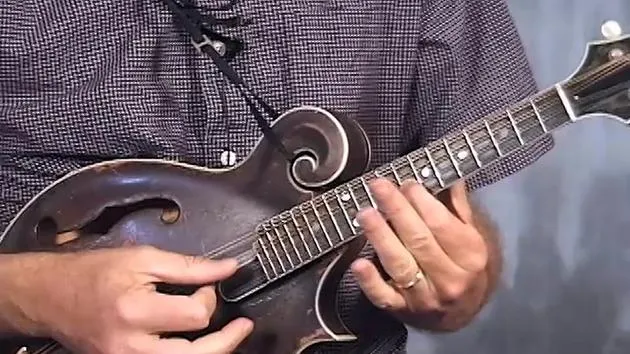
I learned an exercise that I think went something like this, from when I took a couple of lessons with David Grisman back in the mid-70s. It's a simple back-and-forth exercise:
- Keep your middle finger on the fifth fret of the G string.
- Use your pinky to go up to the ninth fret on the G string.
- Alternate as follows:
- Fifth to ninth fret
- Fifth to eighth fret
- Fifth to seventh fret
- Fifth to eighth fret
- Fifth to ninth fret
Make sure to alternate with the fifth note being every other note.
Important: Don't do it too much, as you can hurt yourself, and then you won't be playing for a while. So, take it easy, but do a little bit of that to help strengthen your pinky.
Jesse McReynolds' Split String Technique
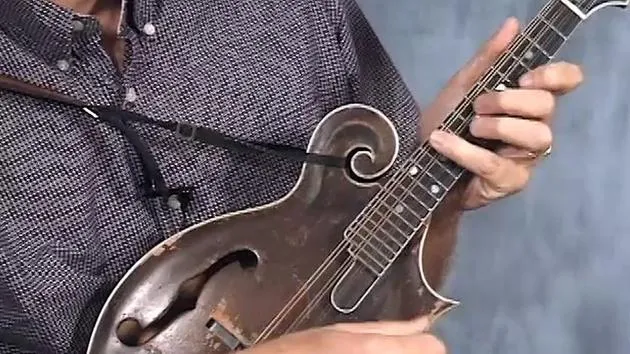
Another topic I mentioned in passing was Jesse McReynolds' split string technique. We already covered a bit of cross-picking, but the split string technique produces a really cool sound.
How it Works:
- Let's say we're in the key of G. This technique involves playing three notes using two adjacent strings.
- It essentially revolves around the first two notes of a G chord, which are G and B.
- Jesse found a way to incorporate the D note (the fifth note of the chord) into play using only two strings.
The method involves:
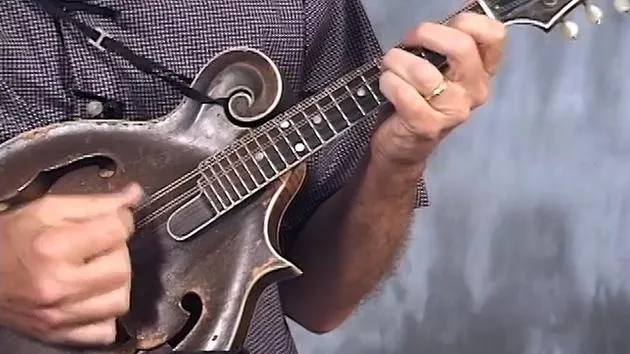
- Placing your fingernail in with your pinky on the bottom A string at the fifth fret to get the D note.
- Keeping the top B string at the second fret of the A string to ensure it sounds good.
Demonstration
So if I play it real slow, it sounds like this: G, B, D. This creates a full chord.
From there, you can experiment by playing an open A and hammer-on with your index finger. In this instance, I'm giving one stroke but playing two notes by hammering on with that index finger.
Feel free to play around in other positions and keys. This technique sounds especially nice on country-sounding bluegrass songs and works well for slower tempo pieces.
20 lessons
1h 18m of structured video lessons
Advanced video features
Slow down, loop a passage, follow along
Mobile, tablet & desktop
Practise wherever you are
100% satisfaction guarantee
30-day money-back guarantee
Meet your guru
Meet your guru
Tom Bekeny is a mandolinist, fiddler and seasoned mandolin teacher who has performed and taught in the U.S. and abroad for over 40 years - so when he breaks down how to play, you are learning from someone who has spent a lifetime both on stage and in the lesson room.
He was the mandolinist in such San Francisco Bay Area bands as Done Gone, Tenbrooks, and an early version of the Grant Street String Band with Laurie Lewis. He has appeared with Peter Rowan, the Rowan Brothers, David Grisman, George Cole, vocalist Lua Hadar, and Jerry Garcia. Tom has played mandolin with the highly acclaimed Kathy Kallick Band for almost 20 years and has held the fiddle spot with California's premiere traditional bluegrass band, High Country, since 1988. He has recorded with many of these groups and was featured in the Summer 2009 issue of Mandolin Magazine.
Tom also plays in the wildly popular trad bluegrass "jam" band, Bangers and Grass, alongside west coast bluegrass luminaries Jim Nunally, Steve Pottier, Bill Evans and Chad Manning.
Beyond bluegrass, Tom plays jazz mandolin with his trio The Missing Man Quartet (MM4), which plays straight-ahead jazz with original arrangements drawing material from the world of jazz and Great American Songbook standards. He released a solo CD project ("Jazzolin") in 2013, on which he plays mandolin and fiddle backed by drums and bass.







