



First note, scale and pick technique
With
Tom Bekeny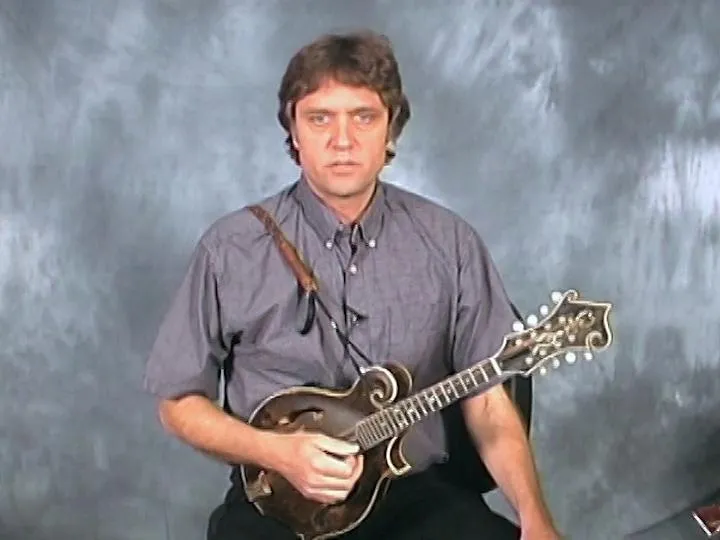
What's in the course
20 lessons (1h 18m) · 1 free
Lesson transcript
Right Hand Technique and Pick Usage
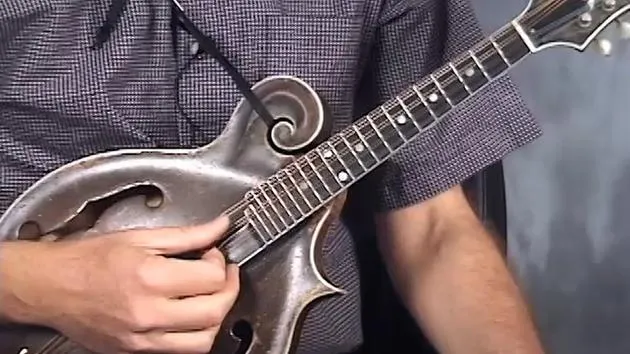
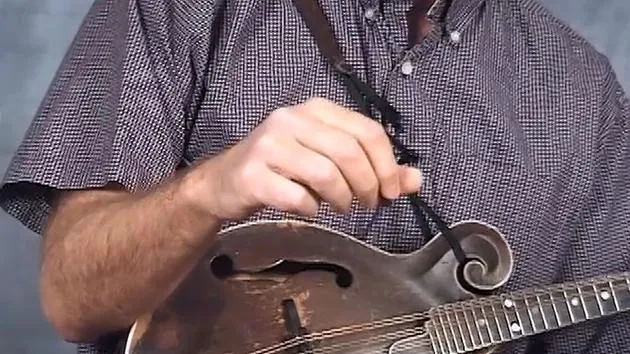
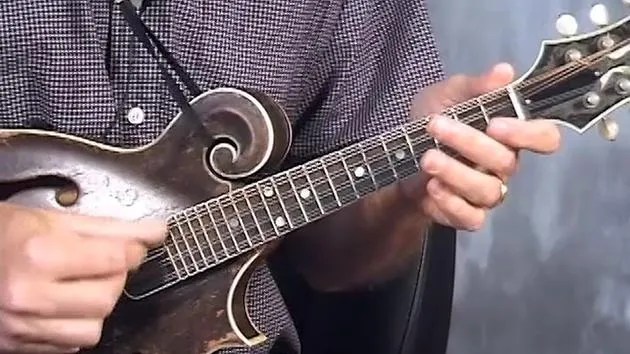
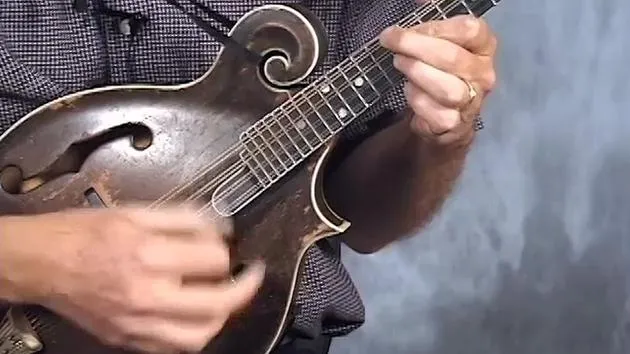
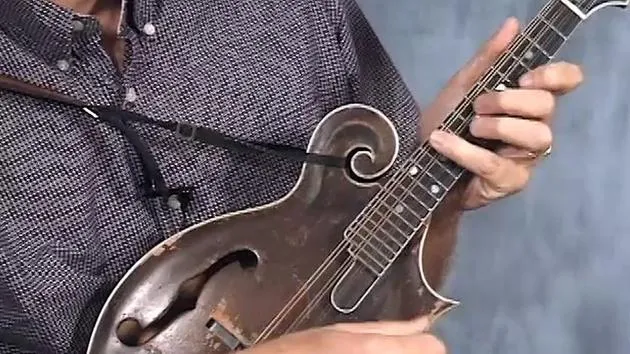
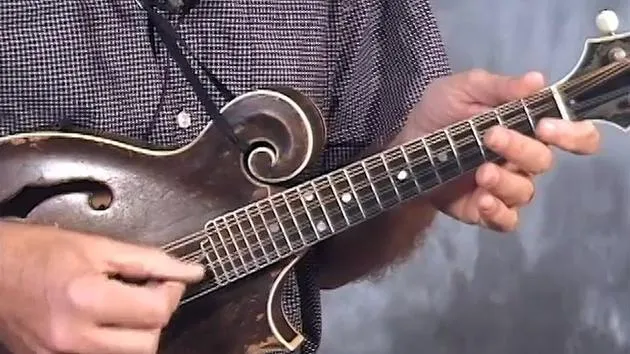
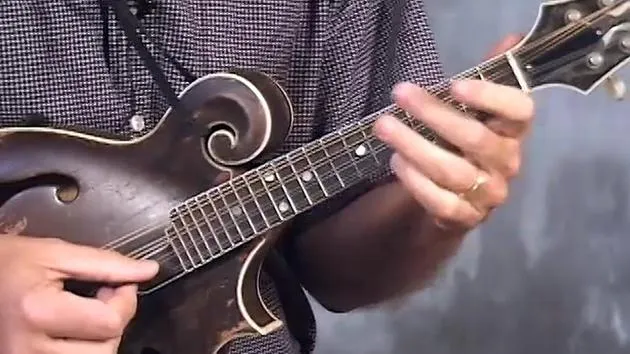
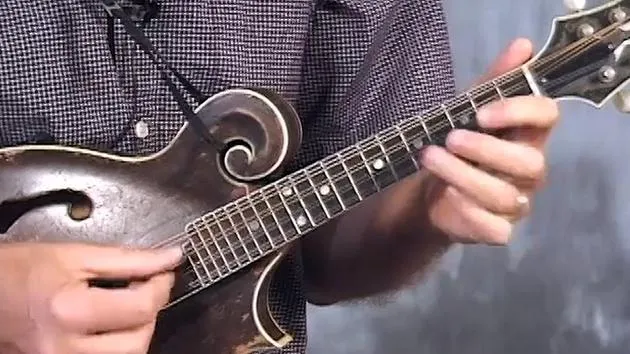
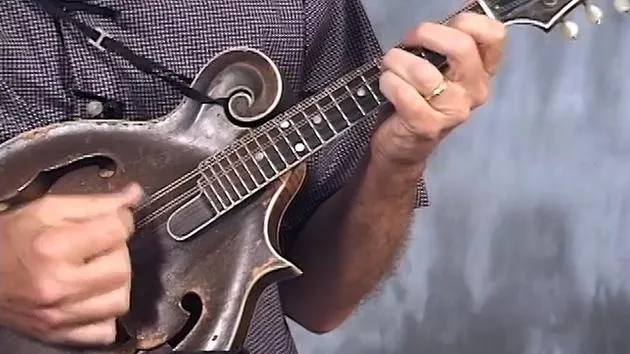
Okay, so let's focus a little bit on your right hand and the use of the pick. One of the basic things that you should learn is to alternate the pick directions:
- Down, up, down, up, down, up.
When you have a series of faster notes, either eighth notes or sixteenth notes, it continues:
- Down, up, down, up, down, up, down, up.
Understanding Major Scales
For this purpose, and for the purpose of getting to know the fingerboard a little bit, it's probably good to just learn a few of the major scales in the common bluegrass keys. The common keys in bluegrass, at least in traditional bluegrass, though I think this is changing now, are:
- A
- B flat
- B
- C
- D
- E
- F
I'll just show you an A major scale, and you'll find tablature for the other keys I just mentioned.
Scales: Open vs. Closed Position
For each of the scales, I'll show you one where you're using some open notes (in other words, unfretted notes) and scales where you're mostly trying to play and get that same note but fretted (closed position versus open).
A Major Scale
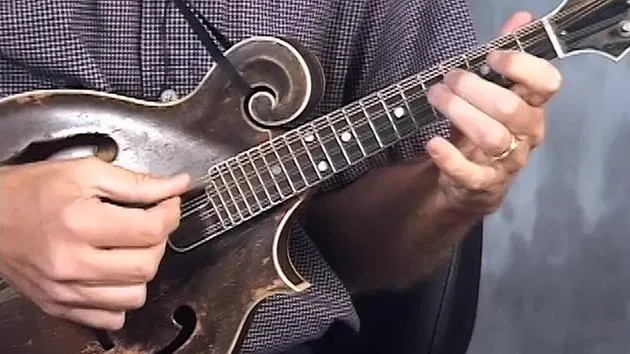
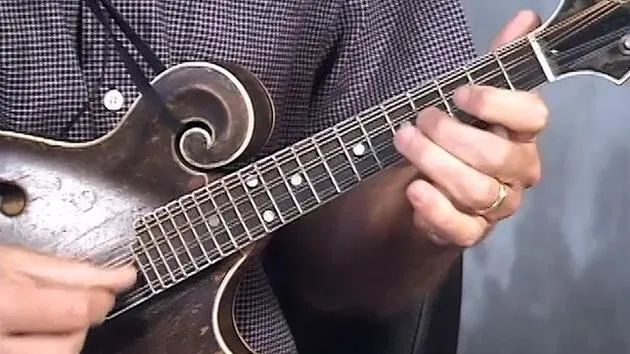
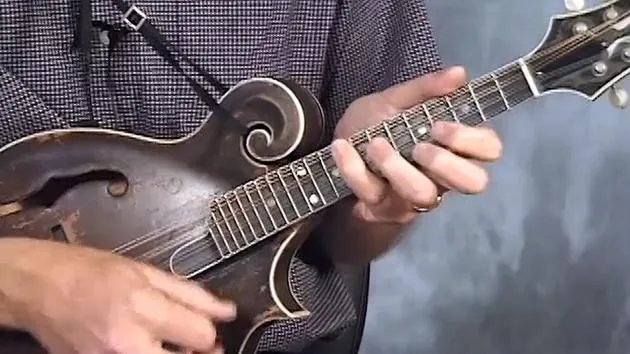
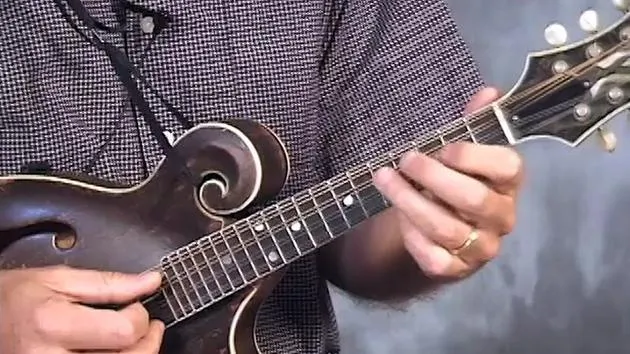
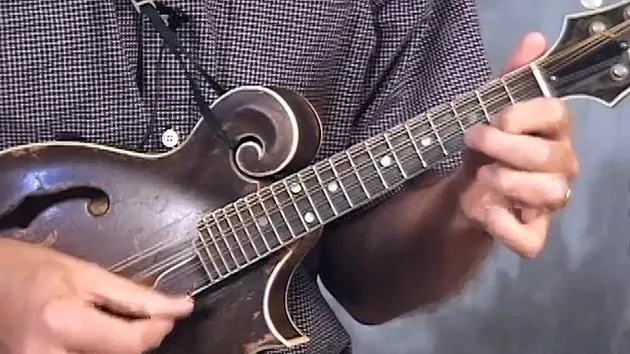
Here's an A major scale, alternating the pick:
- Alternating the pick: Down, up, down, up.
- We will go up a couple of octaves and then back down.
The first version uses open notes:
- Open, down, up, and maintaining that.
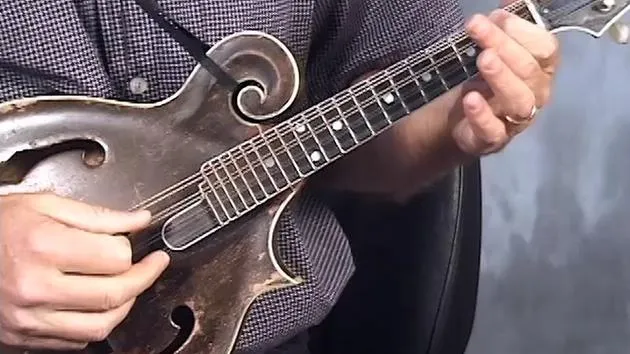
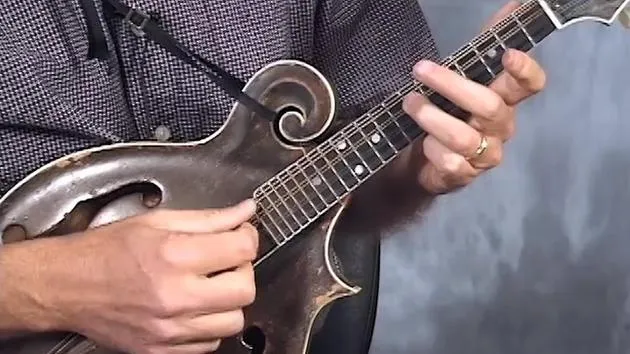
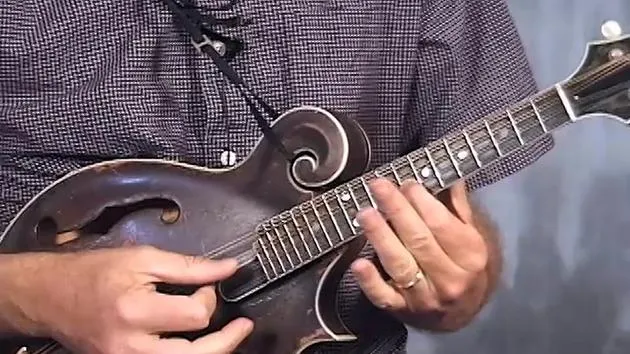
Then we'll move to the closed position.
Another reason it's good to practice the closed position is that it allows you to play in any key. You can change keys and keep the same positions.
Importance of the Pinky
Additionally, practicing in closed position exercises your pinky, which is the fourth finger and the weakest finger, making it the hardest to develop.
So, here it is in closed position, with the pinky catching the notes that were played open in the previous version of this A major scale.
20 lessons
1h 18m of structured video lessons
Advanced video features
Slow down, loop a passage, follow along
Mobile, tablet & desktop
Practise wherever you are
100% satisfaction guarantee
30-day money-back guarantee
Meet your guru
Meet your guru
Tom Bekeny is a mandolinist, fiddler and seasoned mandolin teacher who has performed and taught in the U.S. and abroad for over 40 years - so when he breaks down how to play, you are learning from someone who has spent a lifetime both on stage and in the lesson room.
He was the mandolinist in such San Francisco Bay Area bands as Done Gone, Tenbrooks, and an early version of the Grant Street String Band with Laurie Lewis. He has appeared with Peter Rowan, the Rowan Brothers, David Grisman, George Cole, vocalist Lua Hadar, and Jerry Garcia. Tom has played mandolin with the highly acclaimed Kathy Kallick Band for almost 20 years and has held the fiddle spot with California's premiere traditional bluegrass band, High Country, since 1988. He has recorded with many of these groups and was featured in the Summer 2009 issue of Mandolin Magazine.
Tom also plays in the wildly popular trad bluegrass "jam" band, Bangers and Grass, alongside west coast bluegrass luminaries Jim Nunally, Steve Pottier, Bill Evans and Chad Manning.
Beyond bluegrass, Tom plays jazz mandolin with his trio The Missing Man Quartet (MM4), which plays straight-ahead jazz with original arrangements drawing material from the world of jazz and Great American Songbook standards. He released a solo CD project ("Jazzolin") in 2013, on which he plays mandolin and fiddle backed by drums and bass.







