



Tuning your Mandolin
With
Tom Bekeny
What's in the course
20 lessons (1h 18m) · 1 free
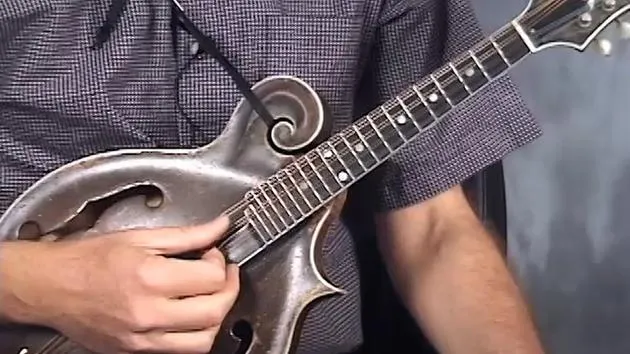
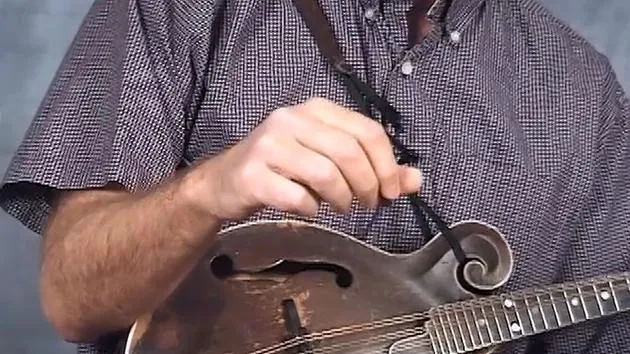
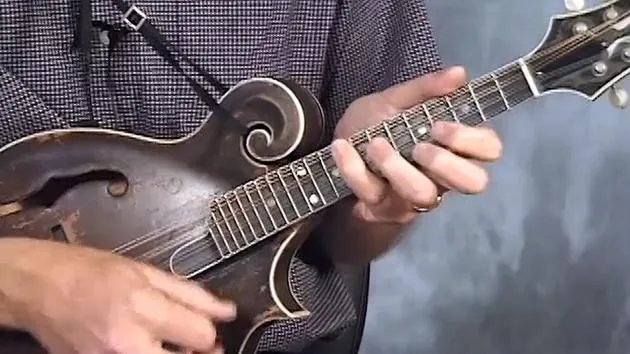
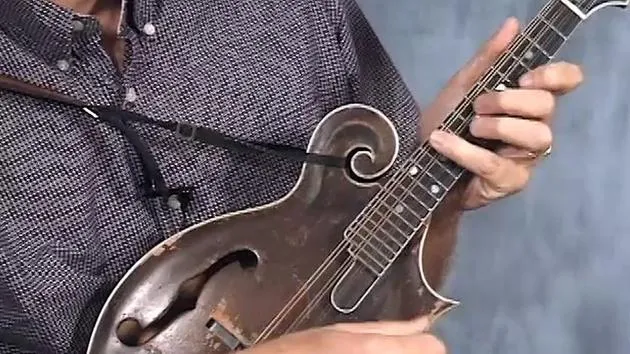
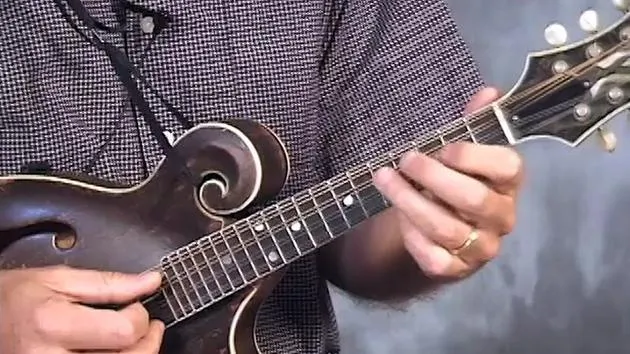
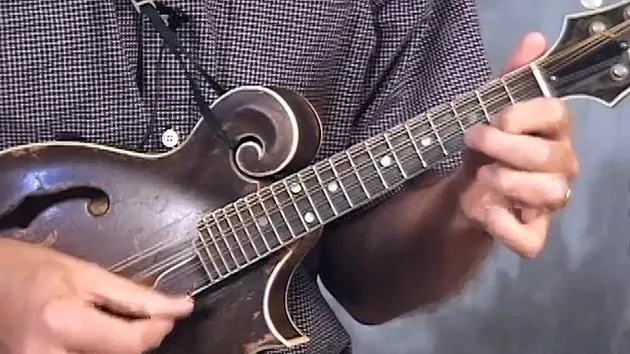
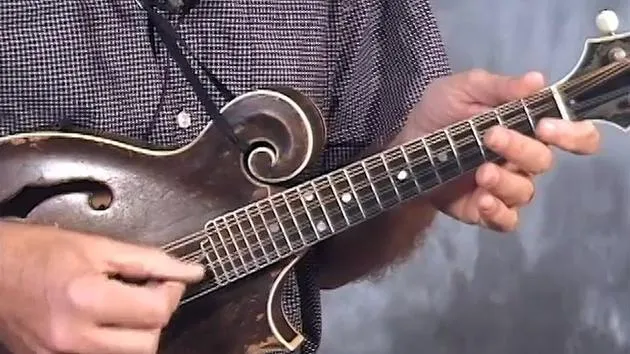
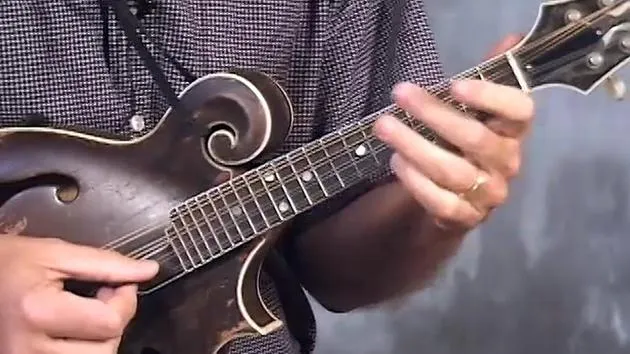
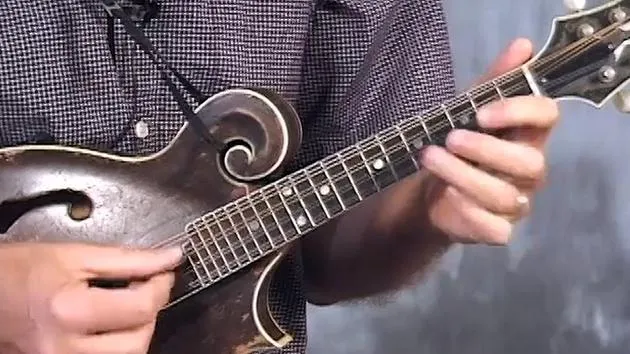
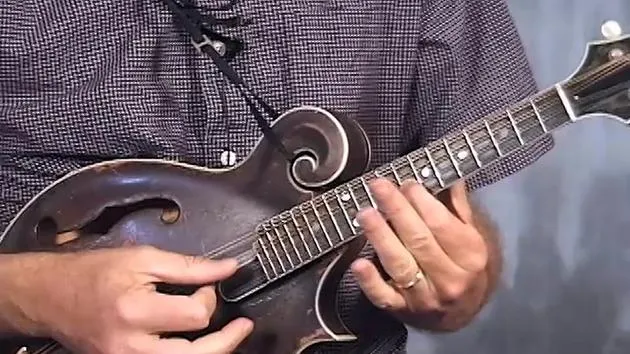
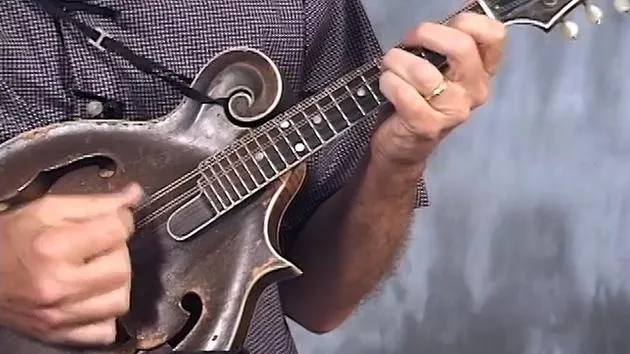
Lesson transcript
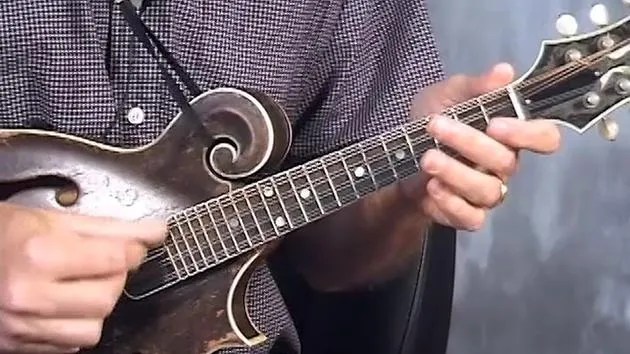
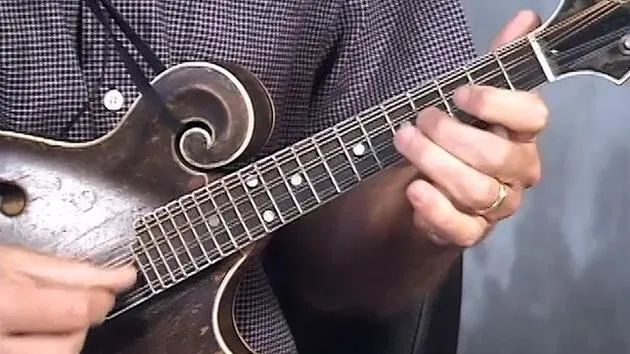
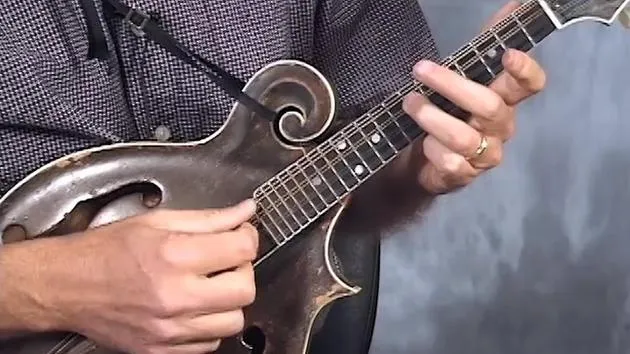
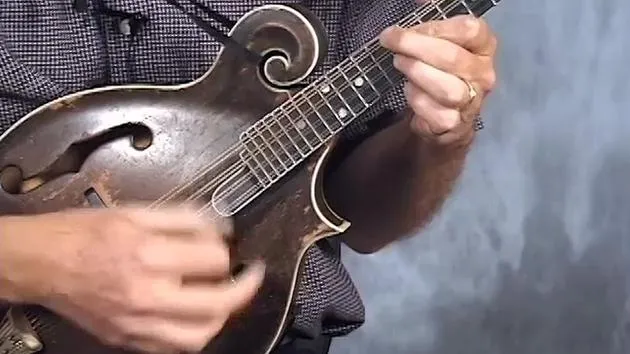
Mandolin Tuning Lesson
Okay, so let's really start doing some things with the instrument here.
Getting Started: Tuning the Mandolin
First of all, you have to learn how to tune it. A mandolin is tuned in fifths, just like a violin. The reason it's called "fifths" is:
- For example, here is a D note.
- The next note up from it is the A.
If you count up on your fingers: D, E, F, G, A, that's a fifth.
The Note Arrangement
The notes are:
- G
- D
- A
- E
You'll notice we have pairs of strings that are tuned to unison. So, the two Gs should be identical, the two Ds, two As, and two Es are also tuned in unison.
Developing Your Ear
Learning how to tune is not just about getting the notes right; it's a great opportunity for those of you who haven't played other instruments or music much to develop your ear.
Tuning Methods
There are different ways to tune, but let me explain one that will help you develop your ear, especially in being sensitive to when a note is too high (sharp) or too low (flat).
-
Get a Reference Note:
- Say, get a G from a friend who's in tune, or from a piano.
-
Match the G:
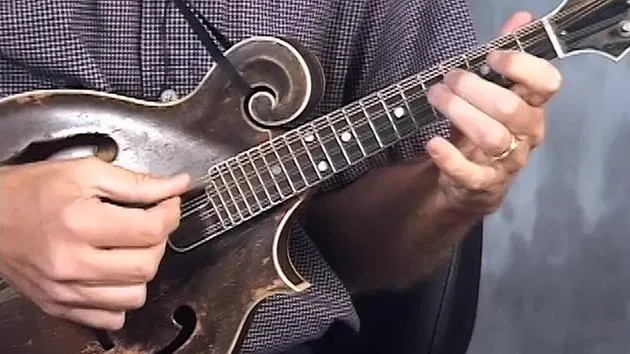
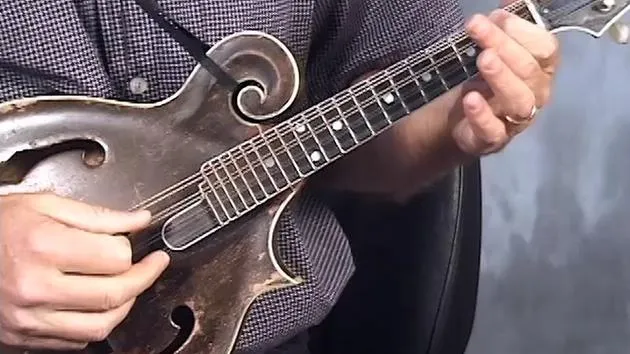
- Once you have that G matched to your reference note, count up to the seventh fret, fret that note, and match the D.
-
Adjust Your D String:
- Adjust your tuning peg to match the D to the G.
- Once you get the D in tune, fret the D at the seventh fret, hit the A open, and match that note to it.
-
Tune Your E String:
- Fret the A string at the seventh fret and match it to the E open.
Using a Tuning Fork
If you don't have a G as a reference note, you can use a tuning fork tuned to 440A.
- You have to do it backwards:
- Get your A note in tune with the tuning fork.
- Go backwards to adjust the D string to match that open A.
Once you get the D adjusted, hit the D open as your target note:
- Fret the G string at the seventh fret and match it.
- Lastly, get your E in tune, presumably while keeping your A at pitch. Fret the seventh fret of the A string and hit the E open.
Continuous Improvement
Remember, you'll get better at this the more you do it. Rely on your ear for making slight adjustments and recognizing when a note is a little sharp or a little flat.
Believe it or not, even after playing for over 30 years, I feel like my ear is still improving. With every year, I'm gaining a better idea and a better sense of the subtleties of sharp and flat notes.
Advanced Tuning Techniques
Another way to tune the mandolin is for when your ear has developed further.
- Harmonic Tuning: You might have heard violins. Once they get a reference note, like a G, they play the two notes together (G and D) while bowing and dragging out the note. This allows you to develop a sense for what a perfect fifth sounds like, enabling you to make adjustments until that interval sounds in tune.
Using a Tuner
Lastly, you can use a tuner.
- If you rely on it exclusively, you might miss the opportunity to train your ear, but tuners are very helpful.
- They can exactly tell you when you're sharp or flat.
Even with a tuner, you can use it as an ear training exercise, gradually internalizing the experience of being sharp or flat. However, I would recommend starting with tuning by ear first.
20 lessons
1h 18m of structured video lessons
Advanced video features
Slow down, loop a passage, follow along
Mobile, tablet & desktop
Practise wherever you are
100% satisfaction guarantee
30-day money-back guarantee
Meet your guru
Meet your guru
Tom Bekeny is a mandolinist, fiddler and seasoned mandolin teacher who has performed and taught in the U.S. and abroad for over 40 years - so when he breaks down how to play, you are learning from someone who has spent a lifetime both on stage and in the lesson room.
He was the mandolinist in such San Francisco Bay Area bands as Done Gone, Tenbrooks, and an early version of the Grant Street String Band with Laurie Lewis. He has appeared with Peter Rowan, the Rowan Brothers, David Grisman, George Cole, vocalist Lua Hadar, and Jerry Garcia. Tom has played mandolin with the highly acclaimed Kathy Kallick Band for almost 20 years and has held the fiddle spot with California's premiere traditional bluegrass band, High Country, since 1988. He has recorded with many of these groups and was featured in the Summer 2009 issue of Mandolin Magazine.
Tom also plays in the wildly popular trad bluegrass "jam" band, Bangers and Grass, alongside west coast bluegrass luminaries Jim Nunally, Steve Pottier, Bill Evans and Chad Manning.
Beyond bluegrass, Tom plays jazz mandolin with his trio The Missing Man Quartet (MM4), which plays straight-ahead jazz with original arrangements drawing material from the world of jazz and Great American Songbook standards. He released a solo CD project ("Jazzolin") in 2013, on which he plays mandolin and fiddle backed by drums and bass.







