What makes a good Hammond player?

With
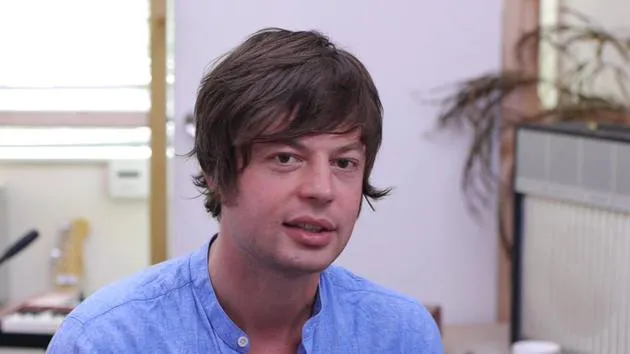
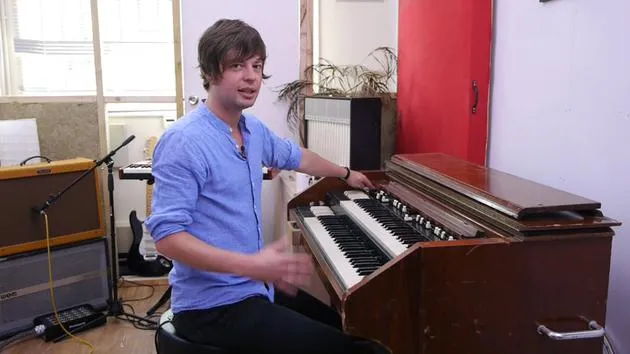
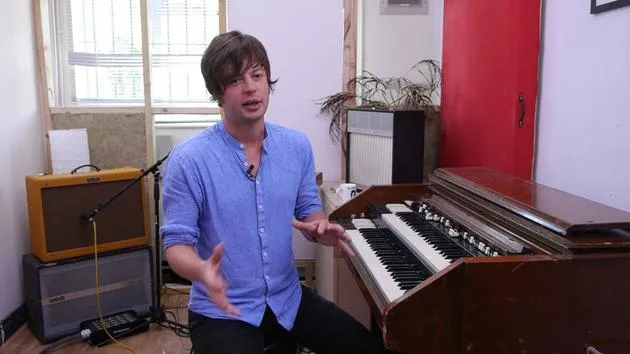
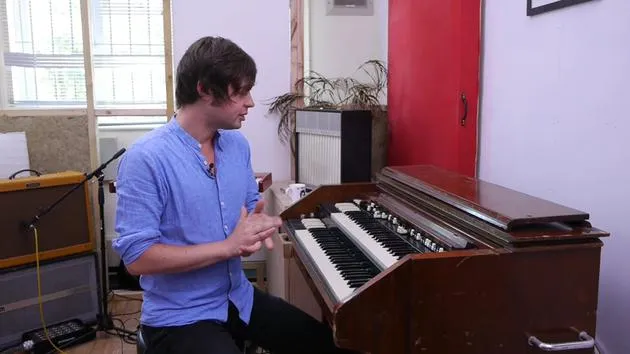
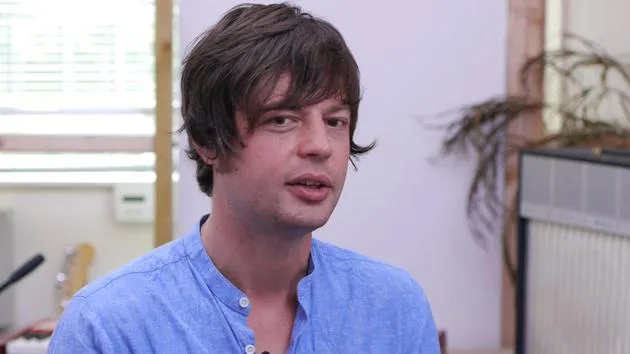
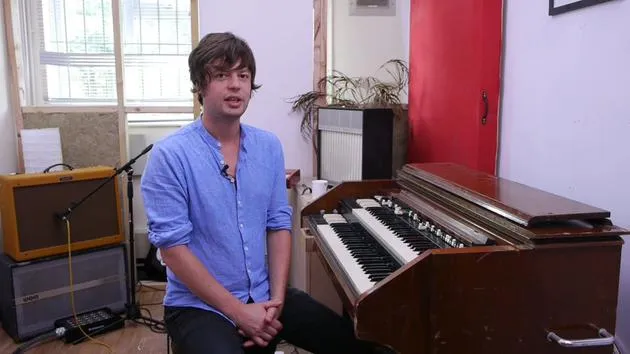
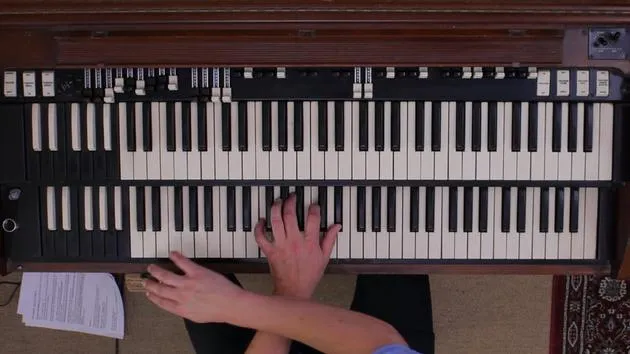
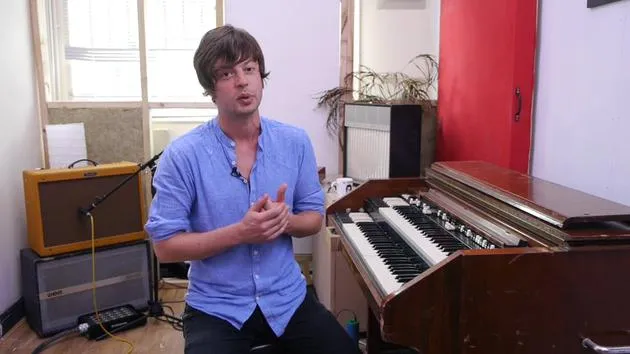
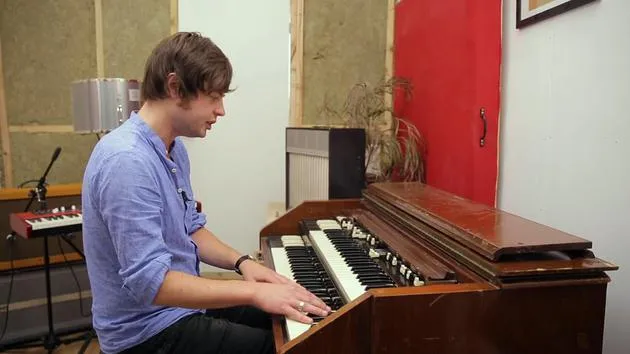
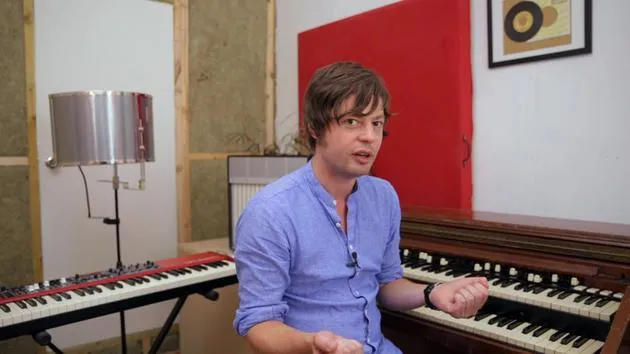
Joe GlossopJoe Glossop explains what sets a good Hammond player apart: understanding how the organ's role in a band differs from piano or keyboards, rather than just transferring what you already know.
What's in the course
24 lessons (2h 18m) · 1 free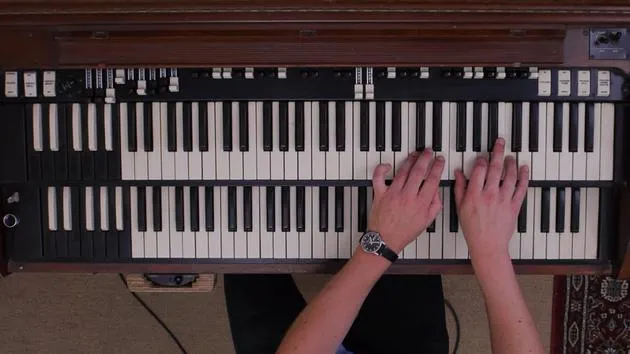
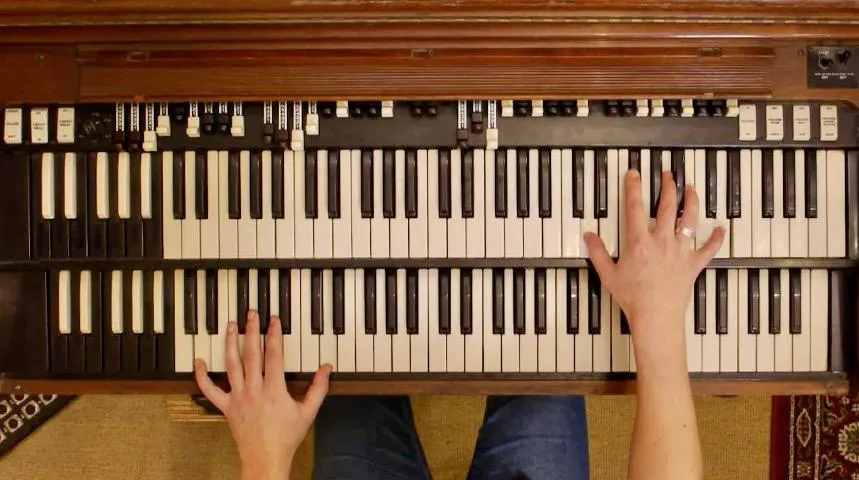
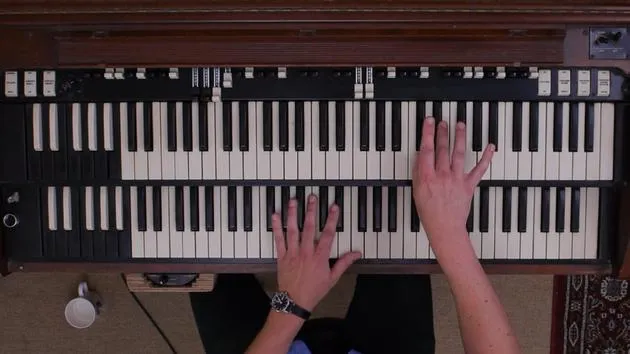
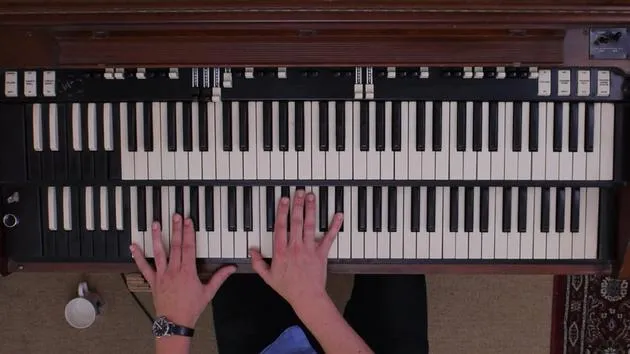
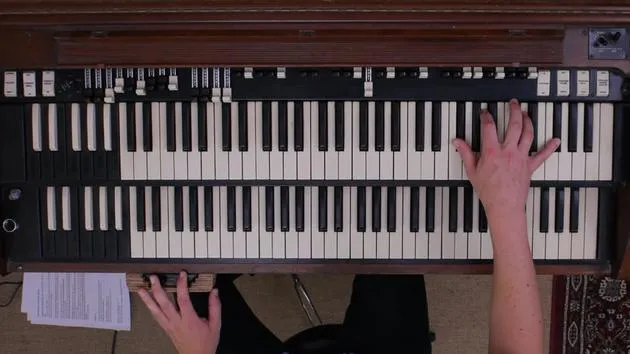
01. The Funk Brothers - How Sweet It Is (performance - keyboard view)
1:42
02. The Funk Brothers - How Sweet It Is
8:51
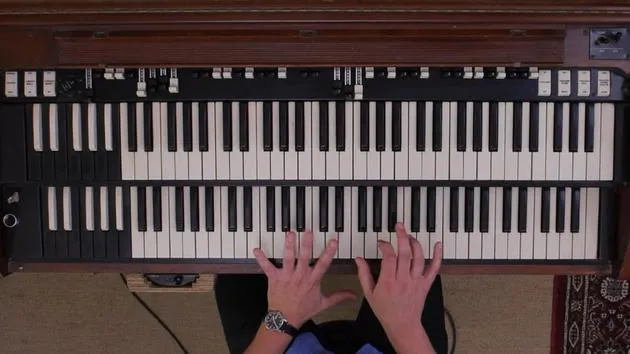
03. Marvin Gaye - What's Going On (performance - keyboard view)
1:54
04. Marvin Gaye - What's Going On
8:49
05. Carole King - You've Got A Friend (performance - keyboard view)
1:51
06. Carole King - You've Got A Friend
8:22
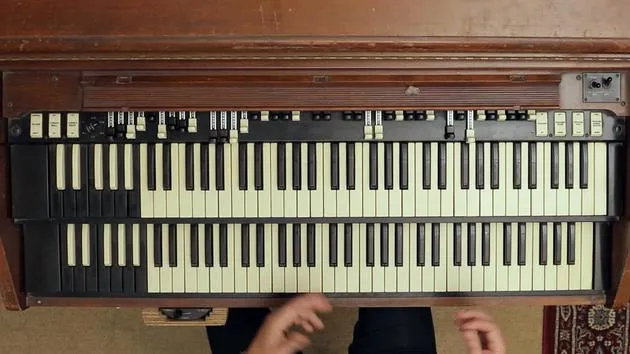
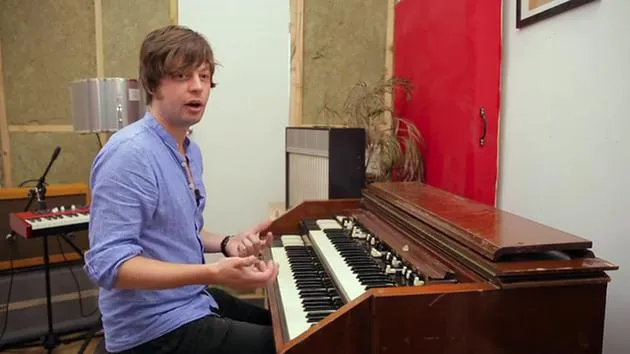
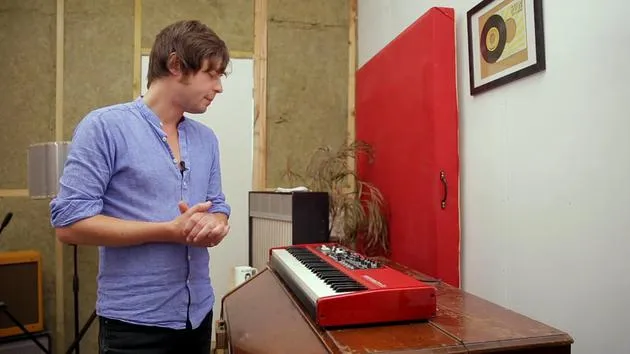
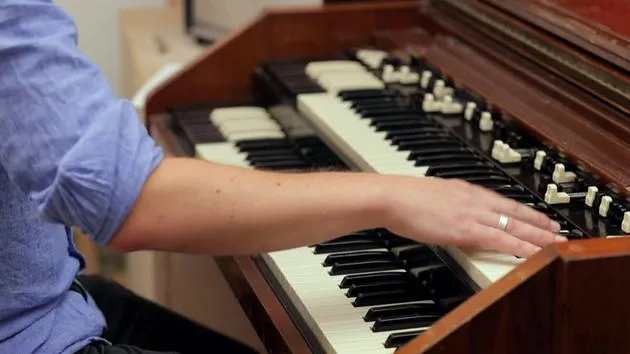
Lesson transcript
Understanding the Role of a Hammond Player
I think what makes a good Hammond player is a fundamental understanding in the difference between keyboard instruments and a Hammond organ.
The Approach Matters
It's the approach, I think, that differentiates your role in an outfit. In any kind of context, your role is usually quite different, and what you can contribute is quite different.
- You can't lift a chorus with a pad on a piano.
- You just can't add the same things.
You've got to take on a different role and understand that role. Rather than trying to recreate what you might already know on a piano or a keyboard, it's that fundamental understanding that is essential.
Who Should Learn the Hammond
Not everyone should learn to play the Hammond organ. People that really love it should. Hopefully, they're going to get the tools to truly understand the instrument, get the best out of it, and approach it in a way that utilizes all the amazing sounds you can get from this thing.
I think people sometimes don't make the most of it when they don't have that fundamental understanding. So hopefully they'll get that.
The Music Selection
All the tunes I've chosen, I chose because I love them.
- I probably have loved them for a long time.
- They're fundamental things that made me want to play, and maybe even want to play full time.
This music is very much from, I would say, the late 50s to the early 70s.
Historical Context
I mean, the Hammond, really, Jimmy Smith is the obvious kind of guy that popularized it in jazz before rock existed, you know, in the mid-50s, along with Bill Doggett and people like that before that.
But, yeah, I think this music very much is from the mid to late 50s until the early 70s sort of thing. And then synthesizers took over more and fell out of popular use.
24 lessons
2h 18m of structured video lessons
Advanced video features
Slow down, loop a passage, follow along
Mobile, tablet & desktop
Practise wherever you are
100% satisfaction guarantee
30-day money-back guarantee
Meet your guru
Meet your guru
Joe Glossop is a keyboard player from Sheffield who has made his name on the Hammond organ. He currently holds the organ chair in Tom Jones's touring band, and has played with Van Morrison and James Hunter, as well as on piano and Rhodes. His courses get the real Hammond sound out of any keyboard - drawbar registration, the Leslie, the walking-bass left hand, and the comping and soloing vocabulary of the soul-jazz, blues and rock organ traditions, from Jimmy Smith to Booker T.