Brother Jack McDuff - Memphis in June (on Nord)

With
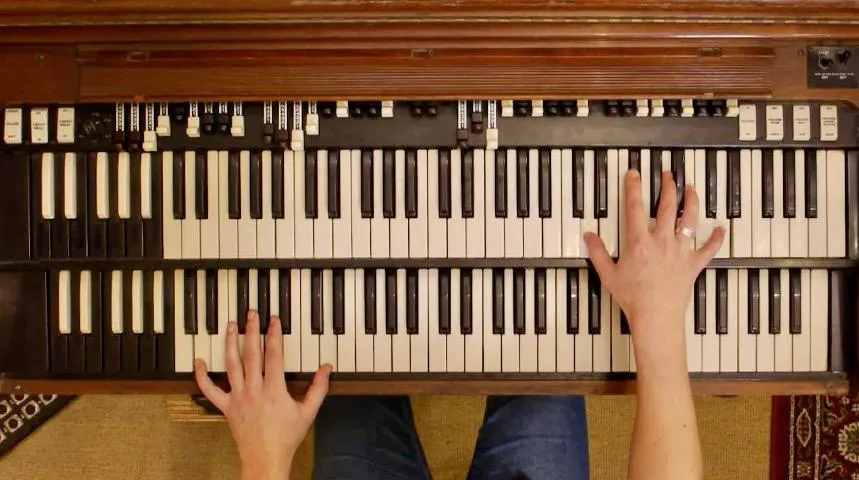
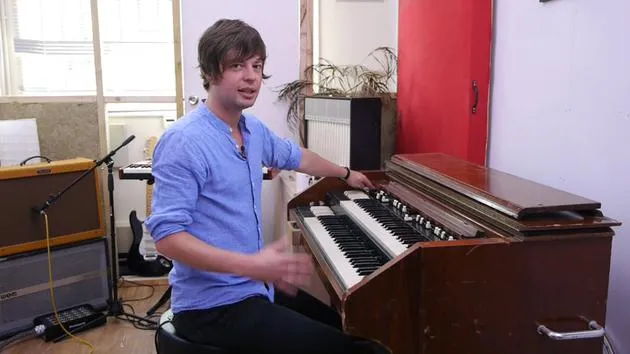
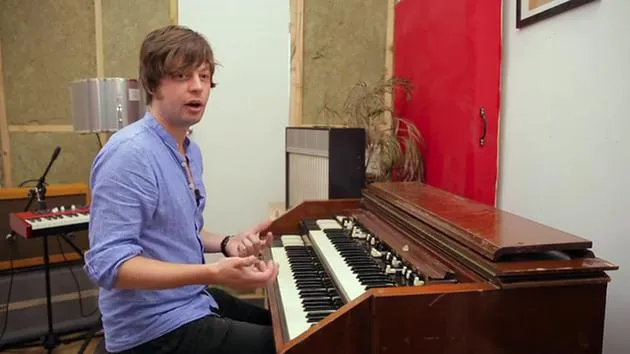
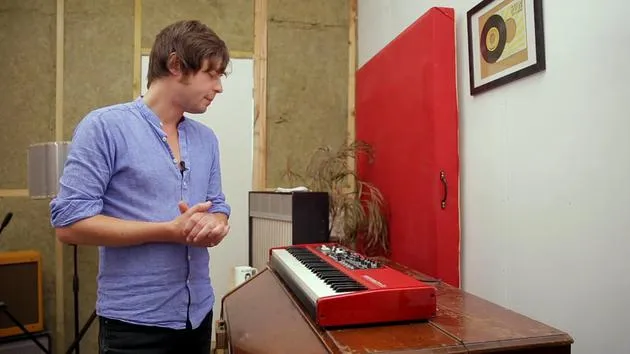
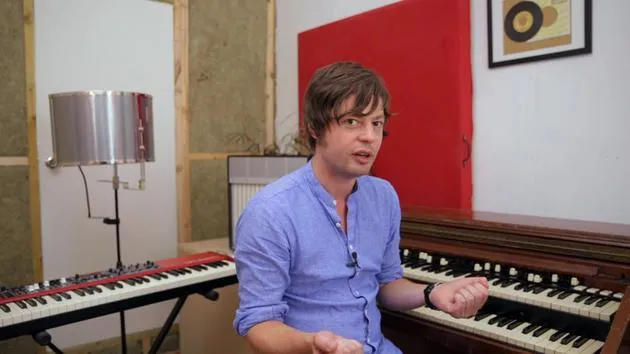
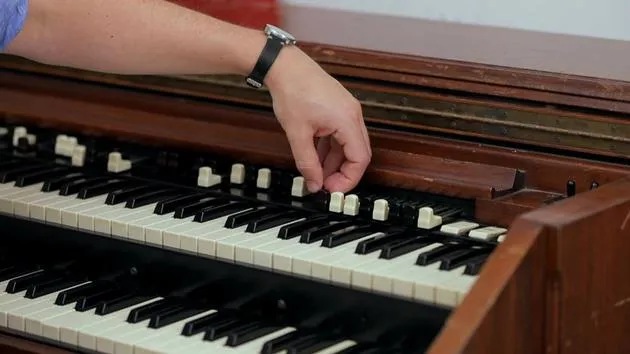
Joe GlossopJoe Glossop recreates Brother Jack McDuff's 'Memphis in June' on the Nord, setting up a keyboard split so you can cover both the melody and the lower drawbar tone.
What's in the course
24 lessons (2h 18m) · 1 free
01. The Funk Brothers - How Sweet It Is (performance - keyboard view)
1:42

02. The Funk Brothers - How Sweet It Is
8:51
03. Marvin Gaye - What's Going On (performance - keyboard view)
1:54
04. Marvin Gaye - What's Going On
8:49
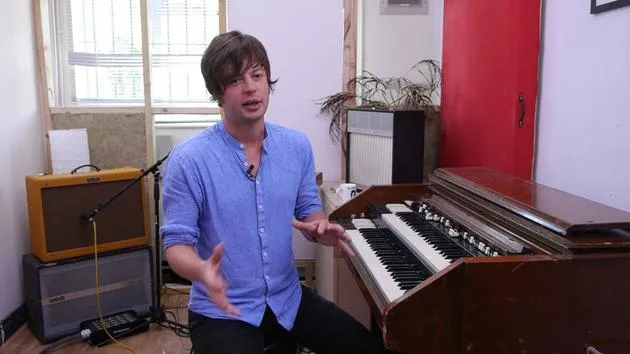
05. Carole King - You've Got A Friend (performance - keyboard view)
1:51
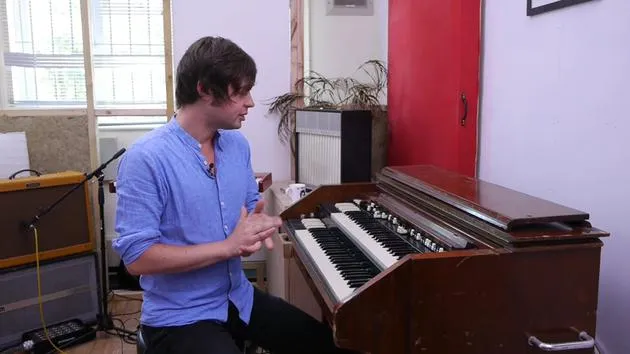
06. Carole King - You've Got A Friend
8:22


Lesson transcript
Exploring Memphis and June on the Nord
Okay, so let's have a little look at Memphis and June on the Nord and see how close we can get there.
Setting the Split
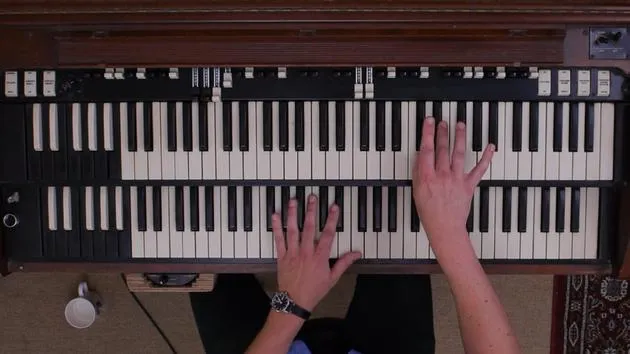
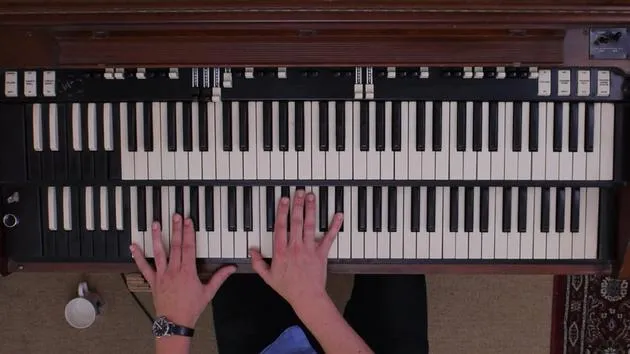
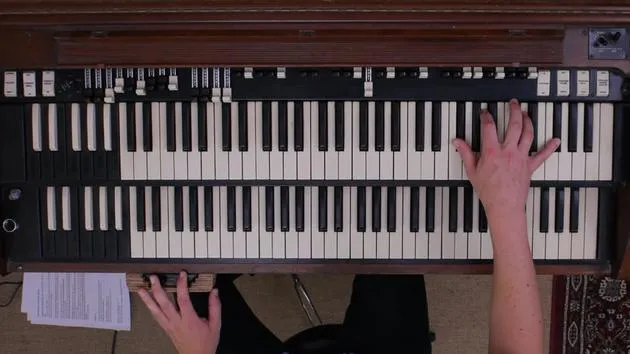
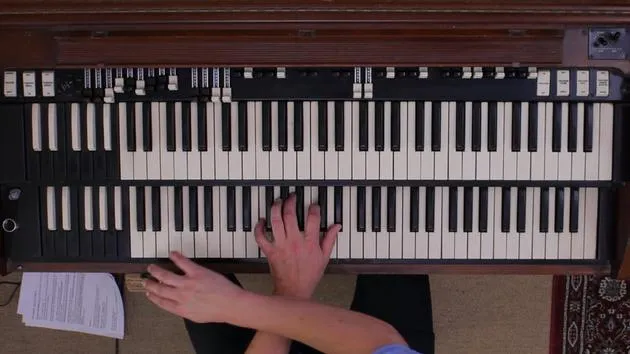
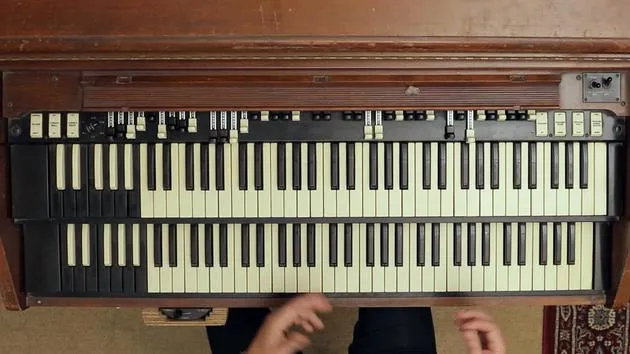
What I've done here is put a split in just here. That's two octaves up from the bottom.
- This means I can actually get before my normal split (which is there if I'm going to do percussive stuff).
- The problem with that is you lose everything before that light.
Melody Considerations
The main melody starts there. If the split was there, then you'd have a couple of octaves higher note where you want your E.
So, I put the split in here and we've got that same bottom manual tone with just 8 and 4 about 2/3 of the way out.
- For most of this, that isn't really a problem.
- See the light just below that C? That's the lowest note we need for the melody.
However, when we get to this point, you've lost your tone for the top.
Trade-Offs
Unfortunately, there's not a lot you can do about that because if you split it any lower, you wouldn't be able to play the chords. You just have to get around that by changing what you're going to play.
Basically, you're going to make those trade-offs when you've got one manual and one set of drawbars.
The B Section
Let's see how far we can get before we need to change anything else.
- If you go to the B section, the same thing applies: that's just a semitone below where the split is.
- Again, you'll have to modify what you're playing.
You'll need to move down to play that on that manual. If you played it there, it's a very different thing: too low and you've got that, which is in a different tone.
Horn Solo Considerations
When you get to the horn solo, what we did on the C3 is use a different tone on the lower manual to comp below the horn solo.
- What you could do is try and use this tone down here and change it on the fly.
- So, you'd have to switch from here to something like that.
However, that's not right, it's really not ideal because you haven't got enough keys.
Alternative Approach
What I would do instead is, on the upper manual, I'd get rid of the percussion and those two fast lazzles.
- I'll do that and use the lower for the percussive side of it.
- Obviously, on the C3, we used the same thing for the percussive theme.
But this doesn't have the multiple key contacts, which makes all the difference there.
It's a little bit too much of the percussive sound, so I have to get rid of that with the Nord.
Managing Live Settings
With the Nord, you've got to do everything on the fly because you can't have things ready and waiting.
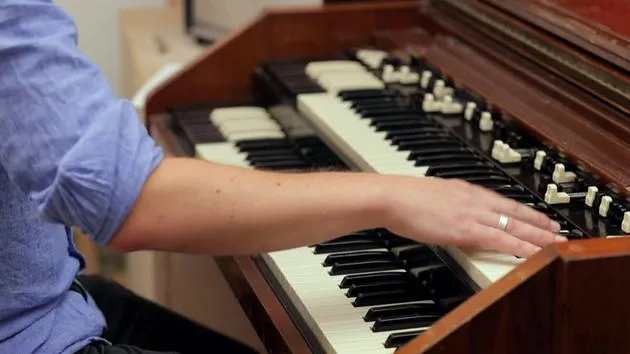
- If you've got two sets of keys and four sets of drawbars, it's all laid out.
- Whereas here, you've got to mess around with knobs and buttons.
I prefer to just do it this way.
- If you're super prepared, it becomes a little bit formulaic.
- But you could lay out all these things in a different setting and just click through them.
That kind of approach feels a little contrived, and you're not really playing then, you're just reproducing.
Final Adjustments
So, I would use the bottom for the percussive stuff there, about that four out, and then switch to the upper manual for your solo.
Here, you've got to be really clever if you want to actually get the tone in time to play so quickly.
- Pull that one out.
- The 8 has to come out along with the 5, the third has to come out, and the percussion has to go on.
If you manage to get that done in time, you could maybe think about altering this to comp underneath in that tone. But the chances are you're not going to have time for that.
Conclusion
It's a lot of switching in a very short space of time, so let's stick to just changing the tone.
So, that's how you get there for the solo. And obviously, at the end of the solo, you're going to have to think and change back into the melody.
All you need to change on the bottom is to pull those out.
- There's a lot to think about in terms of making it as straightforward as it would be normally on a full organ.
- But you can get most of the way there.
This tune is quite a good one to demonstrate because we've got that split and a couple of different tones.
So, yeah, play around with it and find what works best for you. It's all a compromise, but you can get most of the way there!
24 lessons
2h 18m of structured video lessons
Advanced video features
Slow down, loop a passage, follow along
Mobile, tablet & desktop
Practise wherever you are
100% satisfaction guarantee
30-day money-back guarantee
Meet your guru
Meet your guru
Joe Glossop is a keyboard player from Sheffield who has made his name on the Hammond organ. He currently holds the organ chair in Tom Jones's touring band, and has played with Van Morrison and James Hunter, as well as on piano and Rhodes. His courses get the real Hammond sound out of any keyboard - drawbar registration, the Leslie, the walking-bass left hand, and the comping and soloing vocabulary of the soul-jazz, blues and rock organ traditions, from Jimmy Smith to Booker T.