The Funk Brothers - How Sweet It Is

With
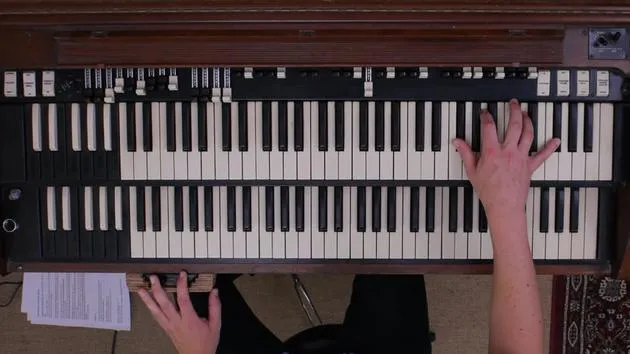
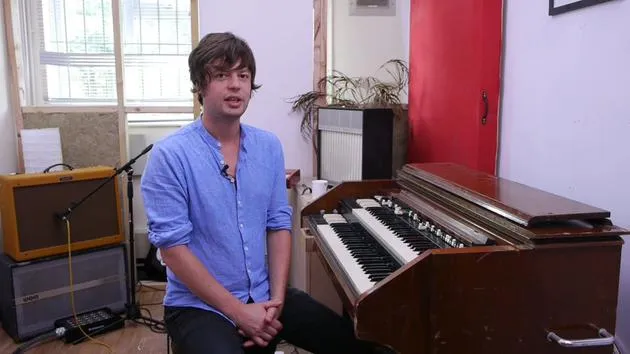
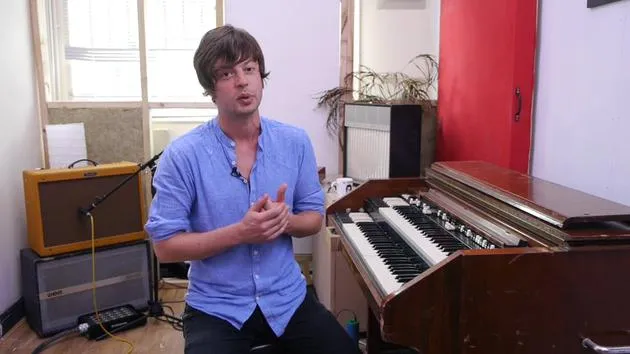
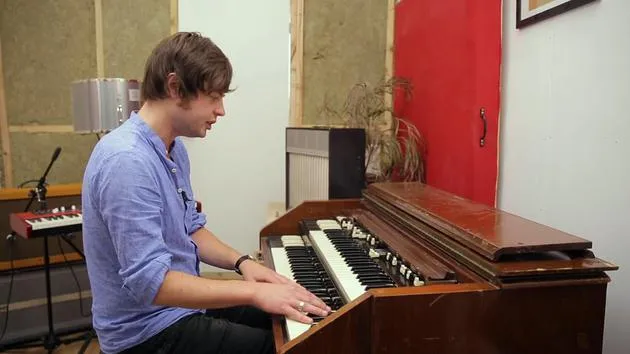
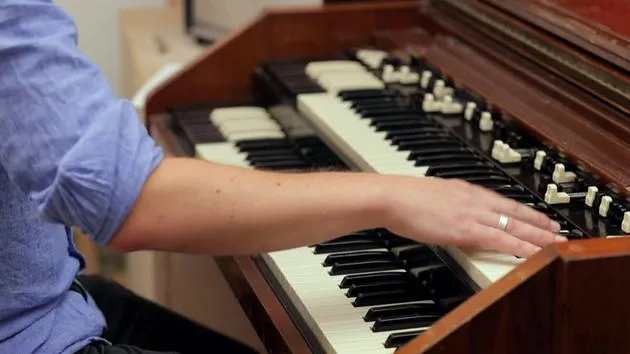
Joe GlossopJoe Glossop digs into the Funk Brothers' 'How Sweet It Is', building a full, two-handed gospel-style melody on the Hammond organ.
What's in the course
24 lessons (2h 18m) · 1 free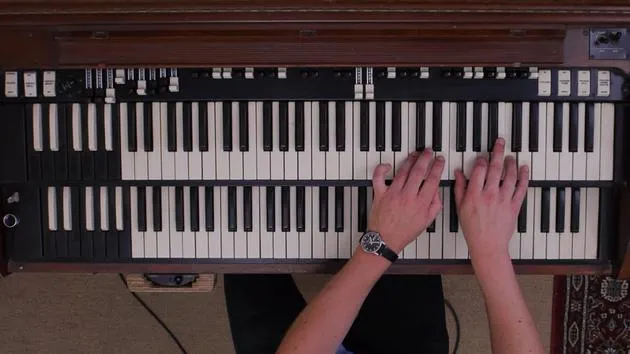
01. The Funk Brothers - How Sweet It Is (performance - keyboard view)
1:42
02. The Funk Brothers - How Sweet It Is
You are here8:51
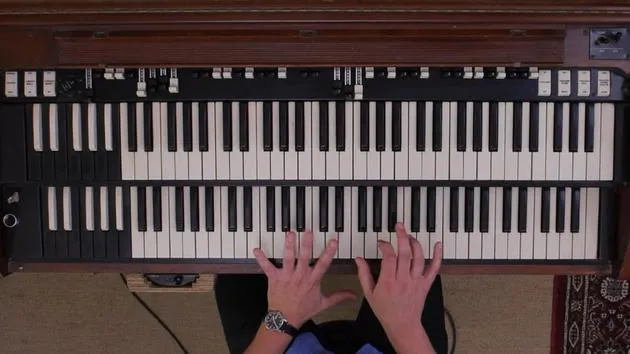
03. Marvin Gaye - What's Going On (performance - keyboard view)
1:54
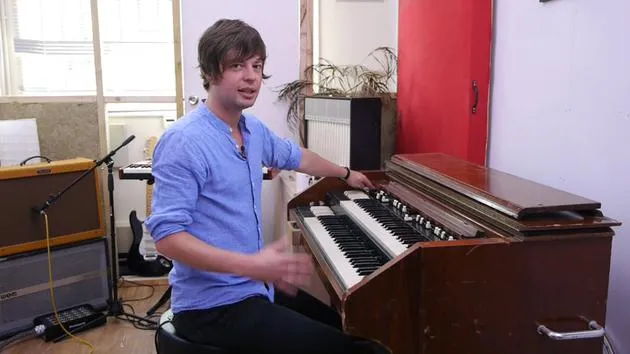
04. Marvin Gaye - What's Going On
8:49
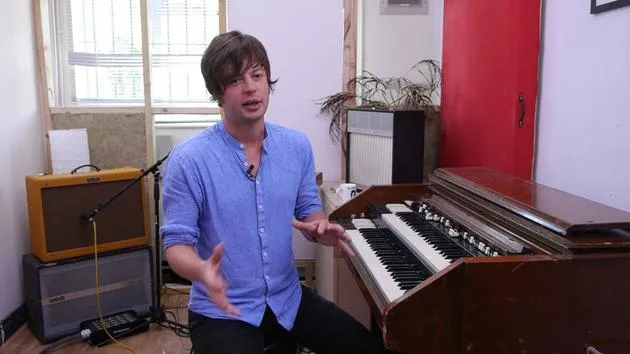
05. Carole King - You've Got A Friend (performance - keyboard view)
1:51
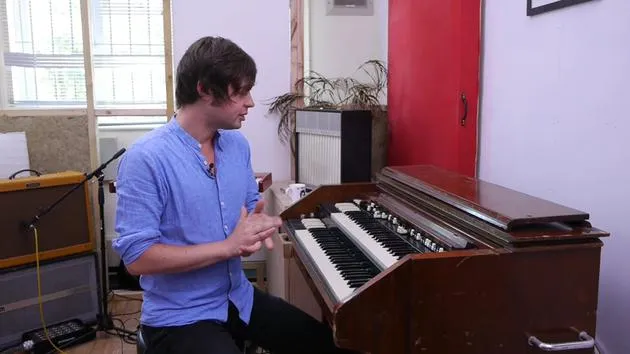
06. Carole King - You've Got A Friend
8:22
Lesson transcript
Overview of the Funk Brothers
So let's have a look at a track by the Funk Brothers. Let me give you a little bit of history:
- The Funk Brothers were the house band at the Motown studio in the 60s.
- They backed everyone on a thousand records that you have heard already: Marvin Gaye, the Supremes, Temptations, and many others.
- A notable member is Earl Van Dyke, who wasn't a very well-known organ player but played on most of that stuff anyway.
They released a record of instrumental versions of the tunes they played on, and we're going to focus on one of those.
Why "How Sweet It Is (To Be Loved By You)"?
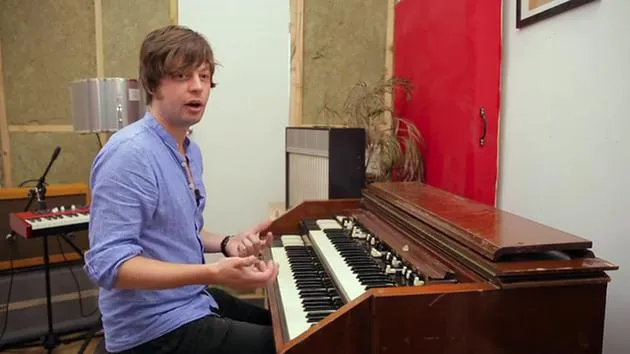
The reason we're focusing on this track is that it features some great two-handed melody style with a very full, chordal, gospel-style melody, which is some of my favorite stuff.
About the Tune
- The tune How Sweet It Is (To Be Loved By You) was done by:
- Junior Walker and the All Stars
- Marvin Gaye
- James Taylor (who did a version later on in the 70s)
You've probably heard it a thousand times. It has a very simple melody, and the way Alvin Dyke approaches it is just very cool. His phrasing is nice; he pulls the time back, giving it that super relaxed feel.
Demonstration
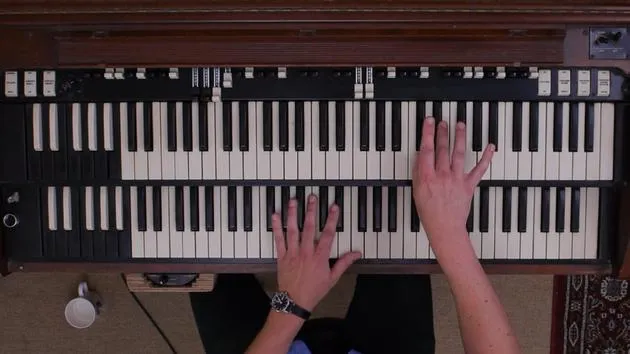
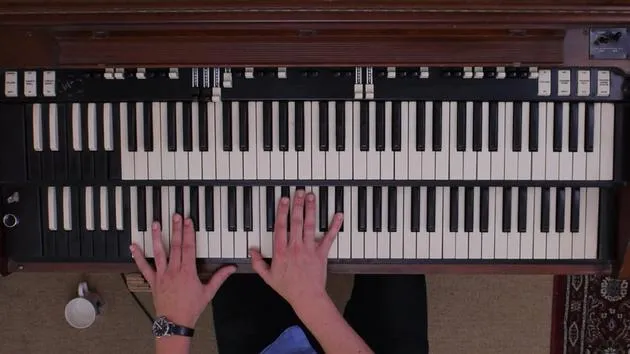
I'll just give you a little chorus of it:
There's a little bit of the chorus of that. I threw in some licks as well because I thought we could look at some things to put in between in a similar vein.
Analyzing the Approach
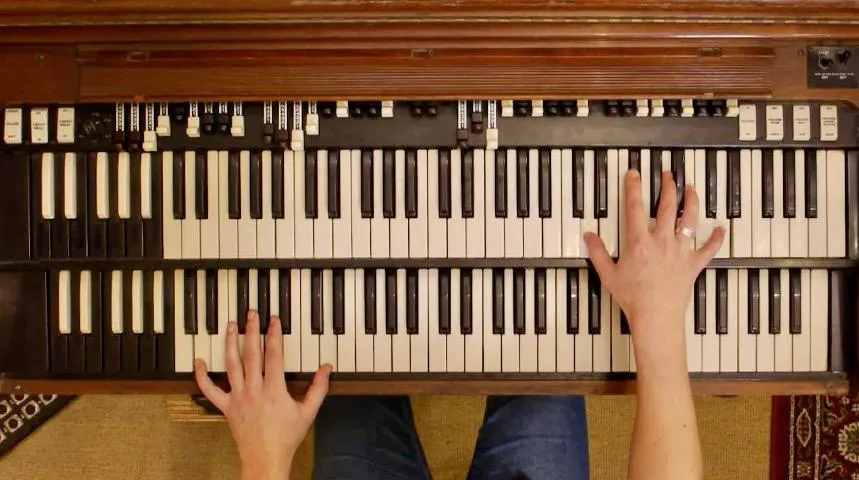
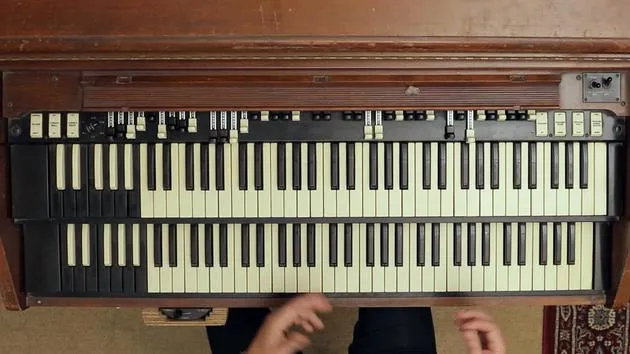
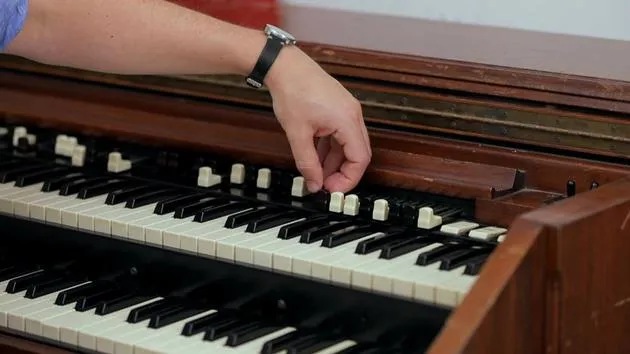
Right, I've got this set of drill bars here with quite a full gospel sound. Plenty of rich mid-range.
Basic Melody Structure
- Key: C
- Progression:
- C
- A minor
- G
- F
- (1, 6, 5, 4)
How to Play with Full Sound:
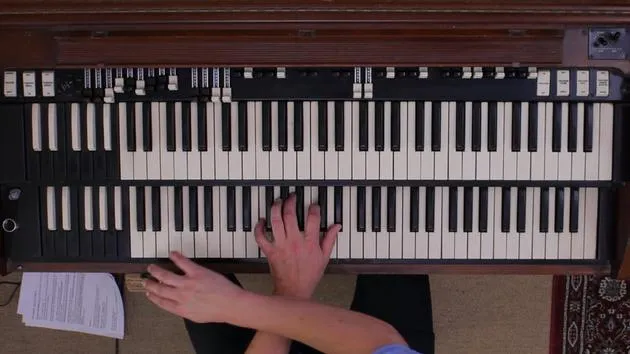
- Start with a big C chord (C major) and in your left hand, roll up from that C to play six (A minor).
- Back to C: This rolling up with your left hand gives you the feel, pulling the time back.
Chord Breakdown
- Big C6 with an E in your left hand (think of this as an A minor 7).
- Progression: C6, D minor.
- Remember, the bass is going to be on the A minor.
A Little More Involved
- Transition: Two Cs and another C, then A minor to C on the F.
- Visualize the bass in your head as you hear this.
Let's do that slowly.
You can fill in and create an F6. He slides up to that note frequently, those licks are very specific to the Hammond.
Slide Technique
- Sliding: It's a straight slide, or you can catch the top with a couple of contacts.
- You'll hear that often and might wonder how they achieve such speed with full chords.
A lot of the time, it's about:
- Sliding up without playing all the keys.
- Using a little bit of in-between.
This phrasing technique feels rich and full, leading us to where we want to go: playing melodies as fully phrased chords.
Check out the Record
Check out that record, the Funk Brothers. It's actually listed online as Earl Van Dyke and the Soul Brothers. It's a compilation of Funk Brothers instrumentals, which is slightly confusing, but it's a very cool track.
24 lessons
2h 18m of structured video lessons
Advanced video features
Slow down, loop a passage, follow along
Mobile, tablet & desktop
Practise wherever you are
100% satisfaction guarantee
30-day money-back guarantee
Meet your guru
Meet your guru
Joe Glossop is a keyboard player from Sheffield who has made his name on the Hammond organ. He currently holds the organ chair in Tom Jones's touring band, and has played with Van Morrison and James Hunter, as well as on piano and Rhodes. His courses get the real Hammond sound out of any keyboard - drawbar registration, the Leslie, the walking-bass left hand, and the comping and soloing vocabulary of the soul-jazz, blues and rock organ traditions, from Jimmy Smith to Booker T.