Brother Jack McDuff - No Tears

With
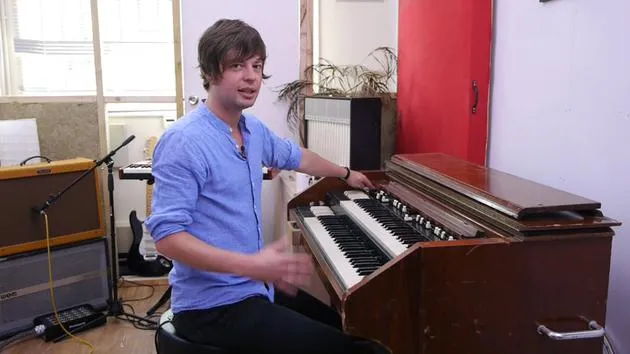
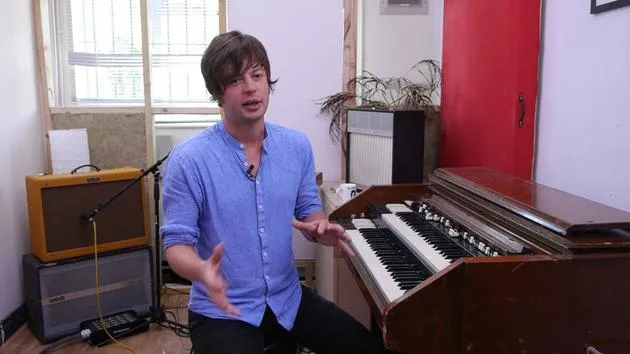
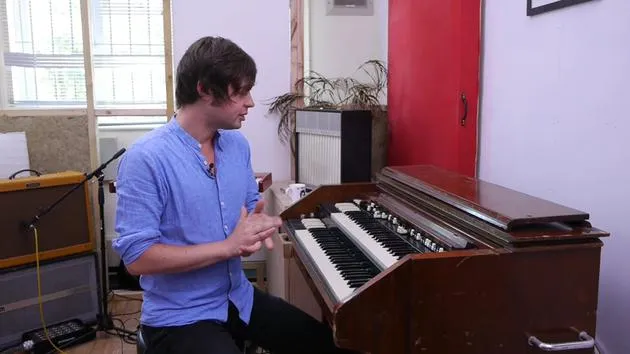
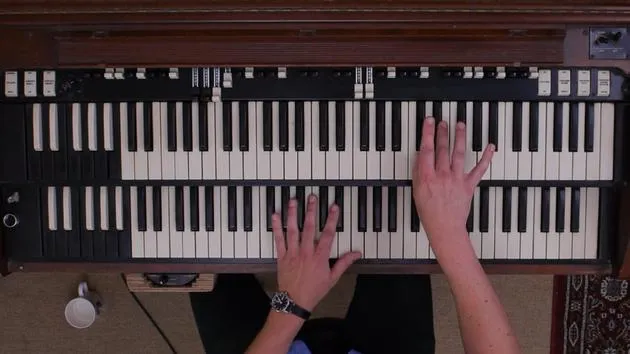
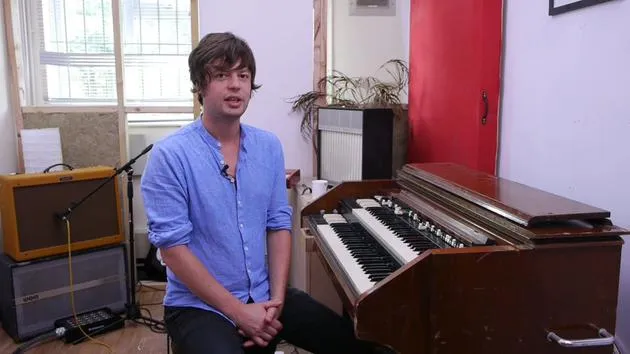
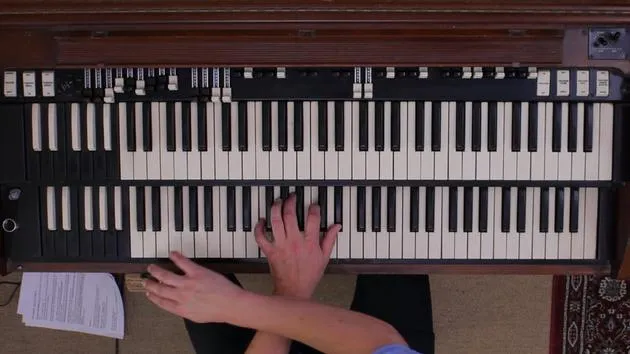
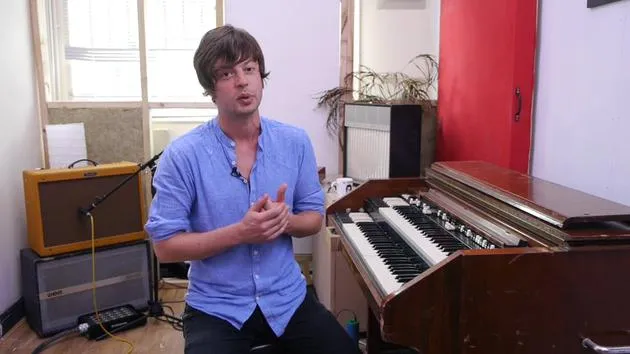
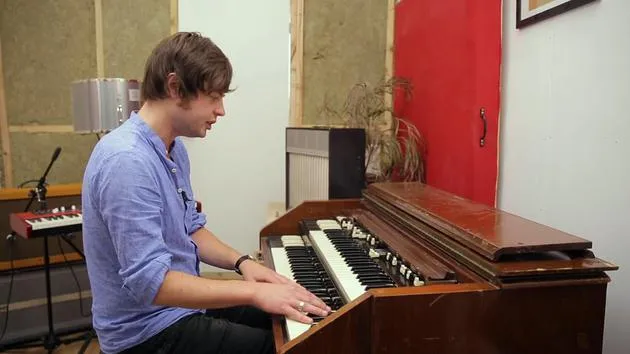
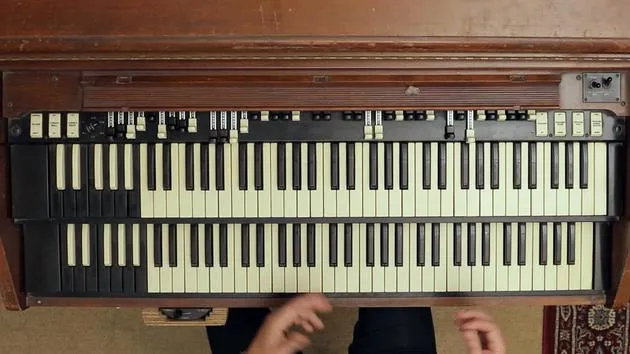
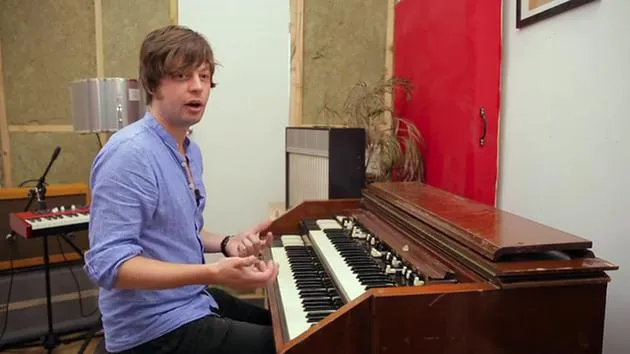
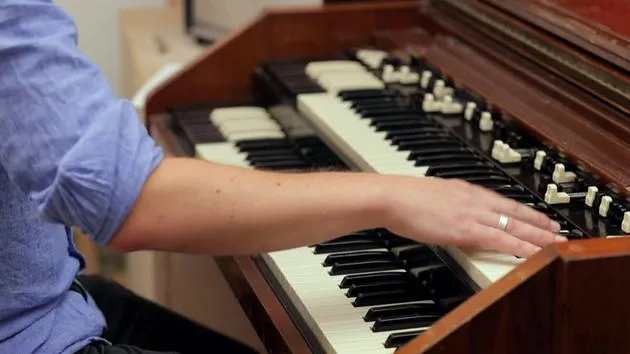
Joe GlossopJoe Glossop breaks down Brother Jack McDuff's 'No Tears', looking at the use of 6ths and 9ths, the stop technique and Leslie tone.
What's in the course
24 lessons (2h 18m) · 1 free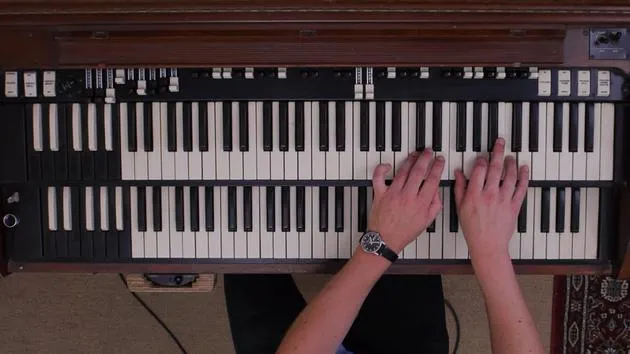
01. The Funk Brothers - How Sweet It Is (performance - keyboard view)
1:42
02. The Funk Brothers - How Sweet It Is
8:51
03. Marvin Gaye - What's Going On (performance - keyboard view)
1:54
04. Marvin Gaye - What's Going On
8:49
05. Carole King - You've Got A Friend (performance - keyboard view)
1:51
06. Carole King - You've Got A Friend
8:22

Lesson transcript
Music Lesson: Exploring Blues Techniques
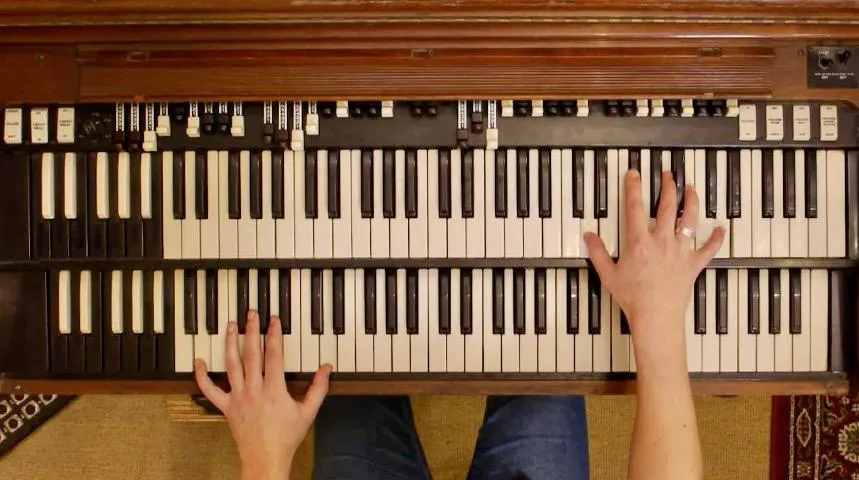
So that's the tune up until the end of the midsection. There's lots of beautiful little kind of nines in there.
Key Techniques
- Use of 6 and 9: He uses the 6 and the 9 all the time to great effect.
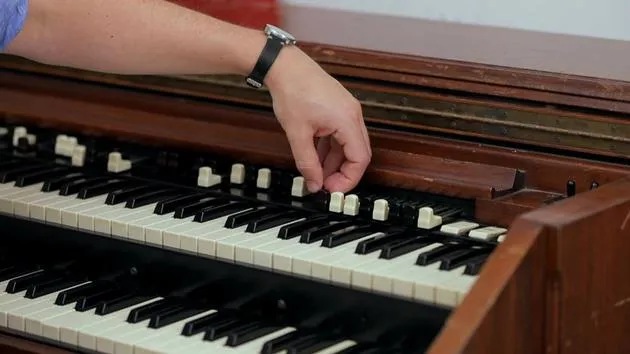
- Stop Technique: He's using stop most of the time. The Leslie motors on aren't running, which creates a nice, direct kind of tone.
- Vibrato and Leslie: He's using vibrato, but Leslie on stop.
Bass Motor
- The bass motor is still slowing down there.
Intro Licks
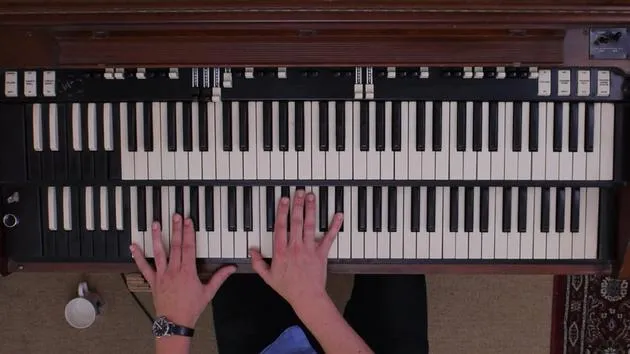
- So there's a little intro with blues licks and your shot 5 and 5.
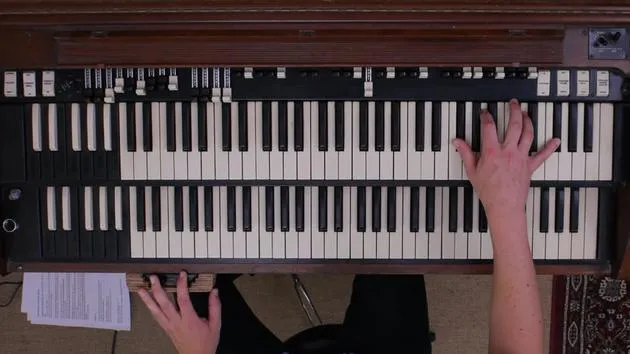
- He's playing that as a 13, then that as an augment, so that's a 9 with the rope underneath it. If you've got reasonably big hands, you should be able to reach that; it's just one more, just a tone more than an octave.
Main Theme
Then the main theme comes in, and this is really, really beautiful.
Chord Progression
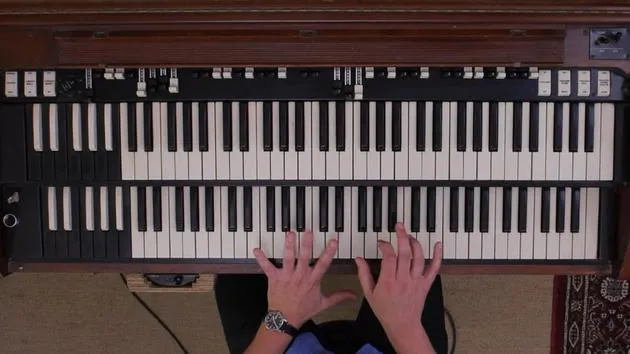
- You've got your G, A flat: root, minor third.
- So you go up to your F minor and you're playing the nine.
- Then your G augmented.
Blues Licks
There's lots of these licks that are great in the minor blues. Then this really kind of slightly mysterious sort of lick comes off the B, we're kind of unsure of itself, you know?
- Then on the F, playing a 13.
- He's using that 13 there, that same lick again.
Phrasing
- Just root and minor third, but slipping up to it, all in that phrasing, really.
Personal Favorite Lick
This lick here is my favorite. I think I use this all the time in a kind of minor in A minor blues sort of context.
- So you're on the G there.
- It's kind of taking the blues one step further, really.
- So you've got a G augmented, but we're playing the major seven as well.
Chord Components
- You got minor, third, major seven, B6.
- It kind of just takes it to somewhere else, you know, back to nine.
Breaking Rules
This is really kind of for blues, kind of quite outside the box, you know. He's landing on that major six and then the nine. He's breaking all kinds of rules, and it's cool.
Midsection Discussion
Then A flat into the midsection. You can tell that Jack's basically a blues player.
- On these changes, he kind of sticks to very much the notes that are in the chord or a bit of blues.
- I sort of come from the same school, really, and he kind of makes use of what he's got.
Chord Changes
- He's played using the major seven there.
- The chords to the middle eight are a bit unexpected: B minor seven, A augmented.
- He really nice, just kind of goes up that arpeggio, landing on that minor third.
Major Thirds
- You got a major third down here.
- D major: E flat, minor 9, A flat 13.
- Then you go 2, 5 back into C.
Leslie Technique Variation
Then flip the leslie, same line, an octave up, fast Leslie, same lick higher up.
- It's very cool that when he flicks the Leslie, the whole thing really takes off.
- Lots of that later on in the song.
Blues Trills
- Blues trills, very simple blues trills he does towards the end.
- Often, the simple stuff is most effective.
Final Thoughts
He's played some quite clever lines and stuff in there, and then you save those kind of moments. You know, the payoff is the simple blues stuff. Jimmy Smith knew that as well.
So the tune kind of just takes off from there with some blues licks. The main bit I wanted to put across was the fact that you can really play those low lines with that percussion and have that attack. It can be very effective and less obvious than what you often hear.
Recommendation
So check out the album: A Change is Gonna Come by Jack McDuff, and that's on there.
Track Highlight: No Tears.
24 lessons
2h 18m of structured video lessons
Advanced video features
Slow down, loop a passage, follow along
Mobile, tablet & desktop
Practise wherever you are
100% satisfaction guarantee
30-day money-back guarantee
Meet your guru
Meet your guru
Joe Glossop is a keyboard player from Sheffield who has made his name on the Hammond organ. He currently holds the organ chair in Tom Jones's touring band, and has played with Van Morrison and James Hunter, as well as on piano and Rhodes. His courses get the real Hammond sound out of any keyboard - drawbar registration, the Leslie, the walking-bass left hand, and the comping and soloing vocabulary of the soul-jazz, blues and rock organ traditions, from Jimmy Smith to Booker T.