There Will Never Be Another You (analysis)

With
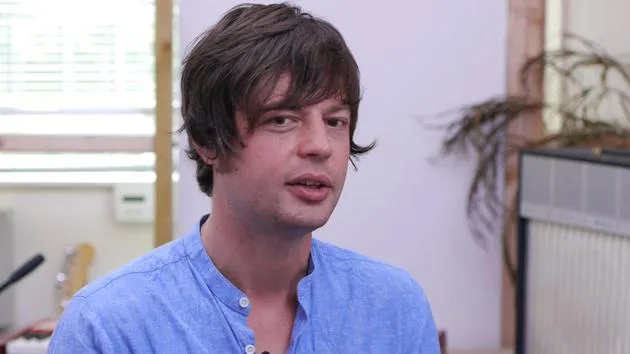
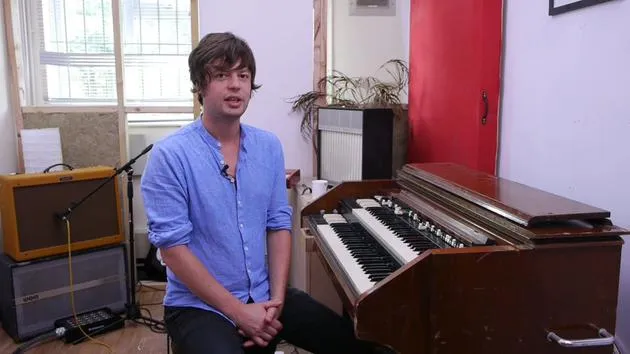
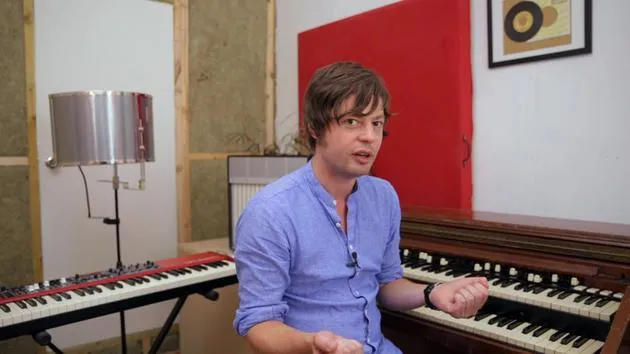
Joe GlossopJoe Glossop analyses There Will Never Be Another You in A flat major, walking through the left-hand melody, bluesy trills and the passing chords that colour the changes.
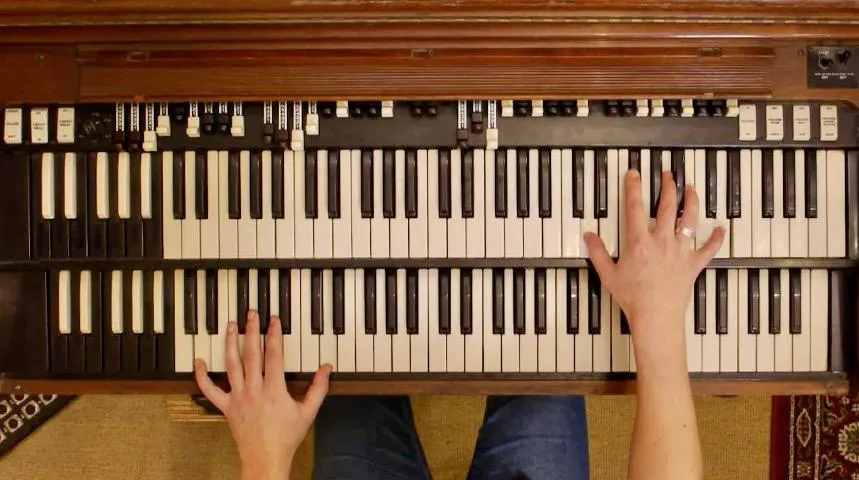
What's in the course
24 lessons (2h 18m) · 1 free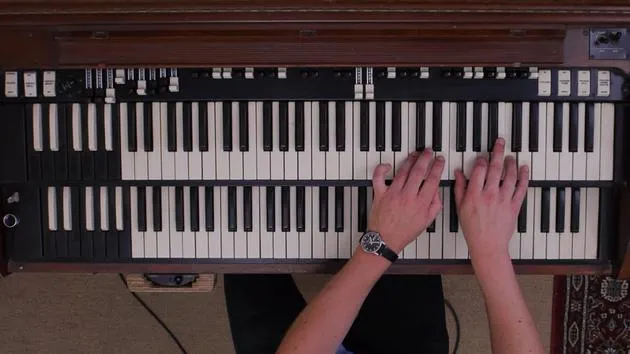
01. The Funk Brothers - How Sweet It Is (performance - keyboard view)
1:42
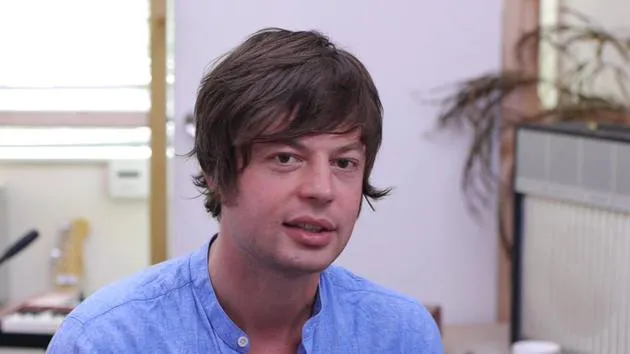
02. The Funk Brothers - How Sweet It Is
8:51
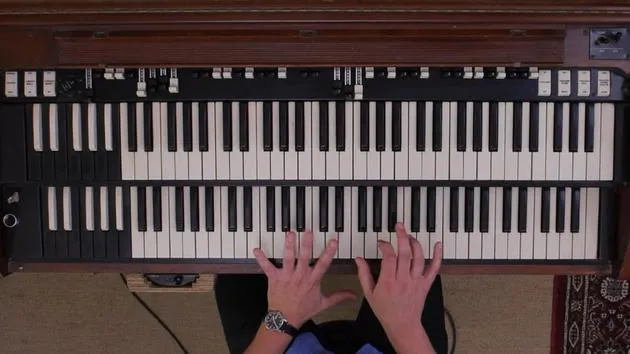
03. Marvin Gaye - What's Going On (performance - keyboard view)
1:54
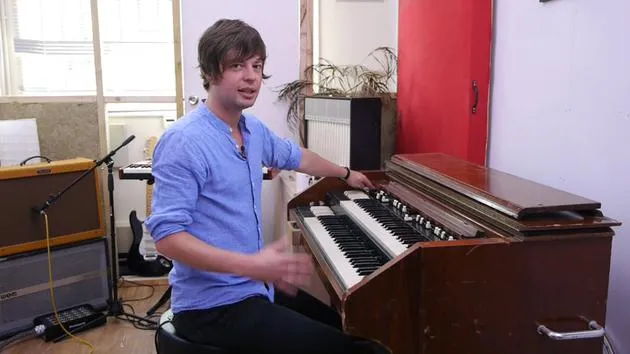
04. Marvin Gaye - What's Going On
8:49
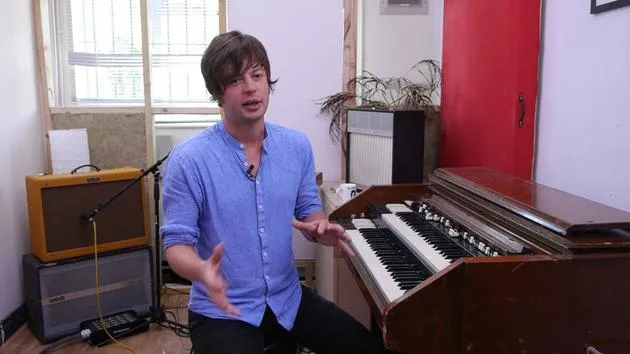
05. Carole King - You've Got A Friend (performance - keyboard view)
1:51
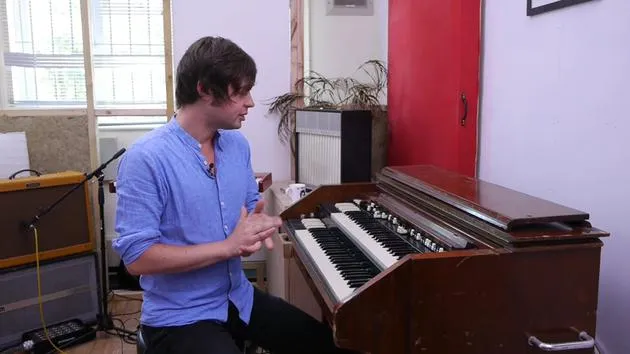
06. Carole King - You've Got A Friend
8:22
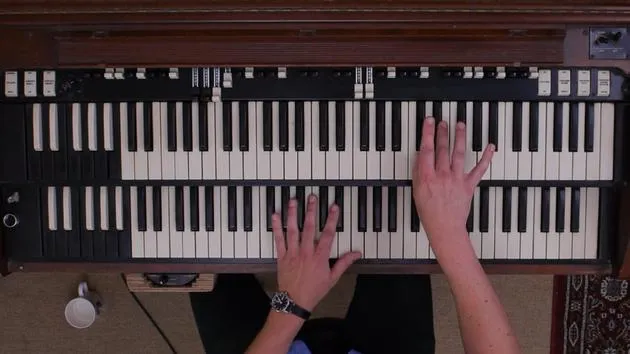


Lesson transcript
Music Lesson: Exploring A Flat Major
Introduction
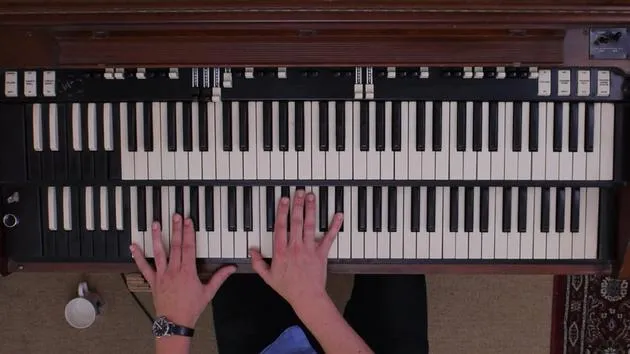
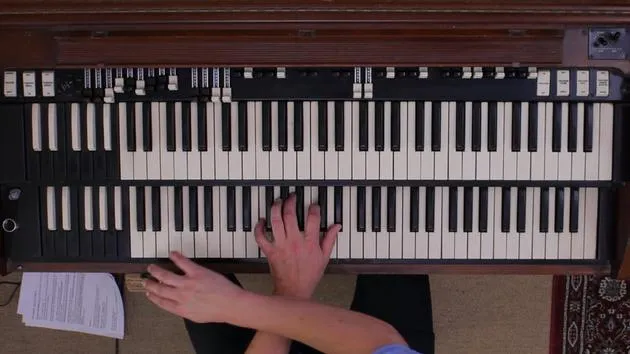
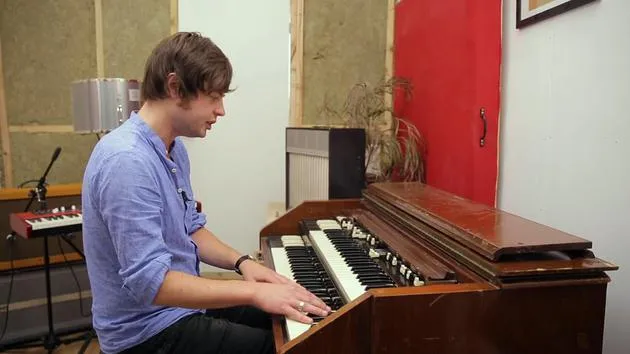
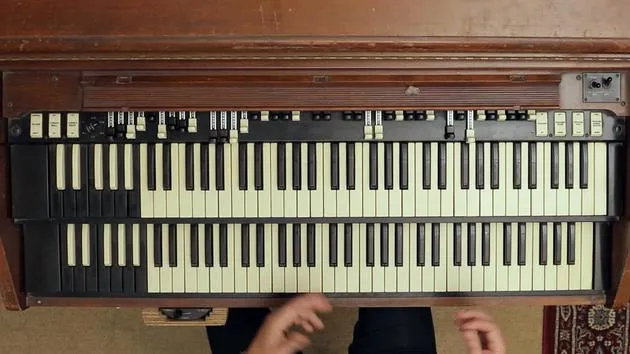
So that's a couple of rounds of the verse and a couple of rounds of solo. Firstly, let's have a look at that left hand with the melody involved as well. We're in the key of A flat major. To anyone that's not used to playing A flat, that's just the key of the original.
Rhythm and Approach
I didn't see rhythm to change it, so it's a kind of bouncy approach to carry the rhythm. Obviously, if we were in a band, there'd also be a rhythm section involved, but we're kind of bouncing it along. We want to get involved in the rhythm.
Key Characteristics
- Key: A Flat Major
- Tonally: We're aiming for a happy major sound.
- Starting Point: You're starting on the major third with the left hand.
Stylistic Elements
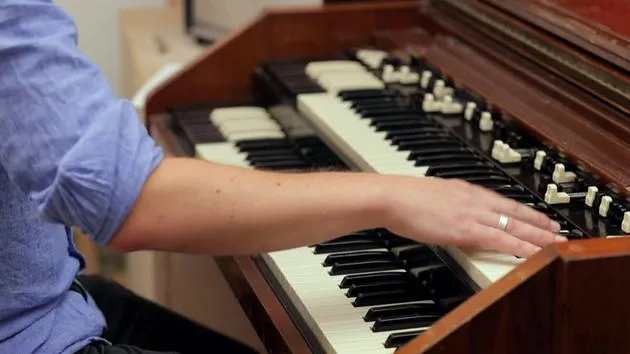
- Trills: I'm using the sixth in the left hand. This is not part of the melody; it's a little trill that you might use in a blues or jazz context.
- Chord Progressions: As we go down to the G minor 7, I'm bouncing on the A flat here. On the record, there are some very cool passing chords that get you to the minor. That's the main crux of where we're going from the one; you're passing through several places that give it color along the way.
Chord Breakdown
- G minor 7
- C7 (with a C7 sharp nine)
- Remember, that's your three chord in A flat.
Reinforcing Changes
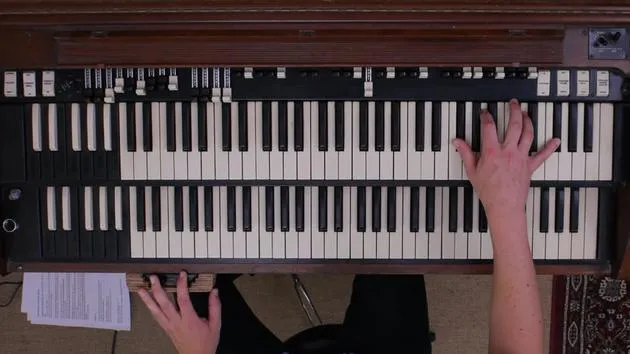
- As you're coming away from the melody, reinforce the change with your right hand down the bottom.
- Next Section: Now we're on the sixth. Go back up to the top and use the slightly bouncy left hand again for the little walk down.
Walking Down
- You're walking down grammatically from an F minor.
- F minor semitone down, another semitone down.
- Next Chord: E flat minor 7. Now we're going to the four, but we're passing the one again.
Gospel Influences
- Over the three, it's a nice gospel change with A flat seven over the third in the bass.
- A personal favorite: that's a kind of Ray Charles change.
Chord Play
- You've got a C augmented there (C7, but with the sharp 5 or flat 6, depending on your perspective).
Playing Slowly
- I'll play that section slowly: E flat minor, A flat. Go on to that one there and bring that hand down again, the same as we did.
Manual Interaction
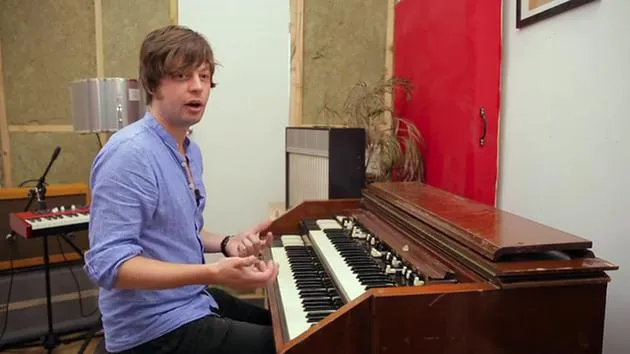
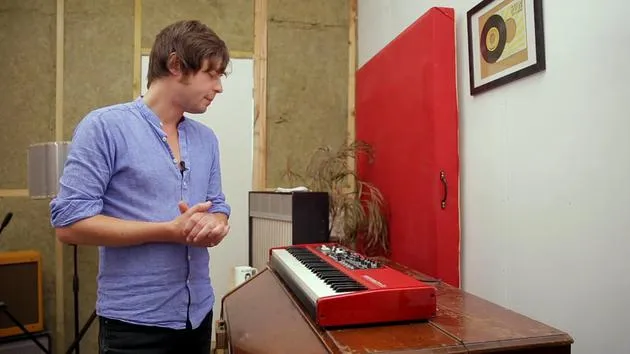
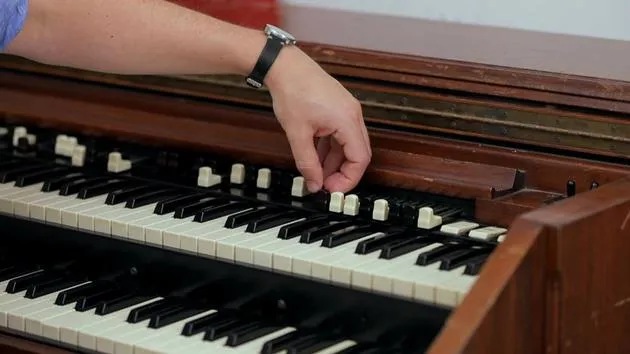
- That movement between manuals and tones is very different from the piano here, as each approach has a different purpose.
- From there, a little slip down.
Transitioning Chords
- We come off there on that D flat major 7. Play that quite crushed together, one on the major seven in together.
- You might even slip up to that.
- Now you're on the melody.
Chord Reference
- I don't actually play the chord again whilst the chord was where the melody is; we just initiated it. The ear knows where you are now, hopefully.
- You've gone down to the seven chord there: the F sharp, played as a 13.
Progressing to the Two
- All we've got to do is get to the two. Use a nice diminished there: that's an A diminished lead, using a B flat minor nicely.
Improvisation Techniques
- Melody on that again, very much a major context. Think about it in terms of perhaps an F blues scale. If you come from a blues or soul background, those kind of pentatonics are so important.
Arriving at the Five
- We've landed on the five. I've come off the sharp five, so three, three, five on one, then sharp five on the five, leaning back into the one, sharp five.
Returning to the Top
- This leads you back to the top. Put in a nice little Ray Charles type lick here. You might get Jack McDuff doing a lot of things like that with a nice slip off the five onto the sharp five, ending on the major third.
Final Touches
- If you play it straight, it's not very cool; it sounds a bit fairground.
- It's all about how you play these notes, not just the fact that you're playing them.
Second Round Variation
- One round of the tune is covered. The only difference in the second round is towards the end, there's a B7 in there.
- For the second round, I quite like to play the 5 chord as an 11.
Voicing Techniques
- If you spread that on the piano, think Carol King type voicing of it down here.
- Keep that bouncy rhythm in mind to avoid becoming too toppy and thick.
Conclusion
Use the 11 shape: you've got your root there and on top, you're just playing like a C sharp shape with E flat. That concludes today's lesson!
24 lessons
2h 18m of structured video lessons
Advanced video features
Slow down, loop a passage, follow along
Mobile, tablet & desktop
Practise wherever you are
100% satisfaction guarantee
30-day money-back guarantee
Meet your guru
Meet your guru
Joe Glossop is a keyboard player from Sheffield who has made his name on the Hammond organ. He currently holds the organ chair in Tom Jones's touring band, and has played with Van Morrison and James Hunter, as well as on piano and Rhodes. His courses get the real Hammond sound out of any keyboard - drawbar registration, the Leslie, the walking-bass left hand, and the comping and soloing vocabulary of the soul-jazz, blues and rock organ traditions, from Jimmy Smith to Booker T.