Brother Jack McDuff - Memphis in June (Analysis)

With
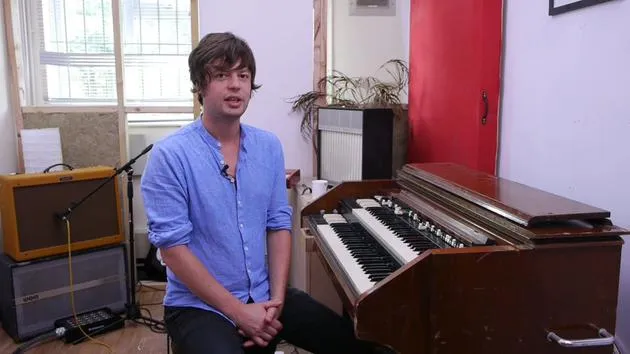
Joe GlossopJoe Glossop analyses Brother Jack McDuff's "Memphis in June," covering the drawbar settings and classic Jimmy Smith tone behind the melody on Hammond organ.
What's in the course
24 lessons (2h 18m) · 1 free
01. The Funk Brothers - How Sweet It Is (performance - keyboard view)
1:42
02. The Funk Brothers - How Sweet It Is
8:51
03. Marvin Gaye - What's Going On (performance - keyboard view)
1:54
04. Marvin Gaye - What's Going On
8:49
05. Carole King - You've Got A Friend (performance - keyboard view)
1:51
06. Carole King - You've Got A Friend
8:22

Lesson transcript
Music Lesson: Exploring the Tune
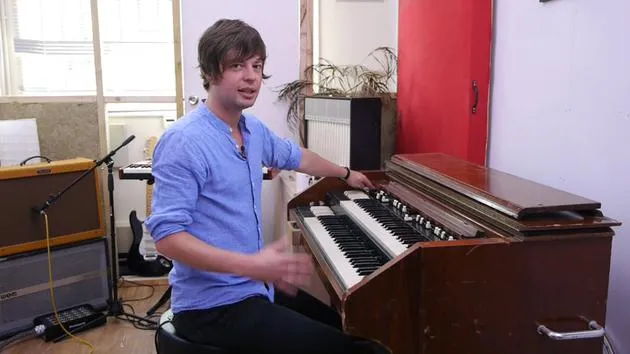
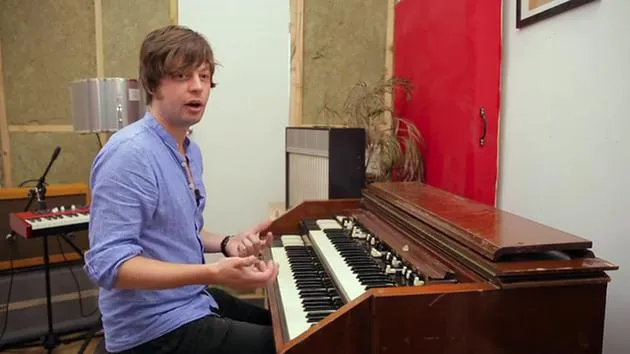
Introduction to the Tune So there's the tune. Some really nice, sort of lovely restrained melodic playing that Jack does on this. It's kind of your classic jazz tone, your sort of Jimmy Smith tone, as it were.
Settings for the Melody
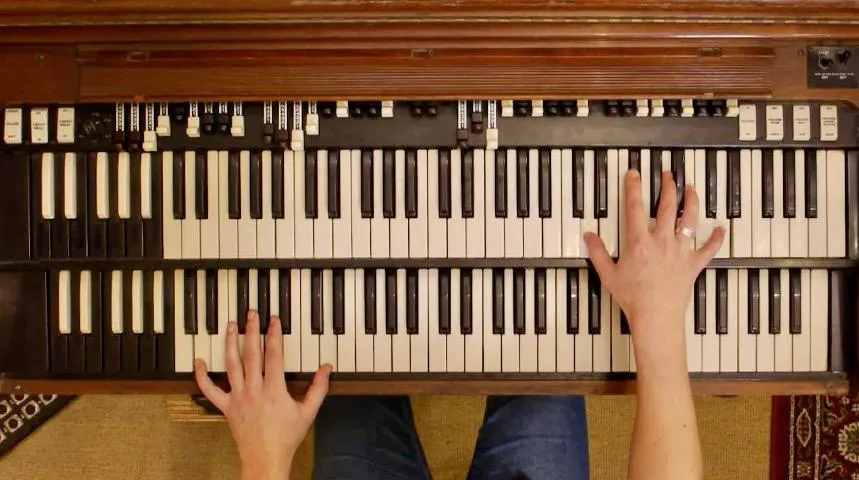
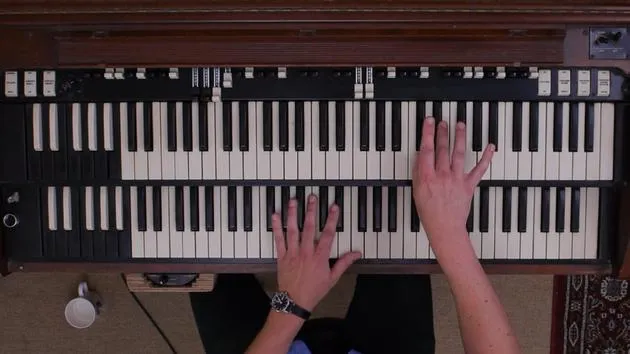
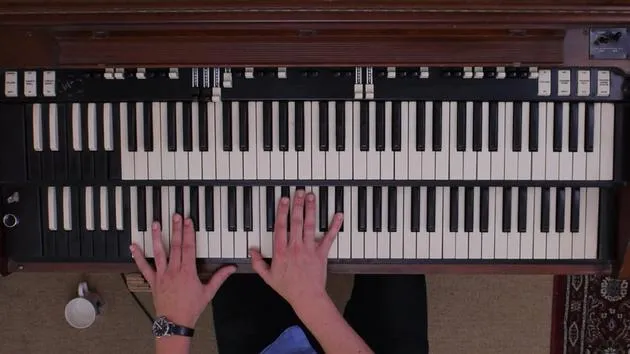
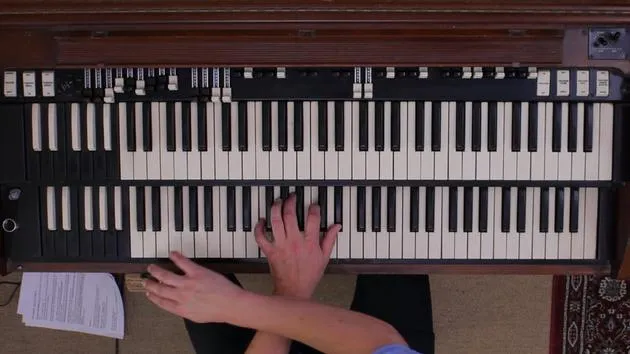
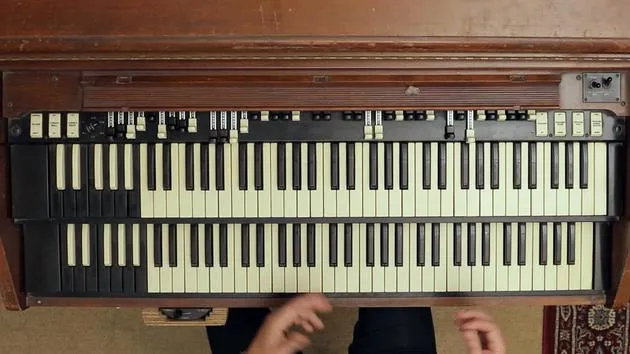
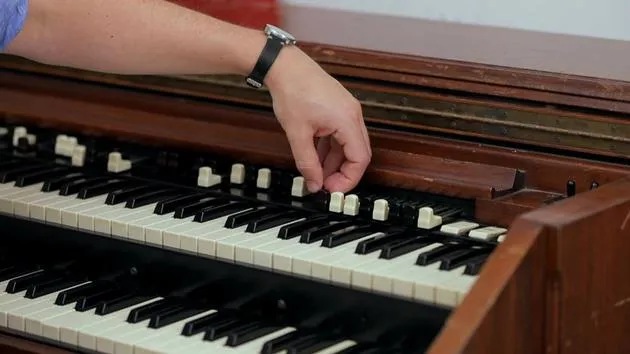
- We're using this set of drawbars for the main melody.
- All three out all the way.
- Fourth one about halfway (depending on the sound of your organ, which will all be different).
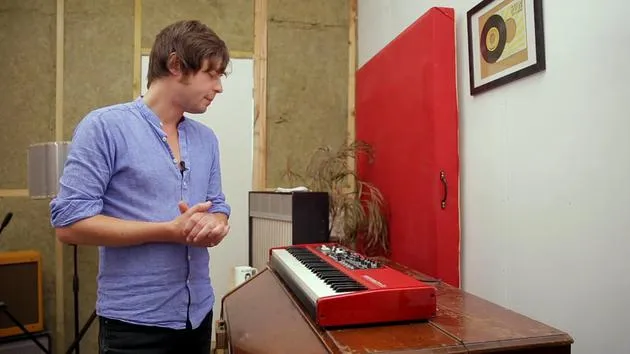
- Your Leslie or whatever keyboard you might be using.
Tone Settings
- I'm not using the vibrato on this.
- I've got:
- Third percussion
- Harmonic on soft
- Fast decay
Chords Underneath the Melody
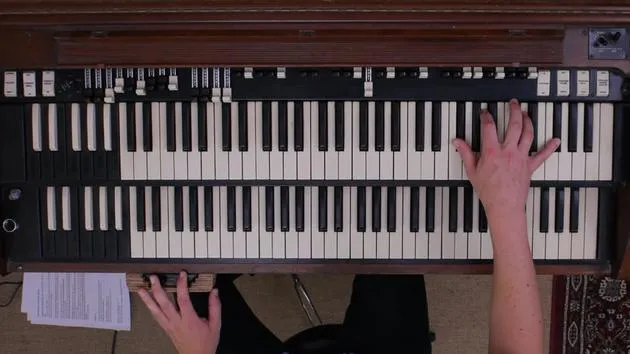
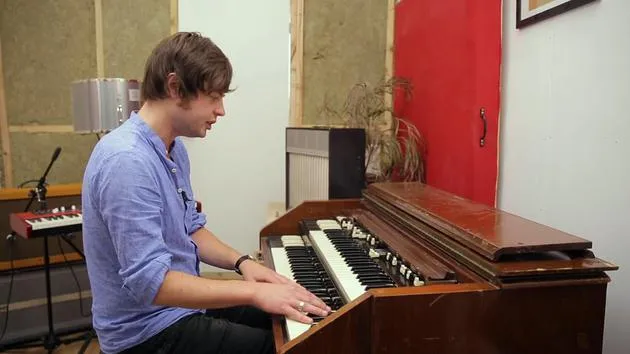
- Bottom manual for the chords underneath the melody (pretty common, pretty standard sort of tone).
- Set to about six: just the eight and the four.
- This creates a really nice, subtle, hollow kind of tone.
The Intro That's the main bulk of it, but we'll start with the intro, which kind of stands alone as a tone. There isn't really the rest of the song; he doesn't really use it again. It's almost like a kind of horn line or something.
-
Chords:
- B flat chord
- Nine and also flat five (kind of an altered chord, really).
- The reason for it is he keeps the E at the top of this melody all the way through the intro.
- B flat chord
-
Progression:
- Drops down from that altered B flat to:
- A9
- A flat
- G13 (with E staying at the top the whole time).
- Drops down from that altered B flat to:
I'm putting the bass in just to fill that out. It wouldn't really be there on the track. Leslie fast on that.
Switching to the Verse Then there's quite a fast bit of switching when you get to the verse, so at the end of that intro:
- You got to get from this set of drawbars for the intro to the main theme, which is over here.
- Switch from B flat to B.
This is where the sort of Hammondy kind of switching comes in, because you wouldn't really be doing this on piano or any other keyboard instrument, really.
- Leslie Settings:
- Fast to slow
- Switch there, then into the chords to back.
Melodic Movement
- Progression:
- C major 7 moving up to D minor 7.
- D minor 7 brings us back to C (so that's all white notes).
- G augmented (some of them).
I'm giving it a little just to give it a sense of moving along. If you're playing on your own rather than with a rhythm section, you might just want to give it the odd little thing to make it feel like there's some motion.
- Now, I've got a G11 there, playing just like an F major shape on top of it.
Second Section In the second section, we're going to E minor, E minor, and B7 is the main change there.
- Progression:
- B (one of those which is a flat 10 or a sharp 9).
- Moving down to the flat 9 (that's a B chord), which leads you nicely from the 5 to the E.
So that's E and B. Then we go to:
-
G
-
A7
-
C7 (that B again)
-
Nice little melody from the nine.
-
Progression:
- A minor 7
- D minor 7
Then I'm just going back to the one via C13. Drop down to that if you like, from the B flat to the A flat.
This is the end of the form:
- C7
- F6
- Then a minor
- Then that nice 11 again.
You'll be able to get many charts for the actual form and the chords of this. What I really want to put across is the kind of way that he phrases it and the way that he uses the instrument.
Phrasing and Style The main melody there, I like to pull it back and make it feel kind of laid-back. Remember:
- Phrasing:
- Pulling back the phrasing rather than rushing it at all.
- It's very lazy and kind of languid ? late night, as it were.
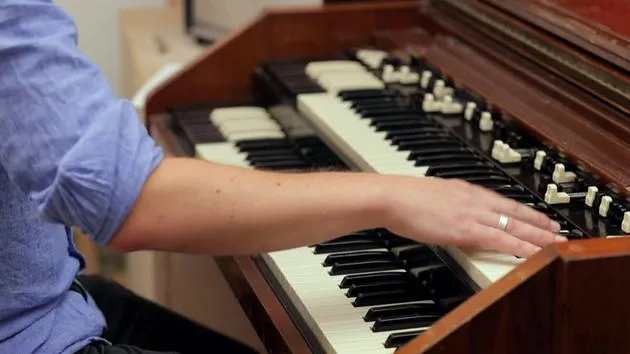
I'm trying to sit very much on the backbeat, and it's as if this hand's trying to slow that one down almost.
Horn Solo Transition So then we get to the horn solo, and what I'm going to do is change from this set on the bottom to comp with this set.
- As you can see, we've got eight and so 16 and eight, 16.
- I've got most of the way out, eight all the way out.
Again, this will depend on your organ, the bass, and the treble. It kind of comes in with a big sound.
- We're going to do some of the percussive stuff that we've done before.
- You're just trying to kind of get that top one in without hitting the whole, without taking the key all the way down.
Works better on the bottom manual because you can hit the wood rather than the keys.
Gospel Influences I did a nice little gesture there. That's more of a gospel kind of Billy Preston type thing. I thought I'd throw that in there because he's one of my favorite players, and whenever I can get a Billy thing in, I will.
- You might want to use a 13 there and a flat 13 there, which is underneath the horn solo.
You're punctuating underneath there and adding a bit of momentum without doing anything that gets too much in the region that they're going to be playing in.
Returning to the Hammond Solo So then we get to the actual Hammond solo, which is short but sweet.
- What you got to do is come back from that, this set to that set.
At the end of that thing, we'll be on quickly. Switch back and it starts on a really nice phrase here, it's really sweet stuff.
- He uses the major third there and the 4, 6, and 5 (very major).
- On that augmented coming off the flat 6 or the sharp 5, using the major seven there.
You could put the vibrato one for this section if you wanted.
Conclusion Back to the B section. Throw a bit of that in at the end here, quite nice. Switch back to that intro sound; that's what I did.
- Gained it on a nice major nine there.
So that's the tune. We covered some really nice restrained kind of melodic playing.
You've got your backing underneath it and your comping in a different tone on the bottom manual with some percussive stuff.
And this tone that happens for the intro, which is a full, more gospel sound. Use it on the end as well. Hope you love the tune!
24 lessons
2h 18m of structured video lessons
Advanced video features
Slow down, loop a passage, follow along
Mobile, tablet & desktop
Practise wherever you are
100% satisfaction guarantee
30-day money-back guarantee
Meet your guru
Meet your guru
Joe Glossop is a keyboard player from Sheffield who has made his name on the Hammond organ. He currently holds the organ chair in Tom Jones's touring band, and has played with Van Morrison and James Hunter, as well as on piano and Rhodes. His courses get the real Hammond sound out of any keyboard - drawbar registration, the Leslie, the walking-bass left hand, and the comping and soloing vocabulary of the soul-jazz, blues and rock organ traditions, from Jimmy Smith to Booker T.