



Effets audio

Avec
Madeleine BloomMadeleine Bloom fait le tour des effets audio intégrés d'Ableton Live, en montrant où les trouver et comment les ajouter aux pistes audio, MIDI, de retour et master.
Le contenu du cours
36 leçons (5h 28min) · 1 gratuites
Transcription de la leçon
Overview of Audio Effects
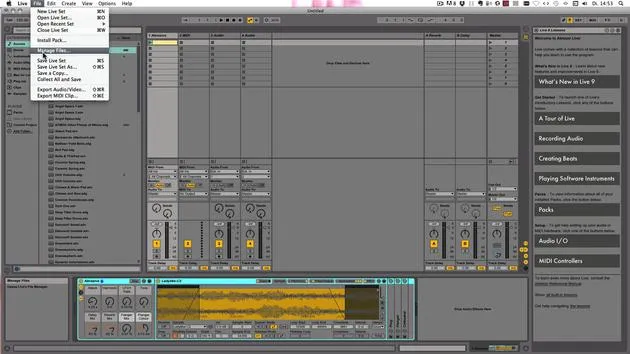
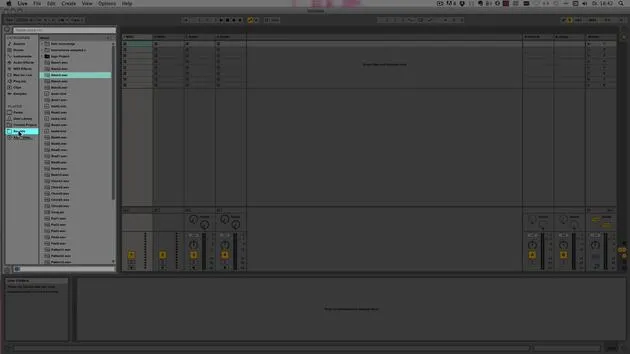
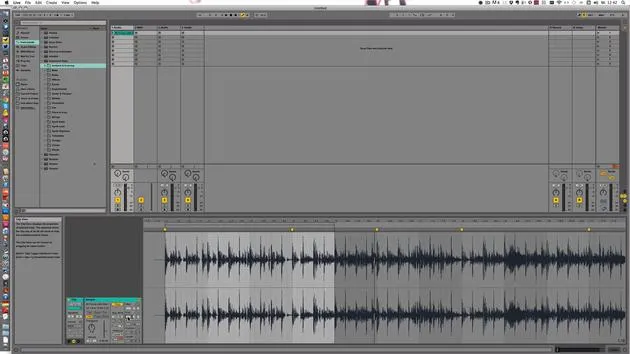
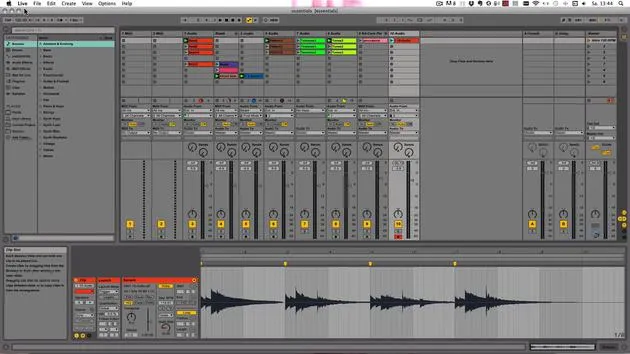
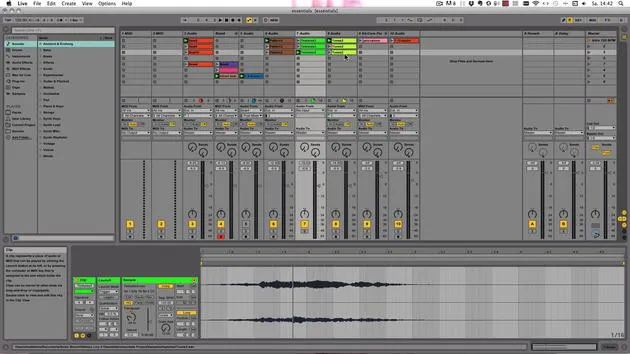
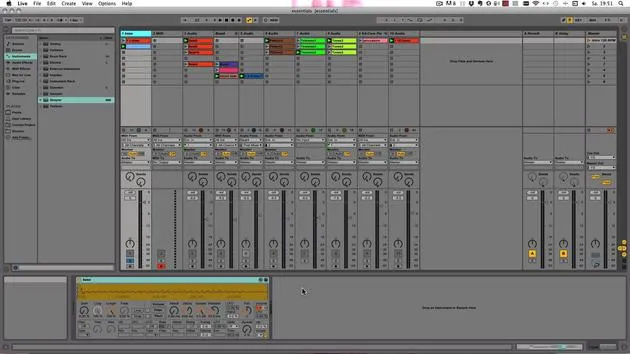
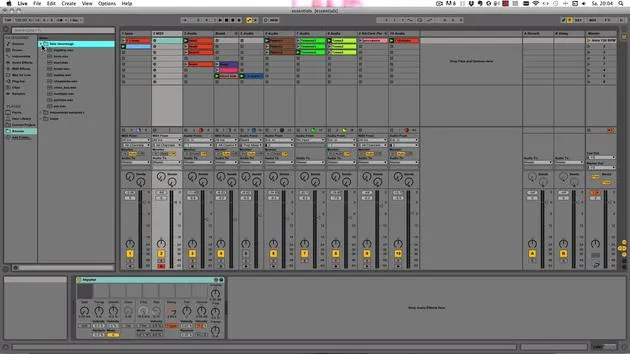
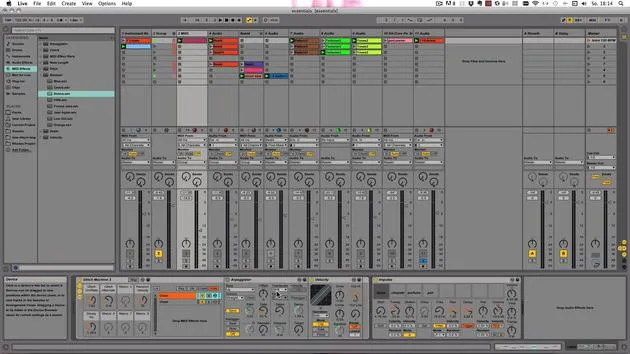
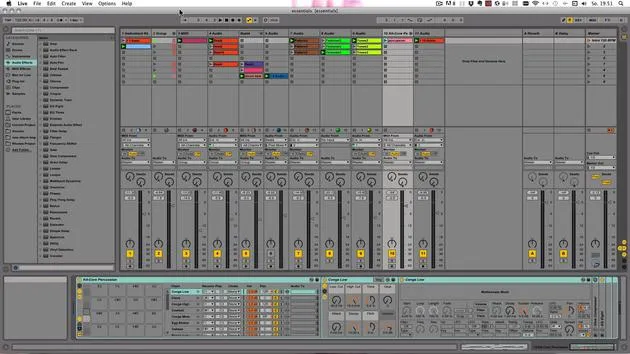
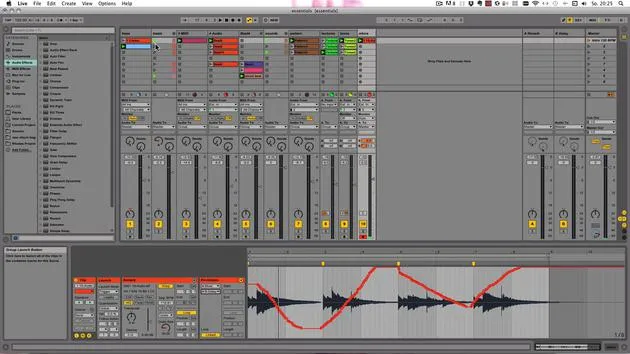
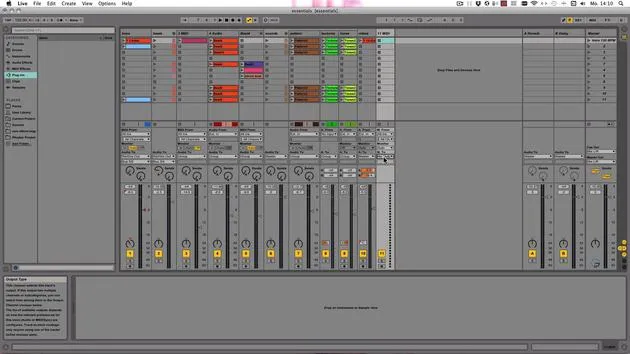
In this video, we'll be talking about the audio effects. You can find them in the browser under categories, then Audio Effects. As you can see, there are a lot of them here, so I can only provide an overview. I highly recommend that you try the presets as they are often named for their use.
Feel free to tweak the parameters of those presets to familiarize yourself with them.
Adding Audio Effects
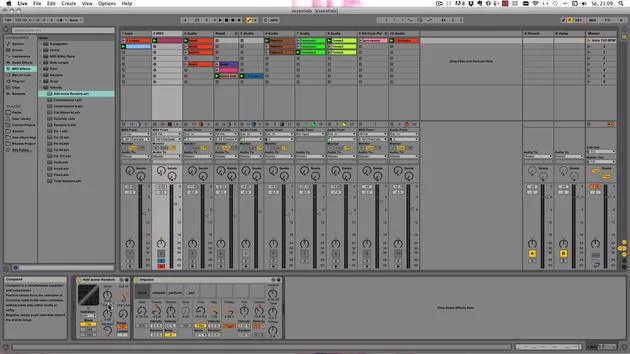
- Audio effects can be added on:
- Audio tracks
- MIDI tracks (after the instrument)
- Return tracks
- The master track (we'll cover this later)
Modulation Effects
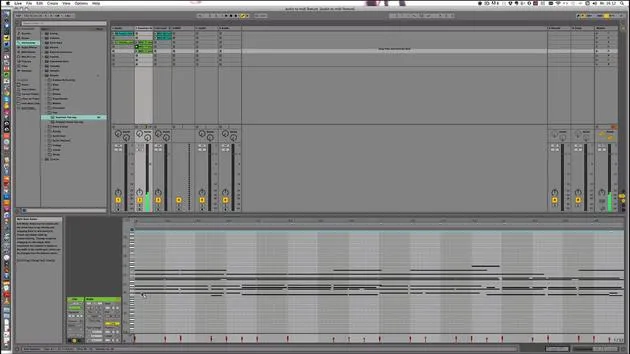
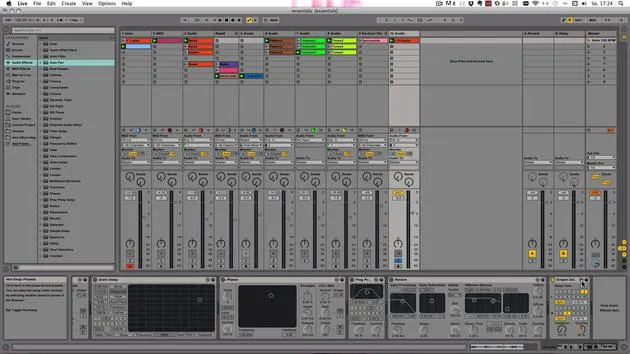
The first group of effects I want to talk about are the modulation effects. They are used to change the color and depth of the sound, making it sound fuller and richer. I've added all available effects in Live to the MBIRA track, so let's solo this one first.
- Auto Pan: Manipulates amplitudes and panning with an LFO.
- Chorus: Two parallel time-modulated delays create a thickening of the sound along with flanging effects.
- Tip: Set it to eight bars for a more extended effect.
- Filter Delay: Filters three independent delay lines.
- Flanger: Utilizes two parallel time-modulated delays for flanging effects.
- Grain Delay: Slices the input signal into tiny particles (grains) that can be individually delayed and changed in pitch.
- Phaser: Uses filters to shift the phase of the sound's frequency spectrum.
- Ping Pong Delay: A single delay that jumps from left to right.
- Reverb: Adds depth to the sound.
- Simple Delay: Contains two delay lines, one for each channel (left and right).
As you can see, all of them have an activator switch that allows you to turn them on and off. This feature is beneficial with effects since you can easily disable them if you're unsure about using them while keeping them in the chain.
Presets Management
- Hot Swap Button: Swap presets easily.
- Save Button: After tweaking parameters to create your own presets, click on the save button to store them.
- You can find saved presets in the browser under User Library > Audio Effects folder.
Dynamic Effects
Next, we'll cover the dynamic effects:
- Compressor: Reduces dynamics of sound, making it louder.
- Gate: If the threshold is too high, you won't hear anything. Visual aids help identify settings.
- Glue Compressor: Adds a fuller, fatter analog sound compared to a regular compressor.
- Limiter: Limits maximum output volume.
- Multiband Dynamics: Allows for adjusting specific frequency bands for amplification or reduction.
- Important: Always monitor the input/output meters; ensure they do not exceed zero to avoid sound issues later.
EQs and Filters
Next up are the EQs and filters. We have two equalizers:
- EQ8: Adjusts eight frequency bands, with an addition mode for precise tuning of frequencies.
- EQ3: Adjusts lows, mids, and highs.
- Useful for effects like a telephone sound.
- Auto Filter: Changes the frequency bands that are audible.
Distortion Effects
Now, let's look at the distortion effects:
- Dynamic Tube: Creates tube distortion.
- Erosion: Degrades the input signal for a digital-sounding distortion.
- Overdrive: Models typical overdrive pedals used by guitarists.
- Redux: Functions as a bit crusher.
- Saturator: Adds saturation, enhancing the sound.
- Vinyl Distortion: Adds a crackling sound effect.
Tools for Mixing and Mastering
Next, we have two effects that act as tools for mixing and mastering:
- Spectrum: Displays the frequencies within the sound.
- Helps identify peaks and distracting frequencies for easier EQ adjustments.
- Utility: Useful for ensuring mono sound, especially for vocals.
- This allows you to accurately position sounds within the stereo field.
- Enables easier volume automation without tedious adjustments.
Additional Effects
Some more effects available in Live:
- Amp and Cabinet: Amp simulators.
- Corpus: Simulates the corpus of various acoustic instruments.
- Frequency Shifter: Shifts frequencies and includes an LFO.
- Resonator: Creates resonances.
- Beat Repeat: Repeats audio rhythmically based on parameters.
- Looper: Allows for audio looping and overdubbing.
- Vocoder: A classic effect that modulates sounds based on vocal input.
Practical Application
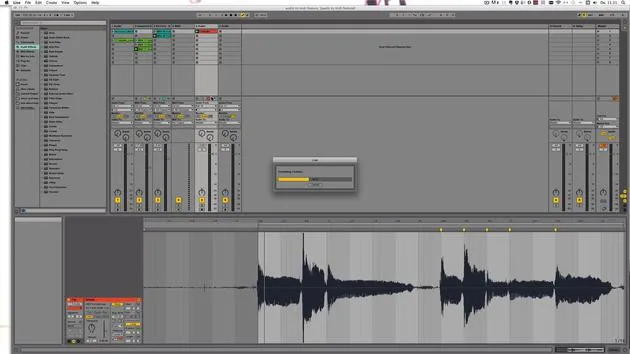
Now, let's do a quick example with a bass track. It might need more punch and depth, so we could try the overdrive effect here.
- Tip: If it's too much, adjust accordingly.
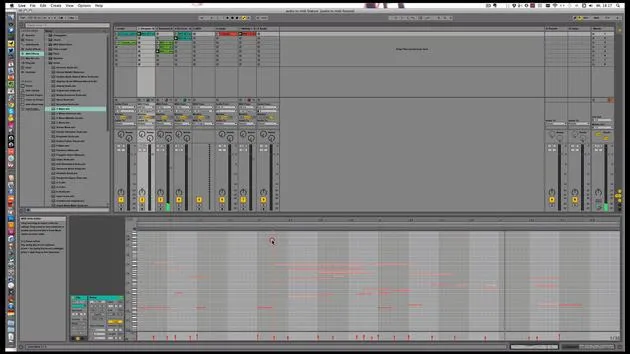
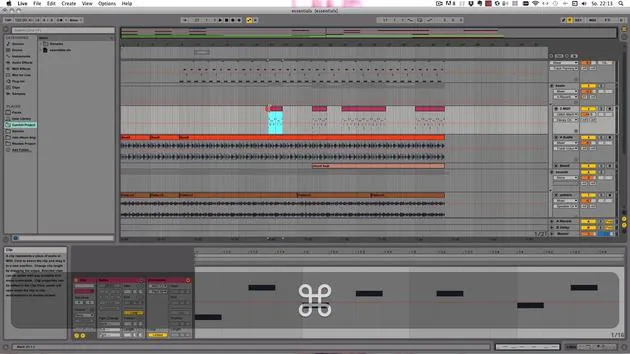
Next, I'd like to try grouping these three tracks that contain beats using Command G (or Control G on Windows).
By adding an effect to the group track, we can efficiently modify the sound for all tracks within the group. I plan to apply the glue compressor for additional warmth.
Let's give it a try!
36 leçons
5h 28m de leçons vidéo structurées
Fonctions vidéo avancées
Ralentissez, bouclez un passage, suivez la partition
Mobile, tablette et ordinateur
Pratiquez où vous voulez
Satisfaction garantie à 100 %
Garantie remboursement 30 jours
Rencontrez votre guru
Rencontrez votre guru
Madeleine Bloom est une musicienne de formation classique, productrice, multi-instrumentiste et chanteuse originaire de Berlin, et fondatrice du label Quixotica Records. Elle a étudié la musique électroacoustique au Conservatoire Franz Liszt auprès du Prof. Robin Minard et applique ces méthodes à son propre mélange de pop électronique. Sa musique a été saluée par les producteurs Guy Sigsworth et Rupert Hine, et lui a valu une invitation personnelle d'Imogen Heap, dont elle a assuré la première partie de la tournée.
Ancienne conseillère du support technique d'Ableton, elle a fondé en 2012 la plateforme en ligne Sonic Bloom, où elle enseigne Ableton Live et la production musicale à travers des cours, des ateliers et des séances individuelles. Elle a accompagné des personnes du monde entier avec Ableton Live, Push et Max for Live, mais aussi en ingénierie du son, théorie musicale, composition et sound design.







