



Convertir une mélodie en MIDI
Avec
Madeleine Bloom
Le contenu du cours
36 leçons (5h 28min) · 1 gratuites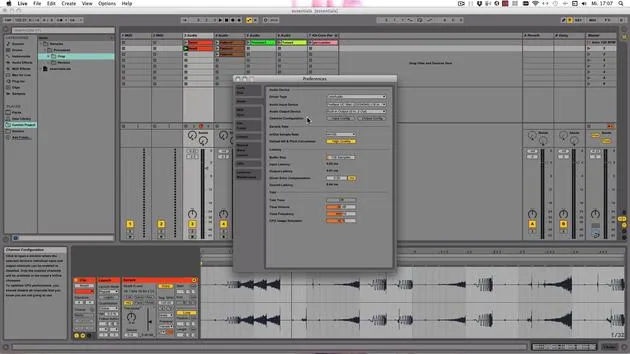
01. Clips audio
11:30
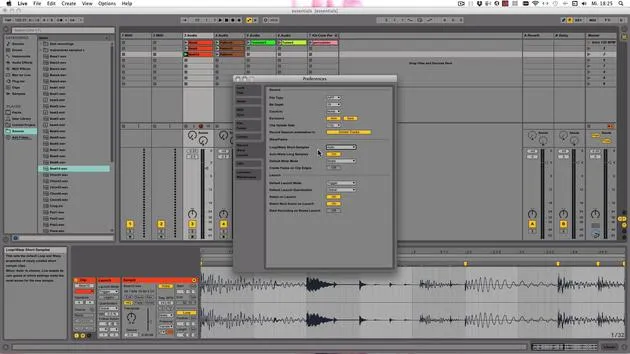
02. Time-Warping
11:00
03. Convertir l'audio en MIDI
5:32
04. Convertir la batterie en MIDI
5:46
05. Convertir l'harmonie en MIDI
5:13
06. Convertir une mélodie en MIDI
Tu es ici4:42
07. Convertir l'audio en MIDI utilisé « à l'envers » exprès
5:23
08. Clips MIDI
13:29
09. Utiliser les grooves
3:45
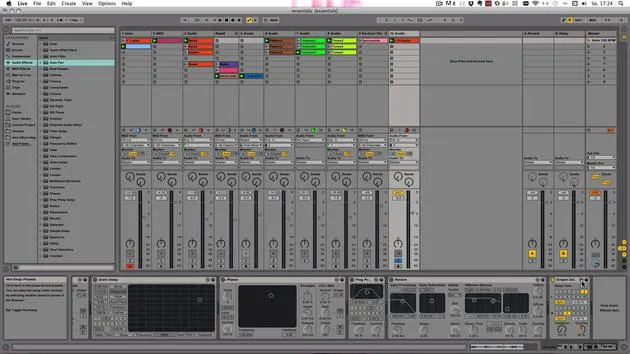
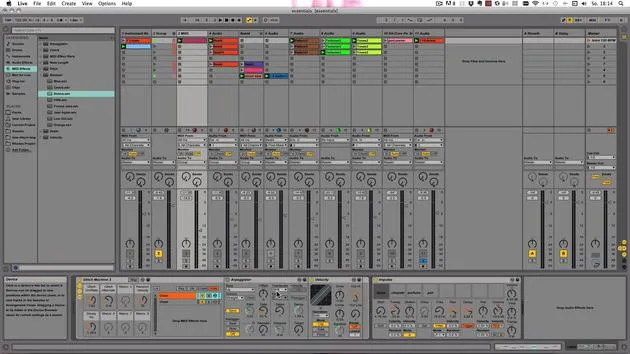
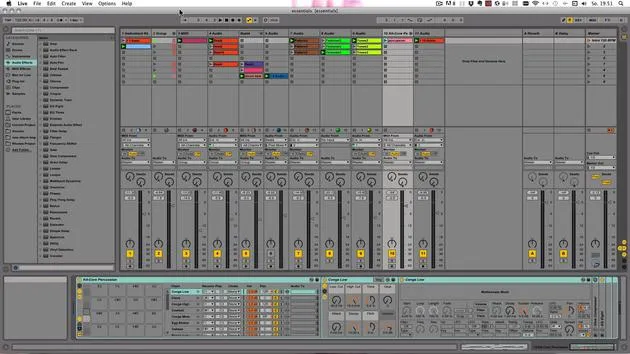
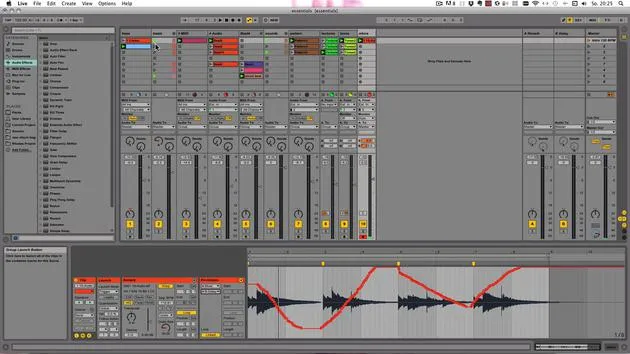
Transcription de la leçon
Lesson 3: Using the Audio to MIDI Feature in Life 9
Hello and welcome to my third video of the series about my favorite Life 9 feature, the Audio to MIDI feature.
In the last two tutorials, I've shown you:
- How to make beats with the drumster MIDI feature.
- How to create pads out of an audio sample using the Harmony to MIDI feature.
In this video, I want to show you how you can add a bass using melody to MIDI. For this, I'm going to sing something for the bass.
Checking the Input
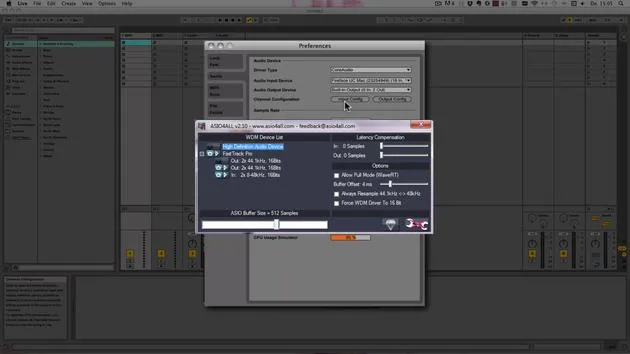
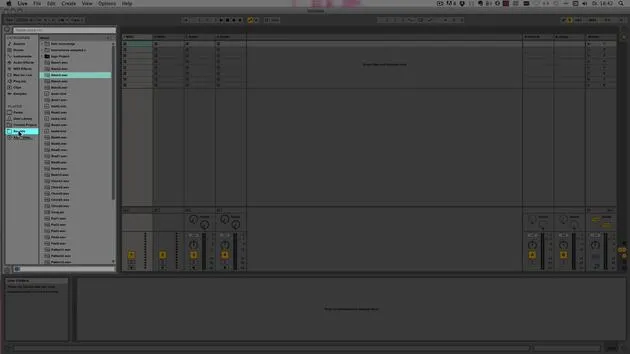
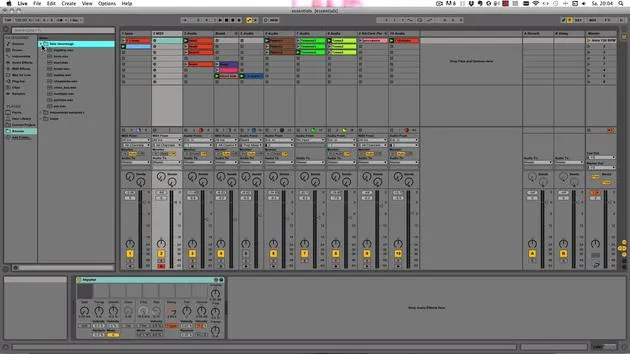
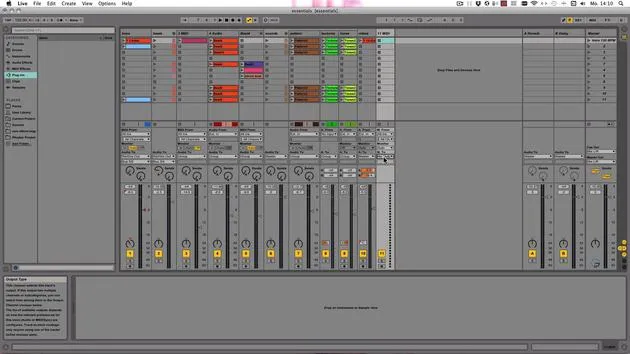
All right, check the input. Right. Okay, so that's working. Now, let's turn that on and play what we had before.
Converting Audio to MIDI
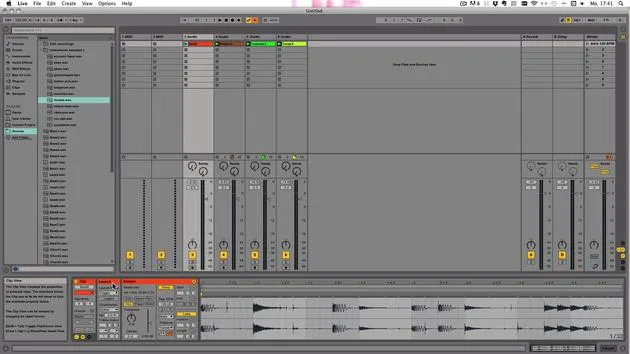
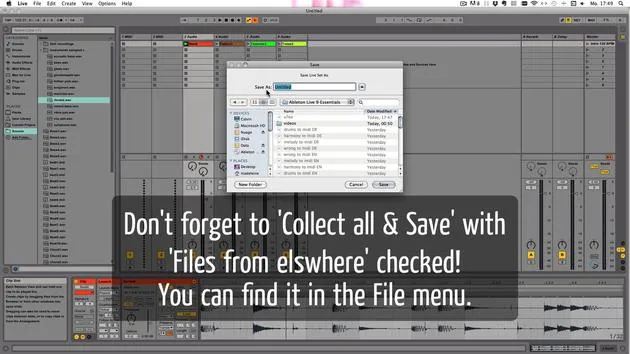
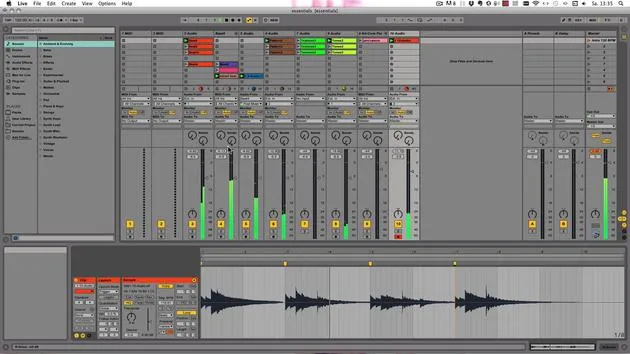
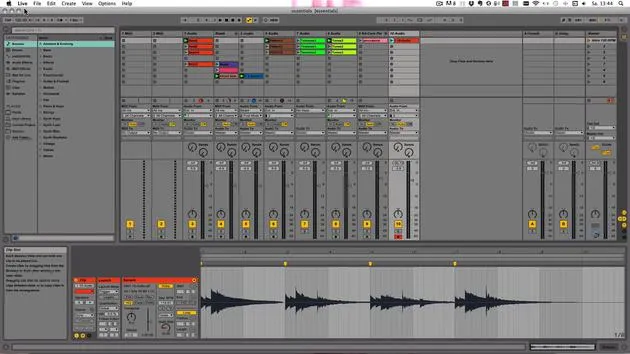
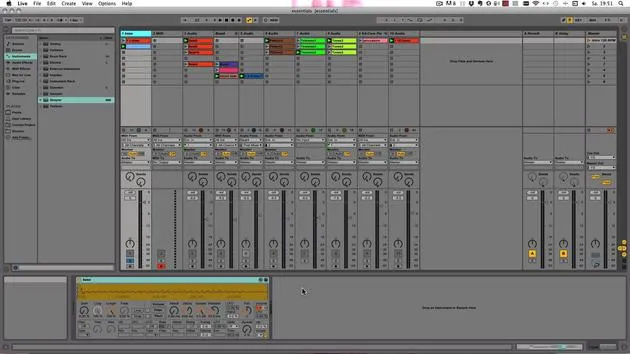
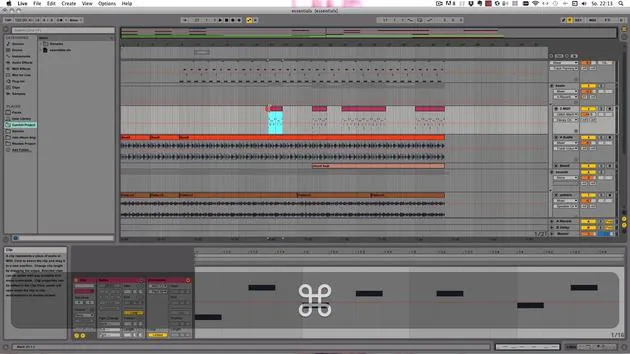
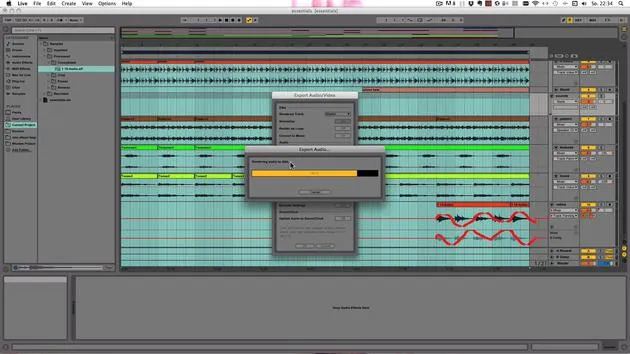
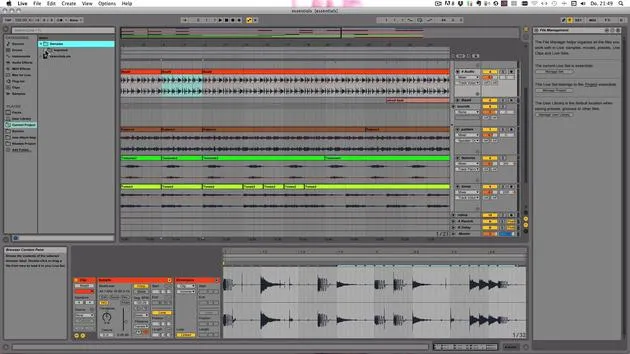
Now, we've got an audio sample. I started a bit late, so let's just move that to make four bars again. You can listen to this.
"Okay, not exactly exciting, but let's convert it and see what we can do with it."
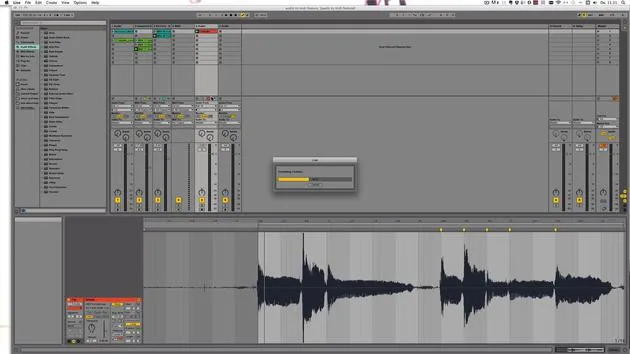
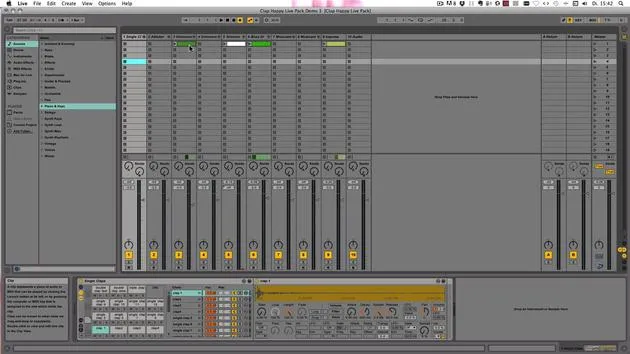
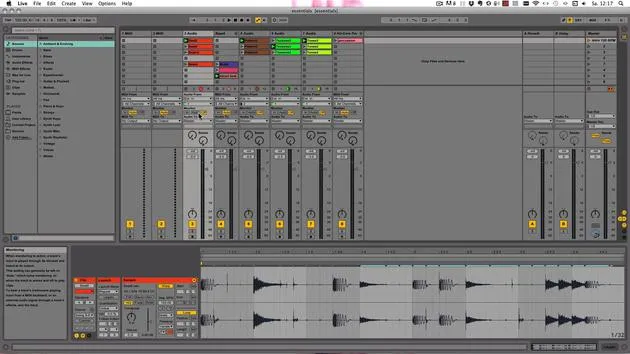
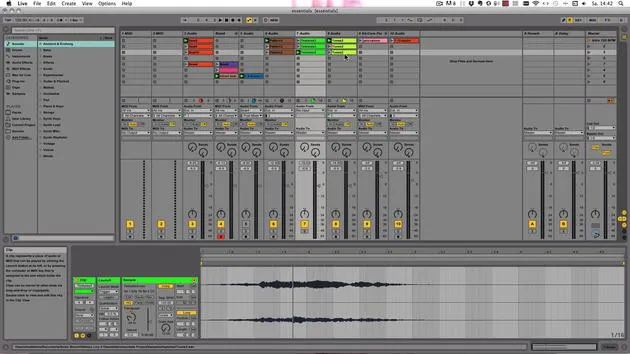
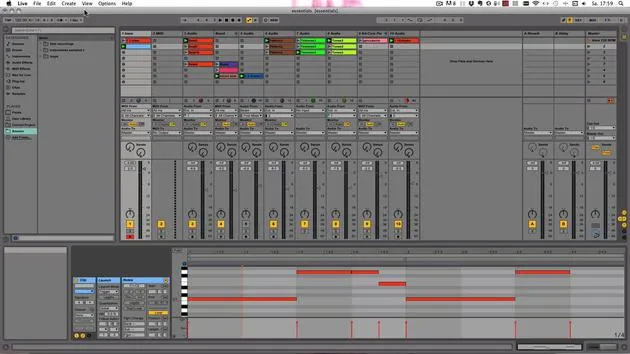
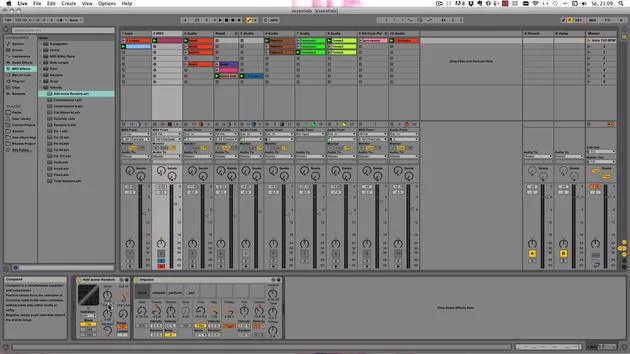
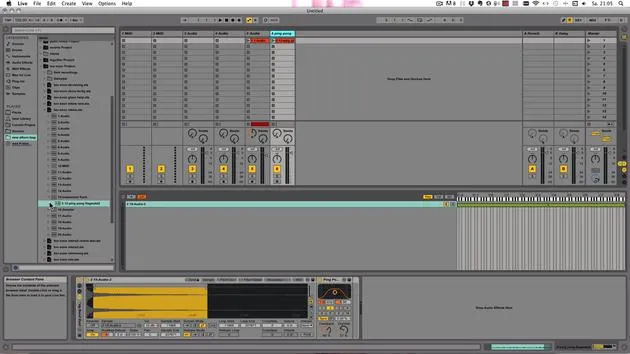
So, convert melody to new MIDI track. Here we go. As you can see, it has both an analogue and an electric option included.
"Right, so turn that off and play this."
Now, I'd say it almost sounds worse than before.
Quantizing and Adjusting
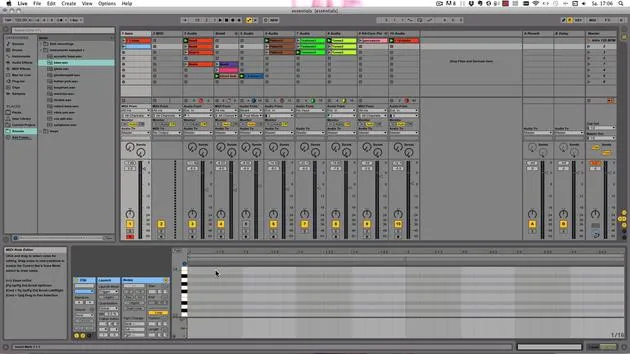
Let's select all and quantize first. I'll also drag everything down by an octave, simply because I don't get as low being a woman. Let's put that here instead.
"That can't work. That sounded off as well."
Okay, let's just get rid of it. And probably this should not be here either. Make this one a bit longer and this one a bit longer. I'm not happy with this one.
"Probably about here. No, let's start that with G again."
That's quite a bit better already!
Now we'll take it down a bit as well. Well, you know, it's definitely not perfect and could be tweaked quite a bit more. But you can see, even with a badly sung bass line an octave too high, you can do something.
Conclusion
All right, see you in the next tutorial! Bye.
36 leçons
5h 28m de leçons vidéo structurées
Fonctions vidéo avancées
Ralentissez, bouclez un passage, suivez la partition
Mobile, tablette et ordinateur
Pratiquez où vous voulez
Satisfaction garantie à 100 %
Garantie remboursement 30 jours
Rencontrez votre guru
Rencontrez votre guru
Madeleine Bloom est une musicienne de formation classique, productrice, multi-instrumentiste et chanteuse originaire de Berlin, et fondatrice du label Quixotica Records. Elle a étudié la musique électroacoustique au Conservatoire Franz Liszt auprès du Prof. Robin Minard et applique ces méthodes à son propre mélange de pop électronique. Sa musique a été saluée par les producteurs Guy Sigsworth et Rupert Hine, et lui a valu une invitation personnelle d'Imogen Heap, dont elle a assuré la première partie de la tournée.
Ancienne conseillère du support technique d'Ableton, elle a fondé en 2012 la plateforme en ligne Sonic Bloom, où elle enseigne Ableton Live et la production musicale à travers des cours, des ateliers et des séances individuelles. Elle a accompagné des personnes du monde entier avec Ableton Live, Push et Max for Live, mais aussi en ingénierie du son, théorie musicale, composition et sound design.







