



Le succès ne vient pas du seul talent
Avec
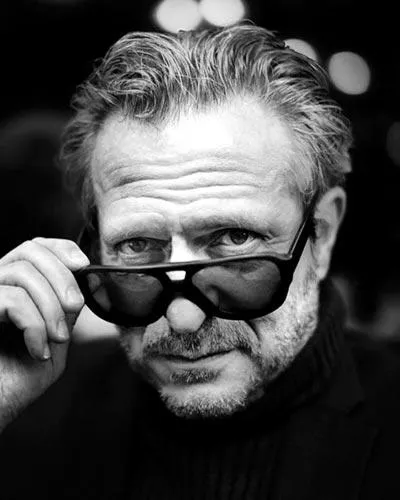
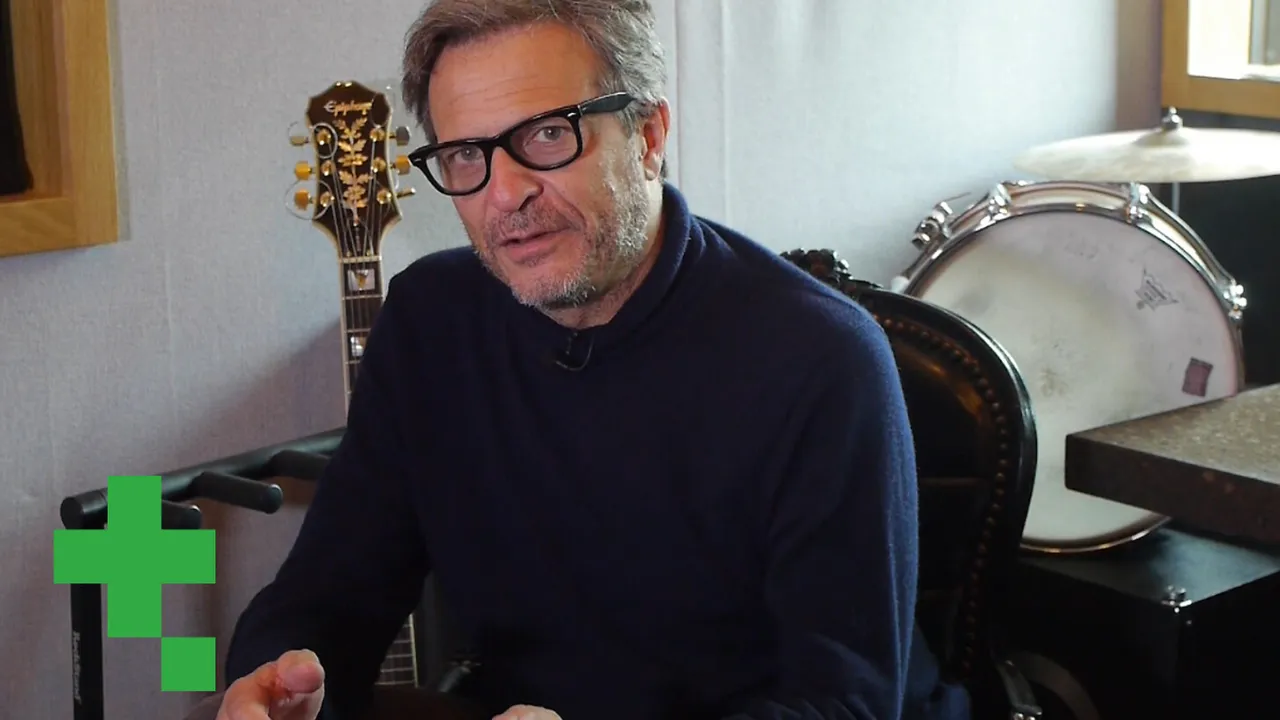
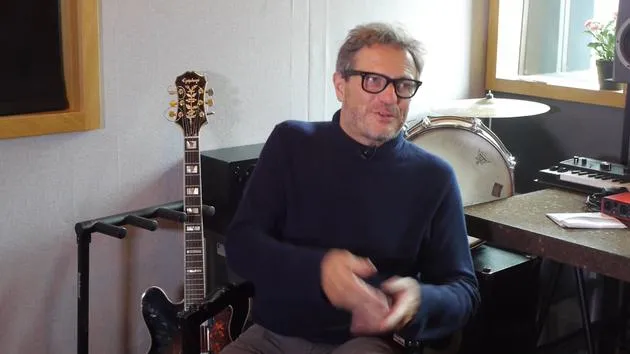
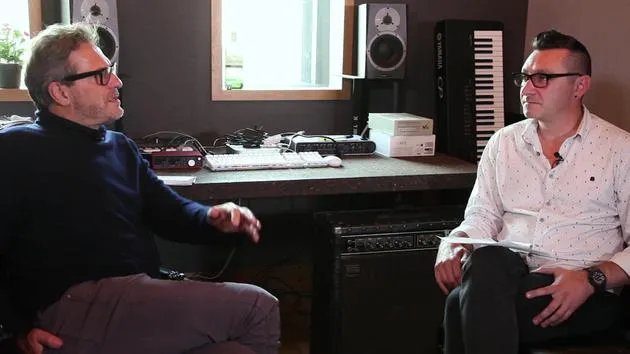
Charlie RapinoCharlie Rapino tire une leçon du monde de la mode milanais : tu peux être le meilleur musicien qui soit, mais sans un packaging et une histoire autour de ta musique, elle reste réservée à tes amis.
Le contenu du cours
16 leçons (2h 16min) · 1 gratuites
Transcription de la leçon
The Transition from Italy to New York
When did the move occur from Italy to New York?
Wasn't it that you went to, well, in Italy? Literally. It was literally the learning curve.
Moving to Milan
And then it happened. I moved to Milan when I was pretty young, around 20 or 21. I studied working in a management office, and then I slowly transitioned through a band I was working with to Virgin Records, which was run by Luigi Mantovani at the time.
Branson had just opened their offices in Milan, and the city was booming at that time. During the 60s and 70s, Milan was a very gray city, which looked much more like Coventry, probably. Wow! A fashionable city, with due respect to Coventry, obviously.
I arrived in Milan looking for adventure. I remember the massive Velasca Tower in the center of the city, which was covered on all four sides with a huge Giorgio Armani poster.
The Fashion Scene
These were the years of Giorgio Armani and Gianni Versace, during which the fashion machine in Milan began to really fire on all cylinders. Here I was, filled with inspiration from the scene and a real desire to understand behind the scenes, what branding means, and how it fused with fashion.
Inspiration from Advertising
There was a book that truly illuminated me: Hollywood Does It Washes It Whiter, by the famous advertising man Jacques Segela. He used to say that the day we start selling any politician like a box of soap powder, that politician is going to win the elections, hands down.
You can see how that happened. Following that concept, Segela was hired by everyone running for the French campaign. He became the spin doctor, capable of transforming complex content into a language that could be easily understood by everybody.
Segela was mainly responsible for the campaign of Fran?ois Mitterrand, distilling a lot of messages into succinct soundbites that are easy to grasp.
Branding and Success
Again, this brings us back to logos, iconography, and straplines, which is what really the course is about, or what we're discussing. I think my formation was heavily influenced by the fact that the stark Giorgio Armani logo could sum up everything in one little emblem.
There was a world behind it that you were buying into; I really started to understand there that you can be the best musician on earth, but if you don't create a package around it, that music would be just for you and your friends. Ultimately, it's the entertainment business. The entertainment aspect is the package.
Translating Talent into Success
Sometimes the question is: how do you translate your talent into being a success? You can be a person with not much talent, and as Stephen Budd mentioned a few weeks ago, if you put all your effort into achieving success, you can get there.
Unfortunately, there are many people with a lot of talent who will not put in the effort to channel that talent into what we call success; they may even refuse to compromise in that pursuit.
I believe there are some key elements that can help a young artist, songwriter, or producer reach their potential.
16 leçons
2h 16m de leçons vidéo structurées
Fonctions vidéo avancées
Ralentissez, bouclez un passage, suivez la partition
Mobile, tablette et ordinateur
Pratiquez où vous voulez
Satisfaction garantie à 100 %
Garantie remboursement 30 jours
Rencontrez votre guru
Rencontrez votre guru
Charlie a débuté dans l'industrie musicale en tant qu'avocat fraîchement diplômé, organisant des concerts en faisant venir des artistes comme Iggy Pop et Patti Smith devant un public universitaire italien radical.
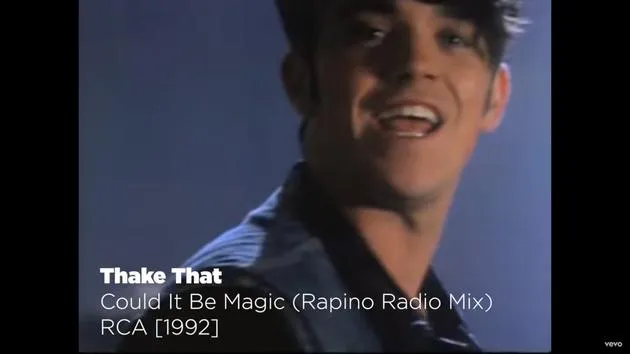
Après avoir travaillé au célèbre Record Plant NYC et s'être imprégné de la scène house, il forme les Rapino Brothers avec Marco Sabiu, s'installe à Londres en 1990 et ne regarde plus jamais en arrière. Là-bas, ils marquent la décennie de leur empreinte en produisant et en enregistrant des disques. Après leur premier succès avec Love Me The Right Way de Kym Mazelle, ils orchestrent le premier tube de Take That et produisent, mixent et peaufinent de nombreux grands noms de la pop dans les années 1990, de Kylie à Primal Scream.
En 1997, Charlie est le producteur « à l'antenne » de « Get Your Act Together » sur la BBC, suivi de « Full Frontal » sur Channel 4. De 1999 à 2004, il est A&R Director chez Sony Music International.
Son énergie ne faiblit jamais. Au fil des années, il a partagé son temps entre le conseil en management pour Ennio Morricone, le conseil pour le magazine Rolling Stone, le travail sur des bandes originales et le conseil en production pour le cinéma et les jeux vidéo (y compris convaincre Iggy Pop de faire les voix off du jeu vidéo Driver 3), ainsi que la signature et la gestion d'artistes via son label en coentreprise avec Sony, Stud Records.
Dans Get signed!, Charlie lève le voile sur des décennies d'expérience en production et en A&R pour te montrer exactement ce que les labels recherchent, comment façonner et présenter ton projet, et ce qu'il faut réellement pour se faire remarquer et décrocher un contrat.







