



Virgin Records dans les années 80
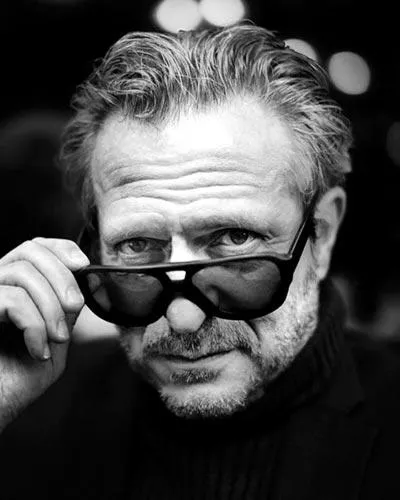
Avec
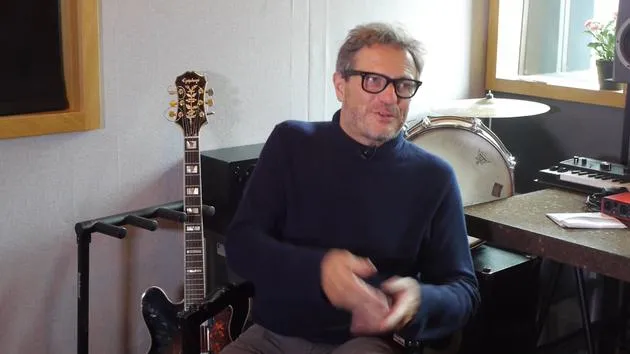
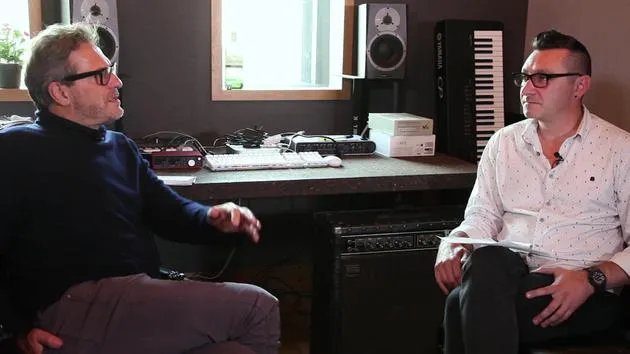
Charlie RapinoCharlie Rapino revient sur son passage chez Virgin Records dans le Milan des années 80, l'essor de l'ère du CD et la scène New Romantic, et comment il a trouvé sa voie dans la production de disques.
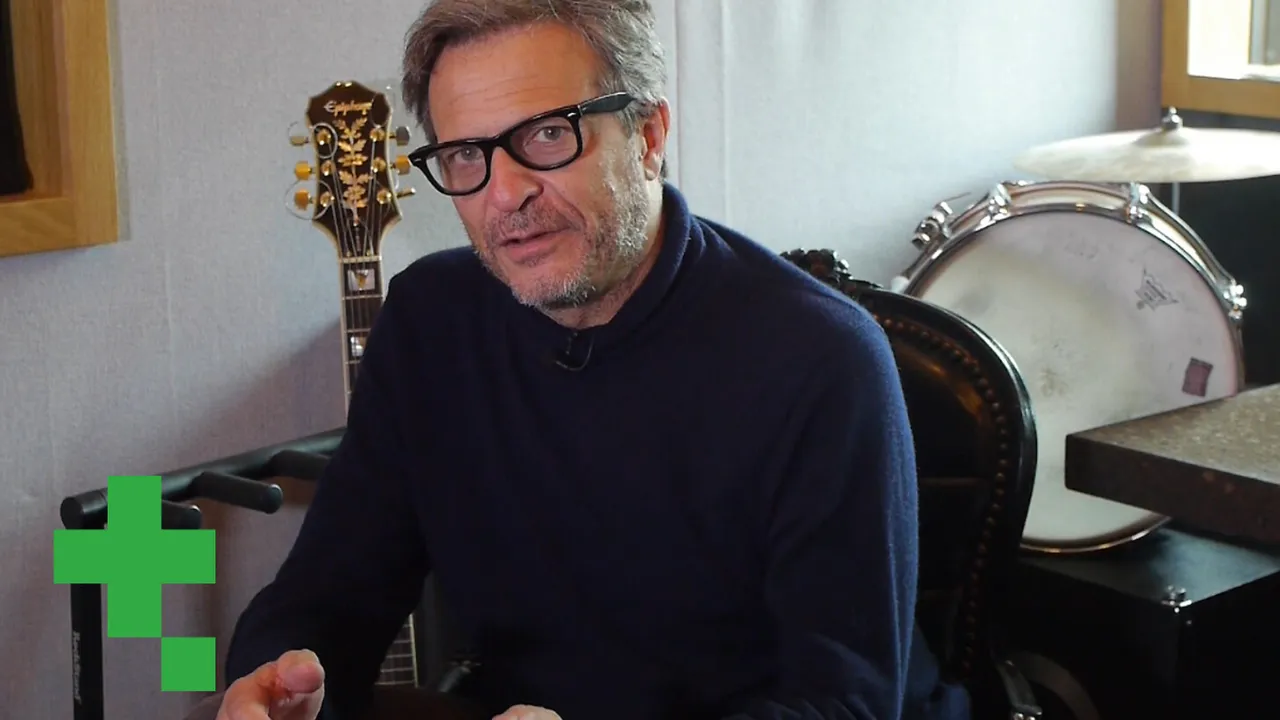
Le contenu du cours
16 leçons (2h 16min) · 1 gratuites
Transcription de la leçon
An Insight into the 80s Music Scene: Milan and Virgin Records
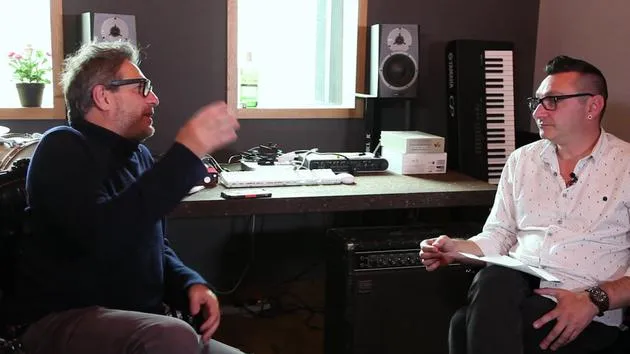
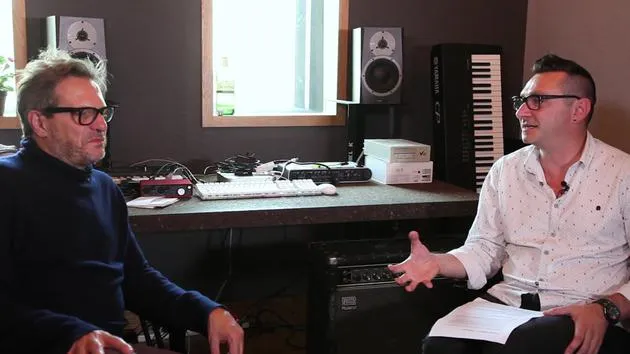
Charlie: Okay, so let's take it back to Milan. Hanging out and doing stuff with Virgin. Yeah, tell us what were you doing there and what was that environment like?
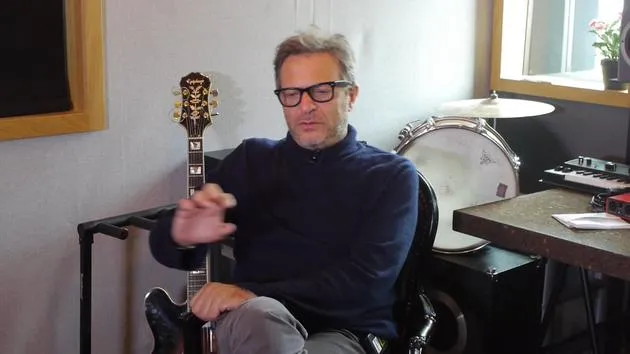
Speaker: It was the good old days of... It was the 80s. We didn't come out alive from the 80s, but very rich because the record industry, in general, the international record industry, was booming. Exploding.
- First CD Release: What was it? 1981, 82 or something?
- Charlie: I think 1984.
- Speaker: Exactly, right. I'm not sure, but I'm still into vinyl today.
The Rise of CD:
- The CD was the thing, right?
- Speaker: The CD was the thing, yeah.
The Excitement of the Era: Especially from England, there was an explosion of acts during those very, very exciting times. Bands like Duran Duran emerged, and it was the New Romantic movement, which was very inspired by Bowie.
Milan made a lot of sense because fashion was there. Fashion and rock and roll, or music, were married at that point. They were joined at the hip.
- Insight: It made complete sense to see how shabby bands like The Rolling Stones were during the 80s. They started being, especially Mick Jagger, extremely elegant and sharp.
What Were You Doing in Milan? So, what were you doing in Milan?
- Speaker: Mainly, I was producing some records for Virgin. I just happened to find myself in the role of learning how to be a producer by chance. A guy called Doderso, who used to run this Stone Castle, really helped me out.
Residential Studio:
- Speaker: Stone Castle was the residential studio.
Because he could see that I was very interested in how a record sounded. My hero was obviously Phil Spector; one of the earliest records I heard as a kid was "Believe At Deep Mountain High," which had an outstanding sound reverb.
The Importance of Sound: I think what made the difference in modern recorded music was not really the composition, but the sound.
- Key Takeaway: It was how it was dressed, how it was photographed. You strip away the wall of sound from that song, and you don't have very much. You have a great voice, but you put the production on.
Phil Spector's Innovation: And the fact that this man (Phil Spector) comes out with this idea... Mind you, that record is mono on top, so stereo. It's a complete trip, I would say, an endless orgasm of a record.
- Yet again, how he could understand technology... If you listen to those records on a transistor radio at the time, it was the big thing.
Transistor Radio: The transistor radio is like the smartphone of today. It sounds unbelievable. It sounds loud on a transistor radio.
- Speaker: A great achievement.
- Insight: Yeah, it's a great achievement.
I think it was a talented man who could understand how to reach consumers or society.
- Speaker: You gotta understand what they use: oh, transistor radio. Okay, let's make it sound good on a transistor radio.
The Road to Success: And they understood the channel that it was going to be heard on.
- Speaker: Understanding that is the road to success. It's always about understanding what people are using to listen to your music or whatever you do. TV, it is always like that.
16 leçons
2h 16m de leçons vidéo structurées
Fonctions vidéo avancées
Ralentissez, bouclez un passage, suivez la partition
Mobile, tablette et ordinateur
Pratiquez où vous voulez
Satisfaction garantie à 100 %
Garantie remboursement 30 jours
Rencontrez votre guru
Rencontrez votre guru
Charlie a débuté dans l'industrie musicale en tant qu'avocat fraîchement diplômé, organisant des concerts en faisant venir des artistes comme Iggy Pop et Patti Smith devant un public universitaire italien radical.
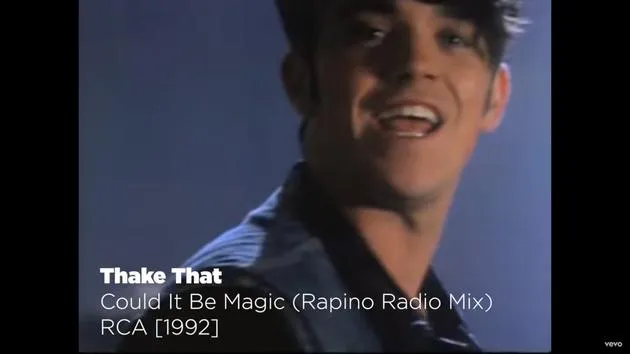
Après avoir travaillé au célèbre Record Plant NYC et s'être imprégné de la scène house, il forme les Rapino Brothers avec Marco Sabiu, s'installe à Londres en 1990 et ne regarde plus jamais en arrière. Là-bas, ils marquent la décennie de leur empreinte en produisant et en enregistrant des disques. Après leur premier succès avec Love Me The Right Way de Kym Mazelle, ils orchestrent le premier tube de Take That et produisent, mixent et peaufinent de nombreux grands noms de la pop dans les années 1990, de Kylie à Primal Scream.
En 1997, Charlie est le producteur « à l'antenne » de « Get Your Act Together » sur la BBC, suivi de « Full Frontal » sur Channel 4. De 1999 à 2004, il est A&R Director chez Sony Music International.
Son énergie ne faiblit jamais. Au fil des années, il a partagé son temps entre le conseil en management pour Ennio Morricone, le conseil pour le magazine Rolling Stone, le travail sur des bandes originales et le conseil en production pour le cinéma et les jeux vidéo (y compris convaincre Iggy Pop de faire les voix off du jeu vidéo Driver 3), ainsi que la signature et la gestion d'artistes via son label en coentreprise avec Sony, Stud Records.
Dans Get signed!, Charlie lève le voile sur des décennies d'expérience en production et en A&R pour te montrer exactement ce que les labels recherchent, comment façonner et présenter ton projet, et ce qu'il faut réellement pour se faire remarquer et décrocher un contrat.







