



Que veux-tu dire par « le talent est un don, mais le succès est le travail »
Avec
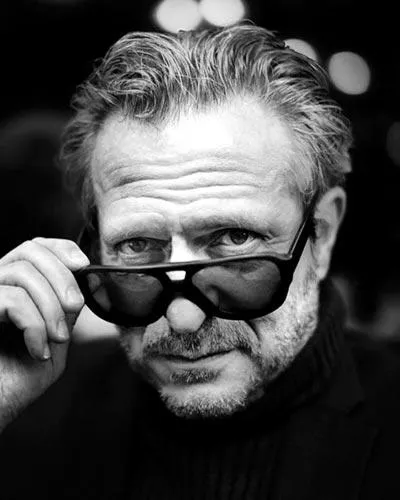
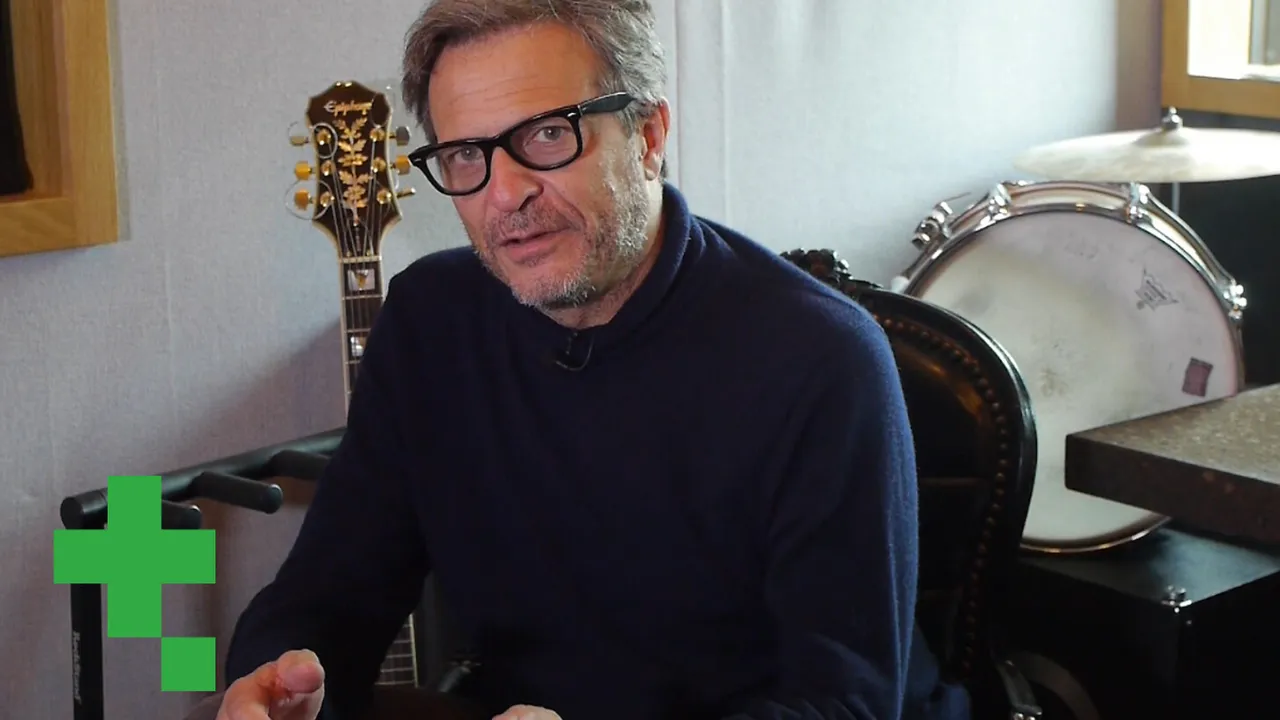
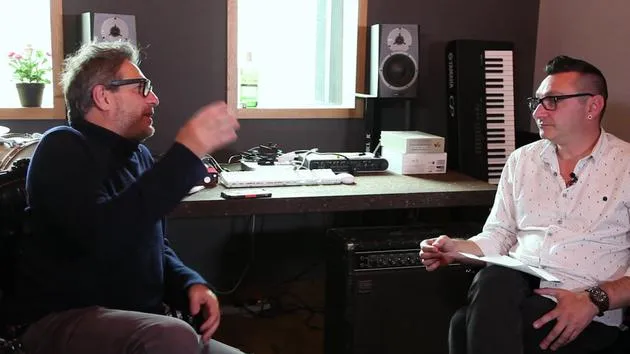
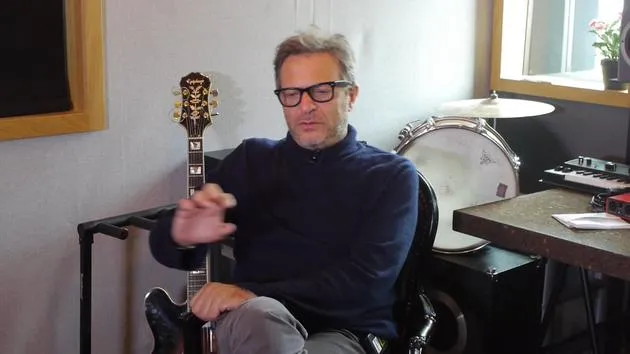
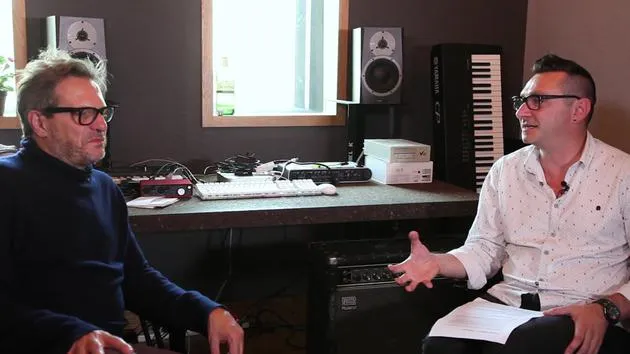
Charlie RapinoCharlie Rapino décortique sa devise « le talent est un don, le succès est le travail », en expliquant comment le marketing, l'image de marque et l'identité transforment le talent brut en carrière.
Le contenu du cours
16 leçons (2h 16min) · 1 gratuites
Transcription de la leçon
Marketing, Branding, and Identity in Music
In this next section, I'm going to chat with Charlie about:
- Marketing
- Branding
- Identity
- How artists create a visionary sense
This encompasses understanding or tapping into a zeitgeist as part of the package that takes pure talent further into the realms of success.
Talent is a Gift, Success is the Job
Charlie, you've titled this course "Talent is a Gift, Success is the Job." What do you mean by that?
"It's exactly what I mean. You can be a very talented songwriter, artist, producer... anyone who, with a pair of hands and a little bit of brain, can produce something interesting. It doesn't have to be beautiful or exceptional, but something interesting. However, if you don't find a way to make it accessible to the market or the consumer, even worse, real talent stays in a little studio between you and your friends."
You can't just expect to be talented and walk into a record company office or even a film production office and say, "Hey, I'm talented. Sign me."
"There's more to the package. Unfortunately, it doesn't work like that."
Understanding Branding and Marketing
You've shared seminal moments in your biography about understanding branding, logo, image, and the package that comes with talent as success. What does that mean to you? How do you define marketing and branding?
"I think I'm not a marketing man. I work a lot with marketing professionals, and let's face it, marketing can be a very bad word because it implies applying concepts learned at university and dumping a lot of money into it, hoping for a hit or a successful product."
To me, marketing or branding is what you apply to your talent to make it interesting and to get noticed.
Examples of Branding
- If David Jones had called himself David Jones and not David Bowie, I don't think he would have sold the same amount of records.
- Iggy Pop, if he was called James Osterberg, he might evoke thoughts of an osteopath.
"James Osterberg sounds a little bit like an osteopath, a shrink, you know, psychoanalyst. But Iggy Pop? That's intriguing! Automatically, in the mind of an average teenager like me, somebody called Iggy Pop is like, wow, I want to hear that."
What else comes with the package?
- The first thing is the name.
Some people are lucky, they're born with a great name.
- Frank Sinatra is very musical.
- Frank Zappa is very musical.
- Miles Davis is very musical.
But if you call someone Reginald Dwight, you've got a problem.
"I don't think that Elton John, if he had called himself Elton Reginald Dwight, would have sold the same amount of records or had the same type of attention. Because Elton John is a very strong brand; it's a very strong name."
Powerful Branding Examples
Kiss is a perfect example.
- The way their logo was designed, even referencing controversial elements, immediately grabs your attention.
- Think about their titles, such as "Kiss Destroyer", you can imagine the effects it could have had in the 70s on a 16-year-old in America.
"Immediate attention, you know? That's branding."
16 leçons
2h 16m de leçons vidéo structurées
Fonctions vidéo avancées
Ralentissez, bouclez un passage, suivez la partition
Mobile, tablette et ordinateur
Pratiquez où vous voulez
Satisfaction garantie à 100 %
Garantie remboursement 30 jours
Rencontrez votre guru
Rencontrez votre guru
Charlie a débuté dans l'industrie musicale en tant qu'avocat fraîchement diplômé, organisant des concerts en faisant venir des artistes comme Iggy Pop et Patti Smith devant un public universitaire italien radical.
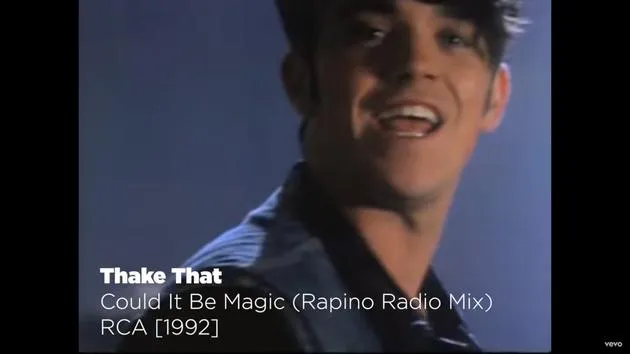
Après avoir travaillé au célèbre Record Plant NYC et s'être imprégné de la scène house, il forme les Rapino Brothers avec Marco Sabiu, s'installe à Londres en 1990 et ne regarde plus jamais en arrière. Là-bas, ils marquent la décennie de leur empreinte en produisant et en enregistrant des disques. Après leur premier succès avec Love Me The Right Way de Kym Mazelle, ils orchestrent le premier tube de Take That et produisent, mixent et peaufinent de nombreux grands noms de la pop dans les années 1990, de Kylie à Primal Scream.
En 1997, Charlie est le producteur « à l'antenne » de « Get Your Act Together » sur la BBC, suivi de « Full Frontal » sur Channel 4. De 1999 à 2004, il est A&R Director chez Sony Music International.
Son énergie ne faiblit jamais. Au fil des années, il a partagé son temps entre le conseil en management pour Ennio Morricone, le conseil pour le magazine Rolling Stone, le travail sur des bandes originales et le conseil en production pour le cinéma et les jeux vidéo (y compris convaincre Iggy Pop de faire les voix off du jeu vidéo Driver 3), ainsi que la signature et la gestion d'artistes via son label en coentreprise avec Sony, Stud Records.
Dans Get signed!, Charlie lève le voile sur des décennies d'expérience en production et en A&R pour te montrer exactement ce que les labels recherchent, comment façonner et présenter ton projet, et ce qu'il faut réellement pour se faire remarquer et décrocher un contrat.







