



Musique, publicité et nécessité économique de la musique pop
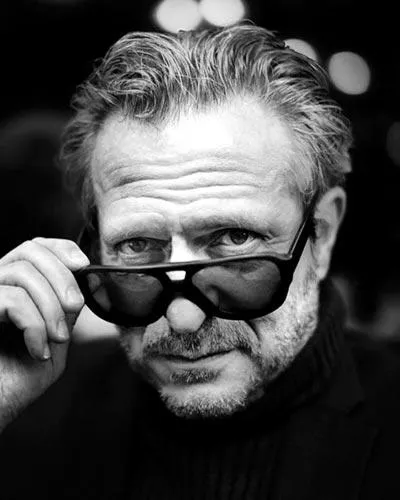
Avec
Charlie Rapino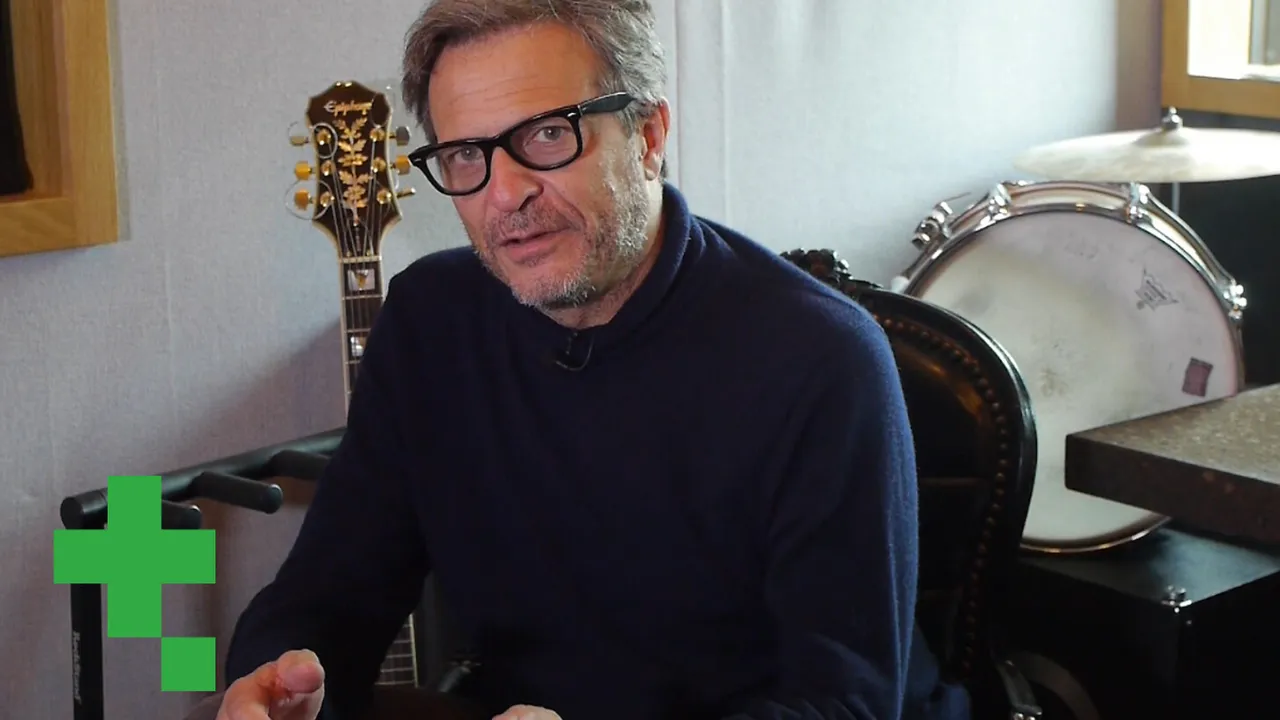
Le contenu du cours
16 leçons (2h 16min) · 1 gratuites
Transcription de la leçon
The Intersection of Music and Advertising
It's a sort of ad for society. That's why music was very important at the same time in advertising. Of course, they went hand in hand; they did almost parallel. I don't think without rock and roll, we wouldn't have a certain type of advertising, very erudite, adventurous, daring.
The Impact of Rock and Roll on Advertising
- Rock and roll was very important for political and economic reasons.
- The encapsulated tightness of the three-minute pop song also played a role in condensing a message.
- Advertising, obviously, has its 30-second or 15-second windows.
"If you think about it, it's something that probably a musician would say: Oh, you shouldn't say those things. I find it an art. I think both arts are very... they always fed each other."
The Influence of Film Directors
Consider a lot of the great film directors. Ridley Scott is a classic example; he was making adverts first. Ian Softly is another, along with those who transitioned to music videos.
- Condensing a story down into a small amount of time is the best breeding ground for these kinds of arts.
- Ridley Scott knew how to sell himself.
"If you think about his first big blockbuster, which is Alien, I think he definitely saw what was going on and he needed a blockbuster in Hollywood."
The Power of Simplicity
Ridley Scott summed it up when he presented the film:
"Mr. Scott, what's your movie about?"
He famously replied, "It's Jaws in outer space."
In that year, the two biggest movies were Jaws and Star Wars.
- "Where do I sign? How much you need?"
- It's a great subtext; that's what the movie is about.
- If your concept can be summed up in either a song, film, or advertising in two paragraphs, or even one line, that's it.
Complexity vs. Simplicity in Creativity
You can even use Brian Eno and make it complex production-wise and interesting. If the concept is very simple, it will translate.
The Economic Necessity of Pop Music
Does all of the branding, product imagery, and understanding of logos contribute to the zeitgeist statement and futurism?
Do you feel that's a sort of economic necessity of pop music?
- Pop music is about economic necessity.
- It's about turning over.
If you look at the most influential music, it drew inspiration from black music. African American music is the root of everything.
"You know, anyone white from our generation? Lou Reed told me that you scratch the white skin and we got black."
African Americans faced limited access to education. The only ways out were:
- Music
- Sports
Even cinema was challenging for them.
"There was only two way out: social inspiration and economic aspiration."
Without Motown, we likely wouldn't have had a black president. Without Atlantic Records, there might still be apartheid in South Africa.
The Shift in the Music Industry
Popular music, by being popular, is about an economic necessity.
"Like everybody, in a way, we all have to earn some money for a living, which is very unfortunate. But it's called the music industry, not the music charity."
So, what is it today, the music industry?
"Well, let's get a ham sandwich. We were the ham. The music industry was the ham. Today, it's the mayonnaise."
The Changing Landscape
What do you mean by that?
- Today, it has completely reversed.
- We used to give tour support money when you signed an artist because the tour supported the record.
- Now, you release a record to finance the tour, making music a promotional tool.
"Yeah. Yep."
16 leçons
2h 16m de leçons vidéo structurées
Fonctions vidéo avancées
Ralentissez, bouclez un passage, suivez la partition
Mobile, tablette et ordinateur
Pratiquez où vous voulez
Satisfaction garantie à 100 %
Garantie remboursement 30 jours
Rencontrez votre guru
Rencontrez votre guru
Charlie a débuté dans l'industrie musicale en tant qu'avocat fraîchement diplômé, organisant des concerts en faisant venir des artistes comme Iggy Pop et Patti Smith devant un public universitaire italien radical.
Après avoir travaillé au célèbre Record Plant NYC et s'être imprégné de la scène house, il forme les Rapino Brothers avec Marco Sabiu, s'installe à Londres en 1990 et ne regarde plus jamais en arrière. Là-bas, ils marquent la décennie de leur empreinte en produisant et en enregistrant des disques. Après leur premier succès avec Love Me The Right Way de Kym Mazelle, ils orchestrent le premier tube de Take That et produisent, mixent et peaufinent de nombreux grands noms de la pop dans les années 1990, de Kylie à Primal Scream.
En 1997, Charlie est le producteur « à l'antenne » de « Get Your Act Together » sur la BBC, suivi de « Full Frontal » sur Channel 4. De 1999 à 2004, il est A&R Director chez Sony Music International.
Son énergie ne faiblit jamais. Au fil des années, il a partagé son temps entre le conseil en management pour Ennio Morricone, le conseil pour le magazine Rolling Stone, le travail sur des bandes originales et le conseil en production pour le cinéma et les jeux vidéo (y compris convaincre Iggy Pop de faire les voix off du jeu vidéo Driver 3), ainsi que la signature et la gestion d'artistes via son label en coentreprise avec Sony, Stud Records.
Dans Get signed!, Charlie lève le voile sur des décennies d'expérience en production et en A&R pour te montrer exactement ce que les labels recherchent, comment façonner et présenter ton projet, et ce qu'il faut réellement pour se faire remarquer et décrocher un contrat.







