



Les débuts de Charlie dans l'industrie
Avec
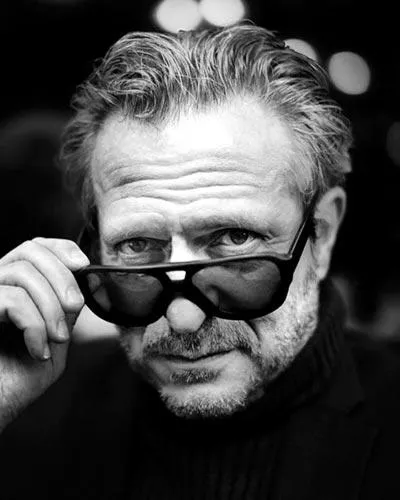
Charlie Rapino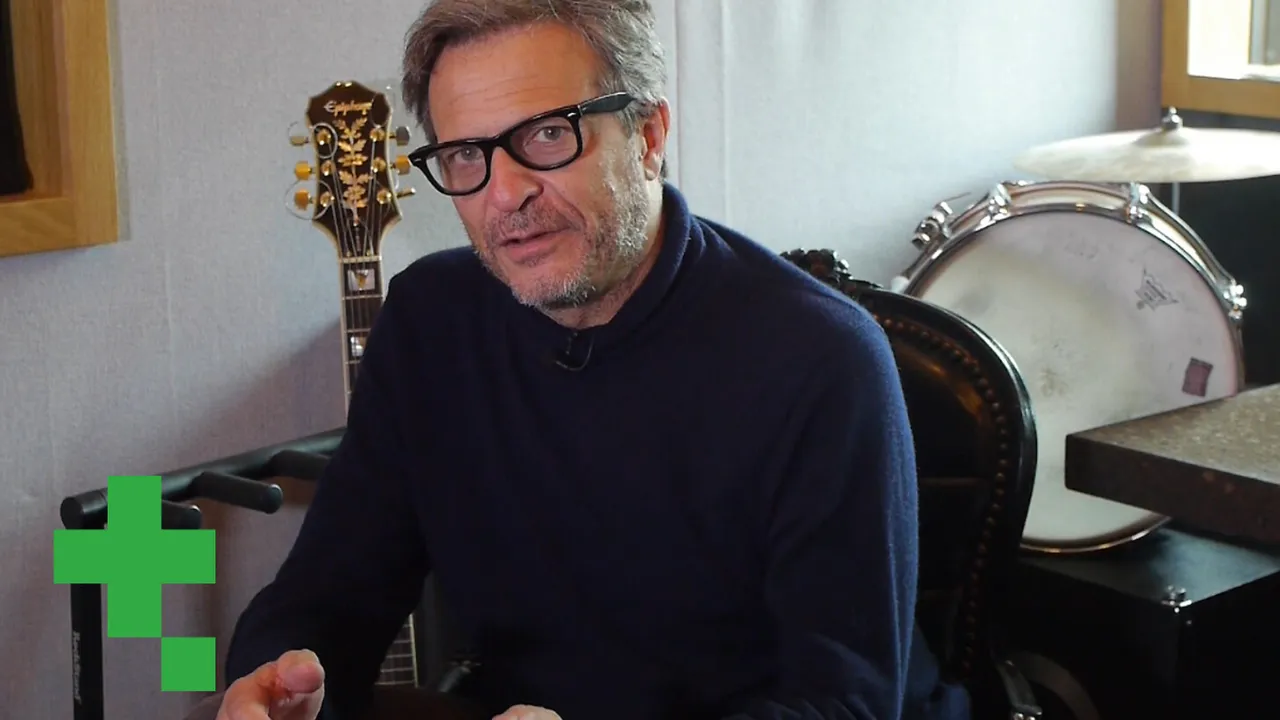
Le contenu du cours
16 leçons (2h 16min) · 1 gratuites
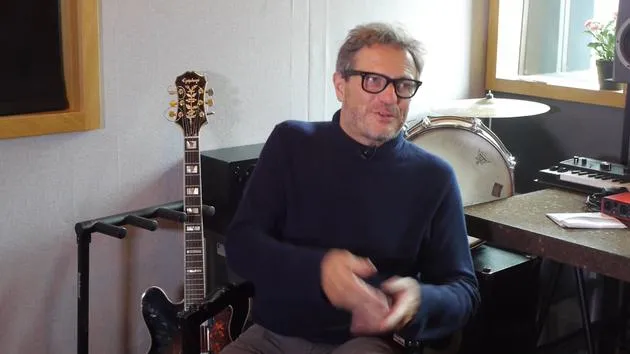
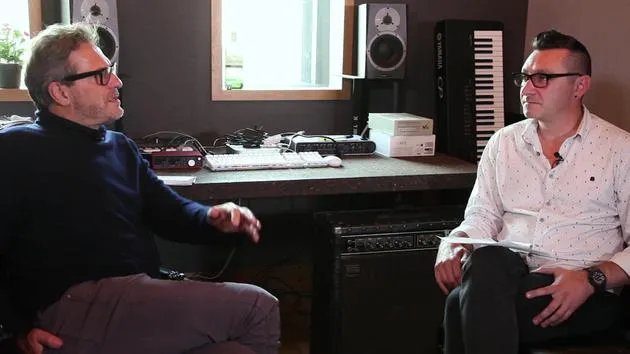
Transcription de la leçon
Charlie Rapinoe: A Journey into the Music Industry
Introduction
Charlie Rapinoe, welcome and thank you so much for joining us.
Starting Out in the Industry
"How did you start out in the industry?"
I started out in the industry because, probably, I couldn't have done much else. I had a big problem with authority and organized systems, which basically cut me off from 95% of any job.
- I was studying as a university student in my hometown, a small town southeast of Milan.
- At that time, I was working in a radio station in Italy.
It was a classic Italian scenario where they changed legislation and everything basically fell into complete anarchy. Everyone could open a radio station, and I was in a radical student radio. Through this radio, I got involved in concert and music promotion locally.
We promoted some pretty big gigs, like:
- Iggy Pop (who was big at the time)
- Patti Smith
... and others.
Role in Promotions
"I wasn't really a promoter; I was a liaison because I was the only one who could speak English."
Early Influences
My interest as a child, my earliest memories, was a strong curiosity about records, not because of the music, which you might find funny, but because I really liked the RCA logo.
- I must have been three or four years old, and I remember exactly the RCA logo, as it was the most important company in Italy at the time, along with Ricordi.
- I loved watching the records spin round and round.
I grew up with my grandparents near Naples, and my uncles were teenagers during a time when Naples was strategically important for the United States to control the Mediterranean. There was a significant presence of American GIs from NATO, who brought their music with them.
As a result, the music we grew up with was mainly African American music, such as:
- Otis Redding
- James Brown
It's almost like an Italian version of Liverpool because of Naples being a port and an important military point for the US forces.
Influential Records
"What were some of the first records you heard and were really influenced by?"
It was really the Beach Boys. I don't know why, but my uncles could get records and singles through NATO shops. I clearly remember Beach Boys records that were for military sales only.
In 1968-1967, seven out of the top ten in Italy were Black American acts. Stevie Wonder even translated his songs into Italian at one point, performing at the San Remo festival.
Mainly, my early memories consist of vinyl records spinning while listening to African American-influenced music through the radio.
Synergy with American Artists
Fast-forwarding to my time as a student, there was a natural synergy with American artists, including Iggy Pop and Patti Smith.
Italian popular music was thriving. Music schools, called conservatoria, had been established in Naples. RCA, being an American company, had to open a studio in Rome for war damages, in partnership with the Vatican.
The Vatican held a significant political influence on Italian affairs, and international releases like Elvis were handled from Rome. That studio was used by everyone, including Ennio Morricone, with whom I later worked.
A Renaissance Moment
Italian pop music was at its height during this time. If you needed a mid-tempo ballad, you had to go to Italy. Remember tracks like "Don't Have to Say You Love Me"? That was an Italian song.
There was a renaissance in music due to political and economic reasons, similar to the Liverpool scenario.
The Right Place at the Right Time
I feel I was in the right place at the right time in my youth, involved in student-driven radio and live promotions.
The gigs we hosted with Iggy Pop and Patti Smith were successful, though they were chaotic due to the Italian organizational style and some shady individuals involved. But it got my foot in the door.
I was more fascinated by what was behind the artist,
the brand, the structure, and the whole framework rather than the artist himself. I wasn't interested in being a rock star; I wanted to be the guy behind the rock star.
There was this absurd entrepreneurial streak in me. I found those managers fascinating, the kind with cigars, fast cars, and a lifestyle reminiscent of James Bond.
16 leçons
2h 16m de leçons vidéo structurées
Fonctions vidéo avancées
Ralentissez, bouclez un passage, suivez la partition
Mobile, tablette et ordinateur
Pratiquez où vous voulez
Satisfaction garantie à 100 %
Garantie remboursement 30 jours
Rencontrez votre guru
Rencontrez votre guru
Charlie a débuté dans l'industrie musicale en tant qu'avocat fraîchement diplômé, organisant des concerts en faisant venir des artistes comme Iggy Pop et Patti Smith devant un public universitaire italien radical.
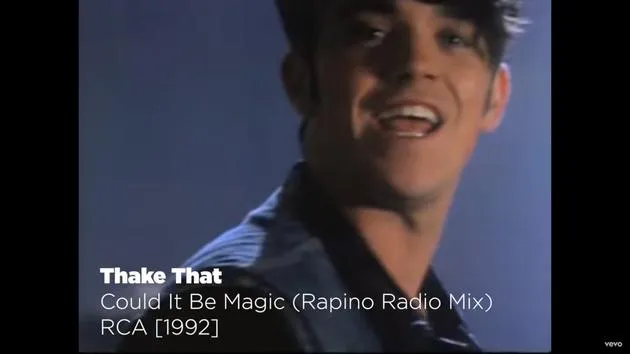
Après avoir travaillé au célèbre Record Plant NYC et s'être imprégné de la scène house, il forme les Rapino Brothers avec Marco Sabiu, s'installe à Londres en 1990 et ne regarde plus jamais en arrière. Là-bas, ils marquent la décennie de leur empreinte en produisant et en enregistrant des disques. Après leur premier succès avec Love Me The Right Way de Kym Mazelle, ils orchestrent le premier tube de Take That et produisent, mixent et peaufinent de nombreux grands noms de la pop dans les années 1990, de Kylie à Primal Scream.
En 1997, Charlie est le producteur « à l'antenne » de « Get Your Act Together » sur la BBC, suivi de « Full Frontal » sur Channel 4. De 1999 à 2004, il est A&R Director chez Sony Music International.
Son énergie ne faiblit jamais. Au fil des années, il a partagé son temps entre le conseil en management pour Ennio Morricone, le conseil pour le magazine Rolling Stone, le travail sur des bandes originales et le conseil en production pour le cinéma et les jeux vidéo (y compris convaincre Iggy Pop de faire les voix off du jeu vidéo Driver 3), ainsi que la signature et la gestion d'artistes via son label en coentreprise avec Sony, Stud Records.
Dans Get signed!, Charlie lève le voile sur des décennies d'expérience en production et en A&R pour te montrer exactement ce que les labels recherchent, comment façonner et présenter ton projet, et ce qu'il faut réellement pour se faire remarquer et décrocher un contrat.







