



Slides joues gonflées avec roulement d'épaules
Lesson time: (2min 1sec)
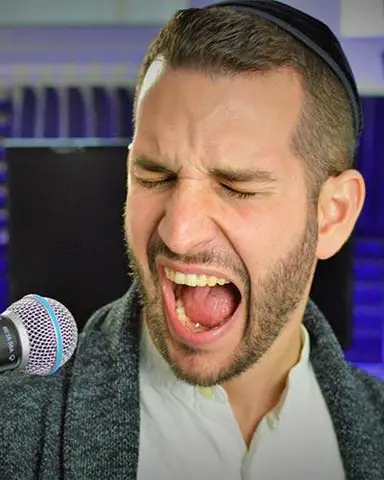
Un échauffement vocal avec Adam Mishan utilisant l'exercice des joues gonflées pour engager tes cordes sans paille, associé à un roulement d'épaules vers l'arrière pour relâcher la tension dans les épaules et la poitrine.
Course preview
This lesson is part of the course 30 jours pour une meilleure voix
Watch a preview of the full course below.
Lesson transcript:
Attention to Shoulders and Chest
Next, we're going to bring our attention to our shoulders and chest, which can potentially be another source of strain for the singer.
Puffy Cheek Exercise
Instead of the straw exercise, we will do the puffy cheek exercise. This exercise serves a similar purpose, but you won't need a straw.
- How to perform the exercise:
- Puff your cheeks out and blow sound through them.
- Pause the video right now and give that a try.
Key Points to Remember
While you're doing this, keep the following in mind:
-
Engage the vocal cords:
- Don't just blow air; ensure that your vocal cords are engaging.
- You need to produce tone. You'll be able to hear the difference.
-
Sound above the nose:
- We don't want any sound coming above the nose.
- Plug and unplug your nose as you do it to ensure that the sound doesn't change.
- This is a good way to know that you're not sending air through the nose.
Shoulder Roll
Now, let's focus on doing a shoulder roll backwards.
- Key to the shoulder roll:
- Try to keep your shoulders moving smoothly up and around.
- Many students make slight movements, lifting and lowering, but we want to achieve a nice, full roll.
Can you give that a try right now? Pause the video and practice the shoulder roll.
Combining Techniques
Once you have the shoulder roll going, we will combine it with the puffy cheek exercise.
- How it looks:
- This will look similar to the straw exercise.
For the full exercise routine, refer to the MP3s as this demonstration is just a part of it.
About the instructor
Adam Mishan est un coach vocal qui a appris à chanter en autodidacte. Ses vidéos documentent le parcours qui l'a mené de l'incapacité à tenir une note jusqu'au chant avec un vrai contrôle, et ce chemin façonne aujourd'hui sa façon d'enseigner : plus de 200 000 personnes le suivent sur YouTube. Dans ses cours, tu travailleras la justesse, le soutien du souffle, le timbre et l'étendue par petites étapes reproductibles, exactement comme il a construit sa propre voix. read more