



Vibrato
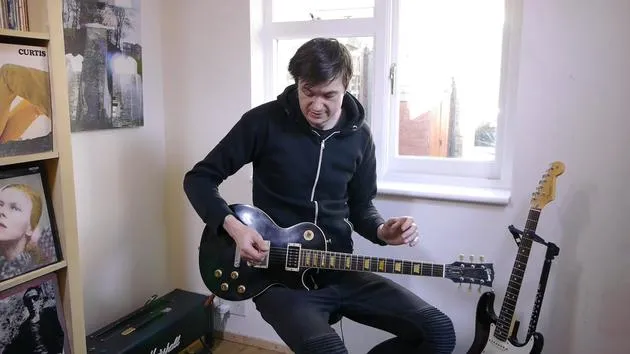
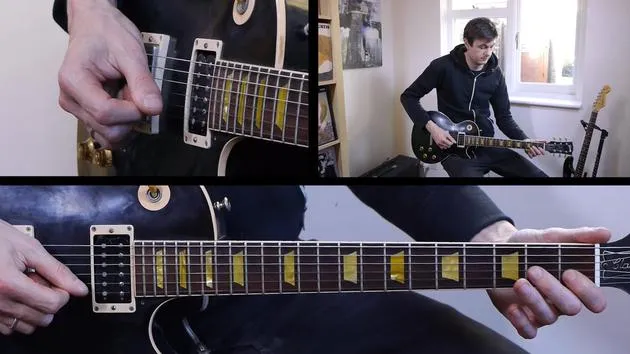
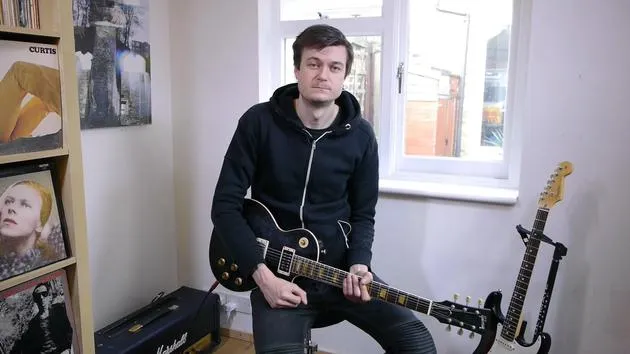
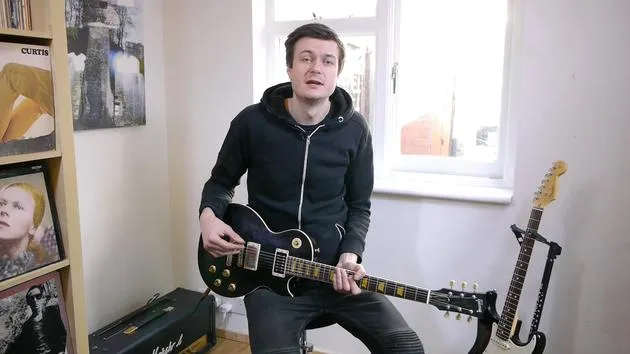
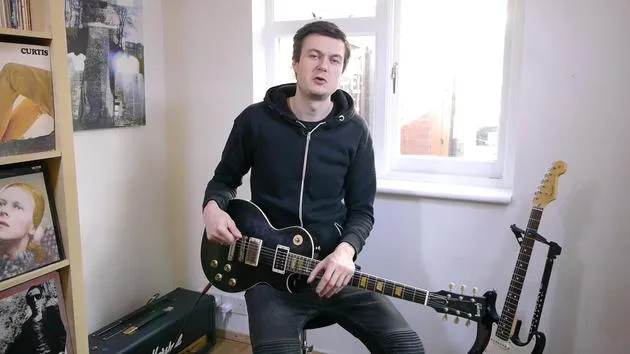
James Barratt desglosa el vibrato, una de las técnicas más expresivas de la guitarra, y dónde aplicarlo sobre notas sostenidas dentro de una melodía.
Qué incluye el curso
43 lecciones (3h 11m) · 1 gratis
01. Introducción a los enfoques de la improvisación
1:00
02. Primeros pasos con la improvisación
9:22
03. Improvisar sobre notas del acorde
10:18
04. Tarea: Encontrar las notas del acorde
4:05
05. Añadir interés rítmico a tus solos
4:11
06. Ejercicio: improvisar sobre un cambio de acorde
2:52
07. Reto: Envía tu improvisación
0:24
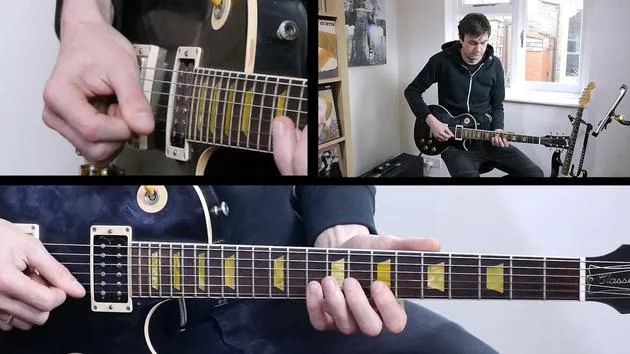
08. Adornar una melodía
5:36
09. Reto: Envía tu melodía
0:26
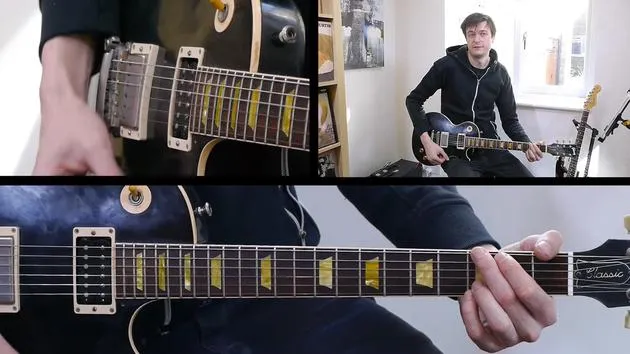
10. Improvisación rítmica y comping
9:55
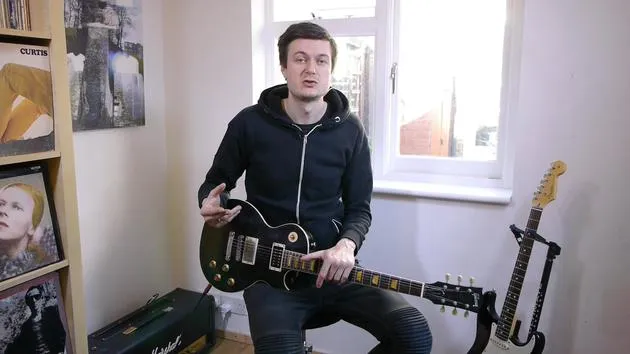
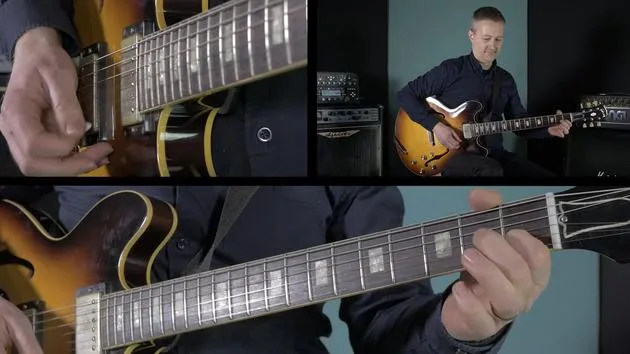
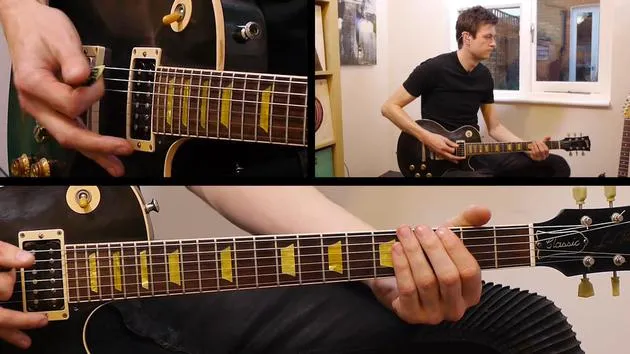
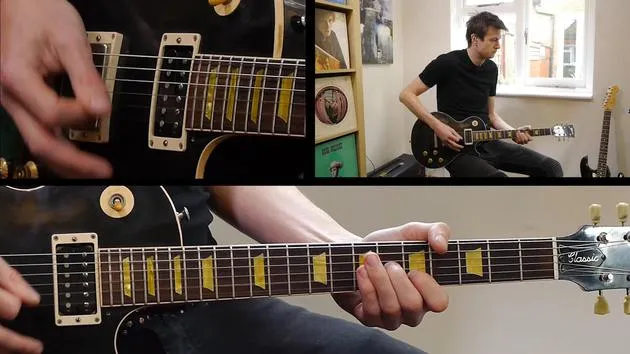
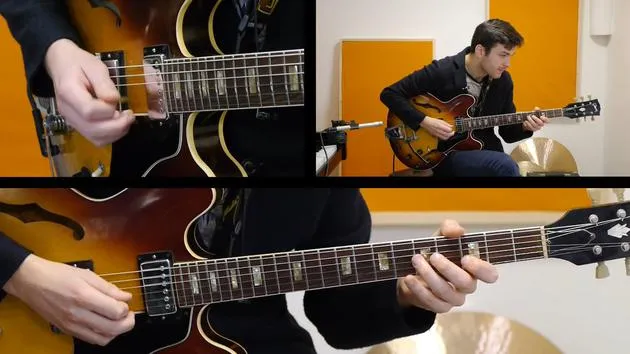

Transcripción de la lección
Understanding Vibrato: A Guitar Technique
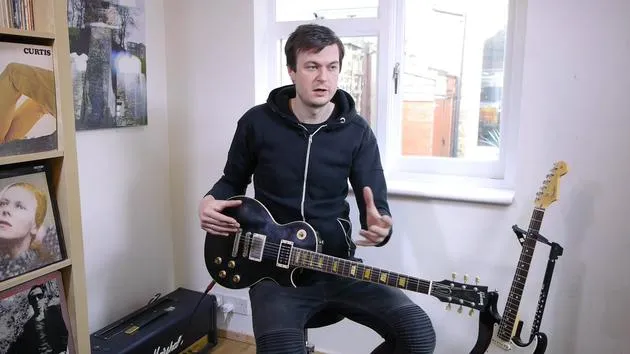
Okay, so I'd like to talk to you now about one of the most expressive techniques that guitar has to offer , vibrato.
Where to Apply Vibrato
Firstly, let's discuss where you might apply vibrato within a melody.
- Sustained Notes: Usually, you would apply it over a sustained note in a melody.
- Busy Melodies: If you've got a busy melody with lots of notes passing by quickly, you don't need to apply vibrato to every single note. It really shines when you allow a note to ring out and breathe for a moment, using vibrato to finesse it.
Example Phrase
For example, a simple phrase might sound like this:
"Okay. So I'm not applying vibrato to every one of those notes. That would sound terrible!"
Considerations for Applying Vibrato
When you're working on adding vibrato, consider the following:
- Style of the Piece: For a slow ballad, using a huge, aggressive vibrato (like in a Gary Moore piece) might not make sense. Instead, aim for something more subtle.
- Tempo and Feel: Match your vibrato to the tempo and feel of the music.
Speed and Width Variations
Two key elements you can vary:
- Speed: How fast or slow you vibrate the string.
- Width: How far you move the string.
- Example: Zak Wylde is known for his wide vibrato, while you might want something more refined for softer pieces.
Personalizing Your Vibrato
Vibrato is incredibly personal and unique to each guitar player.
- Circular vs. Classic Approach:
- Some players use a circular vibrato, which works well for subtle effects.
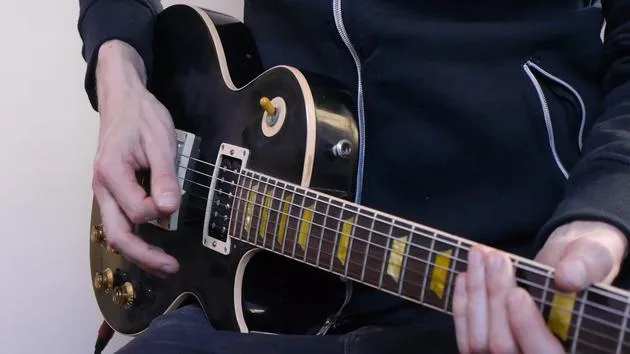
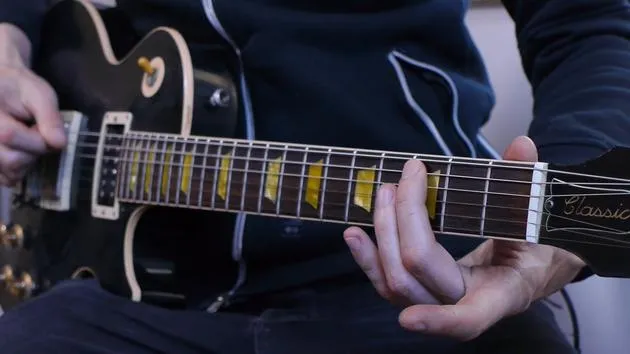
- A classical approach involves moving your finger side to side, going with the grain of the string, producing a subtle vibrato.
Anchoring Your Finger
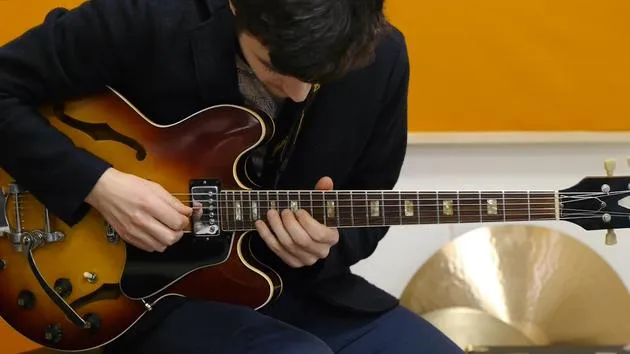
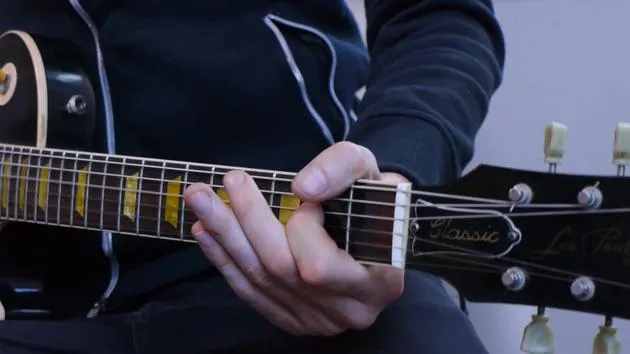
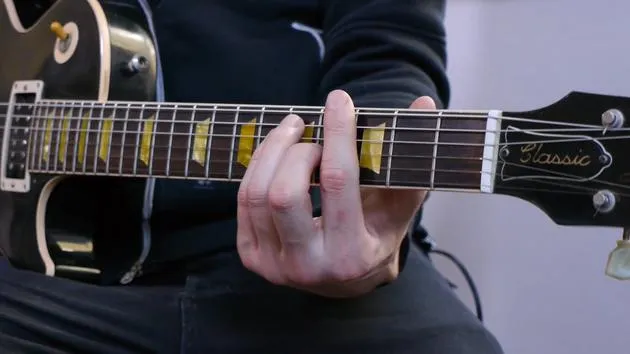
For a wider vibrato, anchor your finger and get energy from your wrist.
- Common Misconception: You don't need to go both ways with vibrato.
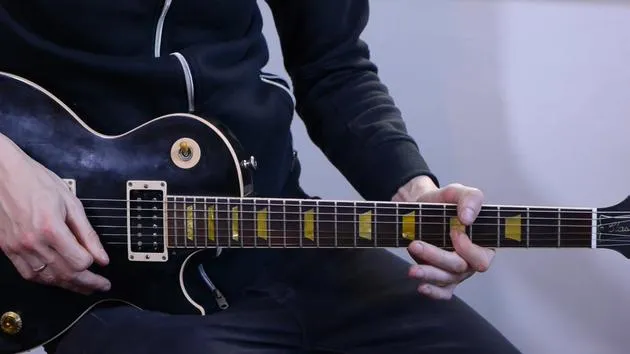
"When I play this note now, my vibrato is going towards the floor and then returning to center."
Demonstration
- Right Technique: Playing down and then returning to my starting point.
- Incorrect Technique: If I vibrato both ways, it doesn't work.
Experimenting with Vibrato
Experiment with different speeds and widths of vibrato.
- Control: Start with a slow, controlled vibrato and gradually increase the speed and width.
Introducing Vibrato
Think about how soon to introduce vibrato.
- Example: With the earlier phrase, listen to the difference when applying vibrato straight away versus letting the note breathe for a moment before starting.
"It's often nice to let the note breathe a little bit before decorating it with vibrato."
Using Different Fingers
You can use any finger for vibrato.
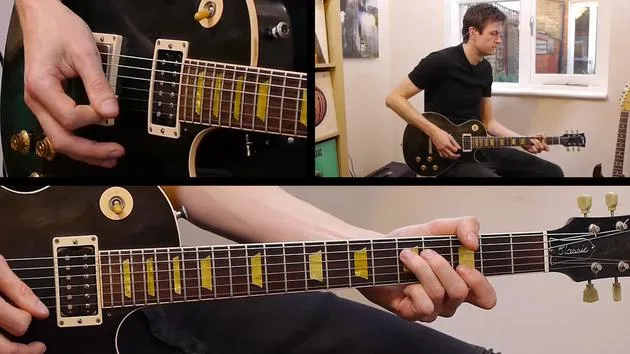
- Supporting Finger Technique: When using the third finger, support it with another finger behind it on the string for more control.
Example Technique
- Without Support: Sounds weak and uncontrolled.
- With Support: Much more controlled vibrato; you can even use your first finger laid across the strings to keep noise down.
"Rest your first finger across the strings to keep them quiet when using a lot of overdrive."
Conclusion
I hope these tips on vibrato are useful! It's an expressive tool that can elevate your playing regardless of your current ability level.
So, do check it out and start incorporating vibrato into your playing as soon as possible!
43 lecciones
3h 11m de lecciones en vídeo estructuradas
Funciones de vídeo avanzadas
Ralentiza, repite un pasaje, sigue la partitura
Móvil, tablet y ordenador
Practica donde quieras
Garantía de satisfacción 100%
30 días de garantía de devolución







