



Reggae Island
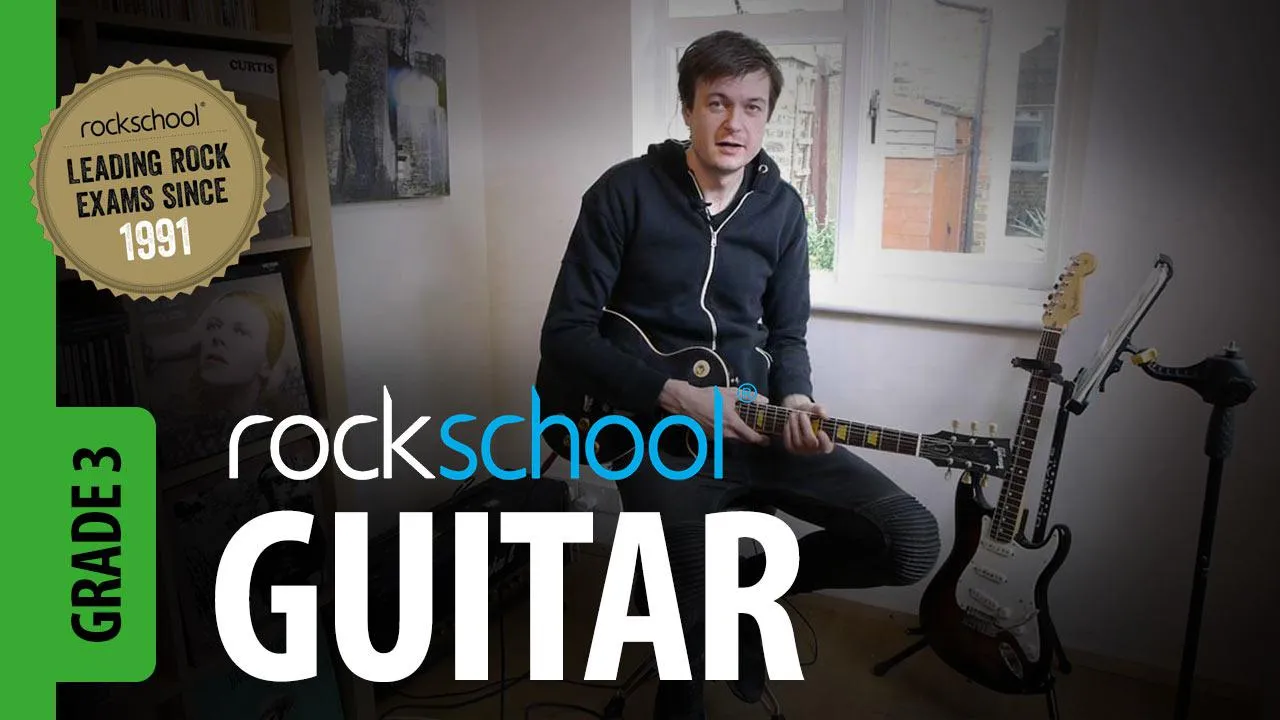
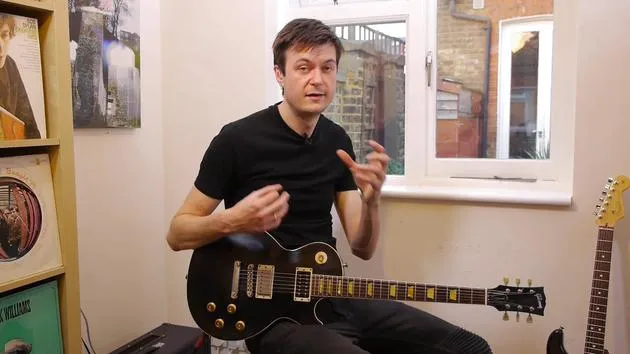
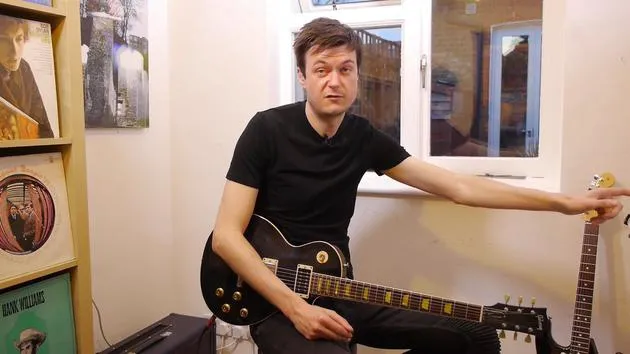
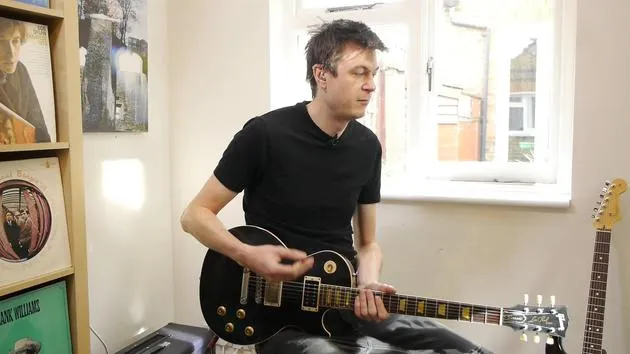
Rob Luft desglosa el estilo reggae de esta pieza de Grado 3: el tono brillante y con filo y los ajustes de pastilla trasera y agudos realzados que la hacen funcionar.
Qué incluye el curso
43 lecciones (3h 11m) · 1 gratis
01. Introducción a los enfoques de la improvisación
1:00
02. Primeros pasos con la improvisación
9:22
03. Improvisar sobre notas del acorde
10:18
04. Tarea: Encontrar las notas del acorde
4:05
05. Añadir interés rítmico a tus solos
4:11
06. Ejercicio: improvisar sobre un cambio de acorde
2:52
07. Reto: Envía tu improvisación
0:24
08. Adornar una melodía
5:36
09. Reto: Envía tu melodía
0:26
10. Improvisación rítmica y comping
9:55

Transcripción de la lección
Rasta Monkey in the Reggae Style
Here we go. This piece is heavily inspired by reggae greats such as Bob Marley, Toots and the Maytals, and other great artists from Jamaica in the 20th century.
Key Characteristics of Reggae Guitar
One of the key things to note about reggae guitar is the sound:
- Bright
- Edgy
- Raw
Guitar Setup
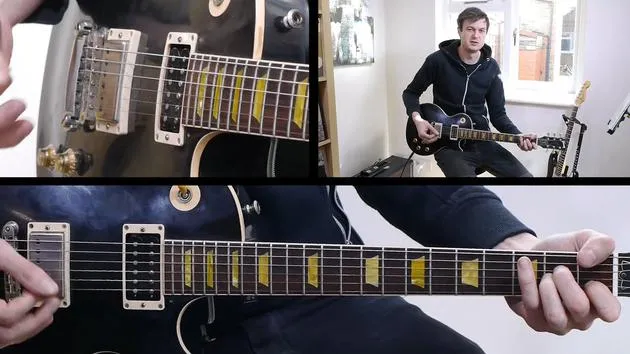
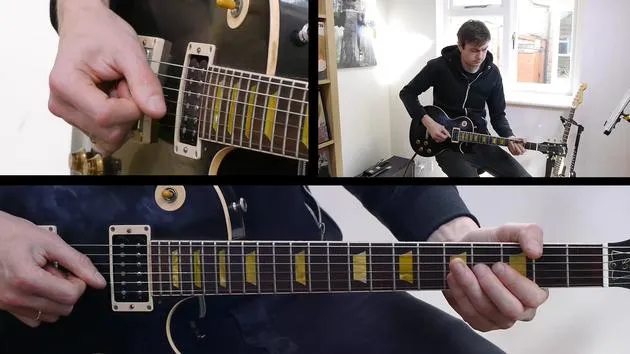
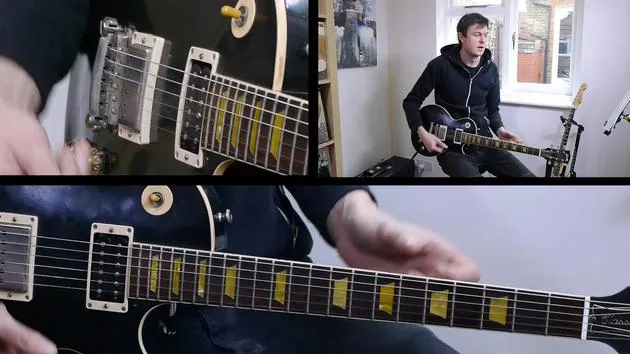
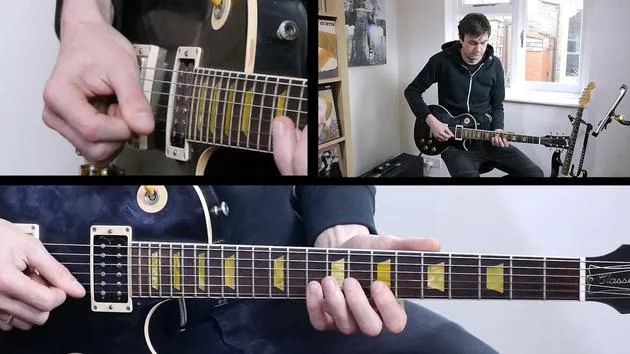
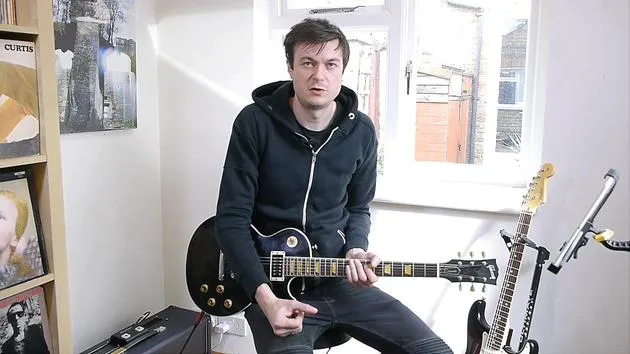
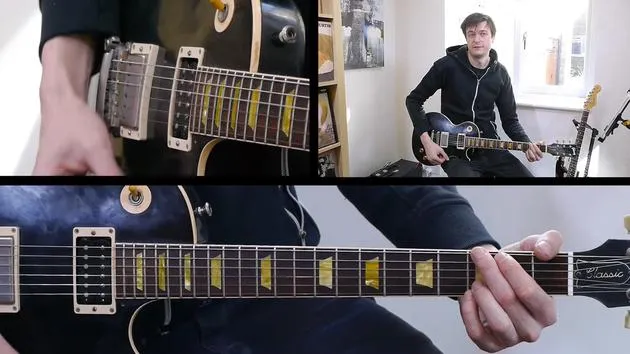
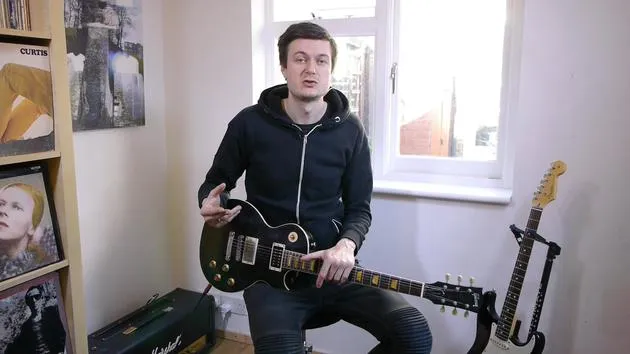
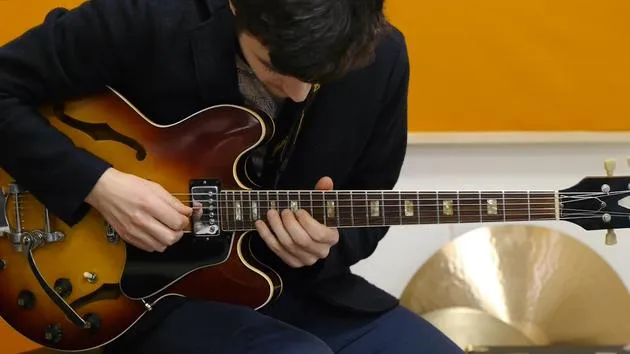
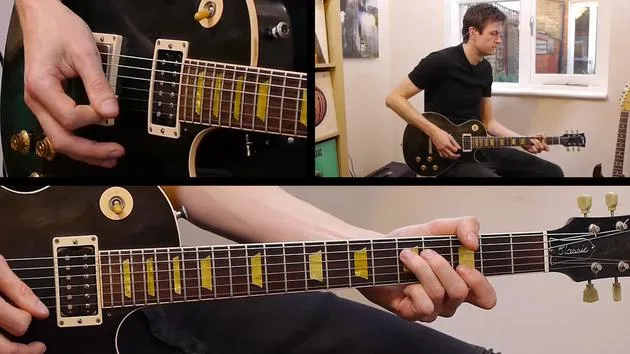
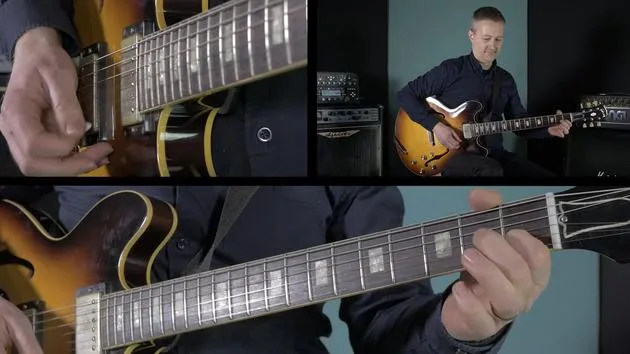
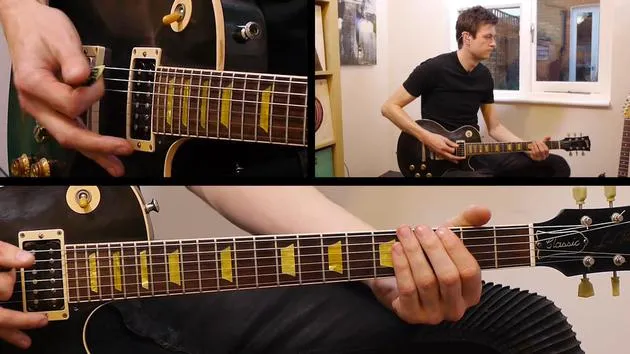
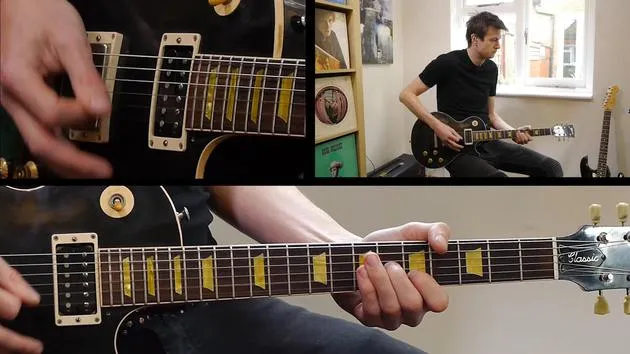
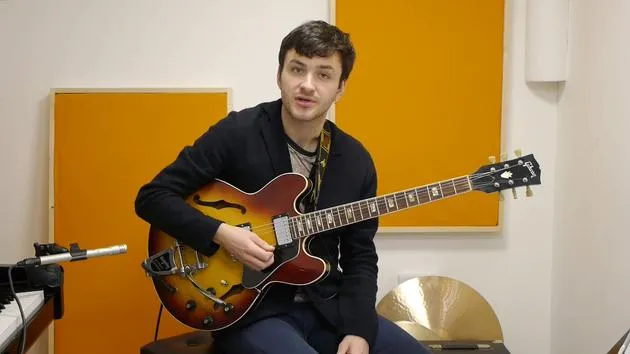
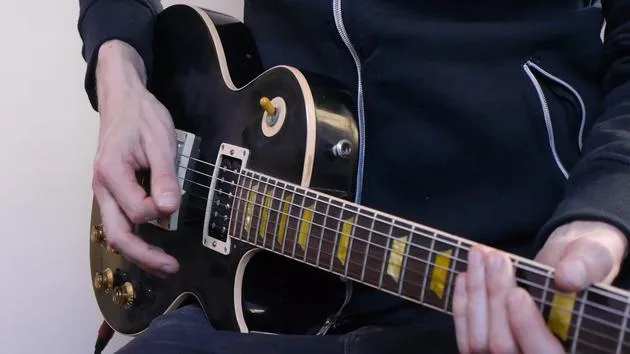
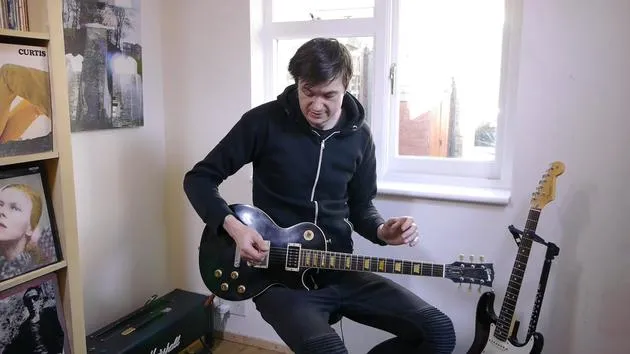
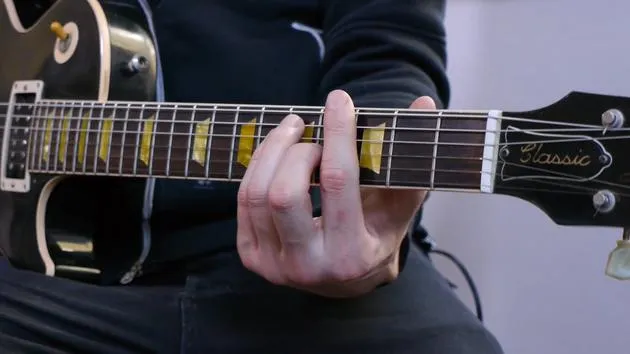
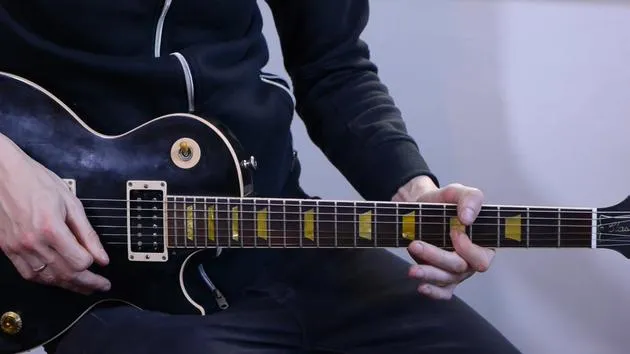
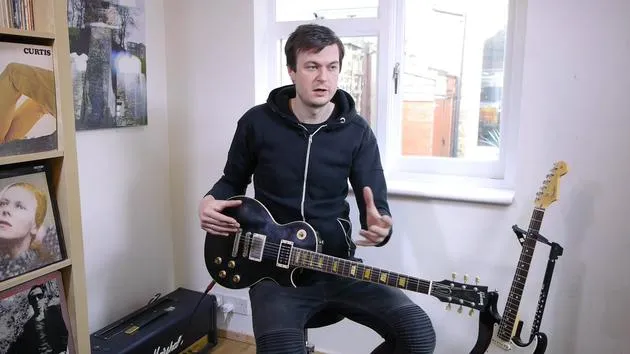
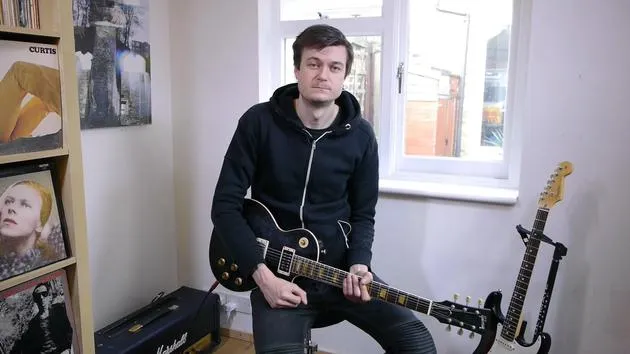
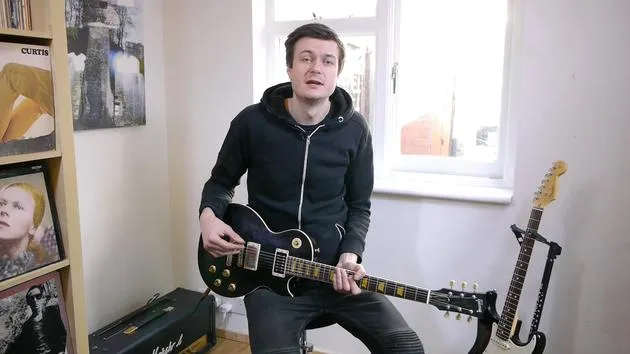
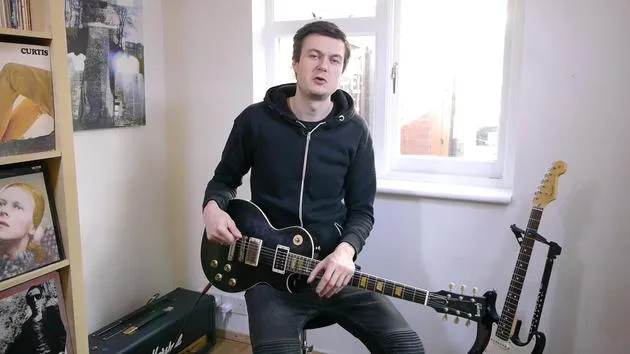
- Pickup Selection: I always play on the back pickup of my guitar. I'm playing a Gibson here, but you can choose to play this on any electric guitar, whether it be a Stratocaster, Fender, or whatever.
- Amplifier Settings: I often turn up the treble on my amplifier and select the back pickup, turning up the treble on my guitar to get this sound.
- Playing Position: I also choose to play at the back of my guitar towards the bridge, giving a very bright, raw sound.
Playing Technique
Use of the Plectrum
In reggae, it's important to note the technique of using the plectrum:
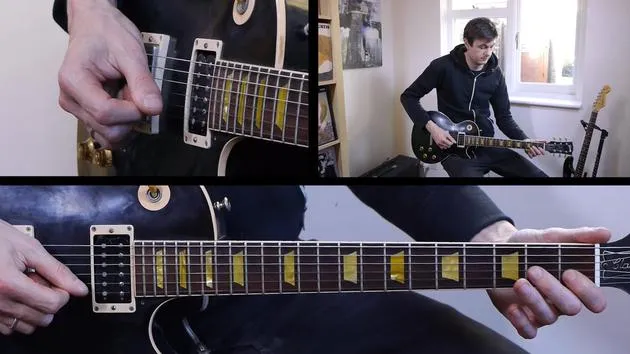
- Offbeat Chords: I always play the offbeat chords with upstrokes to give a loose, rough feel.
- Vibe Over Accuracy: Remember, reggae is not so much about accuracy as it is about the vibe of the music. This often leads to a relaxed "behind the beat" feeling.
What Does "Behind the Beat" Mean?
This means pulling my chords slightly back, not feeling too mathematical or metronomical, which creates a relaxed sensation in the music.
- Count: 1, 2, 3, 4, etc.
- Effect: This pulls the music backward in a way.
The guitar acts as a kind of harmonic or melodic percussion instrument.
Palm Muting
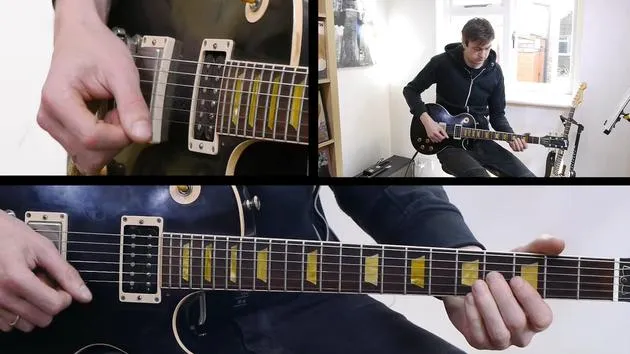
Moving forward, let's talk about the palm muting style used for more melodic lines.
- Technique: In Bar 9 (Letter B), we use a palm muted technique. It's also present in the intro.
- How to Execute: Take the side of your palm and place it back onto the bridge while playing as normal.
This is a simple technique that is very stylistically accurate in reggae and ska music.
Octave Lines
Now, let's discuss how to play the octave lines at Letter C.
- Understanding Octaves: Octaves on the guitar mean doubling a note in a high register when it repeats. In Western music, we have 12 notes to the octave.
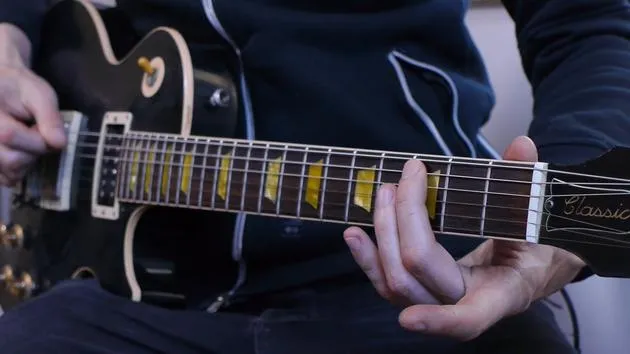
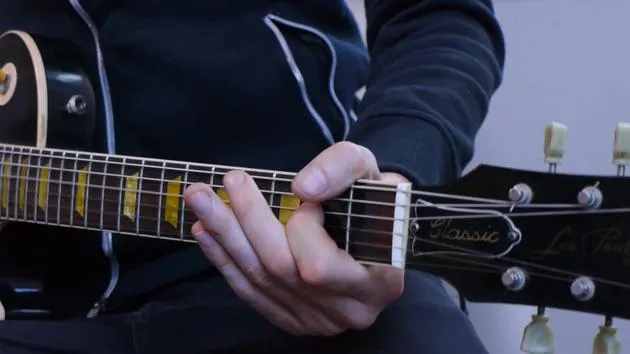
- Location: At Letter C, I play it on the fifth fret of the D string and the eighth fret of the B string.
Using the Thumb
I play these octaves with my thumb in the style of jazz guitarist Wes Montgomery, known for his soft, warm sound.
- Technique: I've developed a technique of placing the plectrum between my two fingers, strumming with my thumb, and flicking the plectrum back.
Muting Technique
It's crucial to remember when using octaves:
- Muted String: The string in between needs to be muted.
- How to Mutate: With your left hand, mute the G string while pressing down on the fifth fret of the D string.
This ensures a clear sound as the octaves are spaced three strings apart.
Soloing Techniques
Improvisation over G Minor and D Minor
Now, let's talk about soloing in this piece.
-
Pentatonic Scales: You can use two pentatonic scales:
- G minor pentatonic
- D minor pentatonic (starting on the 10th fret of the low E string)
-
Melodic Ideas: I piece together melodic ideas by shifting these scales when the chords change.
For example:
- Bar 1 (Letter D): G Minor
- Bar 2: Shift to D Minor
Developing Melody
- Simple Play: This gives you a straightforward way of developing your solo over the chords.
- Consistent Use: Sticking to the G minor pentatonic can also be effective, allowing more time to develop a melodic sense.
Additional Soloing Techniques
- Repeated Notes: Play a simple melodic phrase and repeat the first note to cultivate a relaxed feeling.
- Double Stops: Play two notes together for a bluesy sound, typical of reggae guitarists.
Recommended Listening
To sum up, I suggest exploring the music of Bob Marley and the Wailers.
- Compilation: Check out the compilation album Legend, which features his greatest hits.
- Musical Impact: Bob Marley's music is not only lyrically powerful but also has an uplifting groove that showcases the guitar prominently.
Conclusion
Enjoy the piece, and always ask your teacher for recommendations. Keep checking out Bob Marley and listen to the guitar players in the Wailers.
Explore other bands related to this genre, like Jimmy Cliff and Toots and the Maytals.
Enjoy, and see you again!
43 lecciones
3h 11m de lecciones en vídeo estructuradas
Funciones de vídeo avanzadas
Ralentiza, repite un pasaje, sigue la partitura
Móvil, tablet y ordenador
Practica donde quieras
Garantía de satisfacción 100%
30 días de garantía de devolución







