



Púa alternada
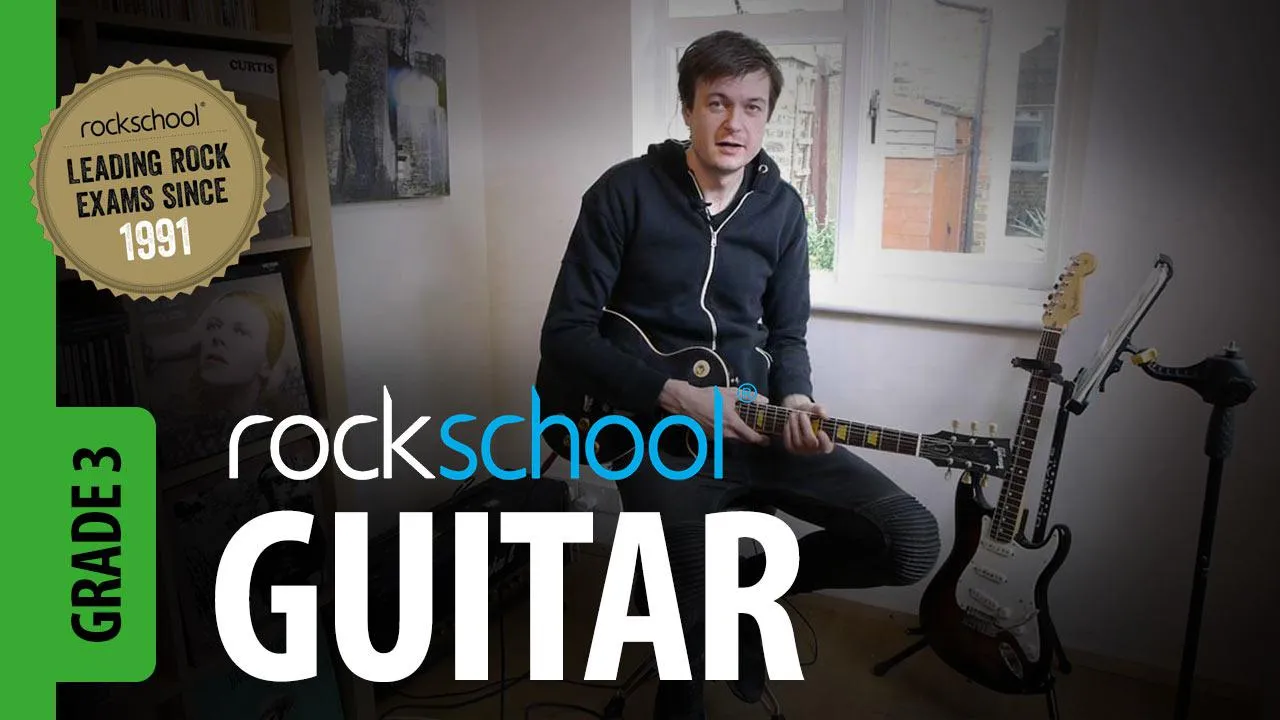
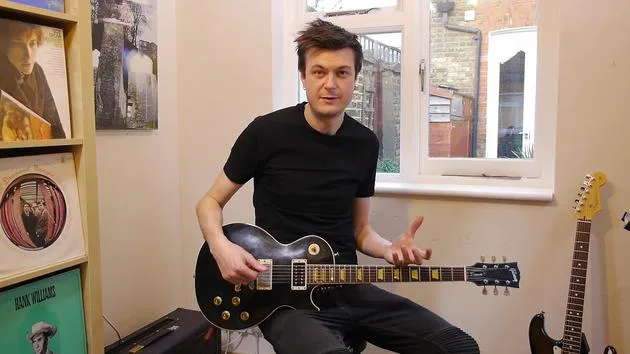
James Barratt desglosa la púa alternada usando la escala de do mayor: alternando golpes hacia abajo y hacia arriba para sincronizar tus manos de púa y de trastes.
Qué incluye el curso
43 lecciones (3h 11m) · 1 gratis
01. Introducción a los enfoques de la improvisación
1:00
02. Primeros pasos con la improvisación
9:22
03. Improvisar sobre notas del acorde
10:18
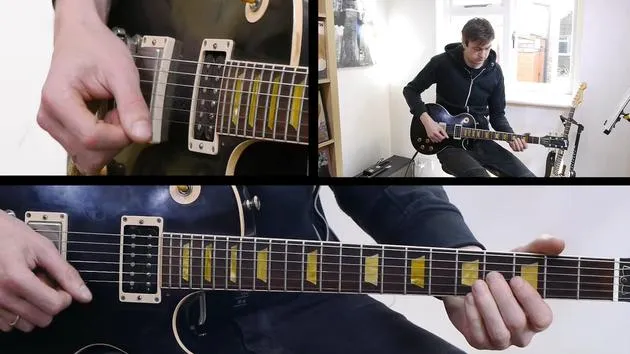
04. Tarea: Encontrar las notas del acorde
4:05
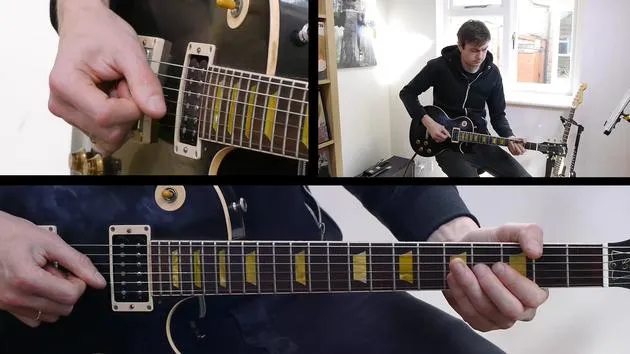
05. Añadir interés rítmico a tus solos
4:11
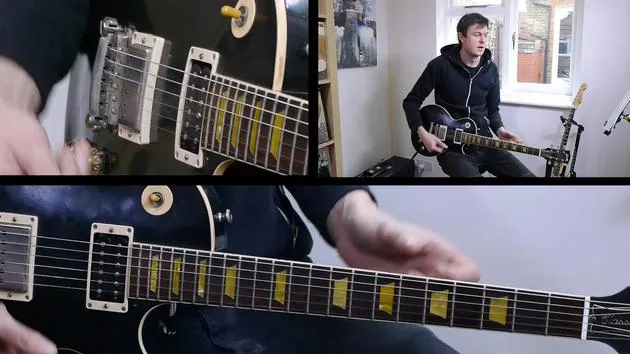
06. Ejercicio: improvisar sobre un cambio de acorde
2:52
07. Reto: Envía tu improvisación
0:24
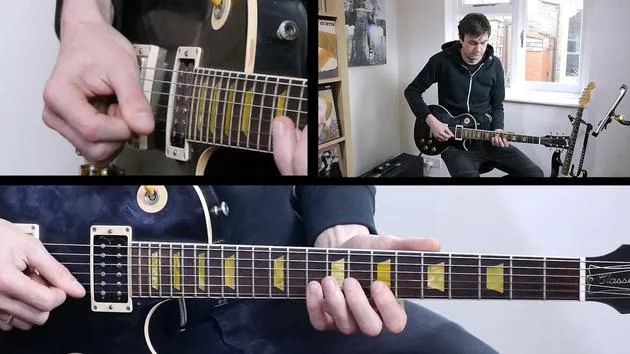
08. Adornar una melodía
5:36
09. Reto: Envía tu melodía
0:26
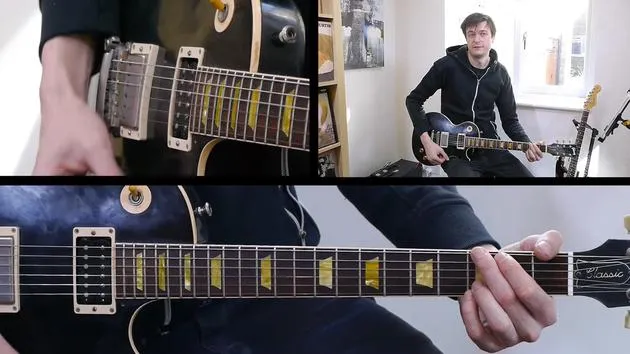
10. Improvisación rítmica y comping
9:55
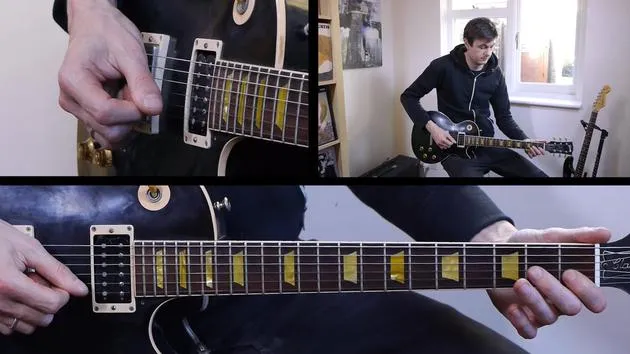
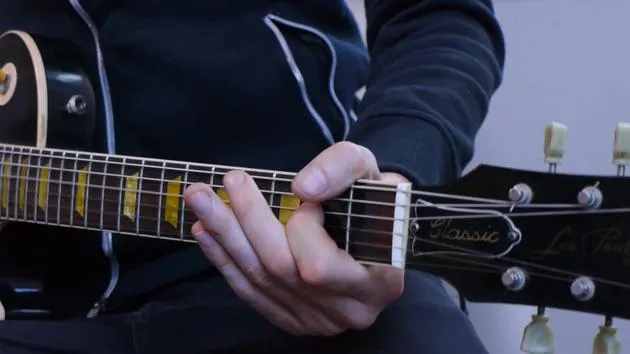
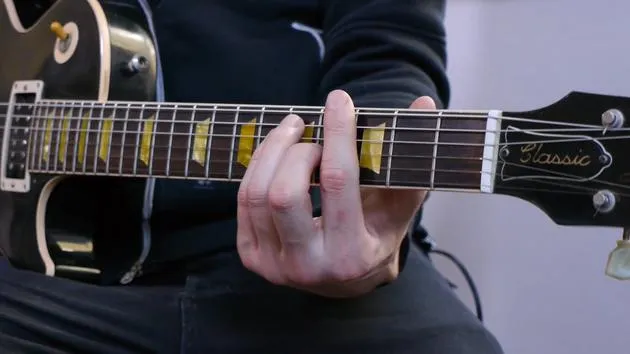
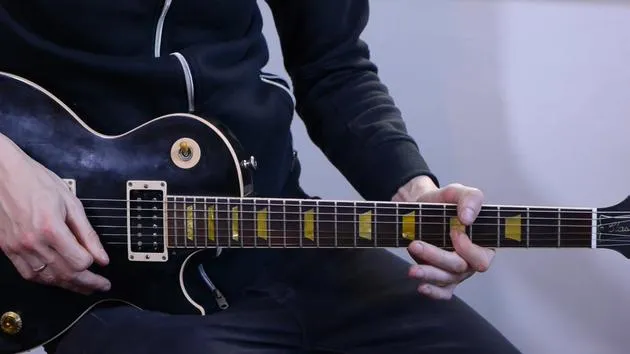
Transcripción de la lección
Music Lesson: Alternate Picking Techniques
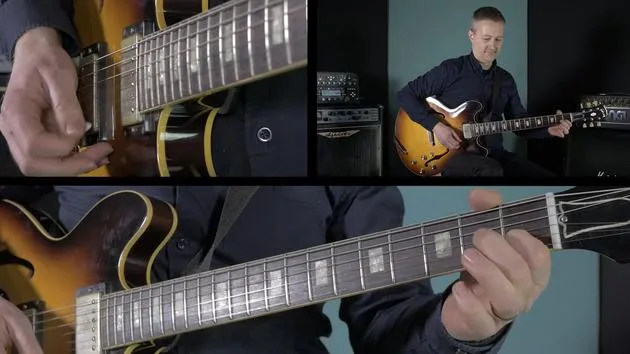
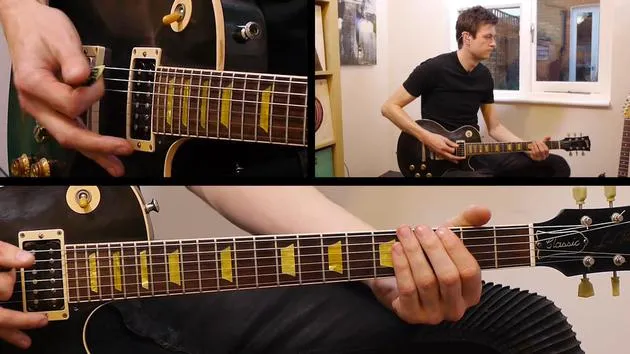
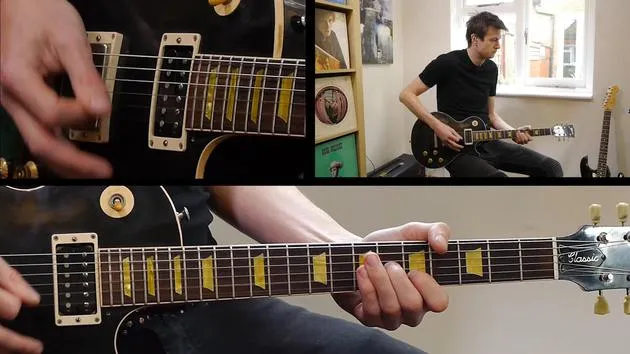
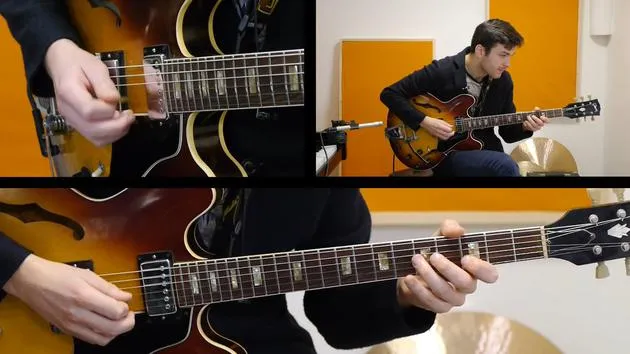
Okay, so let's start getting these hands working together. Now we're going to talk about alternate picking.
Introduction to Alternate Picking
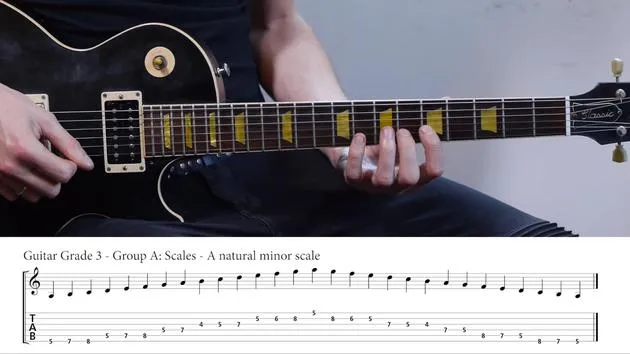
If you've got the grade books, you'll have access to lots of scales. It doesn't really matter which one you pick, but these are all great exercises to help the synchronization between your hands. It's also something that you can use to develop your alternate picking technique as well.
Using the C Major Scale
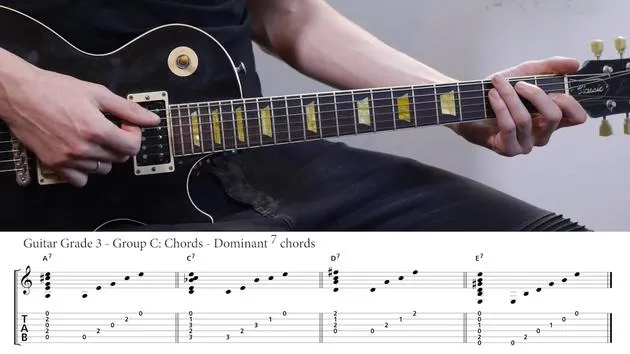
What we're going to use today is the C major scale. This will be in the technical exercises, as I said, and we're going to practice this alternate picking.
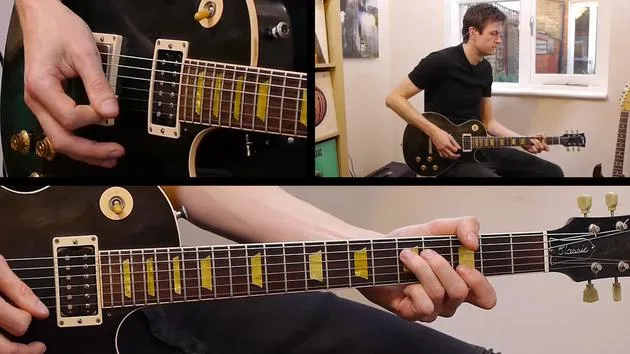
- Place your right hand on the bridge as we discussed.
- Begin with a down stroke on the C note (the first note).
Every note that follows is going to be in the opposite pick direction to the previous one:
- Down
- Up
- Down
- Up
- Down
- Up
And that is alternate picking!
Let's Try It
Okay, let's have a go at it nice and slowly.
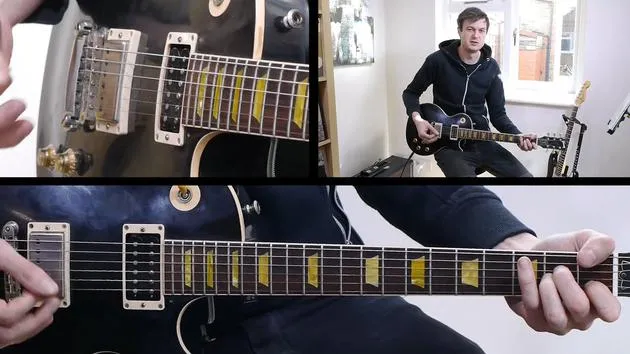
Right hand on the bridge. Here we go:
2, 3, 4.
Down, up, down, up, down, up, down, up.
You can try this with any of your scales. The C major scale is quite a good one because there are different numbers of notes on each string, which means it's a little bit of a challenge for your right hand to get used to.
Proper Technique
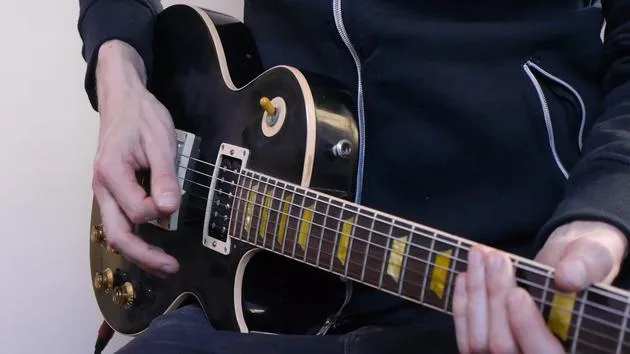
What hopefully you've noticed there is that my downstrokes and my upstrokes don't involve different hand techniques. I'm not rotating my wrist with extreme rotations or anything like that. It's all just nice and relaxed:
- Downstroke
- Upstroke
- Down, up, down, up, down, up.
Practicing with Different Notes
You can practice this with lots of different scales, or you might even just pick a few notes on a couple of strings and practice it across a pair of strings.
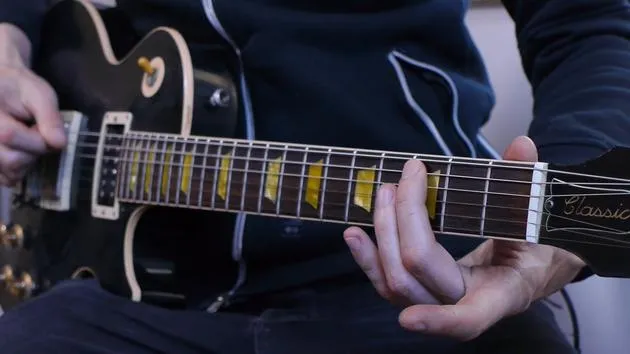
For example, if we go to third fret on the D string:
- 3, 5
- And then the same on the next string:
- 3, 5
Just repeat back and forth between those:
Down, up, down, up.
Using a Metronome
This is something you can practice with a metronome. Gradually build up the speed and just make sure that at all times you're feeling in control of what your right hand is doing.
Listening to Your Sound
It's important to say, and it might sound silly, but make sure you're listening to the quality of the sound that's coming out.
It's easy to concentrate so hard that you forget to listen to what's actually happening. If you find that happening, what can be really useful is to just record on your phone or laptop.
Record a bit of audio or video, and then listen to it back while you're not having to actually concentrate. Ask yourself:
- How did that sound?
- What could I do to improve it?
Then, try it again. It's a really good thing to do.
43 lecciones
3h 11m de lecciones en vídeo estructuradas
Funciones de vídeo avanzadas
Ralentiza, repite un pasaje, sigue la partitura
Móvil, tablet y ordenador
Practica donde quieras
Garantía de satisfacción 100%
30 días de garantía de devolución







