



Maiden Voyage
James Barratt desglosa Maiden Voyage, una pieza de indie-rock relajado construida sobre acordes semiabiertos con cuerdas agudas resonantes y tipo drone.
Qué incluye el curso
43 lecciones (3h 11m) · 1 gratis
01. Introducción a los enfoques de la improvisación
1:00
02. Primeros pasos con la improvisación
9:22
03. Improvisar sobre notas del acorde
10:18
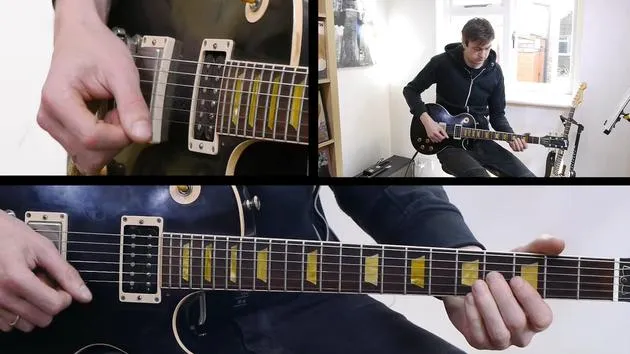
04. Tarea: Encontrar las notas del acorde
4:05
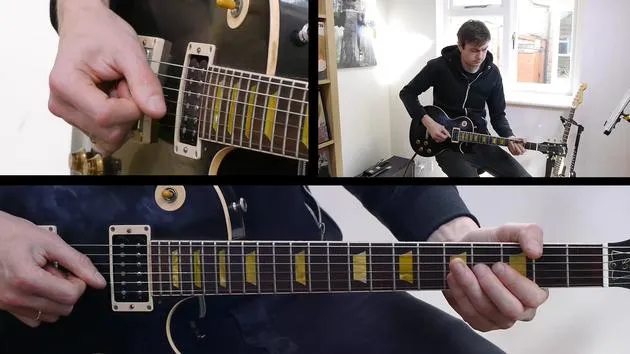
05. Añadir interés rítmico a tus solos
4:11
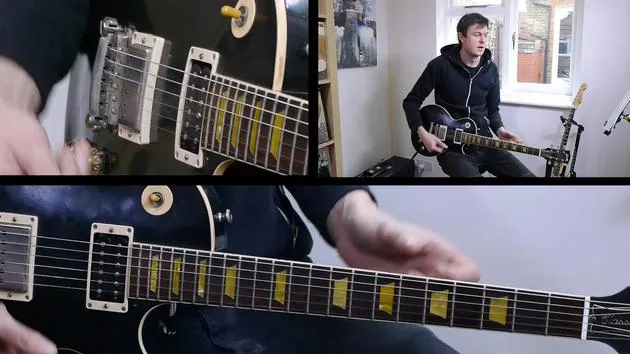
06. Ejercicio: improvisar sobre un cambio de acorde
2:52
07. Reto: Envía tu improvisación
0:24
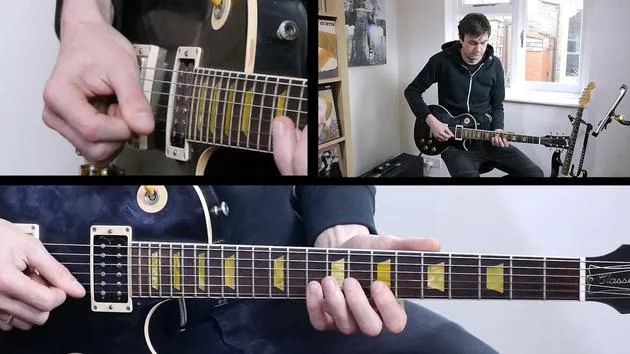
08. Adornar una melodía
5:36
09. Reto: Envía tu melodía
0:26
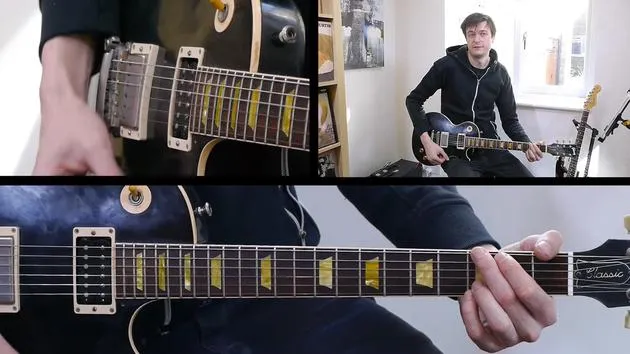
10. Improvisación rítmica y comping
9:55
Transcripción de la lección
Music Lesson: Maiden Voyage (Grade 3)
Hey, guys!
Today, let's check out Maiden Voyage from Grade three. This is a really cool indie rock track. On the scale of indie rock, it sits in the more chilled vibe section. Bands like Coldplay or the more chilled tracks by The Killers use similar approaches.
Chord Shapes and Techniques
A Section
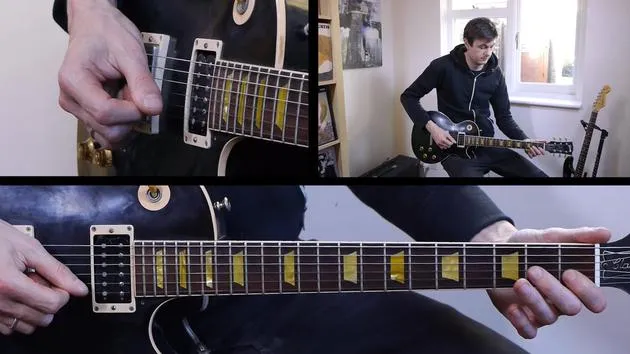
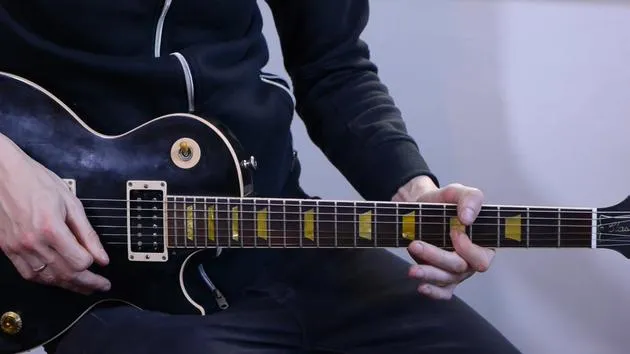
- The piece begins with really nice half-open chords.
- We have droney top strings that ring out in all the chords, giving a cool sound.
- This style is indicative of the genre as you'll hear those types of chords often.
Fingering Tips:
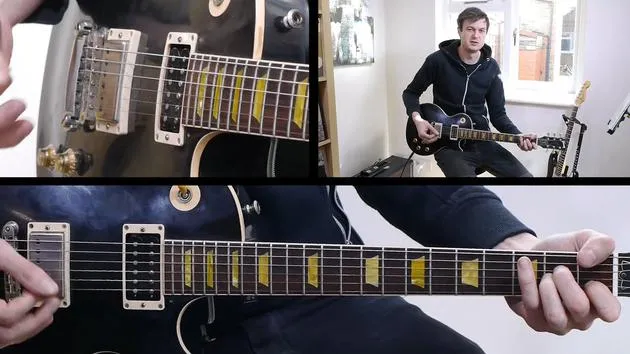
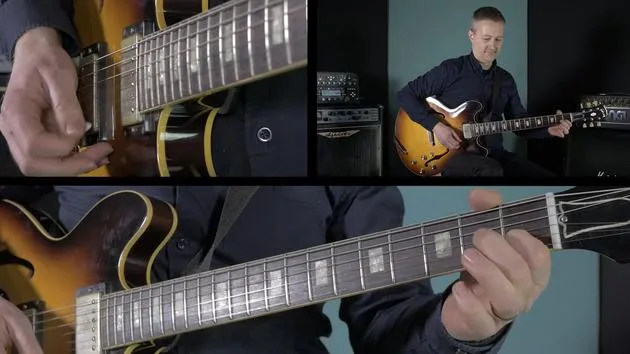
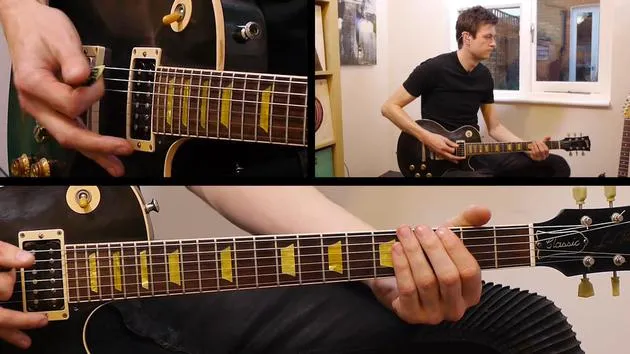
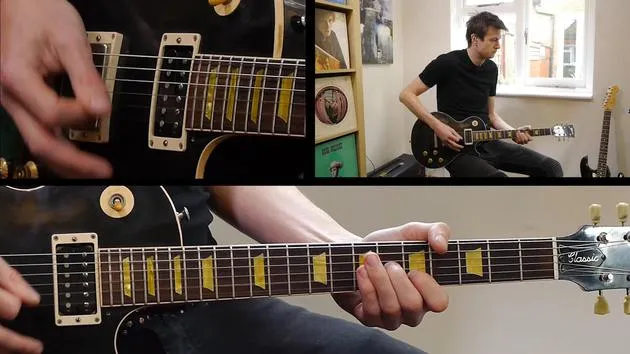
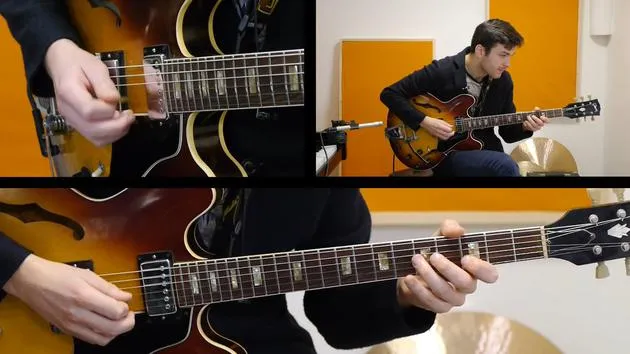
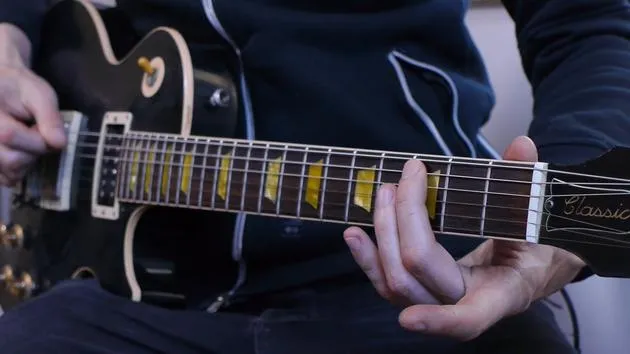
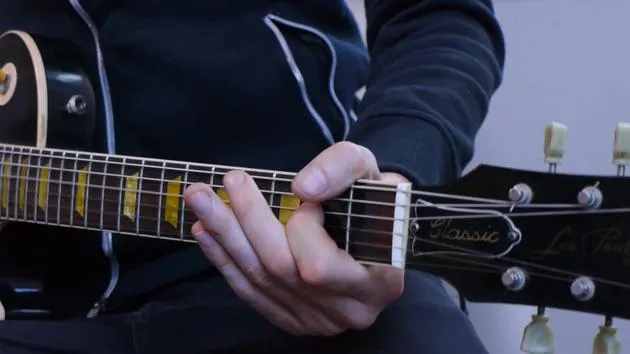
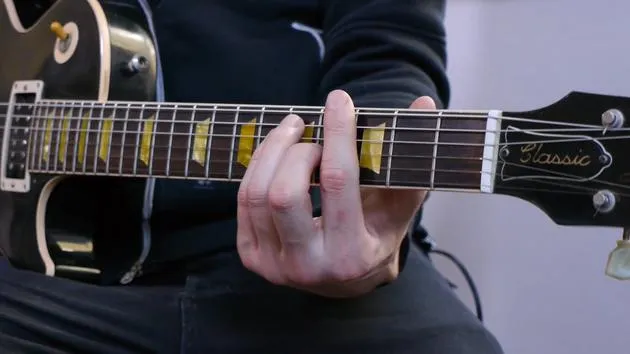
- Imagine the D string as a rail for your third finger, which will stay constant while you play through the chord shapes.
- Fret the first chord with your third and fourth fingers.
- For the second chord, keep your third finger on the D string and change your fingering to first and third.
- Move up to the third chord, keeping the same finger on the D string.
This method of using one constant finger on the strings allows for smoother transitions and lovely slides between the chord shapes.
B Section
Moving on to B, we stick with similar chord voicings but add rhythmic variation.
- Start with a palm-muted phrase.
- Transition into more open, ringing chords.
Feel free to be aggressive with the muting, it sounds great!
Riff at Bar Seven
The riff at bar seven is a bit challenging, as it alternates between fretted notes and open strings. It's worth practicing to get used to the movement.
Melody Section (C)
In the C section, we introduce a lovely melody.
- Roll your guitar volume up at Bar 12 after finishing the previous chord. This gives the melody more presence.
- Incorporate hammer-ons and vibrato, as indicated by the wiggly lines in the notation.
Vibrato Tips:
- When using the third finger for vibrato, consider supporting it with your second finger for a broader effect.
- Experiment with different techniques; developing your vibrato is key to expressing yourself on the guitar.
Bass Solo
During the bass solo, it's essential for us as guitar players to step back:
- Muting heavily allows the bass player to shine without interference.
- Build tension over the next four bars, progressively opening up as we transition into E.
Rhythmic Development (E Section)
In the E section, you'll be given specific chords (E, B, G sharp minor, A) but not where to play them.
Suggestions:
- Try full voicings or focus on keeping open strings, as you did in the intro.
- Experiment with both aggressive and relaxed playing styles.
Don't feel boxed in; explore different voicings and positions for these chords.
Solo Section
As we enter the solo, we're in E major.
- Reference your technical exercises for scale shapes.
- Imagine your ideal phrases before playing; think about keeping them open and anthemic.
Tab out your phrases to outline the chords being played (E, B, A, and A with C sharp in the bass).
- Incorporate double stops to outline chords, ensuring you avoid dissonance.
Final Notes
Emphasize dynamics in the final section:
- Start softly, muted, then gradually reduce muting and increase volume.
- End on a cool A add9 chord sound.
Practice Tips:
- Slow down parts like the A section and gradually build up speed.
- Focus on specific techniques and fingerings throughout.
By breaking it down this way, you'll find it comes together naturally. Enjoy the process, have fun, and let's look at the next piece!
43 lecciones
3h 11m de lecciones en vídeo estructuradas
Funciones de vídeo avanzadas
Ralentiza, repite un pasaje, sigue la partitura
Móvil, tablet y ordenador
Practica donde quieras
Garantía de satisfacción 100%
30 días de garantía de devolución







