



Cómo leer música: la notación

Con
Tommy Webb
Qué incluye el curso
47 lecciones (1h 40m) · 1 gratis
01. Bienvenido al curso
1:41
02. Conoce a tu profesor
0:40
03. Guía de la guitarra
6:52
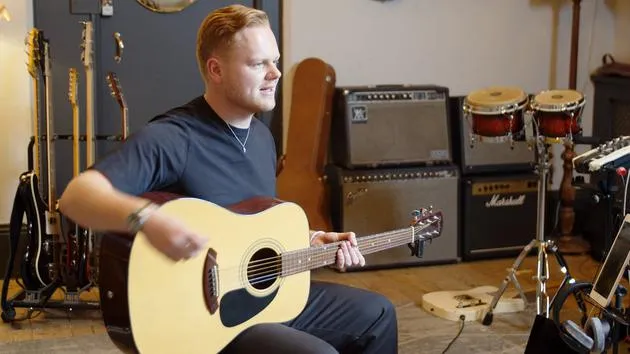
04. Sentarte con tu guitarra (acústica)
3:29
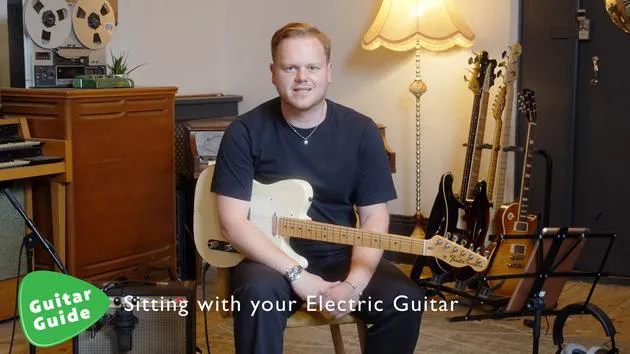
05. Sentarte con tu guitarra (eléctrica)
0:49
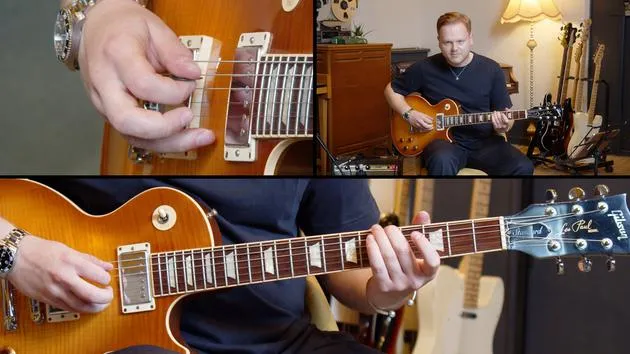
06. Cómo afinar la guitarra
4:57
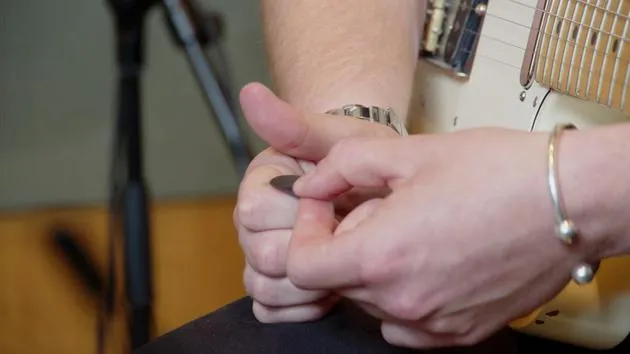
07. Cómo usar una púa de guitarra
2:49
08. Haz tu primer sonido con la guitarra
2:45
09. Cómo rasguear la guitarra
2:02
10. Cómo leer música - Tablatura
Lección gratis1:52
11. Cómo leer música: la notación
Estás aquí3:03
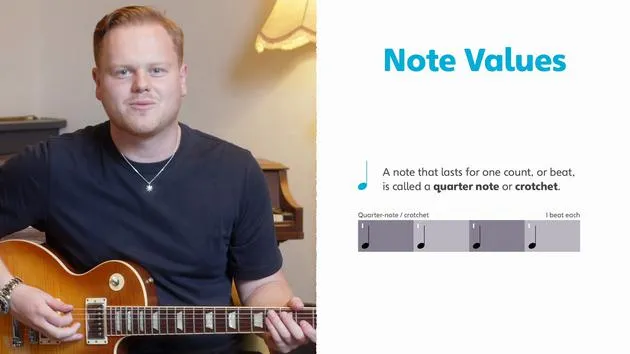
12. Valores de nota y ritmo
5:08
01. Introducción a los riffs y melodías de rock
1:47
02. Cómo conseguir un sonido pisado limpio
3:19
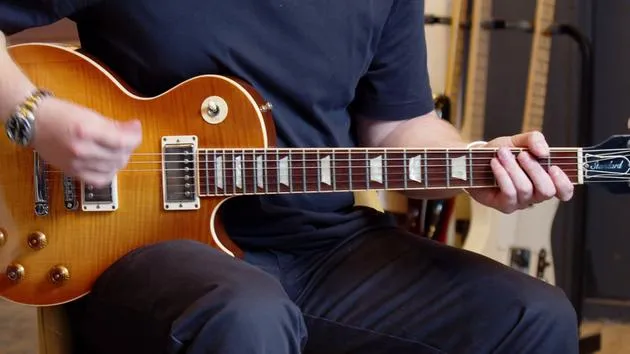
03. Riff con las notas Mi y Sol
3:30
04. Riff con las notas E y G (interpretación)
1:10
05. Riff que acentúa la nota fuerte
1:34
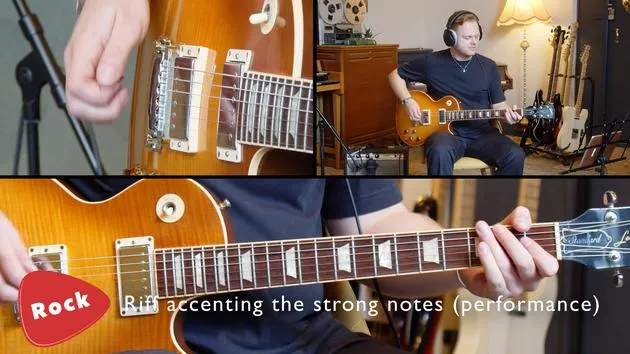
06. Riff que acentúa la nota fuerte (interpretación)
0:58
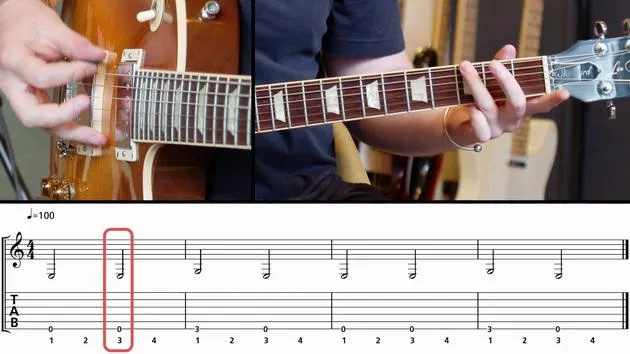
07. Riff con blancas
1:44
08. Riff con blancas (interpretación)
0:50
01. Introducción al rock parte 2 y mi Gibson Les Paul
1:10
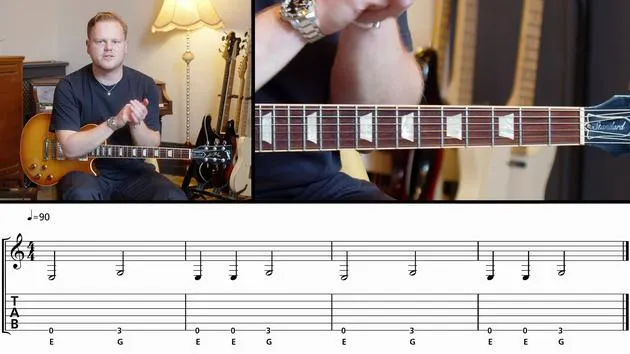
02. Riff que combina blancas y negras
1:36
03. Riff que combina blancas y negras (interpretación)
0:56
04. Melodía A combinando 4 notas
4:00
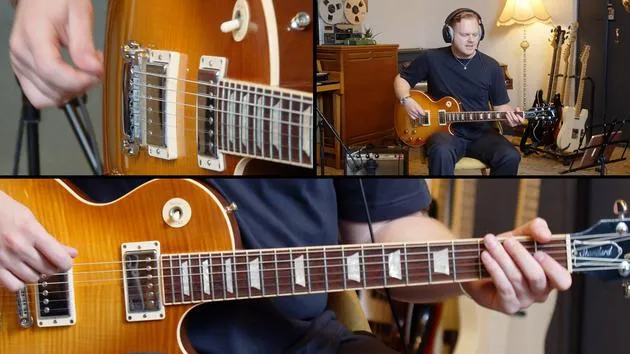
05. Melodía A combinando 4 notas (interpretación)
0:57
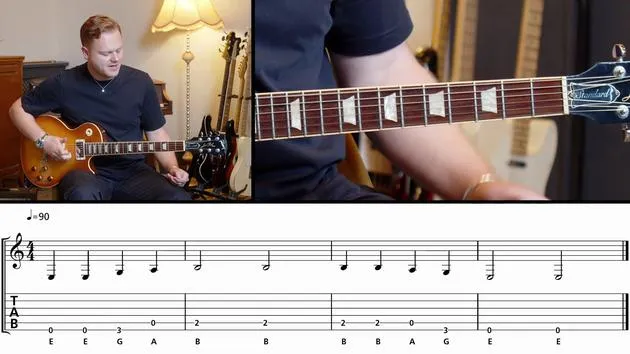
06. Melodía B combinando 4 notas
2:32
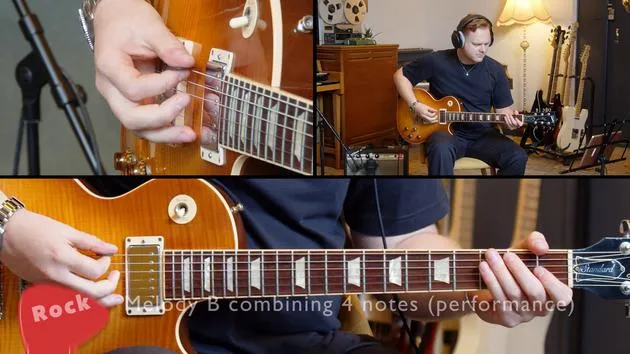
07. Melodía B combinando 4 notas (interpretación)
0:55
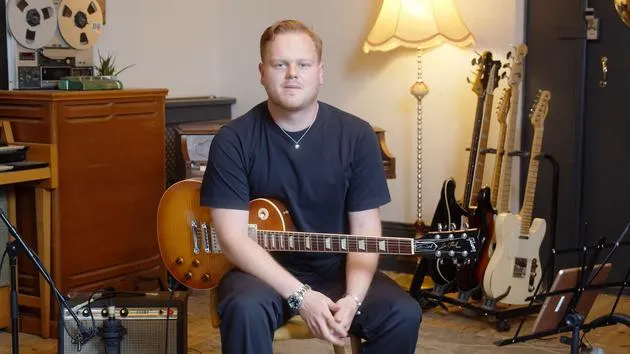
08. Rock City - compases 3 y 4
2:18
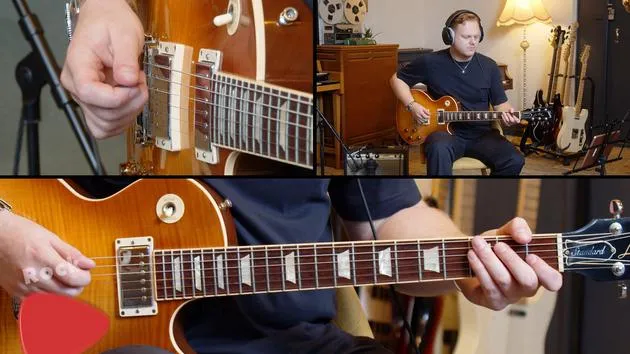
09. Rock City - compases 3 y 4 (interpretación)
0:58
10. Bien hecho con la sección de Rock
0:17
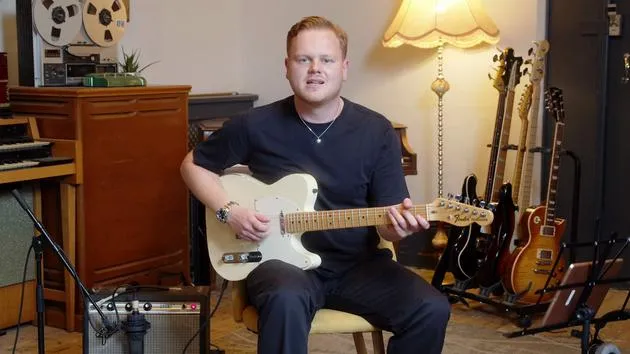
01. Introducción a la sección de pop y los silencios
1:14
02. Riff con silencio en el tiempo 3
3:36
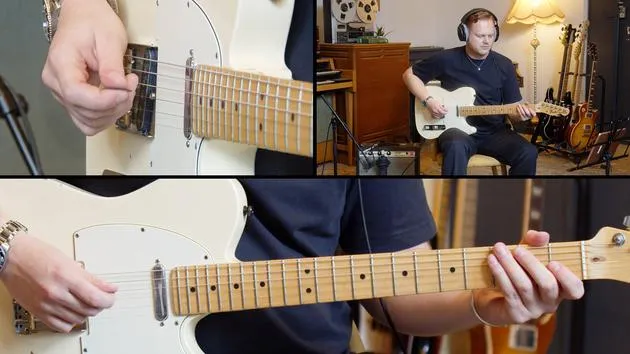
03. Riff con silencio en el tiempo 3 (interpretación)
1:04
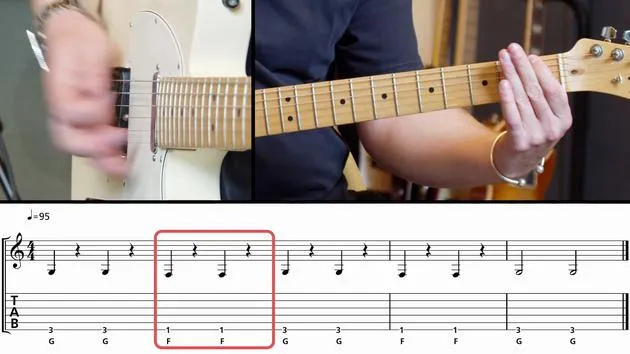
04. Riff con la nota fa y silencios
2:53
05. Riff con la nota F y silencios (interpretación)
1:05
06. Melodía usando la nota C y silencios
4:59
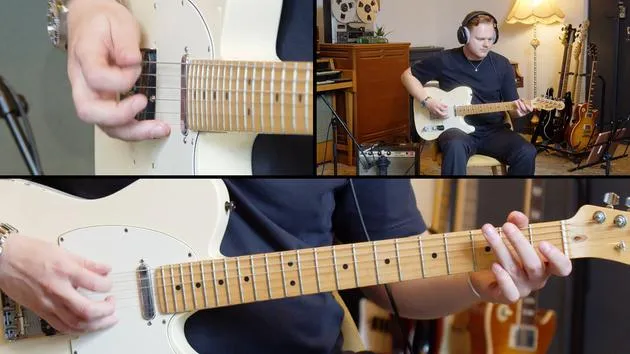
07. Melodía con la nota Do y silencios (interpretación)
0:54
08. Resumen de Pop parte 1
0:55
01. Qué es una Fender Telecaster
1:05
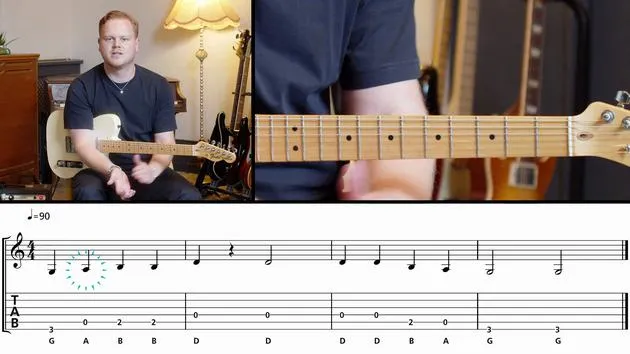
02. Melodía con una nota Re
3:51
03. Melodía con una nota D (interpretación)
1:10
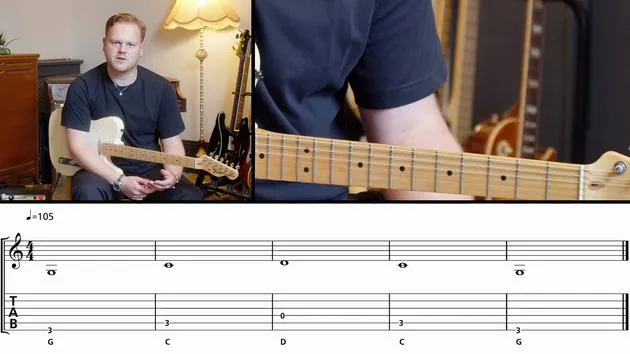
04. Melodía con redondas
2:34
05. Melodía con redondas (interpretación)
0:57
06. Riff que combina valores de nota
2:32
07. Riff que combina valores de notas (interpretación)
1:03
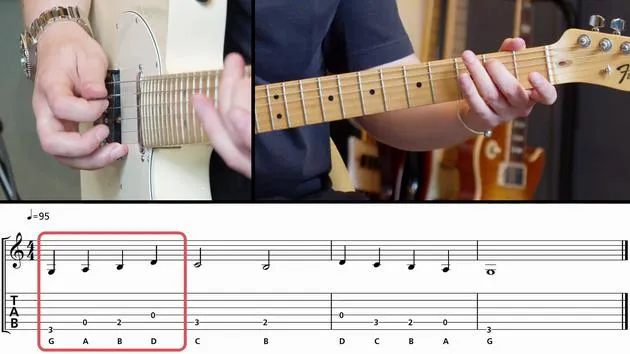
08. Party People compases 13-16
2:23
09. Party People compases 13-16 (interpretación)
1:22
Transcripción de la lección
Understanding Tempo, Bar Lines, and Time Signatures
We're now looking at tempo, bar lines, and time signatures.
Tempo
- Definition: The tempo is the speed of the song, measured in beats per minute (BPM).
- Examples:
- A slow tempo would be slower beats.
- A fast tempo would have beats coming by faster.
You can hear whether the music is coming faster or slower, and that's determined by the tempo.
Bar Lines
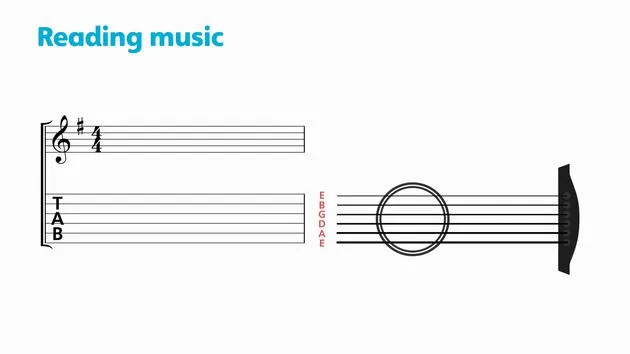
As we said earlier, we were looking at the tab and the stave, which is a long line. These are broken into sections by bar lines, as we saw earlier.
- Diagram:
- The tab music and the stave run along in a line,
- The bar lines come down, acting as a full stop at the end of a sentence.
Time Signatures
The time signature tells us how many beats are in a bar.
-
Top Number: Specifies how many of the notes we have.
- Example: In a 4/4 time signature, we have four beats: 1, 2, 3, 4.
-
Bottom Number: Represents what type of beat it is. However, we will come onto that later.
You might hear a drummer count in with their sticks at the start of a song: 1, 2, 3, 4. This sets the tempo and the time signature of the piece.
Clef
Looking at some other elements when reading music, we've got the clef. This comes at the start of each line and indicates which set of notes we have on each string.
- For the guitar, we will only be reading the treble clef, which tells us which pitch we have on each line and in between each line.
Notes
We can find notes represented as dots on or between the lines. These dots tell us which pitch we need to play, indicating where on the guitar to find those notes.
Remembering the Notes
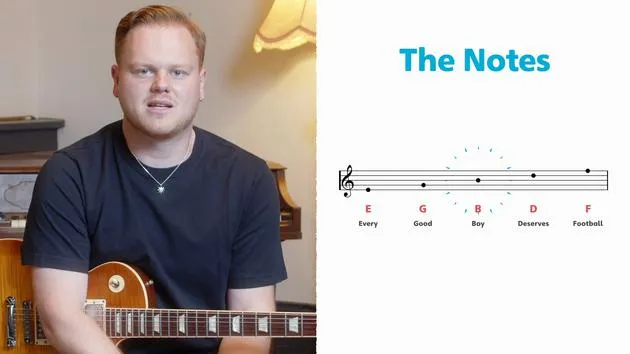
To remember what the dots are called, we use two phrases:
-
Lines: For notes with a line going through them, use the phrase:
- "Every Good Boy Deserves Football."
- This phrase corresponds to the five lines on the stave:
- Bottom to top:
- E (Every)
- G (Good)
- B (Boy)
- D (Deserves)
- F (Football)
- Bottom to top:
-
Spaces: For pitches in between the lines, remember the word:
- "FACE."
- This has four letters, corresponding to the four spaces:
- Bottom to top:
- F, A, C, E.
- Bottom to top:
Using these two examples, you'll be able to identify all the notes on the stave.
Applying to Guitar
You can try translating this onto your guitar by working with the tab to determine which note corresponds to which letter and what they're called.
47 lecciones
1h 40m de lecciones en vídeo estructuradas
Funciones de vídeo avanzadas
Ralentiza, repite un pasaje, sigue la partitura
Móvil, tablet y ordenador
Practica donde quieras
Garantía de satisfacción 100%
30 días de garantía de devolución
Conoce a tu gurú
Conoce a tu gurú
Tommy Webb es un guitarrista afincado en Londres que completó una licenciatura con honores (BA Hons) en guitarra en la Academy of Contemporary Music de Guildford, estudiando con Sandy Beales (One Direction, Wheatus) y Nicolas Meier (Jeff Beck). Su propia forma de tocar se mueve con libertad entre el rock, el pop, el indie, el hip-hop, el country y el metal, exactamente el terreno que cubren sus métodos de guitarra.
Tommy ha trabajado con una amplia variedad de artistas y bandas por todo el país, entre ellos Jarki Monno e Indira May, compartiendo escenarios y sesiones con guitarristas como Paul Murray (Jess Glynne, Zak Abel) y Adam Chetwood (Paolo Nutini, Mark Ronson), y con baterías como Alex Woodward (Black Honey), Luke Robinson y “Bambi Music” (N-Dubz, Lethal Bizzle, Wretch 32, Tinie Tempah).
Sobre el escenario, ha actuado en el Jazz Cafe como telonero de la cantante de soul Jocelyn Brown, además de en salas y festivales como Ronnie Scott's, Troy Bar, The Watford Colosseum, Camden Assembly, Kensington Roof Gardens, Notting Hill Arts Club, Meraki Festival y Sundown Festival.
En disco y radio, Tommy ha grabado sesiones en directo para BBC Three Counties Introducing, Vibe FM y Pulse 88, con temas emitidos en BBC Radio 1 y Radio 2. Ha grabado en estudios como South Lanes Brighton, Hempstead Road y Titan Studios con productores como Steph Carter (Gallows, Lyoness) y TMS / Froe Barnes (Lewis Capaldi, Dua Lipa).
En sus métodos de guitarra, Tommy te transmite todo ese saber de músico en activo, enseñándote las técnicas, los tonos y el feeling que hay detrás de los estilos reales, del rock y el pop al indie, el hip-hop, el country y el metal, para que puedas tocar la música que de verdad te gusta.







