



Riff con la nota fa y silencios

Lesson time: (2min 53sec)
Course preview
This lesson is part of the course Método de Guitarra: Rock & Pop
Watch a preview of the full course below.
Lesson transcript:
Music Lesson: Introducing the Note F
Welcome to Example 2 of pop! Today, we'll be focusing on the note F, which is located at fret 1 on the E string.
Fingering Technique
- Pressing Technique:
- Push in the middle of the fret, not on the metal or in the wooden gaps.
- You might need a bit more pressure to get it to ring out since it's closer to the nut.
- Ensure a firm grip‚ smooth but not overly tight to avoid buzzing.
Rhythmic Structure
- Note Patterns:
- Every note in bars 1 to 4 is followed by a quarter note rest.
- We'll play on beat one, pause on two, play on three, and pause on four.
- This creates an "on, off, on, off" vibe, reminiscent of reggae rhythms.
Playing the Notes
- Bar Breakdown:
- Bar 1: G (third fret on the E string)
- Bar 2: F (our new note number one on the E)
Playback Example
"I'll play you bar one and then bar two as one go."
As the pitches are simple, focus on the rhythms:
- Count:
- One, two, three, four.
- One, two, three, four.
Using Palm Muting
Here's a crucial technique: with the rests after every note, we will use our palm to mute the strings.
- Palm Muting Technique:
- We're not slapping the guitar; just place your palm firmly but gently to kill those notes.
- If you were to slap it, the note would continue to ring out.
Bars 3 and 4
- We repeat the G to F transition.
- End with G (third fret) as half notes, which last for two beats.
Slowly Through the Exercise
"I'll count out loud so we know where to play and where not to play."
- Count:
- One, two, three, four.
- One, two, three, four.
- Continue counting through the bars.
Understanding Note Duration
- Bar 5 Comparison:
- Listen for the difference between playing with rests and playing as half notes.
- With half notes, you'll hear the sustain, whereas the quarter note rests create silence.
Demonstration
"I'll play you each style to compare."
- One with quarter note rests and another with half notes.
- Notice how the sustain gives a softer sound with half notes, while the rests offer short, sharp notes.
Practice and Conclusion
Give it a go a few times, and I'll see you in the backing track to play along with the music!
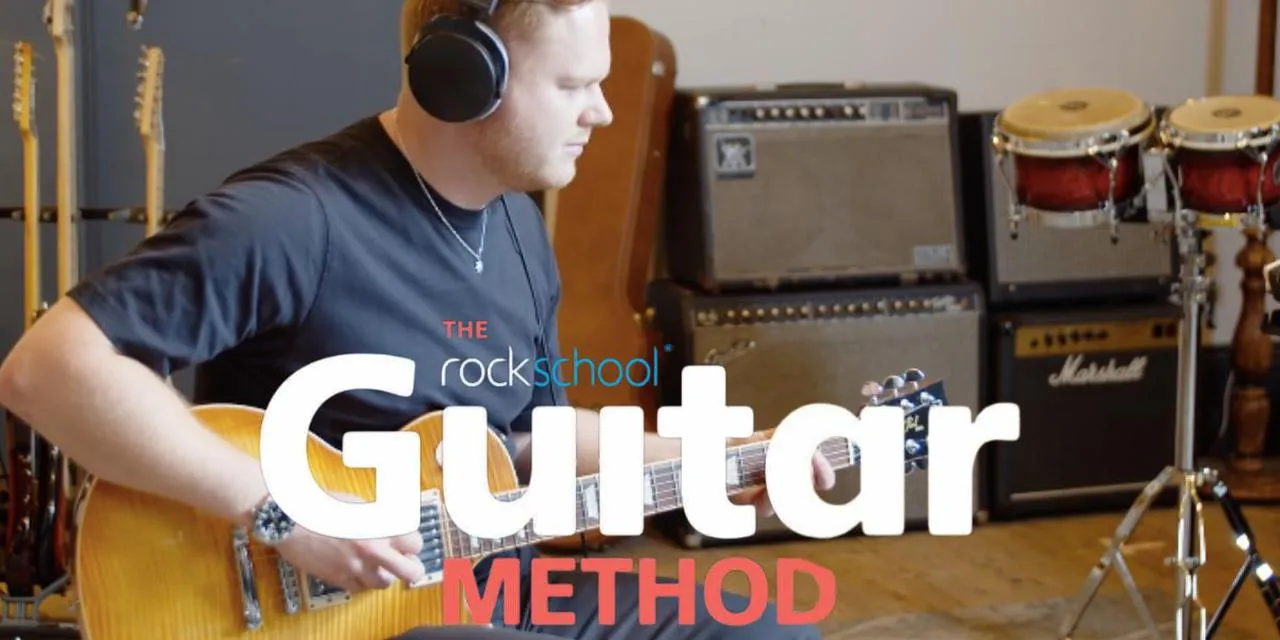
About the instructor
Tommy Webb es un guitarrista afincado en Londres que completó una licenciatura con honores (BA Hons) en guitarra en la Academy of Contemporary Music de Guildford, estudiando con Sandy Beales (One Direction, Wheatus) y Nicolas Meier (Jeff Beck). Su propia forma de tocar se mueve con libertad entre el rock, el pop, el indie, el hip-hop, el country y el metal, exactamente el terreno que cubren sus métodos de guitarra. Tommy ha trabajado con una amplia variedad de artistas y bandas por todo el país, entre ellos Jarki Monno e Indira May, compartiendo escenarios y sesiones con guitarristas como Paul Murray (Jess Glynne, Zak Abel) y Adam Chetwood (Paolo Nutini, Mark Ronson), y con baterías como Alex Woodward (Black Honey), Luke Robinson y “Bambi Music” (N-Dubz, Lethal Bizzle, Wretch 32, Tinie Tempah). Sobre el escenario, ha actuado en el Jazz Cafe como telonero de la cantante de soul Jocelyn Brown, además de en salas y festivales como Ronnie Scott's, Troy Bar, The Watford Colosseum, Camden Assembly, Kensington Roof Gardens, Notting Hill Arts Club, Meraki Festival y Sundown Festival. En disco y radio, Tommy ha grabado sesiones en directo para BBC Three Counties Introducing, Vibe FM y Pulse 88, con temas emitidos en BBC Radio 1 y Radio 2. Ha grabado en estudios como South Lanes Brighton, Hempstead Road y Titan Studios con productores como Steph Carter (Gallows, Lyoness) y TMS / Froe Barnes (Lewis Capaldi, Dua Lipa). En sus métodos de guitarra, Tommy te transmite todo ese saber de músico en activo, enseñándote las técnicas, los tonos y el feeling que hay detrás de los estilos reales, del rock y el pop al indie, el hip-hop, el country y el metal, para que puedas tocar la música que de verdad te gusta. read more