



Cesión o licencia: ¿cuál es la diferencia?

Lesson time: (3min 17sec)
Judge Jules explica la diferencia entre ceder y licenciar tus derechos, usando la analogía de la plena propiedad frente al arrendamiento, y los tres activos que otorgas en un contrato discográfico: grabaciones, canciones y marca.
Course preview
This lesson is part of the course Contratos y acuerdos: los fundamentos de la industria musical
Watch a preview of the full course below.
Lesson transcript:
Understanding Copyright in the Music Industry
As an artist, it's quite important to understand the basics of copyright. You don't need to be a lawyer, and you don't need to have a university degree in it. However, it is crucial to realize that copyright is an asset that you can metaphorically hold.
Three Main Assets in a Record Deal
In any record deal, there are basically three assets that you are going to be granting rights to:
- Recordings (Tracks) - This is one copyright.
- Songs - Bear in mind that the song might be written by someone completely different from the owner of the recording.
- Brand Rights - This pertains to you, the artist, which we'll discuss further.
Recording Rights and Record Deals
When it comes to recording rights, which is at the center of a record deal, there are two ways you can proceed:
-
Granting Rights to Your Record Label
Think of the analogy of property as a way of understanding it.- Real Property vs. Intellectual Property
In real property, as opposed to intellectual property, you can either buy the freehold or the leasehold:- Freehold - Buying something for as long as you want to own it, in perpetuity.
- Leasehold - A limited period of ownership.
- Real Property vs. Intellectual Property
Assignments vs. Licenses
This analogy applies to recordings and any use of intellectual property where you have:
-
Assignment - Similar to a freehold property assignment. If I assign my rights in my recording to you, you own those forever. I have no further rights over them in that respect.
-
License - If I license rights in my recording, it's for a specified period of time. My advice to any recording artist is to try and license your recording for a limited time, so you eventually get it back again.
Personal Experience
This approach has been very practical for me as an artist. I had a number of hit records 15 to 20 years ago, most of which I have now regained the rights to. I've got them up on Spotify and I'm earning directly from them, with no deductions whatsoever by any record company.
Sometimes, when I talk to artists about the importance of licensing their rights for 10, 12, or 15 years, I get a slightly confused look. Artists may think, "Well, I might be dead in 10, 12, or 15 years." The reality is, it's essential to treat your rights as an asset you can earn money from in the future.
Asset Sales and Future Earnings
There's a whole different theme we could discuss (which we probably won't cover in these classes) about asset sales, where people sell their songs and recordings that have a proven track record of earning income.
However, going back to you and your record deal, it is really important to try and limit the time frame for what you are selling to your record company.
Conclusion
There are certain labels, like Universal, where it's very challenging to do anything other than assign the rights. However, the other two major labels, Warner and Sony, will typically allow licensing. Most independent labels will as well. This is a really important point, absolutely at the center of any negotiation for a record deal.
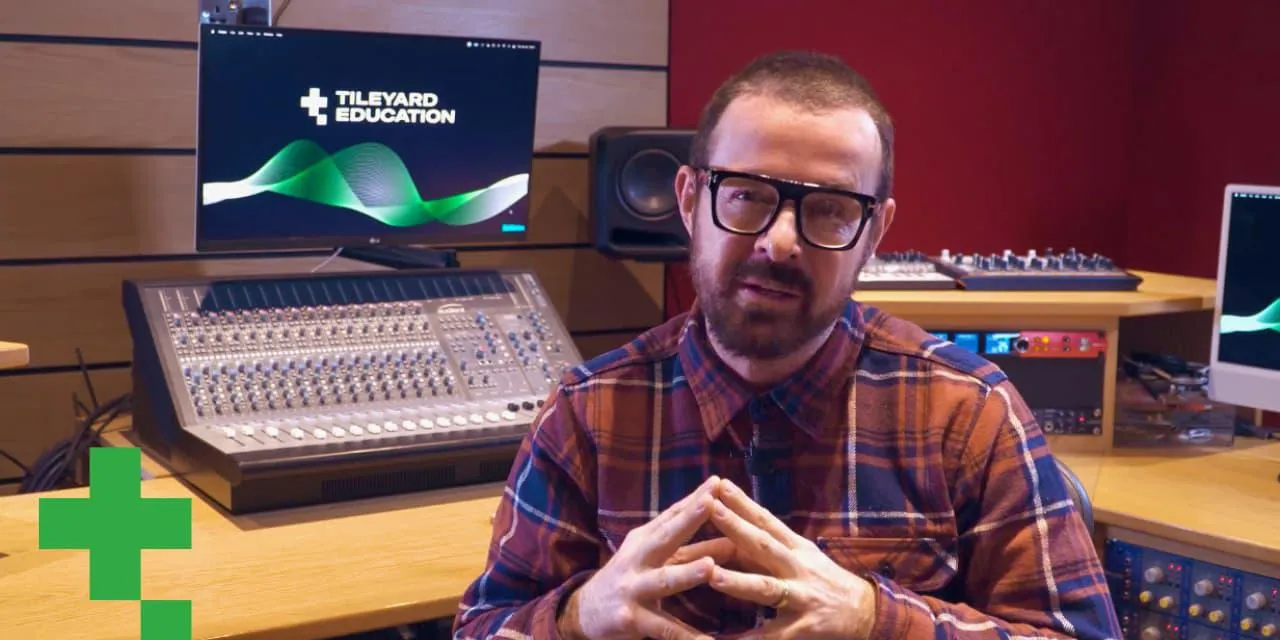
About the instructor
Jules O'Riordan tiene más de 30 años de experiencia en todo el espectro de la industria musical. Esto incluye casi una década como A&R para las discográficas del grupo Universal, 15 años como presentador en BBC Radio 1, más de 150 lanzamientos y remezclas como artista por derecho propio, además de una carrera de 30 años como uno de los DJ más conocidos de Gran Bretaña y con más kilómetros a sus espaldas (Judge Jules), con más de 5.000 conciertos, junto a una amplia experiencia como promotor de eventos y mánager de artistas al más alto nivel. Baste decir que Jules conoce la industria musical al dedillo, y sus clientes lo consideran un asesor de confianza para quien ningún reto o problema legal o de negocio es demasiado grande o demasiado pequeño. Jules es abogado desde hace 10 años. Su práctica abarca toda la amplitud de la industria del entretenimiento centrada en la música. Su experiencia legal y en acuerdos incluye el management, la grabación, la edición, la distribución y los servicios de sello, las apps, los juegos y los proyectos tecnológicos musicales, los acuerdos de producción, los productores, los artistas destacados, los patrocinios, el merchandising, los derechos afines, las bandas sonoras de TV y cine, la actuación en directo, los acuerdos de eventos y salas, además de la infracción de derechos de autor y muchas otras disputas. Entre los clientes de Jules figuran artistas, empresas de management, discográficas, compositores, promotores de eventos, productores, empresas de tecnología musical, productoras, agentes de directo, editoras musicales y DJ. Ha intervenido en numerosos paneles y seminarios, incluidos ADE, la Brighton Music Conference y eventos de AIM, y ha sido ponente invitado sobre cuestiones legales en diversos medios online y offline, entre ellos BBC Radio 5 Live, BBC Introducing, el Financial Times, The Sun, The Times y Mixmag. Jules habla español con fluidez. ¿Quién mejor para desmitificar los contratos y acuerdos a los que todo músico se enfrenta tarde o temprano? En su curso, Jules convierte tres décadas de conocimiento del sector, ganado a pulso, en orientación en lenguaje claro, para que entiendas la parte empresarial de la música y protejas tu obra mucho antes de firmar sobre la línea de puntos. read more