



La gran noche
Con
Chris HaighEsta lección trata sobre la preparación y la interpretación; cómo aprender un tema nuevo al dedillo y sacarle el máximo partido cuando lo tocas en público por primera vez
Qué incluye el curso
28 lecciones (1h 46m) · 1 gratis
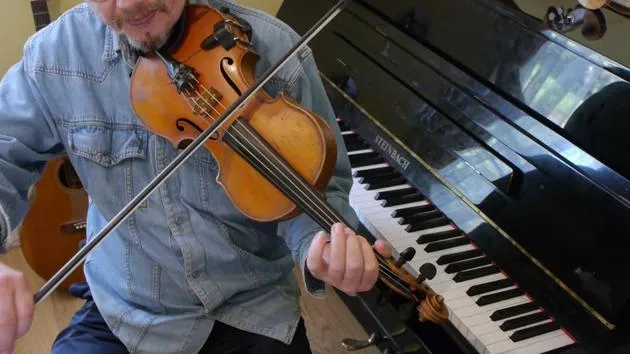
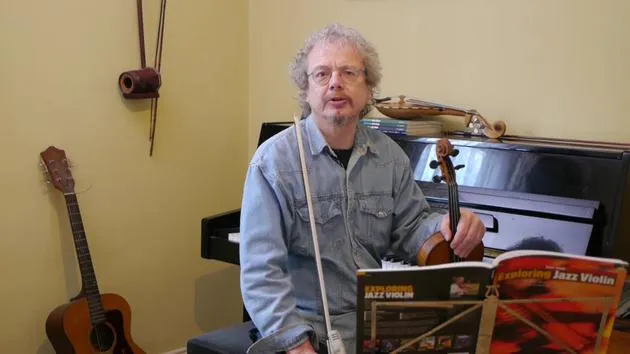
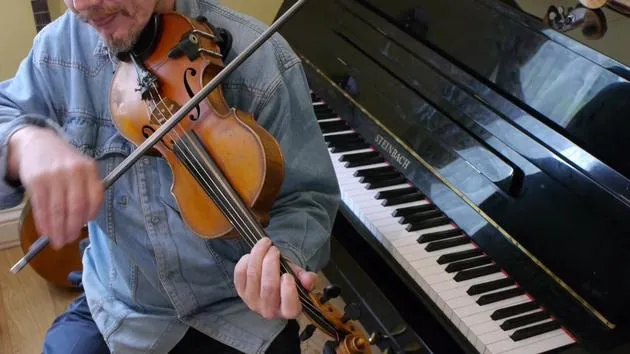
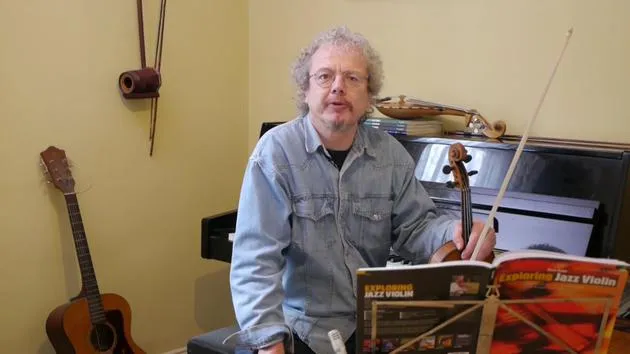
Transcripción de la lección
Music Lesson: Preparation and Performance
Congratulations on Making It This Far!
This lesson is all about preparation and performance, how to learn a new piece inside out and get the best out of it when you play it in public for the first time.
The Tune We're Working On
Title: The Big Night
Challenges of Learning a New Number
-
Sheet Music:
- The starting point for learning a new tune is usually some sheet music.
- Key Considerations:
- The music may be written in a certain key, but that might not be the version the band is going to play.
- Check if this is the right key for the tune.
- Jazz tunes can often be played in a different key; for example, if Stefan Grappelli leads a band, he'll often select an easier key for the fiddle.
- Other bands might choose a flat key instead.
-
Melody and Phrasing:
- The phrasing on the sheet music may differ from general performance.
- If it's based on an original published version with lyrics, it may not match the phrasing you or other musicians will use.
-
Arrangement:
- Consider the intro, outro, number of solos, and length of solos.
- Some songs have entirely abandoned the verse when they become jazz standards, leaving only the chorus.
- Sheet music may not specify arrangements. If using resources like the Real Book, you can expect a rough arrangement but still clarify:
- Is there an intro? Do you play it?
- Is there an outro? Sometimes, bands create these spontaneously.
- When playing with a new band, observe other soloists to gauge the number of solos.
-
Chords:
- The chord sequence can vary significantly, especially with substitutions.
- Accompanists may stick closely to the sheet music, but they may also introduce variations.
- If there's a substantial change from the sheet music, they should ideally notify you.
-
Research and Practice:
- If you're unfamiliar with a song like "Stella By Starlight," don't rely solely on the sheet music.
- Listen to versions of the tune via platforms like YouTube to explore variations.
- Practice with backing tracks to familiarize yourself with melody and chords.
Analyzing "The Big Night"
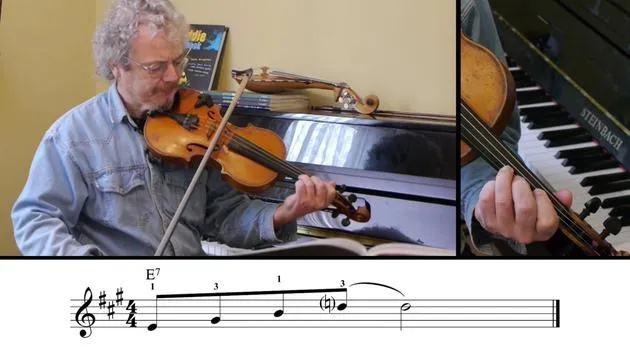
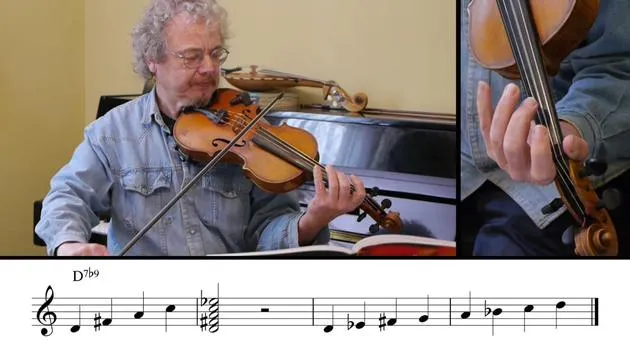
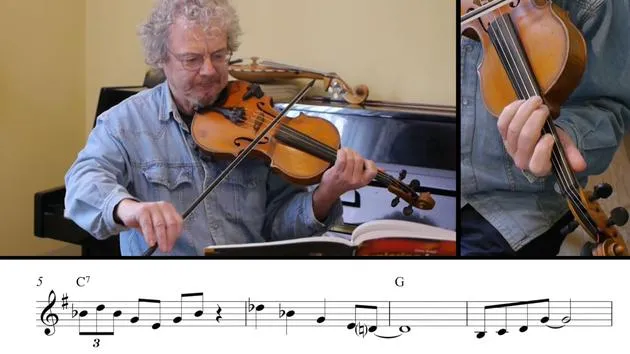
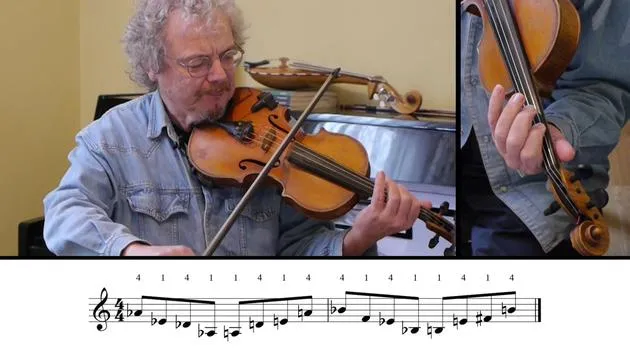
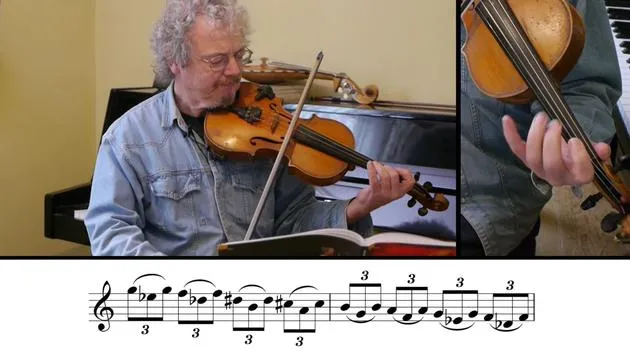
- Start with arpeggiating the first couple of lines of chords.
- Alternate between up and down with the arpeggio to enhance musicality.
- Incorporate variations in note length, skip notes, and add chromatic or scalar runs to create a skeleton for your solo.
Improvisation Techniques
Easy Approach:
- As with most blues sequences, treat the entire piece as a single scale (e.g., F major, F major pentatonic, or F major blues).
- However, don't rely solely on this simplistic approach; the sequence contains interesting chords requiring careful attention.
Identify Two-Five-Ones:
- Each "two-five-one" is a safe area in your improvisation. Pay special attention to the target note at the end of each.
Deciding When Your Solo Starts and Finishes
- Your solo's timing may be determined by the band arrangement:
- Someone may cue the piano intro, followed by a verse, and then your solo.
- If it's a free-for-all, be aware of the dynamics to avoid overlapping solos.
- Monitor the attention of the band and audience. If they seem bored, it may be time to wrap it up.
Importance of Phrasing
- New improvisers often make the mistake of playing continuously without leaving gaps.
- Good solos feature distinct phrases, spaces between them, and repetition.
Example:
- Demonstrating poor soloing followed by breaking it down into better phrasing illustrates how much easier it is to listen to music when it's structured thoughtfully.
Variability in Your Solo
-
Vary Note Lengths:
- Phrases should differ in length; some can be two bars long, while others might be shorter or longer.
-
Intervals:
- Avoid playing solely adjacent notes. Incorporate larger jumps for variety.
-
Full Range:
- Remember to utilize the full range of the instrument; don't stay confined to first position.
Planning Your Solo
- If planning a long solo, aim for a sense of development, start low and build to a climax.
- Ensure clarity in your solo's ending:
- Use body language (lifting your bow, smiling, nodding) to signal your conclusion to the audience and fellow musicians.
If executed well, you can bask in the applause of an appreciative audience!
28 lecciones
1h 46m de lecciones en vídeo estructuradas
Funciones de vídeo avanzadas
Ralentiza, repite un pasaje, sigue la partitura
Móvil, tablet y ordenador
Practica donde quieras
Garantía de satisfacción 100%
30 días de garantía de devolución
Conoce a tu gurú
Conoce a tu gurú
Chris Haigh es violinista profesional desde hace 25 años, con experiencia en muchos géneros distintos. Ha tocado en más de 75 álbumes, trabajando con artistas como Alison Moyet, Bob Geldof, All About Eve, Michael Ball, David Soul, Oumou Sangare, The Quireboys, Riverdance, Morcheeba, James Galway y Steps.
Ha tocado swing y jazz con The Kimbara Brothers, Diz Disley, Le Jazz, The Hot Club of London y los Quecumbar Allstars, y lidera una banda de swing soviético de siete integrantes, The Kremlinaires.
Chris imparte clases y talleres sobre técnica de violín de jazz y ha enseñado violín de jazz en las universidades de Middlesex, Brunel y Newcastle y en el Truro College. Entre sus créditos como autor figuran nueve libros de violín, entre ellos The Fiddle Handbook.
También dirige Fiddling Around (fiddlingaround.co.uk), probablemente la fuente de información sobre violín más completa y visitada de la red.







