



Los comienzos de Charlie en la industria
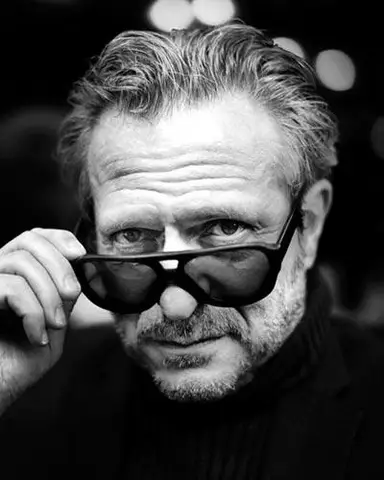
Lesson time: (8min 16sec)
Course preview
This lesson is part of the course ¡Consigue un contrato!
Watch a preview of the full course below.
Lesson transcript:
Charlie Rapinoe: A Journey into the Music Industry
Introduction
Charlie Rapinoe, welcome and thank you so much for joining us.
Starting Out in the Industry
"How did you start out in the industry?"
I started out in the industry because, probably, I couldn't have done much else. I had a big problem with authority and organized systems, which basically cut me off from 95% of any job.
- I was studying as a university student in my hometown, a small town southeast of Milan.
- At that time, I was working in a radio station in Italy.
It was a classic Italian scenario where they changed legislation and everything basically fell into complete anarchy. Everyone could open a radio station, and I was in a radical student radio. Through this radio, I got involved in concert and music promotion locally.
We promoted some pretty big gigs, like:
- Iggy Pop (who was big at the time)
- Patti Smith
... and others.
Role in Promotions
"I wasn't really a promoter; I was a liaison because I was the only one who could speak English."
Early Influences
My interest as a child, my earliest memories, was a strong curiosity about records, not because of the music, which you might find funny, but because I really liked the RCA logo.
- I must have been three or four years old, and I remember exactly the RCA logo, as it was the most important company in Italy at the time, along with Ricordi.
- I loved watching the records spin round and round.
I grew up with my grandparents near Naples, and my uncles were teenagers during a time when Naples was strategically important for the United States to control the Mediterranean. There was a significant presence of American GIs from NATO, who brought their music with them.
As a result, the music we grew up with was mainly African American music, such as:
- Otis Redding
- James Brown
It's almost like an Italian version of Liverpool because of Naples being a port and an important military point for the US forces.
Influential Records
"What were some of the first records you heard and were really influenced by?"
It was really the Beach Boys. I don't know why, but my uncles could get records and singles through NATO shops. I clearly remember Beach Boys records that were for military sales only.
In 1968-1967, seven out of the top ten in Italy were Black American acts. Stevie Wonder even translated his songs into Italian at one point, performing at the San Remo festival.
Mainly, my early memories consist of vinyl records spinning while listening to African American-influenced music through the radio.
Synergy with American Artists
Fast-forwarding to my time as a student, there was a natural synergy with American artists, including Iggy Pop and Patti Smith.
Italian popular music was thriving. Music schools, called conservatoria, had been established in Naples. RCA, being an American company, had to open a studio in Rome for war damages, in partnership with the Vatican.
The Vatican held a significant political influence on Italian affairs, and international releases like Elvis were handled from Rome. That studio was used by everyone, including Ennio Morricone, with whom I later worked.
A Renaissance Moment
Italian pop music was at its height during this time. If you needed a mid-tempo ballad, you had to go to Italy. Remember tracks like "Don't Have to Say You Love Me"? That was an Italian song.
There was a renaissance in music due to political and economic reasons, similar to the Liverpool scenario.
The Right Place at the Right Time
I feel I was in the right place at the right time in my youth, involved in student-driven radio and live promotions.
The gigs we hosted with Iggy Pop and Patti Smith were successful, though they were chaotic due to the Italian organizational style and some shady individuals involved. But it got my foot in the door.
I was more fascinated by what was behind the artist,
the brand, the structure, and the whole framework rather than the artist himself. I wasn't interested in being a rock star; I wanted to be the guy behind the rock star.
There was this absurd entrepreneurial streak in me. I found those managers fascinating, the kind with cigars, fast cars, and a lifestyle reminiscent of James Bond.
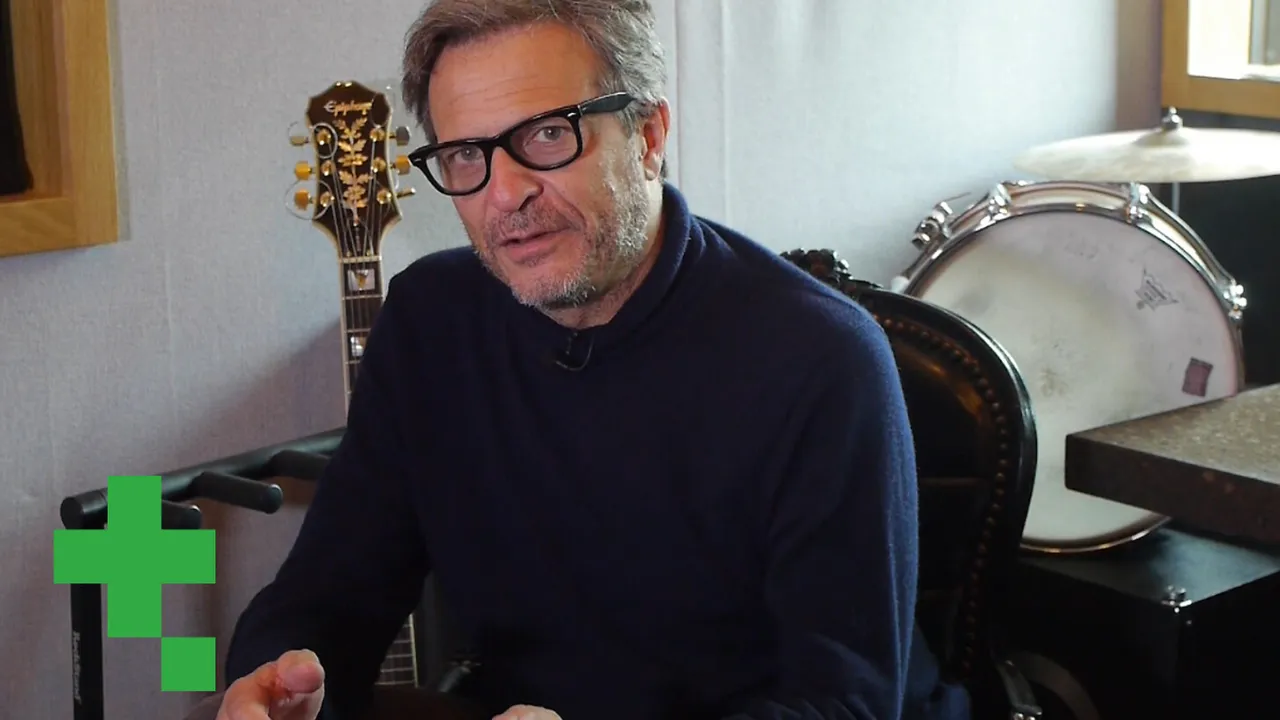
About the instructor
Charlie empezó en la industria musical como abogado recién titulado, promoviendo conciertos y llevando a artistas como Iggy Pop y Patti Smith ante un público universitario italiano de espíritu radical. Tras trabajar en el legendario Record Plant NYC y empaparse de la escena house, formó los Rapino Brothers con Marco Sabiu, se mudó a Londres en 1990 y nunca miró atrás. Allí arrasaron durante toda la década, produciendo y grabando discos. Después de su primer éxito con Love Me The Right Way de Kym Mazelle, idearon el primer éxito de Take That y produjeron, mezclaron y arreglaron a muchos grandes artistas del pop durante los años noventa, desde Kylie hasta Primal Scream. En 1997, Charlie fue el productor «en directo» de «Get Your Act Together» de la BBC, seguido de «Full Frontal» en Channel 4. De 1999 a 2004 fue A&R Director de Sony Music International. Su energía nunca decae. A lo largo de los años ha repartido su tiempo entre la consultoría de gestión para Ennio Morricone, la consultoría para la revista Rolling Stone, el trabajo en bandas sonoras y la consultoría de producción para películas y videojuegos (incluido convencer a Iggy Pop para que hiciera las voces del videojuego Driver 3), y la contratación y gestión de artistas a través de su sello en empresa conjunta con Sony, Stud Records. En Get signed!, Charlie descorre el telón sobre décadas de experiencia en producción y A&R para mostrarte exactamente qué escuchan los sellos, cómo dar forma y presentar tu proyecto, y qué hace falta realmente para llamar la atención y conseguir un contrato. read more