



Música, publicidad y la necesidad económica de la música pop
Qué incluye el curso
16 lecciones (2h 16m) · 1 gratis
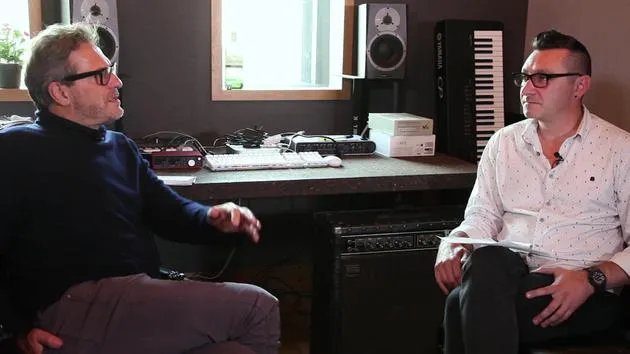
Transcripción de la lección
The Intersection of Music and Advertising
It's a sort of ad for society. That's why music was very important at the same time in advertising. Of course, they went hand in hand; they did almost parallel. I don't think without rock and roll, we wouldn't have a certain type of advertising, very erudite, adventurous, daring.
The Impact of Rock and Roll on Advertising
- Rock and roll was very important for political and economic reasons.
- The encapsulated tightness of the three-minute pop song also played a role in condensing a message.
- Advertising, obviously, has its 30-second or 15-second windows.
"If you think about it, it's something that probably a musician would say: Oh, you shouldn't say those things. I find it an art. I think both arts are very... they always fed each other."
The Influence of Film Directors
Consider a lot of the great film directors. Ridley Scott is a classic example; he was making adverts first. Ian Softly is another, along with those who transitioned to music videos.
- Condensing a story down into a small amount of time is the best breeding ground for these kinds of arts.
- Ridley Scott knew how to sell himself.
"If you think about his first big blockbuster, which is Alien, I think he definitely saw what was going on and he needed a blockbuster in Hollywood."
The Power of Simplicity
Ridley Scott summed it up when he presented the film:
"Mr. Scott, what's your movie about?"
He famously replied, "It's Jaws in outer space."
In that year, the two biggest movies were Jaws and Star Wars.
- "Where do I sign? How much you need?"
- It's a great subtext; that's what the movie is about.
- If your concept can be summed up in either a song, film, or advertising in two paragraphs, or even one line, that's it.
Complexity vs. Simplicity in Creativity
You can even use Brian Eno and make it complex production-wise and interesting. If the concept is very simple, it will translate.
The Economic Necessity of Pop Music
Does all of the branding, product imagery, and understanding of logos contribute to the zeitgeist statement and futurism?
Do you feel that's a sort of economic necessity of pop music?
- Pop music is about economic necessity.
- It's about turning over.
If you look at the most influential music, it drew inspiration from black music. African American music is the root of everything.
"You know, anyone white from our generation? Lou Reed told me that you scratch the white skin and we got black."
African Americans faced limited access to education. The only ways out were:
- Music
- Sports
Even cinema was challenging for them.
"There was only two way out: social inspiration and economic aspiration."
Without Motown, we likely wouldn't have had a black president. Without Atlantic Records, there might still be apartheid in South Africa.
The Shift in the Music Industry
Popular music, by being popular, is about an economic necessity.
"Like everybody, in a way, we all have to earn some money for a living, which is very unfortunate. But it's called the music industry, not the music charity."
So, what is it today, the music industry?
"Well, let's get a ham sandwich. We were the ham. The music industry was the ham. Today, it's the mayonnaise."
The Changing Landscape
What do you mean by that?
- Today, it has completely reversed.
- We used to give tour support money when you signed an artist because the tour supported the record.
- Now, you release a record to finance the tour, making music a promotional tool.
"Yeah. Yep."
16 lecciones
2h 16m de lecciones en vídeo estructuradas
Funciones de vídeo avanzadas
Ralentiza, repite un pasaje, sigue la partitura
Móvil, tablet y ordenador
Practica donde quieras
Garantía de satisfacción 100%
30 días de garantía de devolución
Conoce a tu gurú
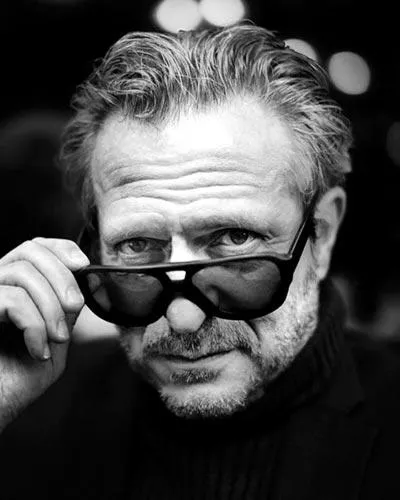
Conoce a tu gurú
Charlie empezó en la industria musical como abogado recién titulado, promoviendo conciertos y llevando a artistas como Iggy Pop y Patti Smith ante un público universitario italiano de espíritu radical.
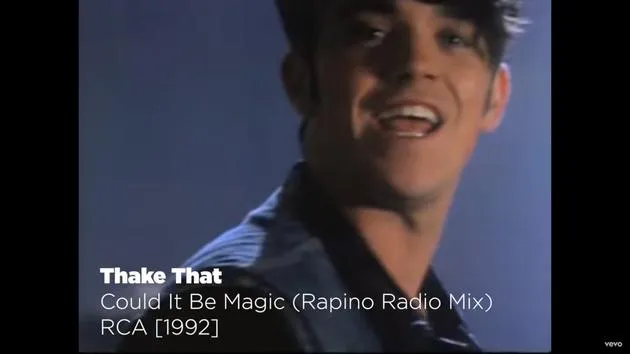
Tras trabajar en el legendario Record Plant NYC y empaparse de la escena house, formó los Rapino Brothers con Marco Sabiu, se mudó a Londres en 1990 y nunca miró atrás. Allí arrasaron durante toda la década, produciendo y grabando discos. Después de su primer éxito con Love Me The Right Way de Kym Mazelle, idearon el primer éxito de Take That y produjeron, mezclaron y arreglaron a muchos grandes artistas del pop durante los años noventa, desde Kylie hasta Primal Scream.
En 1997, Charlie fue el productor «en directo» de «Get Your Act Together» de la BBC, seguido de «Full Frontal» en Channel 4. De 1999 a 2004 fue A&R Director de Sony Music International.
Su energía nunca decae. A lo largo de los años ha repartido su tiempo entre la consultoría de gestión para Ennio Morricone, la consultoría para la revista Rolling Stone, el trabajo en bandas sonoras y la consultoría de producción para películas y videojuegos (incluido convencer a Iggy Pop para que hiciera las voces del videojuego Driver 3), y la contratación y gestión de artistas a través de su sello en empresa conjunta con Sony, Stud Records.
En Get signed!, Charlie descorre el telón sobre décadas de experiencia en producción y A&R para mostrarte exactamente qué escuchan los sellos, cómo dar forma y presentar tu proyecto, y qué hace falta realmente para llamar la atención y conseguir un contrato.







