



El encuentro con Marco
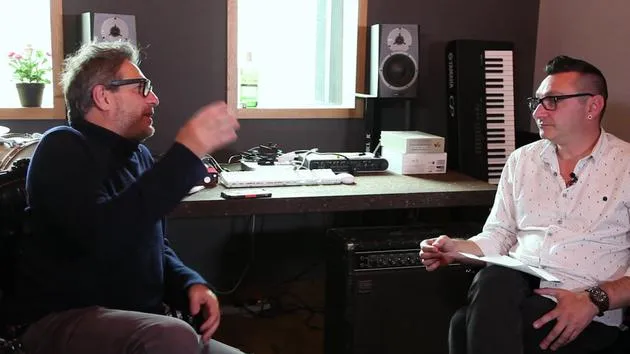
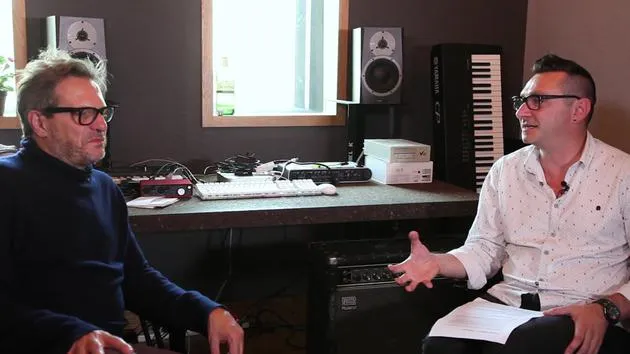
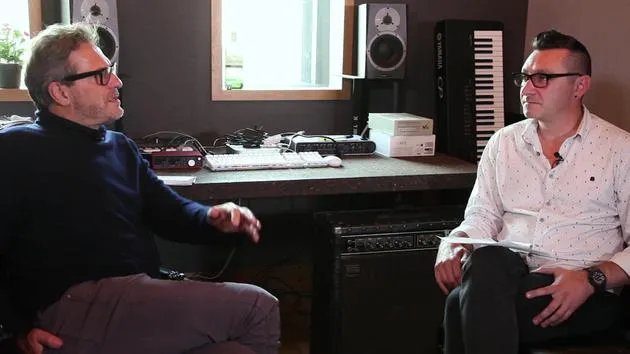
De vuelta de Nueva York, Charlie Rapino cuenta cómo acabó en un sello de Bolonia y conoció al compositor y arreglista Marco Sabiu.
Qué incluye el curso
16 lecciones (2h 16m) · 1 gratis
Transcripción de la lección
Music Lesson
Introduction
And when I got back from New York, really, because I couldn't obtain a green card, which was the main problem, I started working on a little label in Bologna, helping them out, literally in putting together their records. The guy who owns it ended up being a very successful manager. They were working out of a studio just outside Bologna.
About Bologna
Bologna is quite an important city in Italy. It's a university city filled with radical fun. Lots of artists come from Bologna, including:
- Lucio Dalla
- Other notable figures from the dance scene
The dance scene that you came to know in 1988, 1989, is literally across the highway that goes from Milan to Rimini, which is on the east coast of Italy, on the Riviera.
The Sinclair
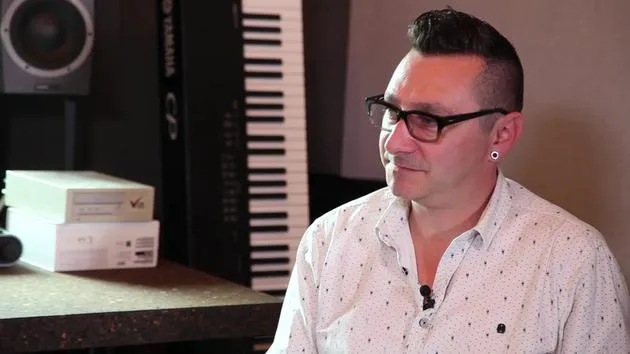
There was this very talented composer and arranger, Marco, who was working on this huge machine called the Sinclair.
"Yeah, do you remember Sinclair? Didn't ABBA use that as well?"
Trevor Horn was the Sinclair guy. I think A Slave to the Rhythm is totally made on a Sinclair, which was an awfully expensive machine at the time. It was during the time that the Fairlight and the Sinclair were the two things to have.
"Yeah. It had an enormous hard drive thing, didn't it?"
You had to wheel around like a Dalek tower hard drive, which probably was 60 megabytes, you know.
Collaboration
He was coming from dance music because he was doing all the Claudio Cecchetto records. He did that record I Love My Radio. I don't know if you remember, but it was massive in England. We just started working together because I had all these records that we could sample, and that's how we really started.
Through the label, I met a manager in England who was quite fundamental for me. His name is Stephen Budd; he's still a very good friend of mine and sometimes a business partner.
"Stephen used to manage Tony Visconti, who was a prominent producer at the time, along with a few other people."
I also became friends with John Moss, who was the Culture Club's drummer, whom I met at Virgin.
The Importance of Language
Because I was doing a bit of international relations, my advantage was that I could speak half-decent English. That really helped me, I gotta admit.
"In your career, there's always something external to what you do that will help you out."
Speaking English was crucial.
I've always said that when we deliver lessons to people, you have to look at different roles and departments in a record label. The number one thing the international department wants is languages.
"Exactly. It's got nothing to do with music. They just want the languages."
I think, in general, in professional life, you have to learn a trade that helps you throughout your career. For me, that was English.
Discovering English
I probably learned it very early because I had an uncle, Uncle Mario, who at one point in the 60s escaped to England. No one knows what he did, and no one asked.
I remember one day, we were at my grandparents' house by the record player, and he put on Miles Davis and Jimi Hendrix. I knew there was a path that was my way out.
"But we never asked Uncle Mario what he was doing."
I was eight or nine, and we used to play Scrabble in English, forming words. He taught me, and I learned English through Scrabble.
Tip for Students
I advise Scrabble to everyone to learn languages.
"Get Scrabbled! Scrabble is a great tool for learning how to speak languages."
Learn something that can help you out in your everyday life. You never know how it might relate to your career.
- You could be a gardener one day, doing Clive Davis's gardening.
- Carole King was babysitting near Sidaka's kids, who knows? She could have easily been an accountant instead of one of the biggest songwriters ever.
Conclusion
I do think you should pursue something else that connects you to your purpose in life.
"You never know. You could fix Taylor Swift's dishwasher one day, and that'll be it."
Sometimes, that can be more useful than knocking on every industry door. It's fun!
16 lecciones
2h 16m de lecciones en vídeo estructuradas
Funciones de vídeo avanzadas
Ralentiza, repite un pasaje, sigue la partitura
Móvil, tablet y ordenador
Practica donde quieras
Garantía de satisfacción 100%
30 días de garantía de devolución
Conoce a tu gurú
Conoce a tu gurú
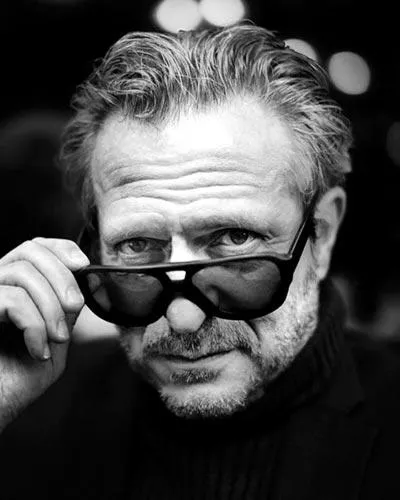
Charlie empezó en la industria musical como abogado recién titulado, promoviendo conciertos y llevando a artistas como Iggy Pop y Patti Smith ante un público universitario italiano de espíritu radical.
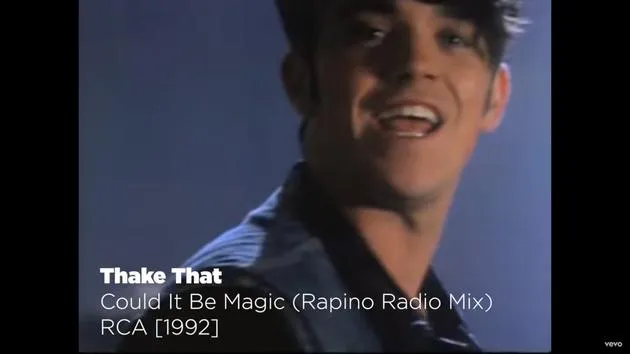
Tras trabajar en el legendario Record Plant NYC y empaparse de la escena house, formó los Rapino Brothers con Marco Sabiu, se mudó a Londres en 1990 y nunca miró atrás. Allí arrasaron durante toda la década, produciendo y grabando discos. Después de su primer éxito con Love Me The Right Way de Kym Mazelle, idearon el primer éxito de Take That y produjeron, mezclaron y arreglaron a muchos grandes artistas del pop durante los años noventa, desde Kylie hasta Primal Scream.
En 1997, Charlie fue el productor «en directo» de «Get Your Act Together» de la BBC, seguido de «Full Frontal» en Channel 4. De 1999 a 2004 fue A&R Director de Sony Music International.
Su energía nunca decae. A lo largo de los años ha repartido su tiempo entre la consultoría de gestión para Ennio Morricone, la consultoría para la revista Rolling Stone, el trabajo en bandas sonoras y la consultoría de producción para películas y videojuegos (incluido convencer a Iggy Pop para que hiciera las voces del videojuego Driver 3), y la contratación y gestión de artistas a través de su sello en empresa conjunta con Sony, Stud Records.
En Get signed!, Charlie descorre el telón sobre décadas de experiencia en producción y A&R para mostrarte exactamente qué escuchan los sellos, cómo dar forma y presentar tu proyecto, y qué hace falta realmente para llamar la atención y conseguir un contrato.







