



La importancia de los "eslóganes" y la letra
Qué incluye el curso
16 lecciones (2h 16m) · 1 gratis
Transcripción de la lección
The Importance of Slogans in Songwriting
More than just the name of the artist or the band itself, it's crucial to discuss the significance of incorporating slogans into your songs. The ability to articulate thoughts through lyrics is essential.
Here's what to consider:
-
Start with Basics:
- It doesn't begin with a computer.
- It doesn't start with buying Pro Tools 8.1 or Ableton.
- It starts with a piece of paper or possibly a notebook and a pencil.
-
Inspiration from Everyday Speech:
- A person I greatly respect, Peter Waterman, achieved massive success using everyday sentences in his titles.
- Examples include:
- "I Could Be So Lucky"
- "Better the Devil You Know"
- Examples include:
- A person I greatly respect, Peter Waterman, achieved massive success using everyday sentences in his titles.
These are phrases that people commonly use. For a pop songwriter, crafting accessible music is often more challenging than creating complex tunes.
Advice for Aspiring Songwriters:
-
Observe Public Conversation:
- I always advise students and aspiring songwriters to take public transportation.
- Get on the tube or the bus.
- Carry a notebook and a pencil to jot down what you hear.
- I always advise students and aspiring songwriters to take public transportation.
-
Collect Slogans:
- Paying attention to what people say allows you to gather slogans.
- A slogan is something that resonates with people, that captures their imagination.
Creative Naming Techniques:
- Titles and headlines are clever if they spark people's imaginations.
For instance, I once signed an artist at Decca purely because of his name. He was a talented songwriter who wrote for others, even for Rihanna.
- When I first heard about him, I asked, "What's his name?"
- "Gary Go," was the reply.
- "What do you mean? Like, 'Go, Gary, Go?'"
- Yes, exactly!
His name intrigued me because it showed a twisted sense of humor. I wanted to meet him immediately.
Additionally, when he played me his song titled "I'm So," it highlighted his original approach. This enticed me as someone who was running the A&R department at Decca Records.
Understanding Market Dynamics:
- It's essential not to feel compelled to follow the market trends.
- Think differently than the market; if you follow it, the market may not embrace you.
- The age-old lesson: if they can have you, they don't want you; if they can't have you, they desire you.
This concept extends to how one manages offers from record companies.
Song Titles Matter:
- Avoid clich? titles like "I Love You Baby"; they've been done too often.
One of the most significant records to illustrate this point is Giorgio Moroder and Donna Summer's "I Feel Love."
- This track achieved immense success not just because of its innovative production but also due to its impactful slogan.
- No record at the time sounded like that: it featured root notes played on an early sequencer, layered with a beautiful gospel voice.
The contrast of the gospel voice against the robotic beats created a compelling dynamic.
The Power of a Catchy Title:
- The song isn't titled "I'm in Love" or "I've Been in Love." It's called "I Feel Love."
- This simple phrase is magnetic; it sticks in your mind.
With such a title, it implies freedom and exploration, resonating deeply with listeners.
In 1977 or 1978, when this record was released through independent labels like Hansa in Germany and Casablanca in the States, it would have likely confounded the mainstream A&R representatives of major labels at the time. They may have not understood its unique appeal.
Conclusion: Creating memorable music often requires stepping away from traditional norms and embracing originality in both lyrics and titles. Focus on what resonates with everyday listeners and strive to incorporate that understanding into your songwriting process.
16 lecciones
2h 16m de lecciones en vídeo estructuradas
Funciones de vídeo avanzadas
Ralentiza, repite un pasaje, sigue la partitura
Móvil, tablet y ordenador
Practica donde quieras
Garantía de satisfacción 100%
30 días de garantía de devolución
Conoce a tu gurú
Conoce a tu gurú
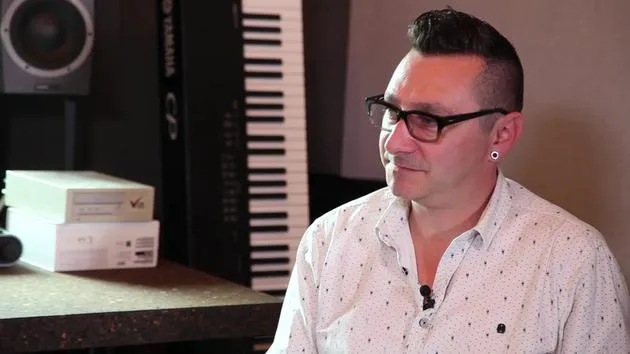
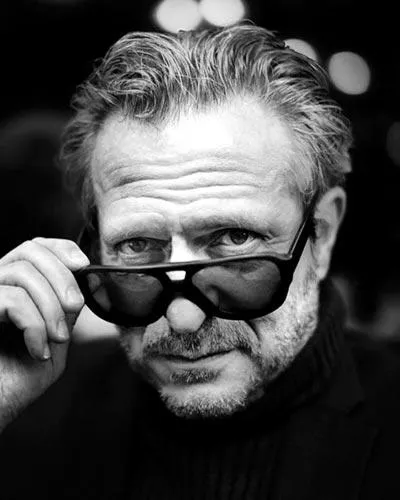
Charlie empezó en la industria musical como abogado recién titulado, promoviendo conciertos y llevando a artistas como Iggy Pop y Patti Smith ante un público universitario italiano de espíritu radical.
Tras trabajar en el legendario Record Plant NYC y empaparse de la escena house, formó los Rapino Brothers con Marco Sabiu, se mudó a Londres en 1990 y nunca miró atrás. Allí arrasaron durante toda la década, produciendo y grabando discos. Después de su primer éxito con Love Me The Right Way de Kym Mazelle, idearon el primer éxito de Take That y produjeron, mezclaron y arreglaron a muchos grandes artistas del pop durante los años noventa, desde Kylie hasta Primal Scream.
En 1997, Charlie fue el productor «en directo» de «Get Your Act Together» de la BBC, seguido de «Full Frontal» en Channel 4. De 1999 a 2004 fue A&R Director de Sony Music International.
Su energía nunca decae. A lo largo de los años ha repartido su tiempo entre la consultoría de gestión para Ennio Morricone, la consultoría para la revista Rolling Stone, el trabajo en bandas sonoras y la consultoría de producción para películas y videojuegos (incluido convencer a Iggy Pop para que hiciera las voces del videojuego Driver 3), y la contratación y gestión de artistas a través de su sello en empresa conjunta con Sony, Stud Records.
En Get signed!, Charlie descorre el telón sobre décadas de experiencia en producción y A&R para mostrarte exactamente qué escuchan los sellos, cómo dar forma y presentar tu proyecto, y qué hace falta realmente para llamar la atención y conseguir un contrato.







