



Dein Solo komponieren
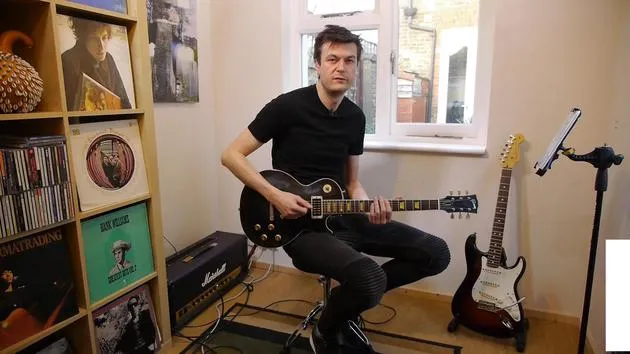
James Barratt bespricht, worauf du achten solltest, um ein authentisch klingendes Solo zu entwickeln.

Das steckt im Kurs
44 Lektionen (3h 49m) · 1 gratis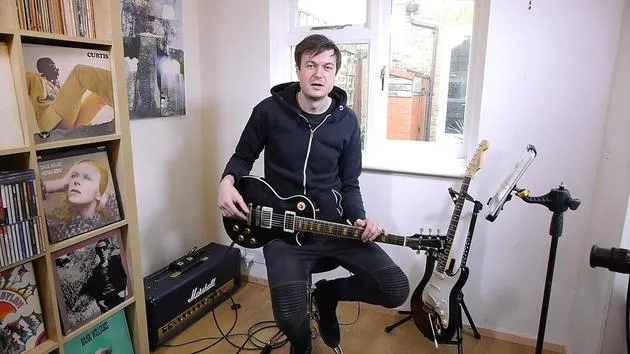
01. Einführung in Ansätze zur Improvisation
1:00
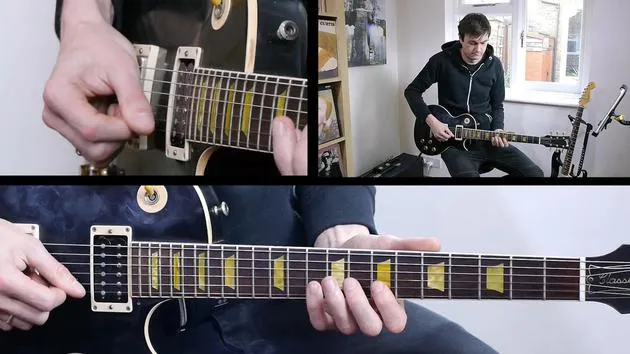
02. Eine Melodie verzieren
5:36
03. Challenge: Reiche deine Melodie ein
0:26
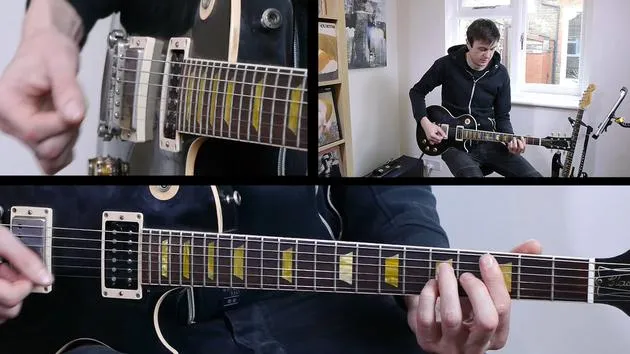
04. Septakkorde
6:38
05. Dein Solo komponieren
Du bist hier8:53
06. Weitere Erweiterungen und sus-Akkorde
4:19
07. Begleiten in zwei verschiedenen Musikstilen
Gratis-Lektion8:36
08. Rhythmisches und melodisches Comping mischen
4:24
09. Rhythmische Improvisation & Comping
9:55
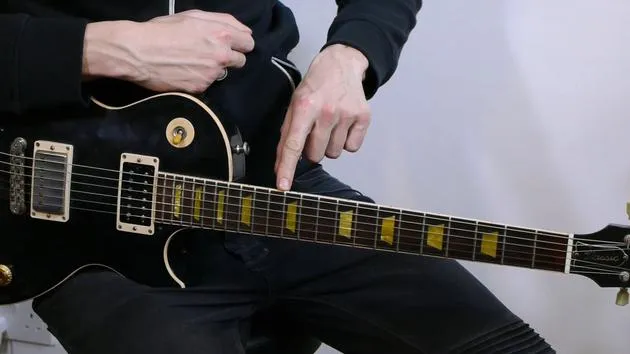
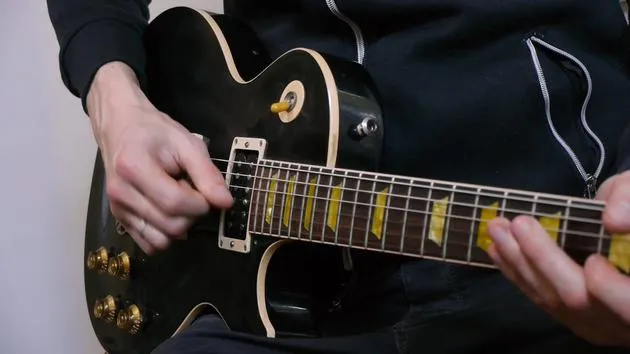
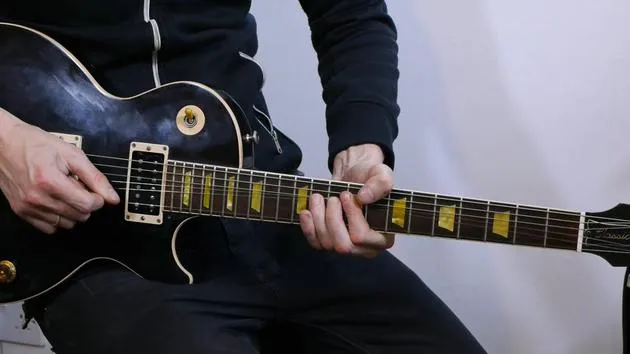
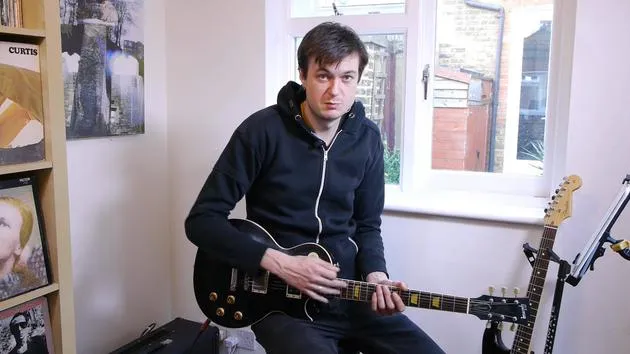
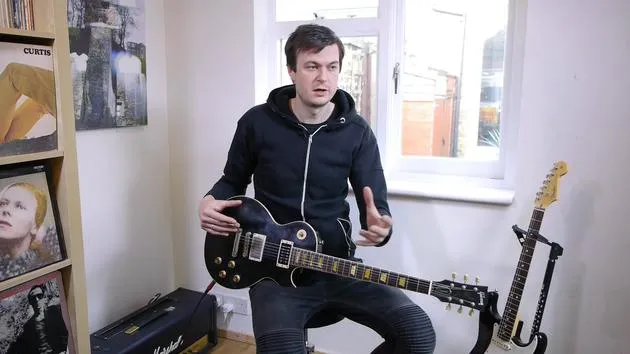
Transkript der Lektion
Approaching Your First Solo Composition
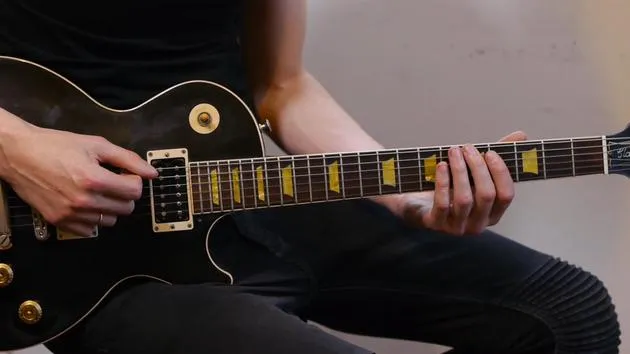
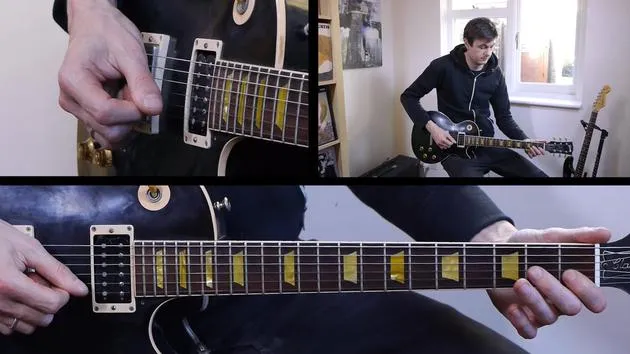
Okay, so I'd just like to talk to you a little bit about ways to approach composing a solo for the first time. This can serve as a sort of checklist of things to bear in mind, consider, and experiment with to help you come up with a really authentic-sounding stylistic solo.
1. Listen to the Space
First of all, the most important thing is to sit back, put the guitar down, and listen to the space you need to fill with your solo.
- What's going on in there?
- What's the drummer doing?
- What rhythms are involved?
- What are the chord changes?
Key Awareness
It's crucial to get a good sense of the vibe. If you've reached this point in a song, you're likely familiar with the chords you're going to be playing over and the key of the song. If you're unsure, that's an essential thing to be aware of as well.
Ask yourself:
- What key am I in?
- What scales should I consider using for my improvisation or composition?
2. Structure Your Solo
Next, think about how you'd like your solo to be structured:
- How much time do you have?
- 4 bars?
- 16 bars?
- 32 bars?
This will dictate how you can approach your solo. It's easy to fall into the trap of starting with your flashiest licks. But remember, you might have a lot more bars to fill!
Build Your Solo
We want the solo to start from a point and build to a big finish before transitioning into the next section (bridge, breakdown, drum solo, etc.).
- Consider the overall shape of your solo.
- You may have more room to take your audience on a roller coaster ride or it might need to stay relatively flat depending on the time constraints.
Smooth Transitions
From a practical standpoint, consider transitions:
- Where was your last chord?
- If it was down low and you want to end at the top of the neck, will that shock the listener?
You might prefer a smoother transition or vice versa:
- Start the solo low and gradually move up or down as needed.
3. Know Your Chords
Understanding the chords you are playing over is essential.
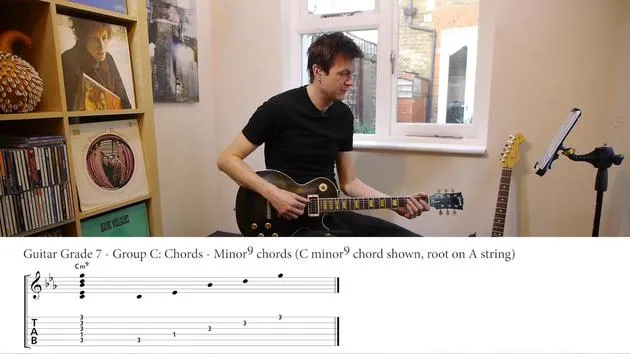
- Be able to identify, at any point in your solo, the chords present (e.g., C minor 9, D7).
Chord Tones and Extensions
Being familiar with chord tones allows you to target solid notes or unusual extensions (like 9ths and 11ths).
- Accent these notes in your solo when they appear.
- For example, if there's a C minor 9, you might want to feature the D note.
4. Leave Some Space
One key element is not to fill all the space.
Your favorite solos likely include moments of space, rather than a relentless wall of notes.
- This is particularly true in genres like funk, soul, or classic rock.
Repetition and Familiarity
You don't always need new ideas. Sometimes it's beneficial to reuse rhythmic or melodic phrases from earlier in the song to make your solo feel cohesive.
- Repeating the same ideas while changing chords can have a strong impact.
5. Example: Mind the Gap Solo
For example, in my "Mind the Gap" solo for the Grade 8 performance:
- At bar 5, I encounter a G minor 9 chord followed by a C minor 9 chord.
- I approached it from a compositional standpoint, planning what I would play instead of improvising.
Featured Phrases
I emphasized the ninth interval of the G minor 9 chord, creating a nice phrase.
- Then, I took that same rhythm and adapted it for the C minor 9 chord, creating continuity in my solo.
Themes and Variations
You don't need the chords behind it to imagine what they are, as I play many of the chord tones. This approach reduces pressure on you as a writer or improviser. Instead of worrying about filling all 16 bars with new content, remember that you can also steal ideas from earlier in the song and repeat particularly good phrases.
Conclusion
So, I hope these tips are useful as you embark on your solo compositions. Good luck with composing your own solos!
44 Lektionen
3 Std. 49 Min. strukturierte Videolektionen
Erweiterte Videofunktionen
Verlangsamen, Passagen loopen, mitlesen
Handy, Tablet & Desktop
Üben, wo du willst
100 % Zufriedenheitsgarantie
30 Tage Geld-zurück-Garantie







