



Einführung in die technischen Übungen
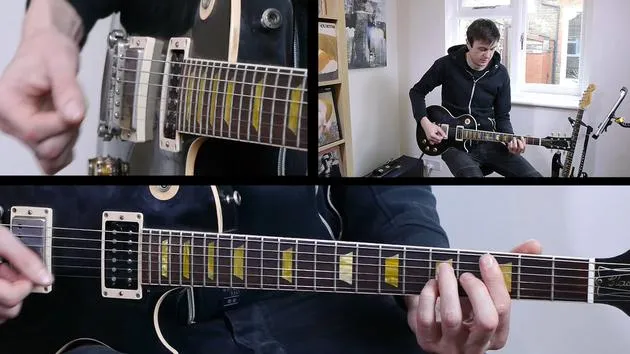
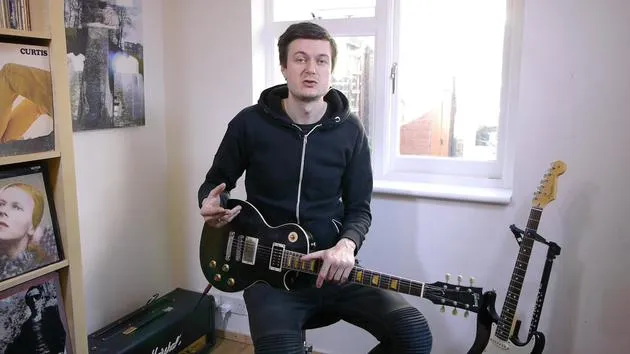
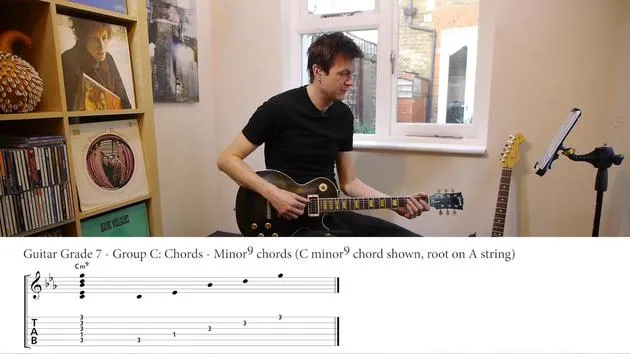
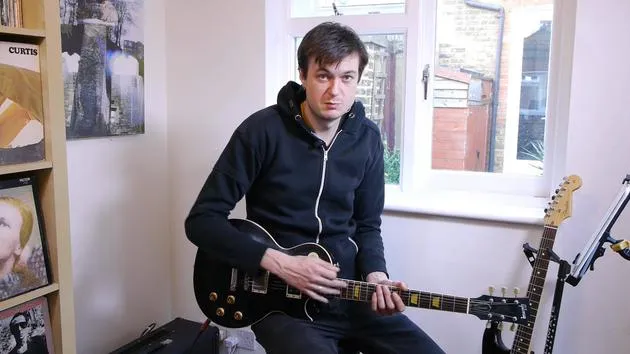
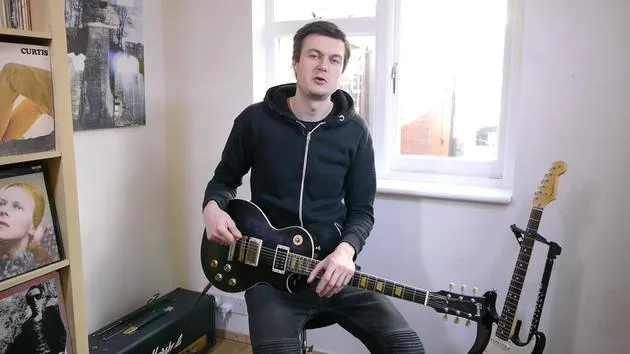
James Barratt stellt die technischen Übungen vor - Tonleitern, Arpeggien und Akkorde -, die diesen Teil deines Rockschool Guitar Grade 7 ausmachen.
Das steckt im Kurs
44 Lektionen (3h 49m) · 1 gratis
01. Einführung in Ansätze zur Improvisation
1:00
02. Eine Melodie verzieren
5:36
03. Challenge: Reiche deine Melodie ein
0:26
04. Septakkorde
6:38
05. Dein Solo komponieren
8:53
06. Weitere Erweiterungen und sus-Akkorde
4:19
07. Begleiten in zwei verschiedenen Musikstilen
Gratis-Lektion8:36
08. Rhythmisches und melodisches Comping mischen
4:24
09. Rhythmische Improvisation & Comping
9:55
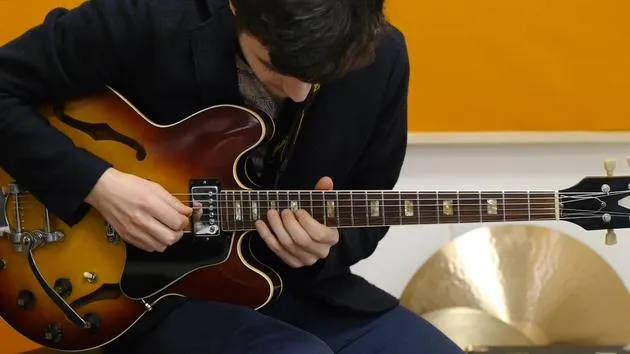
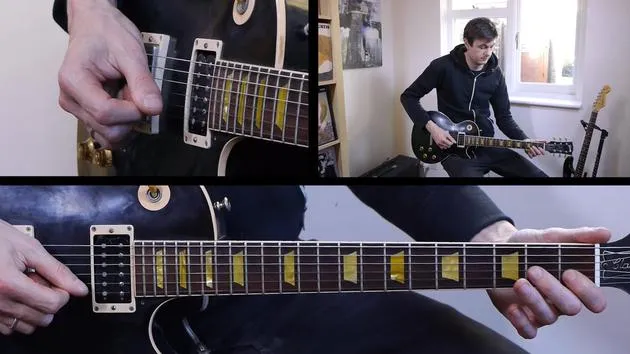
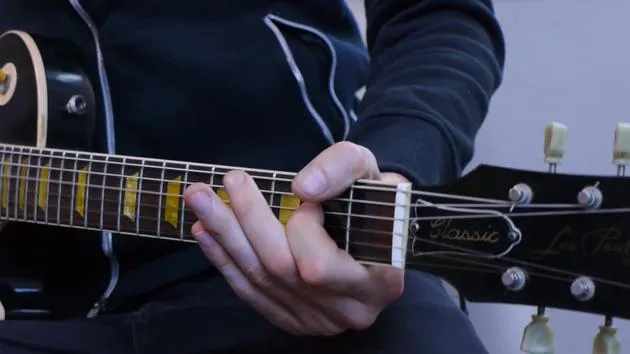
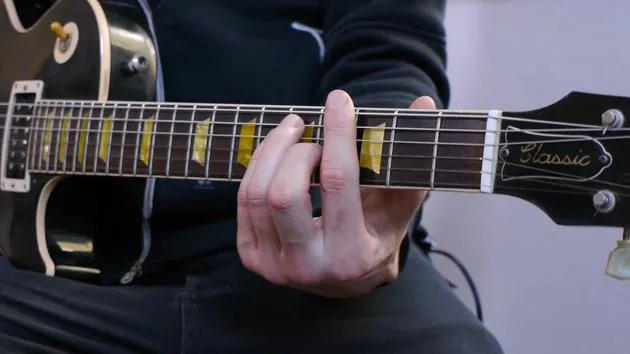
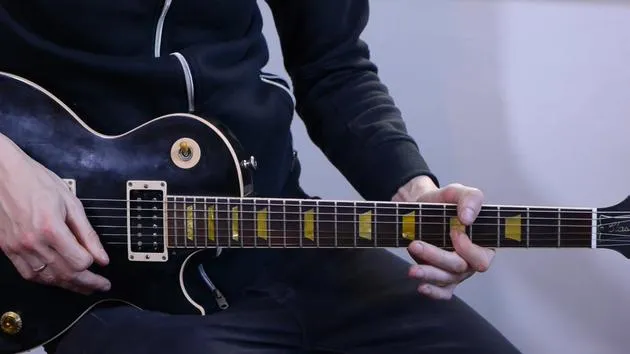
Transkript der Lektion
Technical Exercises in Music
Alright then, guys.
What Are Technical Exercises?
When we refer to technical exercises, we mean scales, arpeggios, and chords, things like that.
These are incredibly useful tools. You use them all the time, whether you realize it or not, in your day-to-day playing.
Importance of Technical Exercises
Now, these exercises may not be quite as fun as the pieces you pick up initially, but once you've cracked them, there's absolutely no end to what they allow you to do. They're really useful creative tools that you're going to have great fun using.
Remember: You've got to get them down first in this kind of rudimentary format.
Future Applications
We will look at some more creative applications of these exercises later on, focusing on using them within songs to play solos and improvise with.
But for now, I'm just going to demonstrate them as required for your grade.
Important Notes
Before I do that, there are a couple of things worthy of note:
- The demonstrations I'm going to play are what's written in your book.
- Please read the preamble before the technical exercises.
Key Requirements
You'll see that you are required to play, depending on your grade, the scales in very specific keys.
For example, it might state to play exercises A and B in keys A, B, and C. But we'll have just given you one.
Important: If you're planning on taking the exam, it's crucial that you have prepared the exercises in the correct keys.
Demonstration Insights
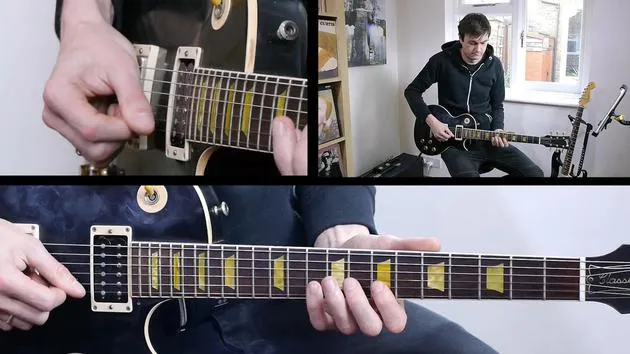
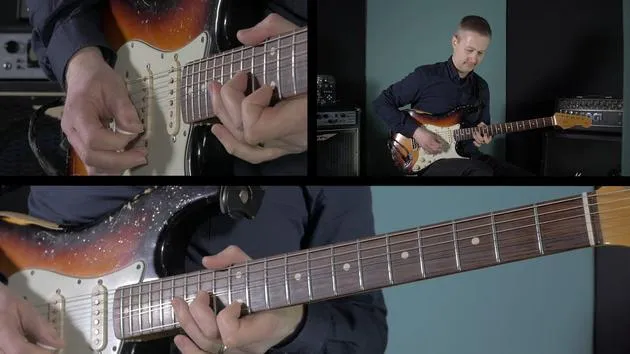
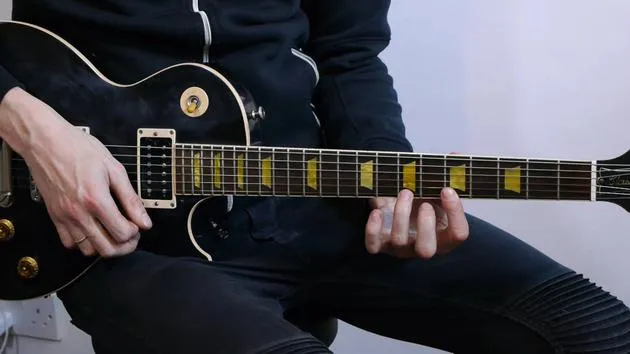
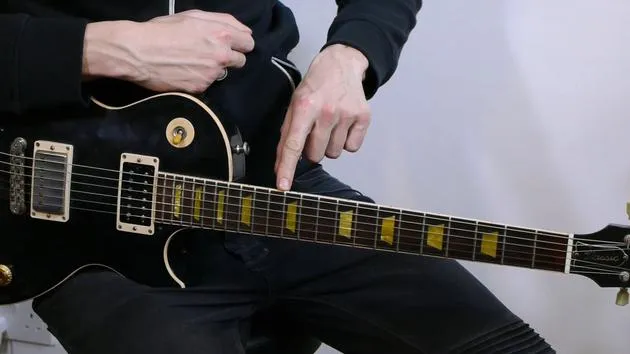
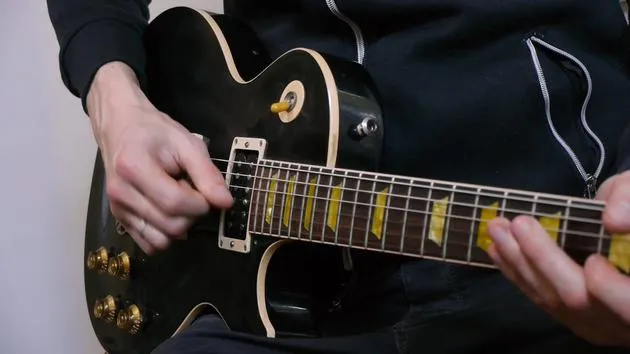
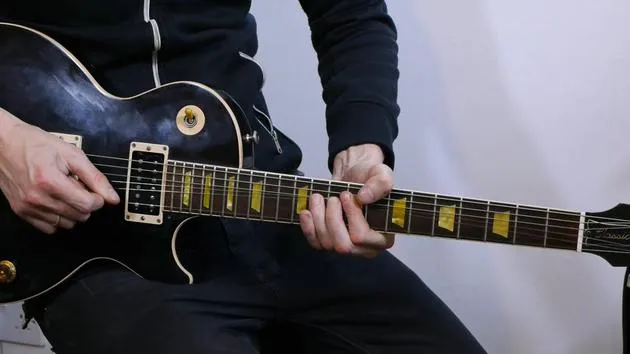
I'm going to show you the ones demonstrated in your book so you can see the fingerings I use.
All you need to do to move the exercises into a different key is take the same shape and move it to the starting note you want to begin on.
We'll find out later on, in the more creative sections, why this is going to be useful. But here's a hint:
It's going to allow you to play some pretty awesome solos!
Riff Exercises
One further thing: I'm not going to demonstrate the riff exercise. If you're comfortable with the scales and arpeggios, the riffs are based around these shapes and exercises.
So, it should be just one step further for you to work out what these riffs will be should you need to move them.
This is a really useful skill for you to develop on your own.
Stylistic Studies
We are also going to look at the stylistic studies in a section called Stylistic Techniques.
This will involve us looking at the techniques within those studies and how to use them, rather than just demonstrating the stylistic studies themselves.
Conclusion
Alright then, here we go with the demos of the technical exercises for your grade. They're all played at the correct tempo for your gradebook.
44 Lektionen
3 Std. 49 Min. strukturierte Videolektionen
Erweiterte Videofunktionen
Verlangsamen, Passagen loopen, mitlesen
Handy, Tablet & Desktop
Üben, wo du willst
100 % Zufriedenheitsgarantie
30 Tage Geld-zurück-Garantie







