



Natchez Trace
Marcus Bonfanti zeigt seine Interpretation des Country-Stücks Natchez Trace (Grade 7), einschließlich des Hybrid Pickings, das seinen Stil prägt.

Das steckt im Kurs
44 Lektionen (3h 49m) · 1 gratis
01. Einführung in Ansätze zur Improvisation
1:00
02. Eine Melodie verzieren
5:36
03. Challenge: Reiche deine Melodie ein
0:26
04. Septakkorde
6:38
05. Dein Solo komponieren
8:53
06. Weitere Erweiterungen und sus-Akkorde
4:19
07. Begleiten in zwei verschiedenen Musikstilen
Gratis-Lektion8:36
08. Rhythmisches und melodisches Comping mischen
4:24
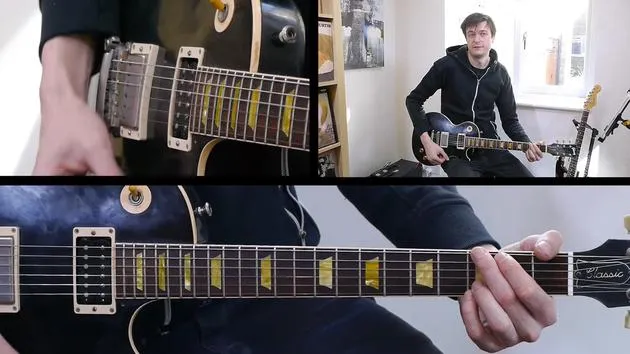
09. Rhythmische Improvisation & Comping
9:55
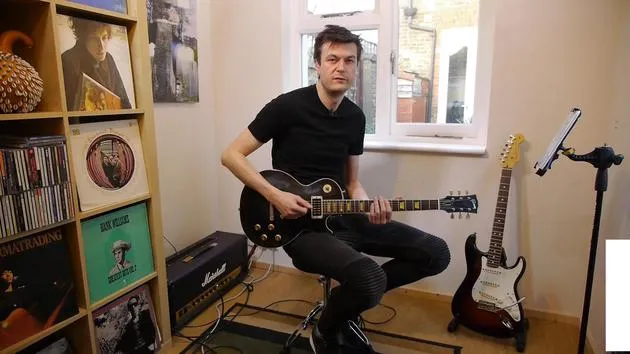
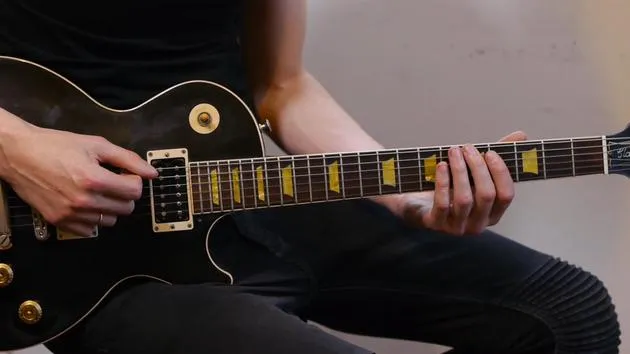
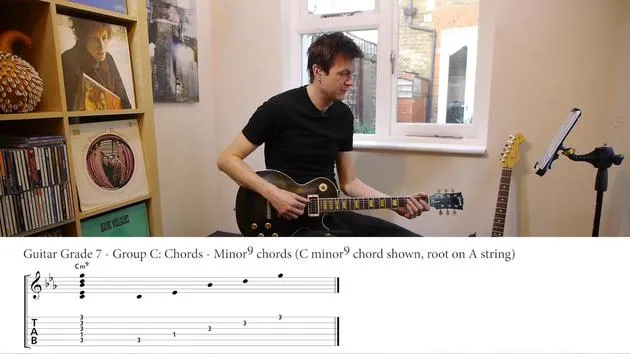
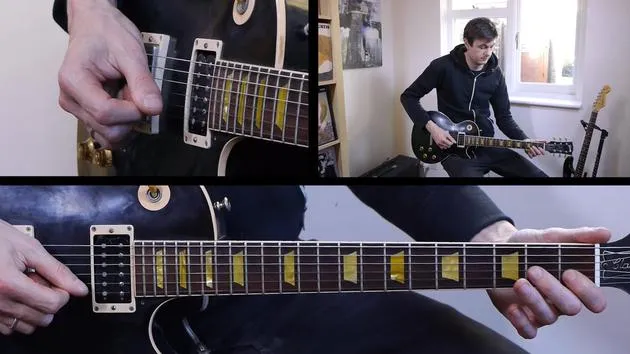
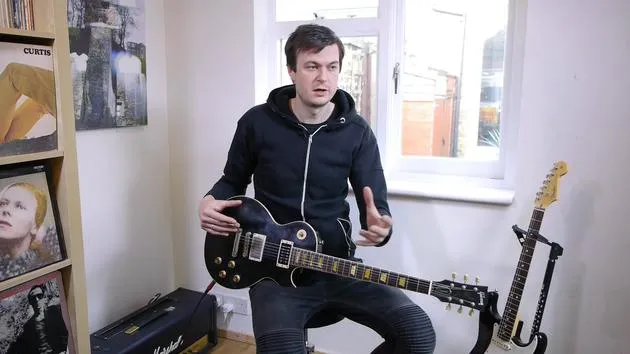
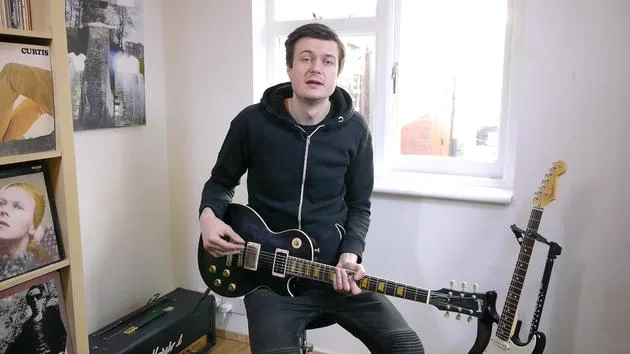
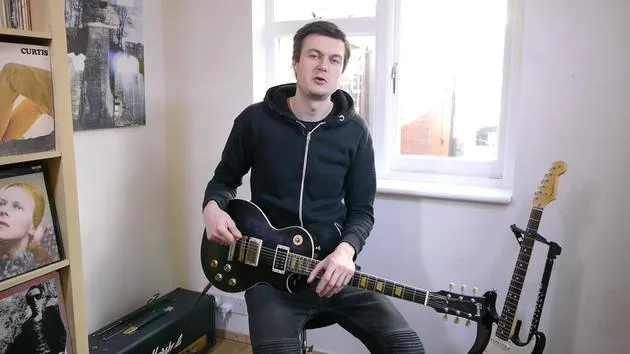
Transkript der Lektion
Music Lesson: Natchez Trace
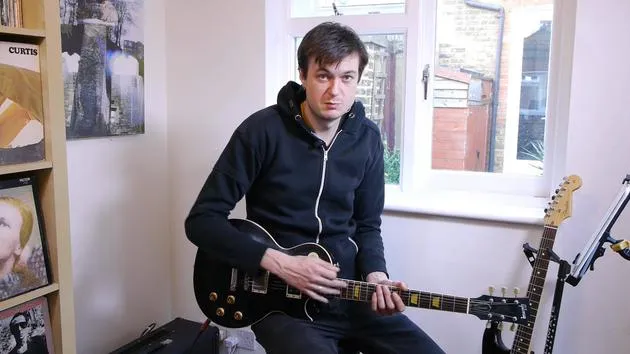
All right, that was Natchez Trace. That's your grade seven rock school piece based heavily in the country genre.
Introduction
I've got to say, I had a lot of fun learning this tune. And it's pretty advanced. So, you know, if you're nailing this one, you're doing very well.
Technique and Style: Hybrid Picking
Now it sort of comes to a part of the technique and the style within country music called hybrid picking, which is something I do quite a lot of.
Understanding Hybrid Picking
- Once you get to these levels of pieces, you realize there are quite a few different ways you can play them using different techniques.
- This can be a style choice or a technique choice.
- You might think stylistically, the way a certain technique sounds suits a piece better.
- Or you might feel that you just play it better in that technique.
In the preface, it talks a little about hybrid picking, so I'm going to expand on that a little bit. It actually has a really good graphic for you to look at on how to hybrid pick.
Mechanics of Hybrid Picking
- Basically, the thing behind hybrid picking is:
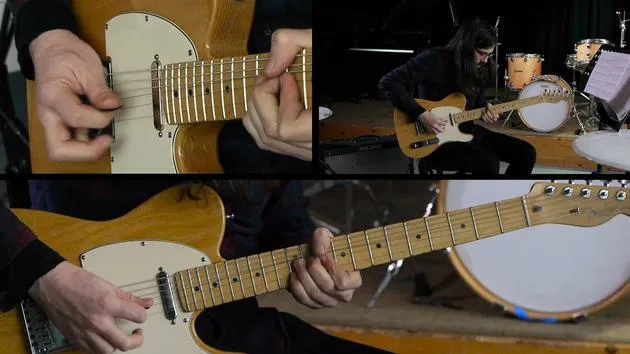
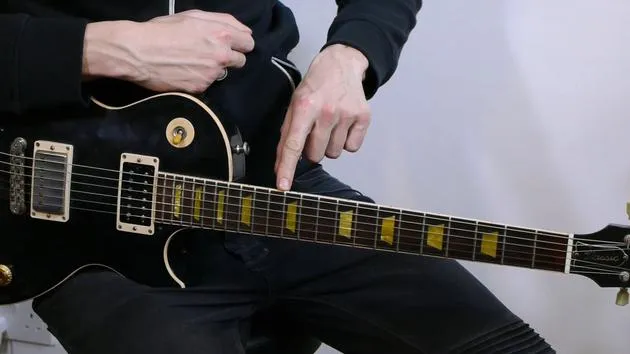
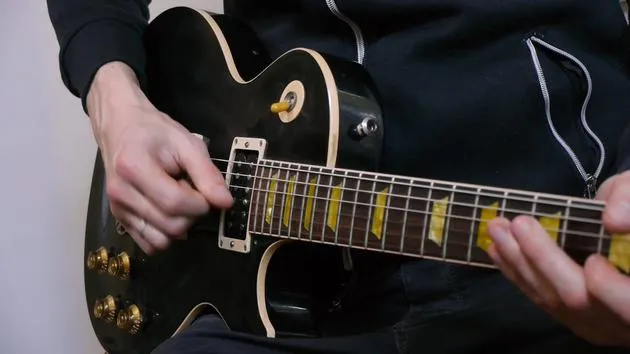
- You have your plectrum and the use of these two fingers, sometimes one finger.
- Albert Lee, for instance, I think, does it with his little finger.
- Albert Lee is one of the greatest hybrid pickers.
- With a lot of Danny Gatton stuff, he uses these two fingers as well.
- Others just use one.
It's almost like a way of emulating the guitar players that played with a thumb pick and had their fingers at their disposal. People like Doc Watson and Chet Atkins could do a lot of fast licks using fingers and the thumb pick.
If you're a plectrum player, you have this at your disposal, which is the hybrid pick. Basically, over the intro, it's where it's sort of used most.
Demonstration
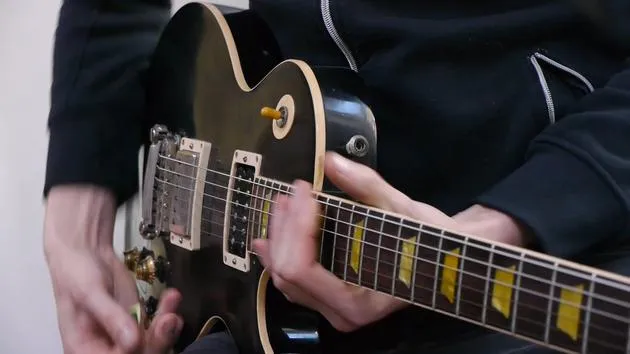
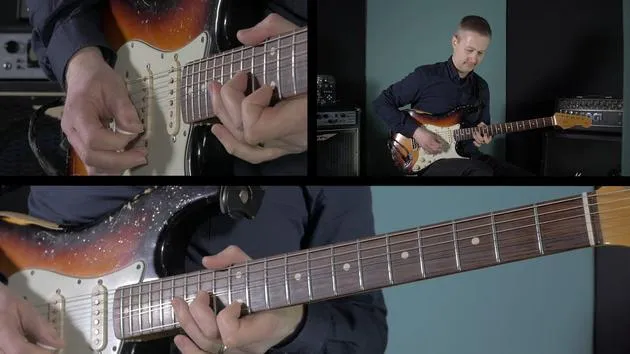
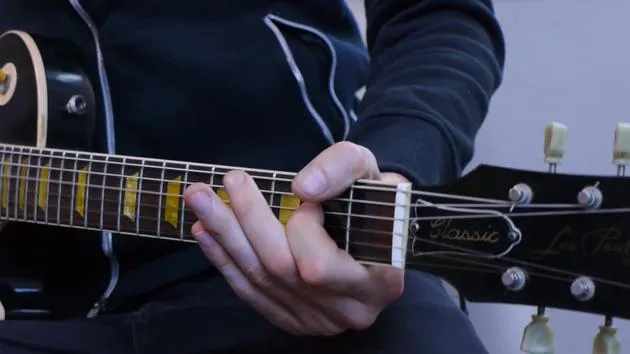
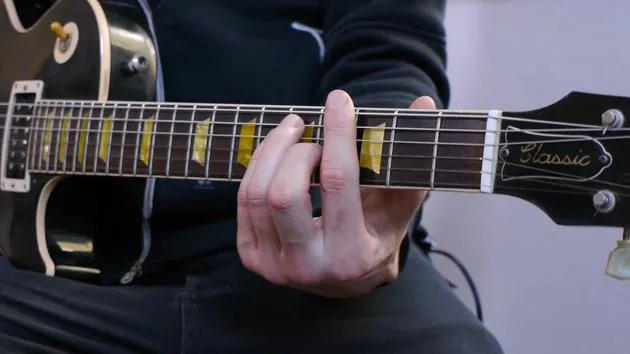
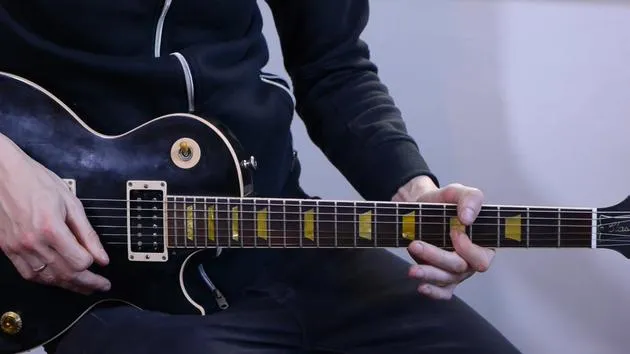
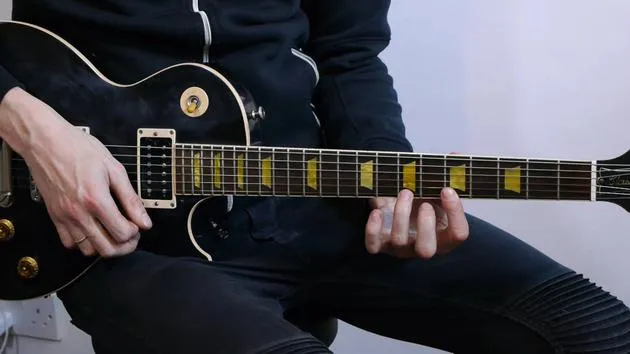
- If you see what this hand is doing, both the index finger and this finger here, plus the plectrum.
- The graphic on your page will show that much better.
Just to see it in action:
"It's that. And then you can use it as well."
I employed it for the actual main riff, which was,
"So I'm using basically this middle finger here to be my sort of pivot back up to those main notes."
That's a technique that sort of appears all through. I played quite a lot of it in the solo. I'll get onto the solo section shortly.
Gear and Amp Settings
Just a quick note on gear and amp settings:
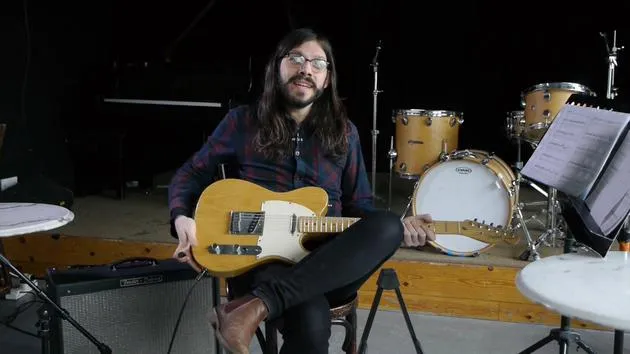
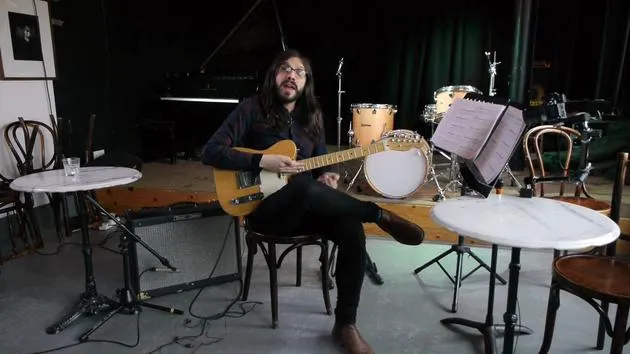
- I'm using an American Fender Telecaster and a Fender Deluxe Hot Rod.
- They are pretty standard bits of gear.
Now, you obviously read on forums and in interviews of all these different pieces of gear that certain musicians swear by. I wouldn't get too bogged down in that.
Importance of Technique
To play this sort of music convincingly, you sort of need to rely on your technique more than your sound. But getting your sound right is a big part of making a good noise and continuing.
- I use the bridge pickup on the Telecaster.
- I've got the amp set quite bright with a lot of treble, a lot of presence, and a nice little help in reverb to make it sparkle a little bit.
That's what you really want to get: that country twang.
"Now, you don't have to have a Telecaster to make this. You can make this noise on a lot of guitars."
But try and really boost the treble and get that sort of snap, it's a real country sound.
Exploring Different Strands of Country Music
Let's get really into the body of this piece. This piece is great because it really does travel through lots of different strands of country music.
My Perspective on Country Music
- Country music is a pretty big, wide-open genre.
- I would never profess to be a country player, but I enjoy playing it.
- I use a lot of the country music techniques that I've learned from other players in my own style.
One particular bit of technique that keeps coming back in this piece is bending, in particular, pre-bending a note and holding another note. This idea that you'll go,
"That's... It's kind of..."
They refer to these as like pedal steel licks. When you listen to those pedal steel players, that's basically where that instrument is at.
Importance of Precision in Bending
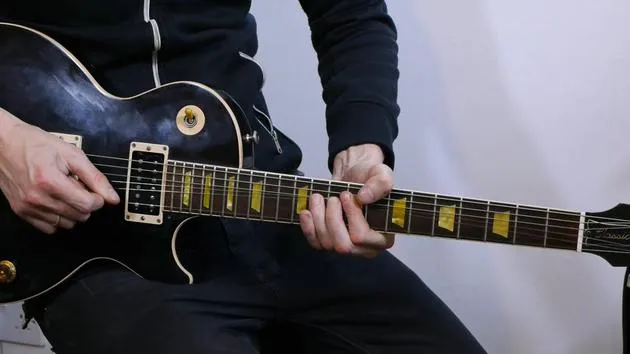
- So basically, what you're doing there is you're bending the note.
- You want to be playing this note, so you're bending it up already.
But the thing is, no one is hearing that bit. You're bending it and then hitting it. You've got to be so precise with that bend because you need to really hit that note.
Bar 21 Observations
So, in Bar 21, another one happens where you're bending this note up to here. But again, no one hears it. You bend it silently, and it happens earlier on as well.
"This bend is a lot tougher because when you get down lower towards the nut, the string tension is a lot tighter."
So bending that one will take a lot more effort than...
Zone In on Pre-bends
These are all things to really zone in on. With the pre-bends, it's something you can take further to get more of that pedal steel sound, which would be something like:
"So you're bending all over the place there. I'm bending underneath."
There's lots of this throughout the piece. There are many techniques jumping about.
Nail Those Pre-bends
So, yeah, really, really do try and nail those pre-bends because I think your examiner will be quite hot on that technique. It's very hard to do, but once you nail it, it's a great sound.
Western Swing and Chordal Knowledge
There's also a lovely little sort of western swing section beforehand, which is really great to get your chordal knowledge together.
Developing Your Sound
If you want to develop your sound, that's something you should really look into.
- Not only does that work as a comping figure (accompaniment figure), but you can also use these things in your solos.
- All of that kind of stuff is really nice to drop in. It's definitely worth exploring.
The Solo
Now we get up to the solo, right? The solo starts with quite an outrageous lick.
Engaging with Hybrid Picking
I think I'm employing the hybrid picking technique for that particular bit. You could suppose to do it with alternate picking, but that has a different sound. I prefer the snap you get off the finger; that's just a stylistic choice I've made.
Importance of Interpretation
- On all these pieces, if I've read the stuff that comes with it right, they really do want you to interpret them.
- By interpret, it doesn't mean change the melody line or just do your own thing or miss out a bit because you couldn't quite nail it.
It means that if you make a stylistic choice, like using hybrid picking rather than alternate picking, that's absolutely fine.
Approach to the Solo
In the solo, I decided to chill it out to start with and play a few longer bends, then build up to a more frenzied ending.
- I tried to show you different bits of technique in there but not make it a showcase for technique.
Your examiner doesn't want to hear you show all the technique you've got; they want to hear melodies and nice guitar lines.
Incorporating Earlier Techniques
So that's how I would approach that solo:
- Play some nice guitar lines.
- Borrow from what's gone on earlier in the piece.
- Incorporate lovely double bends and diminished runs.
Tempo Awareness
I think the key to this song, or what I found while recording it for you guys, is that it's slower than you think.
- I was playing it and practicing it a lot quicker than I actually needed to.
- When I came to playing it at the required tempo, I found it quite tough because I thought maybe if I could play it as fast as I could, then playing at a slower tempo would be easier.
That was actually quite the opposite. I think practicing at slower tempos and then speeding up will hold you in great stead for playing it.
Relaxed Playing
You need to be able to play it relaxed because this music is not frantic. It shouldn't be tense. It should be cool music, it should be relaxed.
Conclusion
Now, you've probably chosen Natchez Trace because you like country music, or perhaps something in this lit a fire in you and made you want to play like that.
Recommended Guitarists
If you're looking for other guitarists to check out who play similarly, I would say you could go no further than Danny Gatton. He is one of the most incredible guitar players you'll ever hear in country music.
- There are phenomenal country players out there like Brad Paisley and Vince Gill.
- I'm doing a lot of people a disservice by not mentioning them, but there's something about the way Danny Gatton plays that's slightly indescribable.
So check out a lot of his stuff, I would veer towards live footage rather than the albums, though those are lovely too.
Final Thoughts
There's a rich vein of country guitar players to explore. I think you should check them out because they have great technique, but more often than not, they're playing fantastic melodies, and their technique just facilitates their ability to play melodies that most people wouldn't be able to otherwise.
Anyway, that's Natchez Trace. Well done for picking it, and good luck! I'm sure you're going to nail it. Have fun!
44 Lektionen
3 Std. 49 Min. strukturierte Videolektionen
Erweiterte Videofunktionen
Verlangsamen, Passagen loopen, mitlesen
Handy, Tablet & Desktop
Üben, wo du willst
100 % Zufriedenheitsgarantie
30 Tage Geld-zurück-Garantie







