



Legato (Hammer-ons & Pull-offs)
James Barratt erklärt Legato auf der Gitarre – Hammer-ons und Pull-offs – anhand einer absteigenden G-Dur-Tonleiter und zeigt, wie du flüssig spielst, ohne jede Note anzuschlagen.

Das steckt im Kurs
44 Lektionen (3h 49m) · 1 gratis
01. Einführung in Ansätze zur Improvisation
1:00
02. Eine Melodie verzieren
5:36
03. Challenge: Reiche deine Melodie ein
0:26
04. Septakkorde
6:38
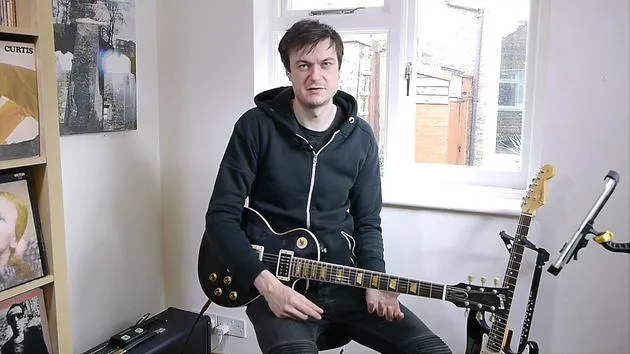
05. Dein Solo komponieren
8:53
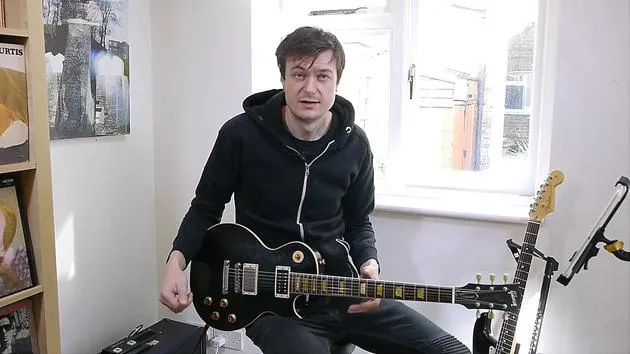
06. Weitere Erweiterungen und sus-Akkorde
4:19
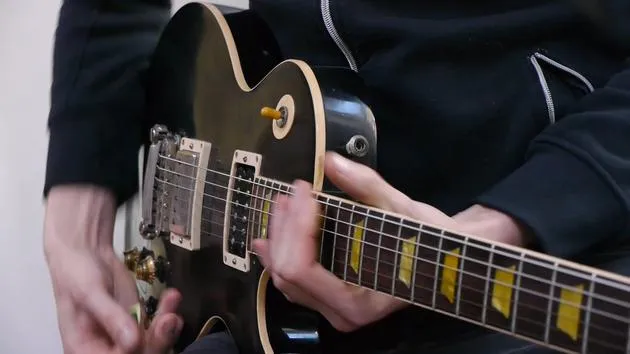
07. Begleiten in zwei verschiedenen Musikstilen
Gratis-Lektion8:36
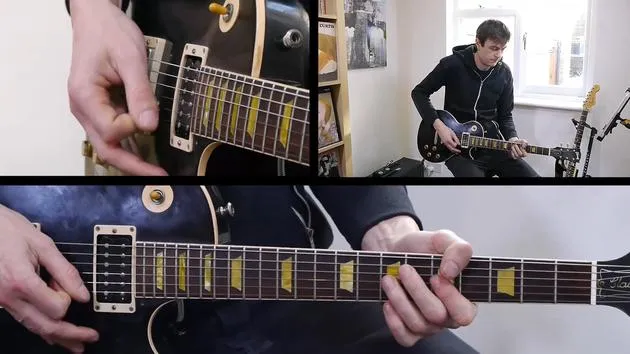
08. Rhythmisches und melodisches Comping mischen
4:24
09. Rhythmische Improvisation & Comping
9:55
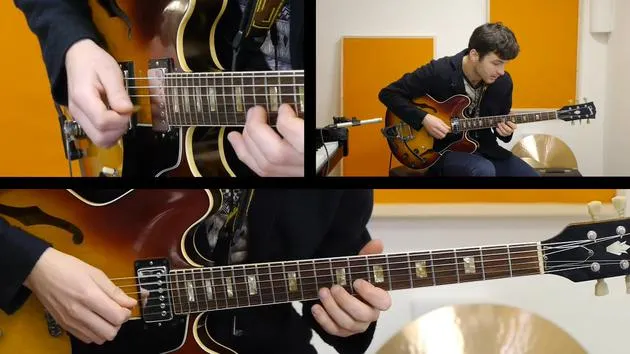
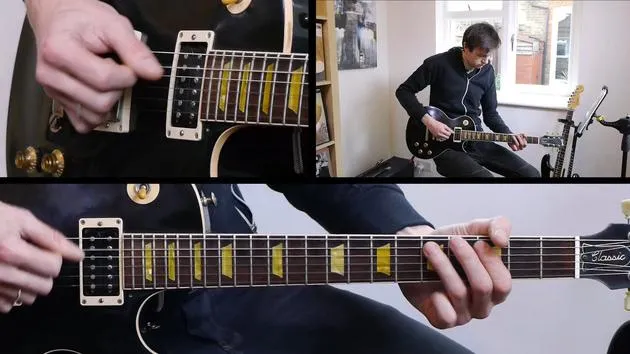
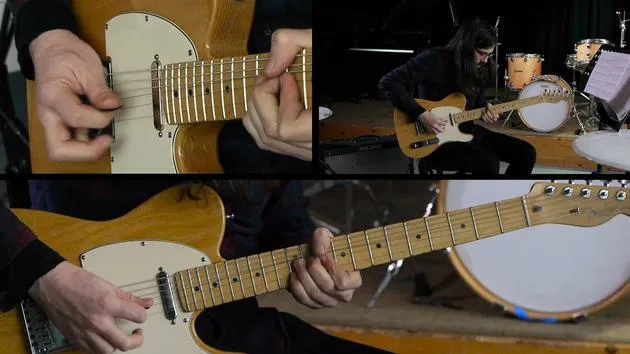
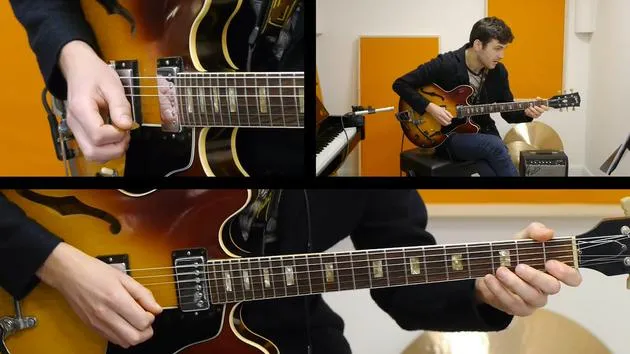
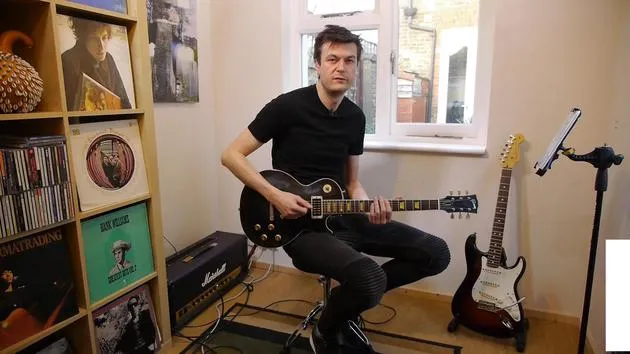
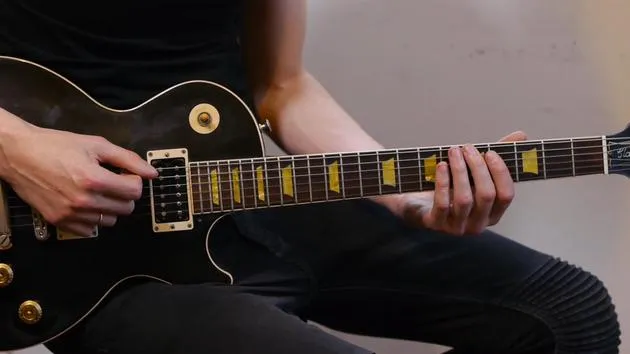
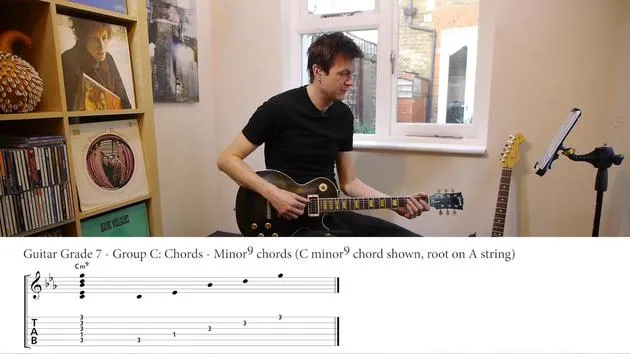
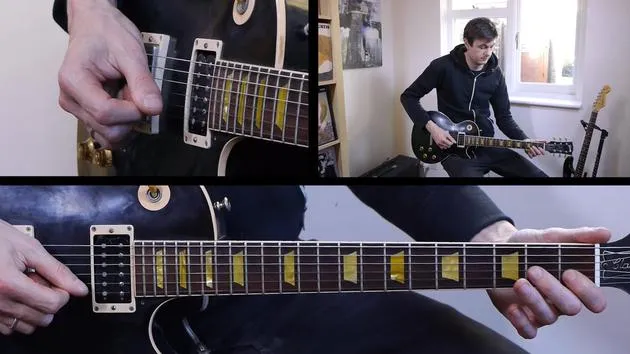
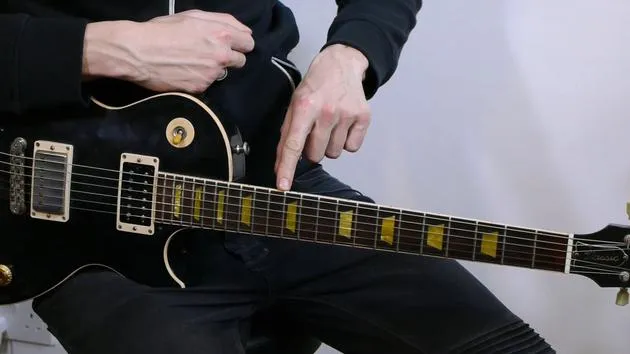
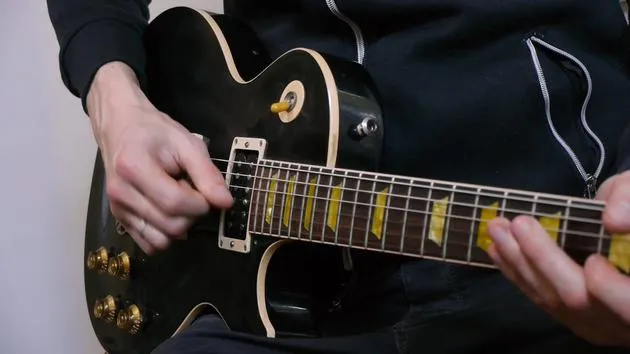
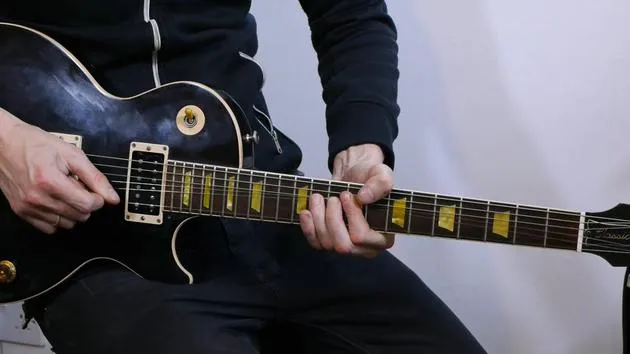
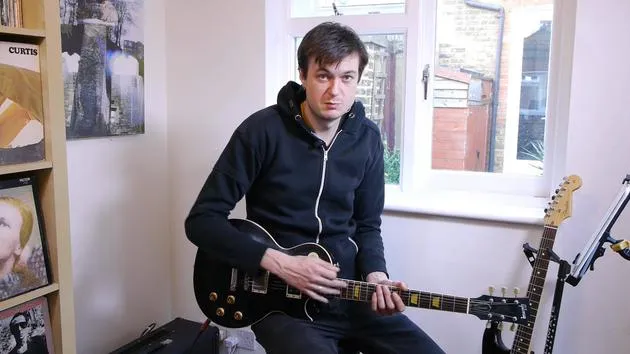
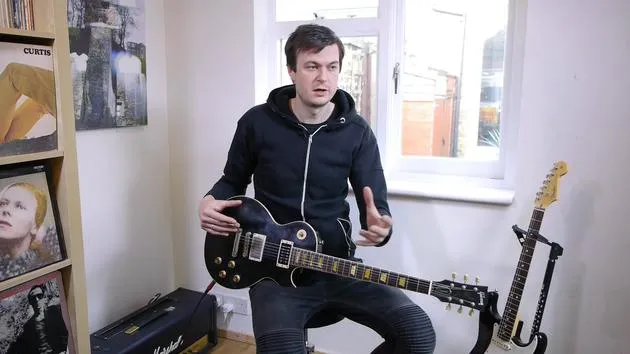
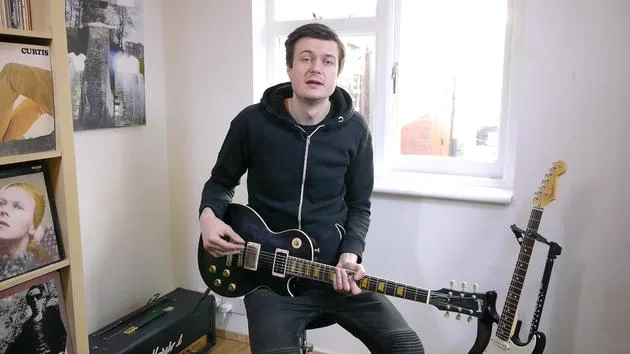
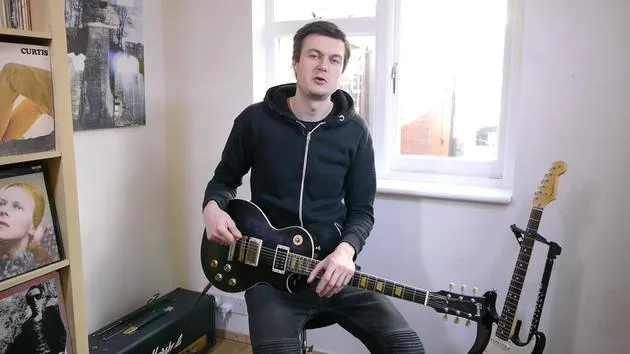
Transkript der Lektion
Basic Legato Technique for Guitar
Introduction to Legato
Today, let's discuss a bit of basic legato technique. Legato technique consists of:
- Hammer-ons
- Pull-offs
These are the two main components of legato technique on the guitar.
Demonstration of the G Major Scale
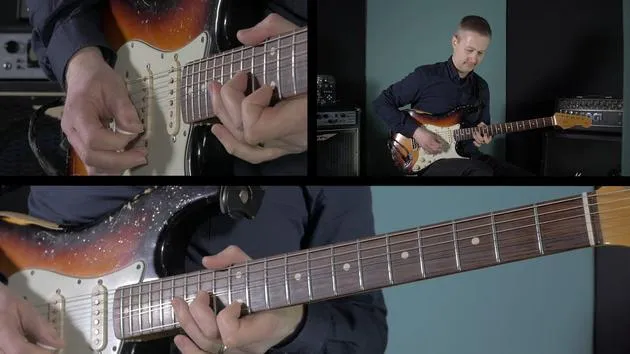
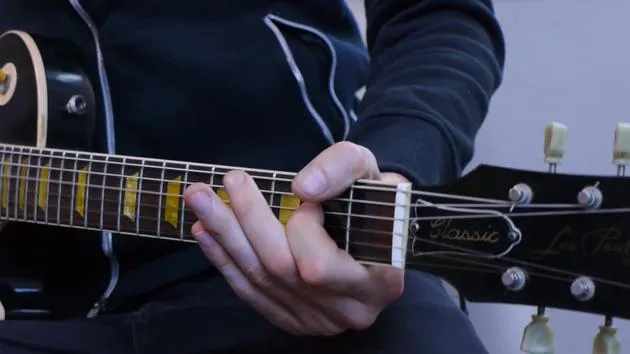
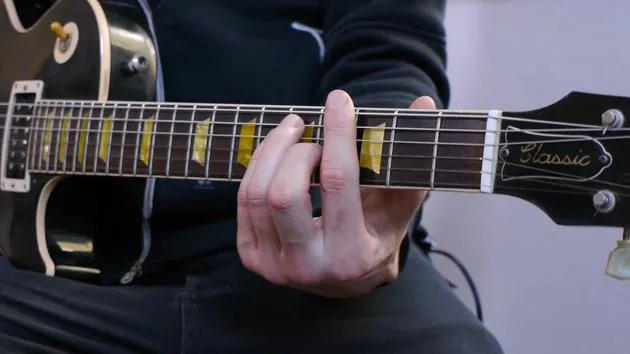
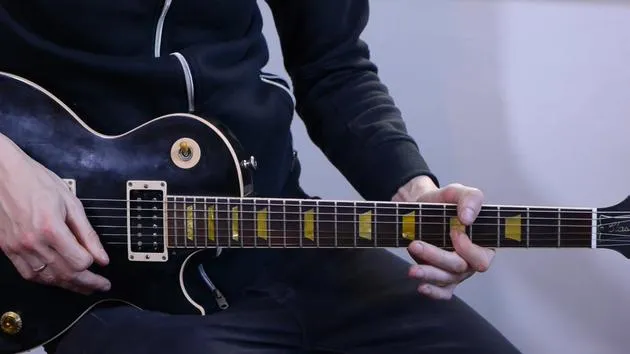
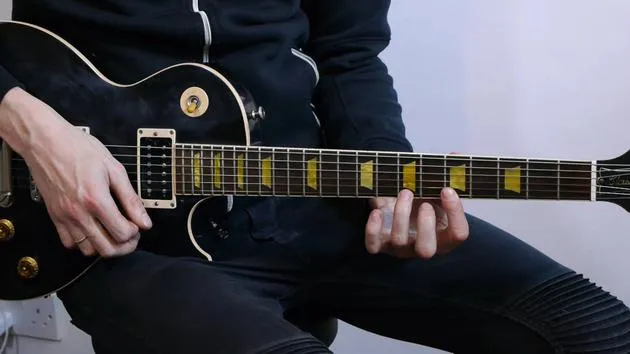
I'll demonstrate by playing a G major scale descending. First, I'll pick it all, and then I'll play it legato so you can hear the difference.
The Meaning of Legato
The term "legato" means smooth. When I play the scale using only picking, it sounds clean but not particularly smooth. In contrast, when I play it legato with hammer-ons and pull-offs, it sounds much smoother.
Playing the Scale
Here's how it sounds when played legato:
- Picking with my right hand: I pick the first note on each new string.
- Generating power from my left hand: All the power for the notes comes from my left hand.
That was the G major scale descending using pull-offs.
- Pull-offs: Used when moving down a legato phrase.
- Hammer-ons: Used when moving up.
Hammer-ons Demonstration
Let me demonstrate hammer-ons quickly, then we'll look at some finer examples. Here's the G major scale performed ascending using hammer-ons:
Practice Techniques for Hammer-ons and Pull-offs
There are a few ways to practice hammer-ons and pull-offs. Let's isolate them:
- Pick a string: We'll use the D string.
- Play the open D note.
- With any finger on your left hand (I'll use my second finger), hammer on to the second fret.
Explanation of Hammer-ons
- When I say "hammer on," I mean I'm physically hammering onto the fretboard with my left hand.
- My right hand won't touch the string after I play the first note.
Here's a slow demonstration:
- I'll pick, then hammer on.
Ensure the hammer-on sounds as loud as the picked note.
Practicing Pull-offs
Now, let's reverse that and practice pull-offs:
- Pick the second fret first.
- Without picking again, remove your right hand and pull off to the open D string.
Technique for Pull-offs
- When pulling off, pull to the side of the string instead of coming directly off.
- This technique ensures you generate energy into the open string, resulting in a louder pull-off.
Combining Hammer-ons and Pull-offs
Putting it together, we can create a hammer-on followed by a pull-off. Here's how:
- Pick the open D string, hammer on, then pull off to get this sound.
If we add these together rapidly, we can achieve a trill. For example, here's a trill with the first finger.
Practicing Trills
You can practice trills on any open string or fretted note. You can also try two fretted notes, such as:
- Second fret on the G string
- Hammering on and pulling off from the fourth fret on the B string.
This requires more strength from your left hand because the back-end note must remain fretted.
Applying Techniques to Scales and Melodies
Once comfortable with hammer-ons and pull-offs on one string, you can start applying these techniques to scales or melodies you've learned.
For example, with the G major scale:
- Start at the bottom.
- Pick the first note on each new string.
- Follow this pattern: pick, pick, hammer on, hammer on, pick, hammer on, hammer on, pick.
Descending the Scale
When going back down, we follow the opposite direction:
- Still pick the first note on each string, but use pull-offs in the opposite direction.
This results in a smooth sound compared to all picks, which sounds much less fluid.
Conclusion
Incorporating legato technique into your playing is a valuable addition once you have a reasonable grounding in it. It can enhance the songs you've learned and bring a new level of smoothness to your playing. Happy practicing!
44 Lektionen
3 Std. 49 Min. strukturierte Videolektionen
Erweiterte Videofunktionen
Verlangsamen, Passagen loopen, mitlesen
Handy, Tablet & Desktop
Üben, wo du willst
100 % Zufriedenheitsgarantie
30 Tage Geld-zurück-Garantie







