



Welche Stimme sollte ich verwenden?

Mit
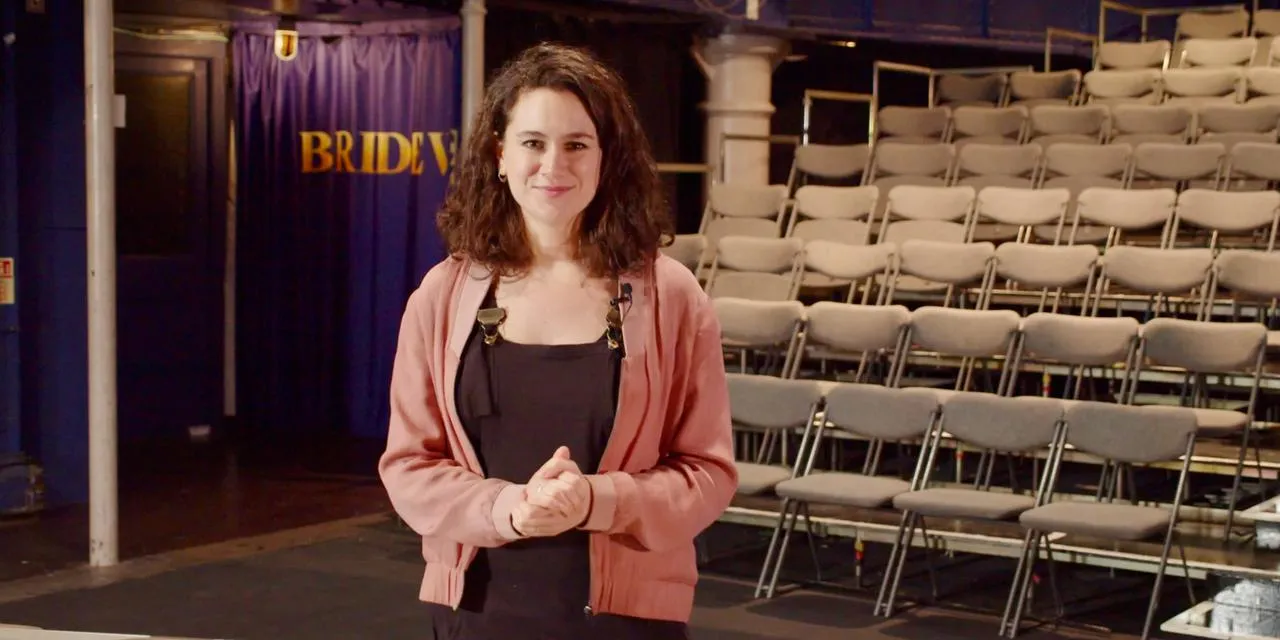
Rachel LynesRachel Lynes geht einer Frage nach, die sich jeder Musical-Sänger stellt: welche Stimme man einsetzen und wie man seinen Klang über Stile hinweg anpassen sollte, von Six bis zum Phantom der Oper.
Das steckt im Kurs
18 Lektionen (1h 25m) · 1 gratis
Transkript der Lektion
Understanding Your Voice in Musical Theatre
One of the questions that I get asked over and over is, "What voice do I use?"
What is Your Voice?
In musical theatre, there are so many genres within genres. Let's consider various styles, from Six the Musical to Les Mis?rables, from your favorite Disney shows to Phantom of the Opera.
As a musical theatre performer, you need to have the agility to be adaptable, to be able to sing everything, or at least maximize your chances of getting work. The aim is to do as many things as possible!
Changing Your Voice Through Mimicry
Today, we're going to explore how you can change your voice using a simple method: mimicry.
Instead of diving deep into technical details like tongue placement, jaw position, or breathing techniques, let's focus on embodying some well-known genres within musical theatre and see how that affects your voice.
Exercise: A Phrase from Chicago
We'll start with a phrase from the musical Chicago, which has a very distinct style.
Let's make it gender-neutral and use the following phrase:
"They had it coming, they had it coming, they had it coming all along."
You can try that now once more with me:
"They had it coming, they had it coming, they had it coming all along."
Is that the right words? Yes, I think so.
Exploring Genre Characteristics
Now, think about that genre. See if you can make your voice sound a little deeper.
- From your guts:
- One, two, three, go.
- "They had it coming, they had it coming, they had it coming all along."
Next, let's adapt our voices using techniques from another common genre within musical theatre.
Exercise: Disney and Modern Musicals
For this part, I want you to draw from your Disney knowledge, and perhaps a bit of Dear Evan Hansen or Jason Robert Brown. I want you to really mean what you're saying.
"They really did have it coming."
- Use all those consonants and maybe elongate the vowels.
Let's put the music down for a moment, and play around with making this phrase sound a bit more like it's from a modern musical.
Try it out:
"They had it coming, they had it coming, really mean it. They only had themselves to blame."
Adding Naturalism
You can really play around with that naturalism. Maybe try telling them they did have it coming:
- Two, three:
- "They had it coming. Tell them they had it coming."
- "Hit the words: They only had themselves to blame."
Exploring Les Mis?rables Influence
Now let's delve deeper into more musical theatre drama by taking ourselves into Les Mis?rables territory. Here, we'll get a little more operatic and open up the vowels even more:
- Play around with this:
- "They had it coming, they had it coming, they only had themselves to blame."
- This could bring some Fantine energy into your performance.
Again, make it dramatic:
"They had it coming. Do you hear the people saying?"
"They had it coming, and they only had themselves to blame."
Transitioning Back to Modern Musical Styles
Let's now circle back to a more modern musical vibe, perhaps something like Six the Musical. Here's how you might express the phrase:
- Let's try together:
- "They had it coming, they had it coming, they only had themselves to blame. If you'd have been there, if you'd have seen it, I wish that you would have done the same."
Remember, I am not a riffer, just having some fun.
The Importance of Practice and Play
Part of practice is play, not trying to be perfect. Take the bits that worked for you:
- Maybe the riffing freed up some of your voice.
- Perhaps Les Mis found you some guts and depth.
- Maybe Disney or Dear Evan Hansen helped you with clarity or with getting rid of breathiness.
Enjoy exploring! Go away, play with all the different genres, and have fun with your voice!
18 Lektionen
1 Std. 25 Min. strukturierte Videolektionen
Erweiterte Videofunktionen
Verlangsamen, Passagen loopen, mitlesen
Handy, Tablet & Desktop
Üben, wo du willst
100 % Zufriedenheitsgarantie
30 Tage Geld-zurück-Garantie
Lern deinen Guru kennen
Lern deinen Guru kennen
Rachel Lynes arbeitet mit Sängern, die von Recording-Artists bis zu West-End-Darstellern reichen. Sie erforscht die Stimme seit über 20 Jahren, mit besonderem Augenmerk auf der Verbindung zwischen Gesang, psychischer Gesundheit und Wohlbefinden. Als Interpretin verbrachte sie 10 Jahre mit Hauptrollen im West End und international und arbeitete mit allen möglichen Größen, von Andrew Lloyd Webber bis zu Tony- und Olivier-preisgekrönten Kreativen.
Von den Sängern, mit denen sie arbeitet, liebevoll „die Stimmenflüsterin" genannt, ist Rachels Ansatz rigoros technisch und zugleich zugänglich und verbindet die Wissenschaft mit dem Herzen.
Sie ist außerdem Gründerin und Coach von the Sing Space, einem globalen Online-Studio, das Sängern aller Niveaus offensteht und das weltweit erste Vocal Gym™ beheimatet, mit Gruppenkursen, Einzelgesangsstunden und exklusiven Gelegenheiten, vor einigen der führenden Kreativen der Branche aufzutreten, darunter Casting-Direktoren, Regisseure, Produzenten und West-End-Stars.
In ihrem MusicGurus-Kurs bringt Rachel dieselbe technische, aber menschliche Methode in den Musical-Gesang ein und führt dich durch genau die Techniken, die sie mit West-End-Darstellern anwendet.







