



Urklänge

Mit
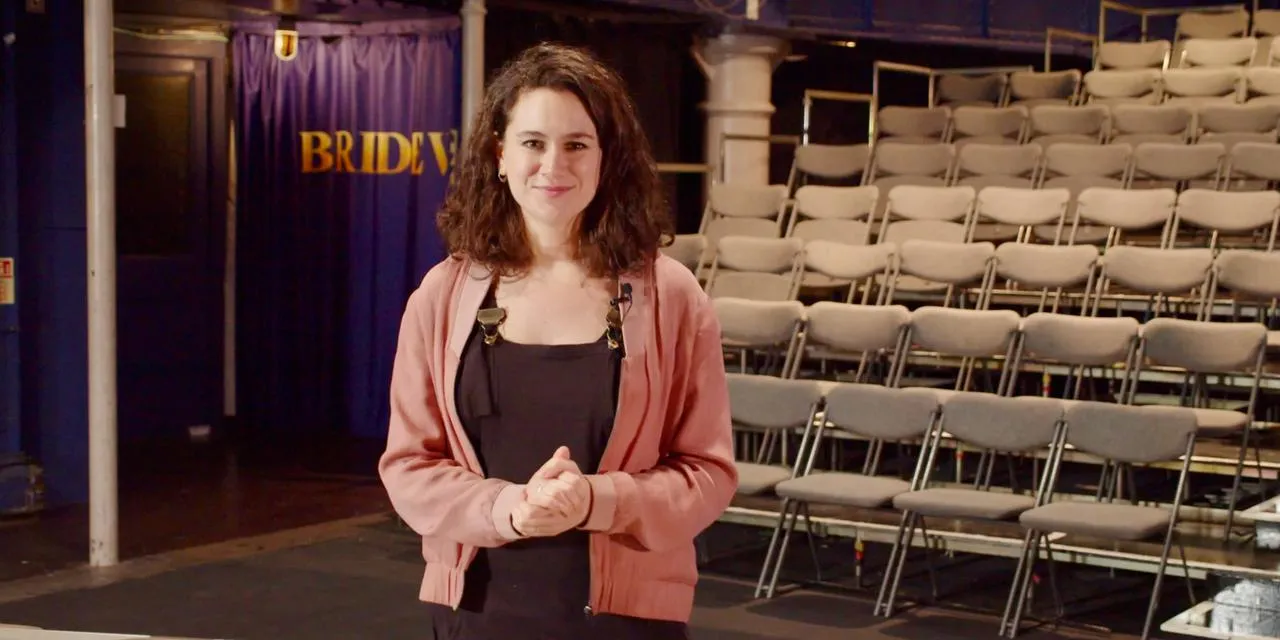
Rachel LynesRachel Lynes zeigt, wie alltägliche 'Urklänge' als Abkürzungen zu einer besseren Gesangstechnik dienen können, und nutzt eine Zeile aus 'Jesus Christ Superstar', um Kiefer, Atem und Ton zu befreien.
Das steckt im Kurs
18 Lektionen (1h 25m) · 1 gratis
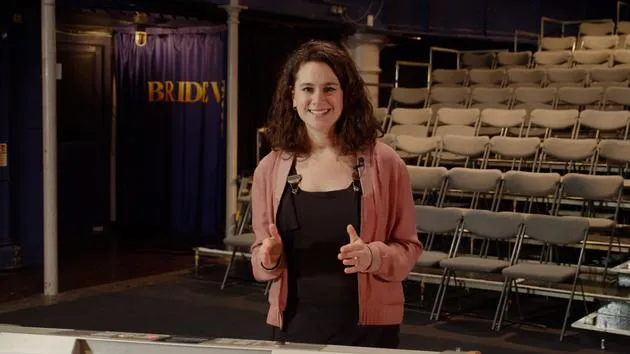
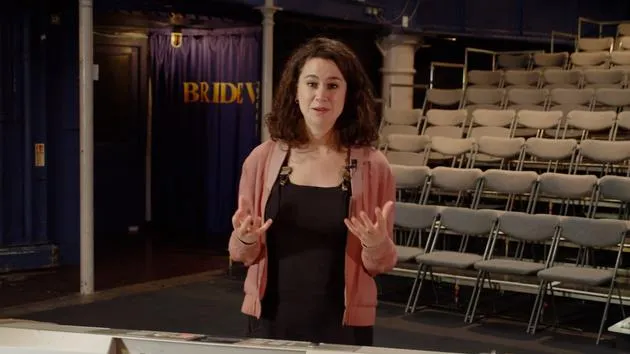
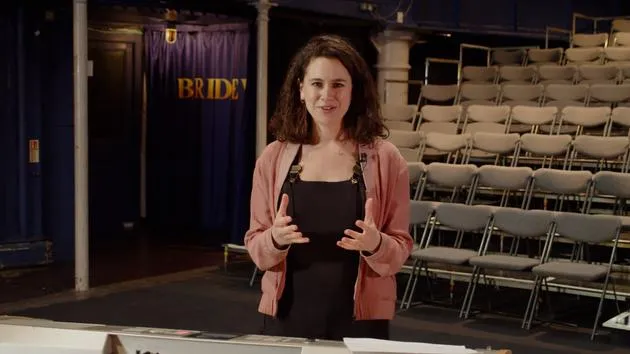
Transkript der Lektion
Music Lesson: Engaging Your Voice with Primal Sounds
So I mentioned earlier how using primal sounds or sounds that we use daily to communicate with the world around us can really help with our singing technique. In fact, they can work as shortcuts.
Understanding the Technique
Instead of me standing here and saying, "relax your jaw, put your tongue here, do this with your breath, feel the sound here," I can say, "Hey, what if we use a sound that you're already doing? How does that engage your technique and change the tone of your voice?"
Example Phrase
We're going to use a phrase from a well-known musical theatre song, Jesus Christ Superstar:
"I don't know how to love him."
But we're going to make it gender neutral:
"I don't know how to love them."
You can replace it with anything you want, like "What to do, how to move them."
The Sound Game
We're going to play a game now by using three sounds that you probably commonly use throughout your day and see how that changes the sound of your voice and connects you more to your body and the song.
1. The Frustrated "Oh"
The first sound we're going to use is a kind of frustrated "Oh."
- You can hear it's got a definitive "Oh."
- It's not a breathy sound, meaning you have good vocal closure.
Let's try a whiny version, like a toddler saying:
"Oh, I want an ice cream. Oh, please."
Now, let's see how that changes the phrase:
"I don't know how to love them."
Did it feel easier? Did it feel harder?
- If it felt easier, ask yourself why and use more of that to help yourself.
- If it felt harder, ask yourself why. Always ask yourself why.
2. The Commanding "No"
So this is my favorite. This sound can be transformative for singers: "No."
Use it firmly:
"No, no, no, no, no."
- You're really telling someone to back off.
- I want you to use your hands here as well while you say it.
Try a few of those:
"No, no, no."
Now, let's try it on the same phrase. Ready?
"I don't know how to love them."
As if you're saying "No."
Did it feel good? What did you like about it?
3. The Calling Out "Hey"
For our last sound, we'll use "Hey." This is more of our calling out sound:
"Hey, hey, hey there."
- This engages even more body connection into your singing and energizes it, useful as we approach those big belty notes.
Let's wave our hands as we do this, getting rid of any tension. Ready?
"Hey, hey, hey, hey, hey!"
Does that feel easier? Why?
Now let's sing the actual words while still waving your arms:
"I don't know how to love them. What to do? Hey. How to move them."
Reflection and Practice
How did that feel? Now you can take some time to try those sounds. You can apply them to your own songs to see how they help or hinder.
Final Thoughts
Ask yourself why each time. You might find that:
- The "Oh" works really well for the middle of your voice and quieter notes.
- The "Hey" is great for your big notes.
- The "No, no, no" gives you warmth in your lower notes.
Enjoy experimenting, and feel free to use your own sounds!
18 Lektionen
1 Std. 25 Min. strukturierte Videolektionen
Erweiterte Videofunktionen
Verlangsamen, Passagen loopen, mitlesen
Handy, Tablet & Desktop
Üben, wo du willst
100 % Zufriedenheitsgarantie
30 Tage Geld-zurück-Garantie
Lern deinen Guru kennen
Lern deinen Guru kennen
Rachel Lynes arbeitet mit Sängern, die von Recording-Artists bis zu West-End-Darstellern reichen. Sie erforscht die Stimme seit über 20 Jahren, mit besonderem Augenmerk auf der Verbindung zwischen Gesang, psychischer Gesundheit und Wohlbefinden. Als Interpretin verbrachte sie 10 Jahre mit Hauptrollen im West End und international und arbeitete mit allen möglichen Größen, von Andrew Lloyd Webber bis zu Tony- und Olivier-preisgekrönten Kreativen.
Von den Sängern, mit denen sie arbeitet, liebevoll „die Stimmenflüsterin" genannt, ist Rachels Ansatz rigoros technisch und zugleich zugänglich und verbindet die Wissenschaft mit dem Herzen.
Sie ist außerdem Gründerin und Coach von the Sing Space, einem globalen Online-Studio, das Sängern aller Niveaus offensteht und das weltweit erste Vocal Gym™ beheimatet, mit Gruppenkursen, Einzelgesangsstunden und exklusiven Gelegenheiten, vor einigen der führenden Kreativen der Branche aufzutreten, darunter Casting-Direktoren, Regisseure, Produzenten und West-End-Stars.
In ihrem MusicGurus-Kurs bringt Rachel dieselbe technische, aber menschliche Methode in den Musical-Gesang ein und führt dich durch genau die Techniken, die sie mit West-End-Darstellern anwendet.







