



Die Bluestonleiter

Mit
Ollie WestonOllie Weston stellt die Bluestonleiter vor, baut sie vom Grundton aus auf und erklärt, wie sich jeder Ton numerisch dazu verhält.
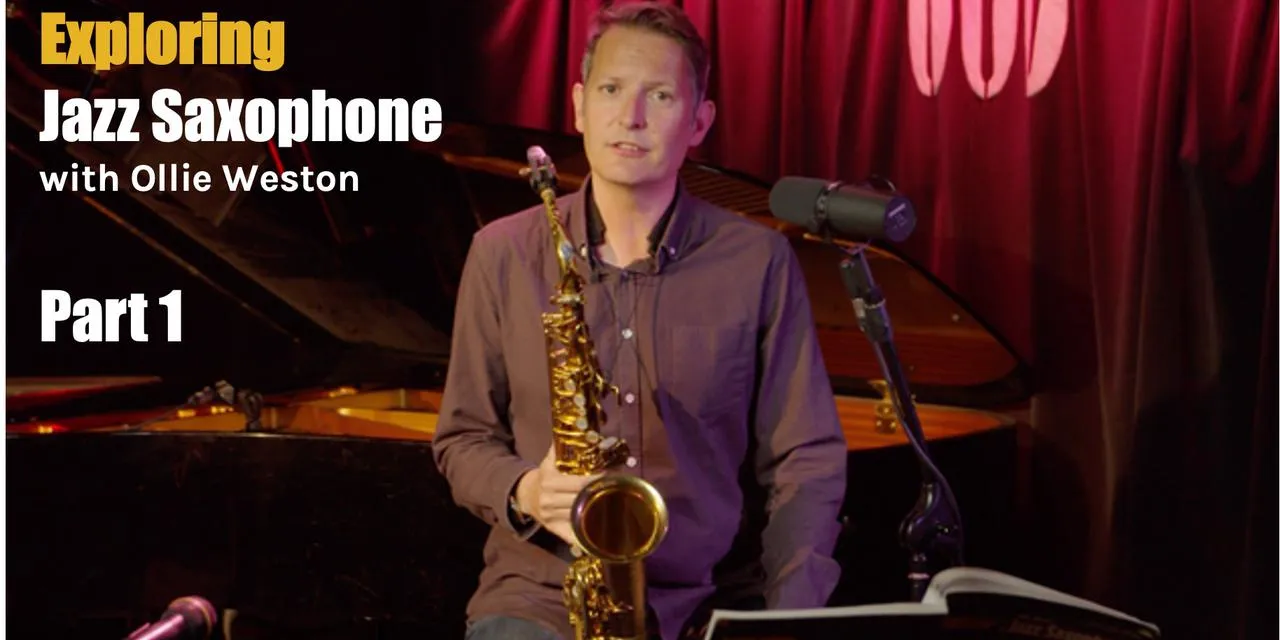
Das steckt im Kurs
51 Lektionen (2h 9m) · 1 gratis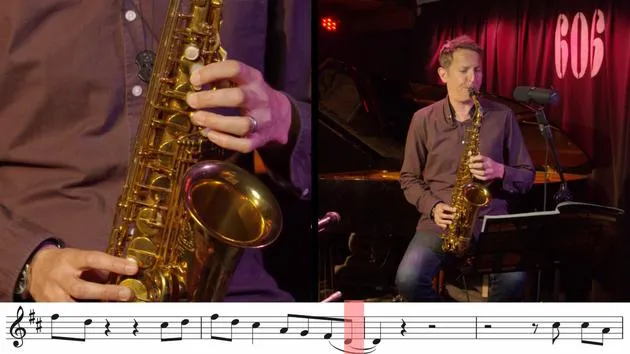
01. Einführung + Demonstration von Leaving Town
Gratis-Lektion3:02
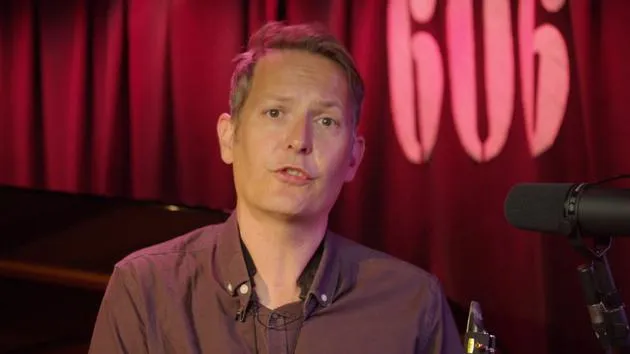
02. Die Bluestonleiter
Du bist hier2:48
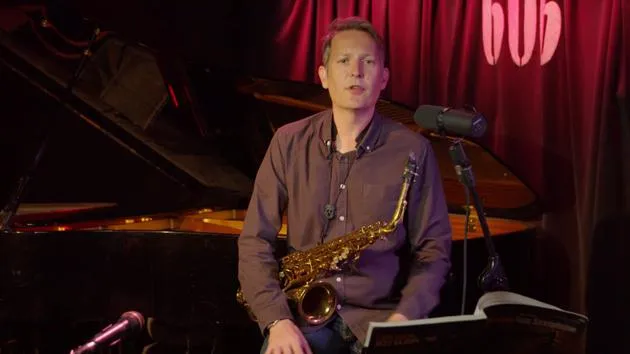
03. Swing-Achtel
1:42
04. Blues-Tonleiter und Swing-Achtel kombinieren
3:57
05. Die Blues-Form mit Grundtönen durchspielen
1:18
06. Schreib deinen eigenen Blues
0:59
07. Leaving Town Blues - Improvisieren
4:13
08. Zusammenfassung der Improvisation
0:49
01. Einführung in Moll-Septakkorde
3:32
02. Dorisch-Tonleiter-Workout
1:40
03. Lick mit Moll-Septakkord
2:22
04. Muster der Moll-Pentatonik
3:51
05. Moll-Pentatonik-Workout
1:52
06. Pentatonik vs. Blues-Tonleiter
1:59
07. So Far so Good - Einführung
1:09
08. So Far so Good - Head
1:37
09. Erweiterungen von Moll-Akkorden
2:45
10. Rhythmische Ideen
2:13
11. So Far so Good - Performance mit Solo
3:50
01. Einführung in die Modi
6:09
02. Übung zu den diatonischen Modi
4:04
03. Modi über einem gleichbleibenden Grundton
1:58
04. Modi-Übung über einem statischen Grundton
1:06
05. Zusammenfassung: Modi mit statischem Grundton
0:34
06. Phrasenübung für die Modi
1:07
07. Phrasenübung für Modi (Demonstration)
1:29
08. Songbeispiele
1:56
09. First Impresssions - Akkorde und Harmonie
4:06
10. First Impressions - Interpretation
4:06
11. First Impresssions - Einführung und Analyse
3:30
Transkript der Lektion
Introduction to the Blues Scale
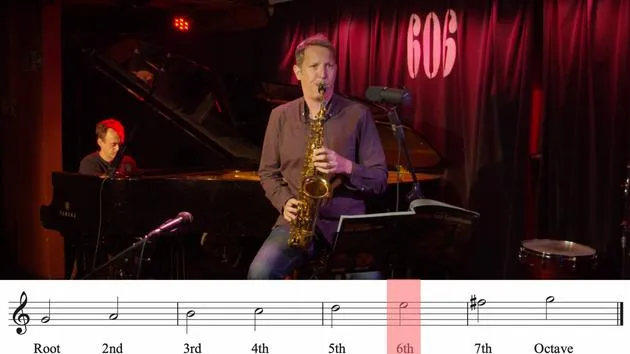
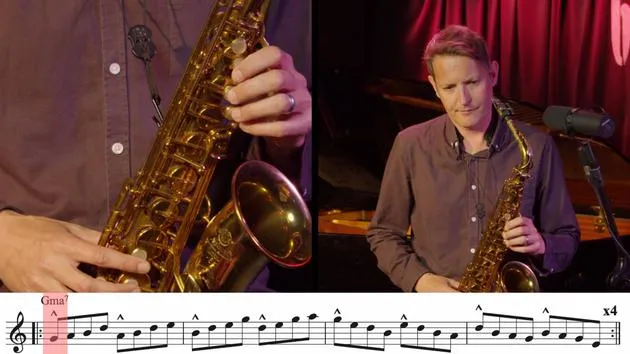
In this lesson, I'm going to introduce the blues scale, work out how to construct it from a root note, and discuss the relationships of notes to the root numerically.
Constructing the Blues Scale
I've played a blues in D, so I'm going to call D number one. The degrees of the D scale are as follows:
- First Degree: D (Root)
- Second Degree: E
- Third Degree: F# (Major Third)
- Fourth Degree: G
- Fifth Degree: A
- Sixth Degree: B
- Seventh Degree: C#
Then we're back to the octave, which is the root.
Changing the Interval
I'll be talking a lot about these numbers and pointing at my fingers as we go.
The first interval I want to change in the blues is the third. I want to create a minor sound because the blues is essentially sad music.
Flattening the Third
- Instead of this major third starting our tune, "Leaving Town," I want it to be minor.
- Already, it starts to sound a little bit more clashy, dissonant, and gritty, which is what we want.
Scale Modifications
- I'm not going to play the second in my blues scale. I'm going to jump straight to the third.
- Then I'm going to play the fourth, which remains as is: G.
- The next note is a really clashy, interesting sound: a flattened fifth.
This note is between G and A, and in this key, it is G#. Hopefully, already you're capturing some of that blues sound.
- I'm then going to correct the G# and it's going to go back to a normal fifth: A.
- Lastly, I'm going to omit the sixth as well and jump straight to the seventh.
Instead of it being a C# as per a D major scale, it's going to be a C natural, again, a flattening process to create a more minor, crunchy sound.
Practice
I like to take some time to play those notes and try to capture the spirit of the blues as we met in "Leaving Town."
51 Lektionen
2 Std. 9 Min. strukturierte Videolektionen
Erweiterte Videofunktionen
Verlangsamen, Passagen loopen, mitlesen
Handy, Tablet & Desktop
Üben, wo du willst
100 % Zufriedenheitsgarantie
30 Tage Geld-zurück-Garantie
Lern deinen Guru kennen
Lern deinen Guru kennen
Seit seinem Abschluss am Leeds College of Music (BA Hons) und an der Guildhall School of Music (Post Graduate Diploma in Performance) hat Ollie eine rege und vielseitige Karriere in der Musik aufgebaut. Als Saxofonist ist er live und im Studio mit so unterschiedlichen Künstlern wie Amy Winehouse, Tim Minchin, Bonobo, Frank Turner, dem London Jazz Orchestra, der Hackney Colliery Band, dem Ambient Jazz Ensemble und dem Nelson Riddle Orchestra aufgetreten. Er ist zudem Co-Leader des Jazzquartetts 'Time Is Of The Essence' und komponiert und arrangiert Material für dieses und andere Ensembles.
Ollie ist in der Musikpädagogik aktiv, derzeit als Studiengangsleiter der Jazzabteilung an der Guildhall School of Music and Drama (Junior School), wo er Jazzensembles, Big Band und Theorieklassen leitet. Er hat für Schott Music eine Reihe von 'Exploring Jazz'-Büchern geschrieben, die weltweit veröffentlicht werden und in britischen Prüfungslehrplänen enthalten sind. Ollie hat außerdem Workshops für die Oxford University, Pro Corda Strings und BABSWE sowie für die Sommerschulen der Guildhall School of Music geleitet.
In seinen Exploring-Jazz-Saxophone-Kursen führt dich Ollie von den ersten Schritten bis hin zum selbstbewussten Improvisieren über Songs und Akkordfolgen und baut dabei die Improvisationsfähigkeiten auf, die dir das Vokabular eines echten Jazzmusikers in die Finger legen.







