



Phrasierung innerhalb eines Solos
Mit
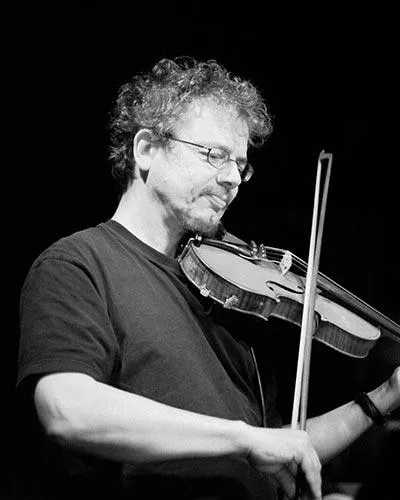
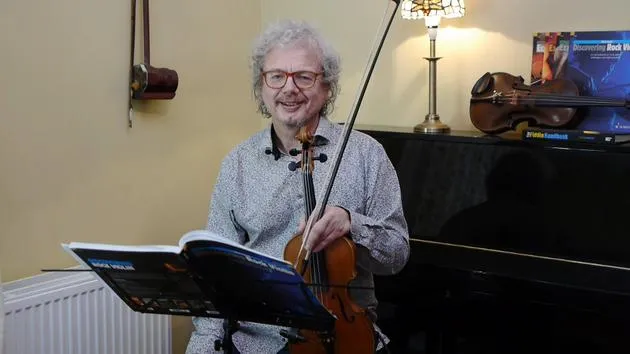
Chris HaighChris Haigh über die Phrasierung innerhalb eines Solos: Pausen und Raum nutzen, statt pausenlos zu spielen, damit deine Linien atmen und musikalisch bleiben.
© 2011 Schott Music Ltd, London

Das steckt im Kurs
28 Lektionen (2h 28m) · 1 gratis
Transkript der Lektion
Music Lesson: Understanding Phrasing in Solos
Introduction
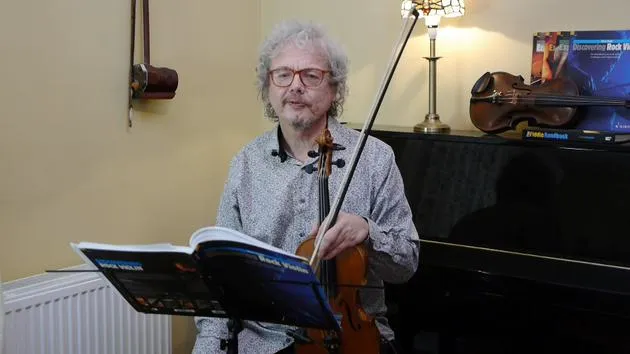
In this lesson, we're going to look at phrasing within a solo.
What Do We Mean by Phrasing?
Occasionally, you may have met a person, perhaps in a shop or at a party, who talks continuously and without a break. This person can be extremely annoying.
You kind of shut off almost straight away when you realize that there's not going to be a pause, not even any punctuation or full stops.
The Parallel in Music
You do sometimes come across soloists who have the same attitude: they just play continuously, and it starts to sound like burbling after a while. So, it's important to think about how you're going to phrase what you're playing.
Example of Musical Bad Manners
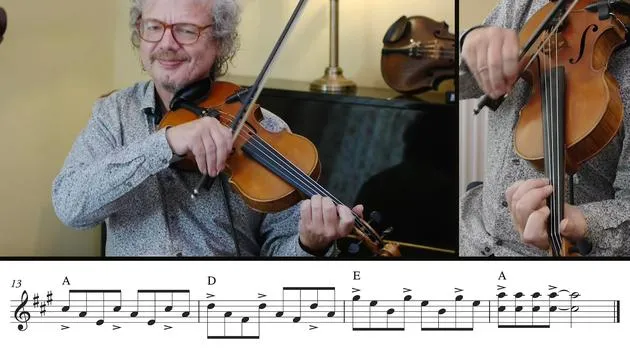
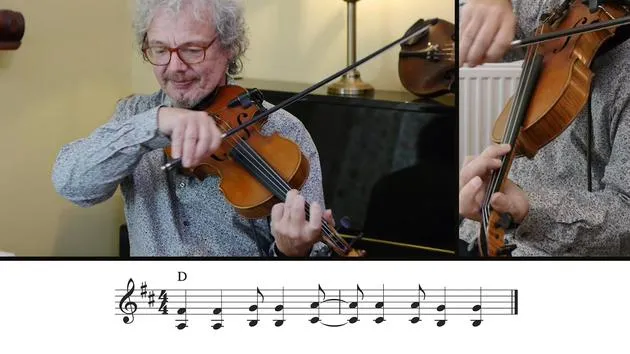
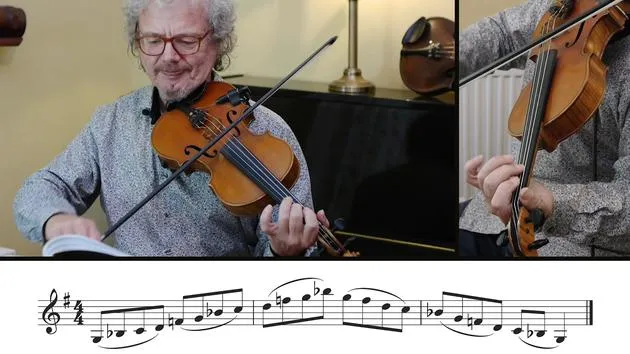
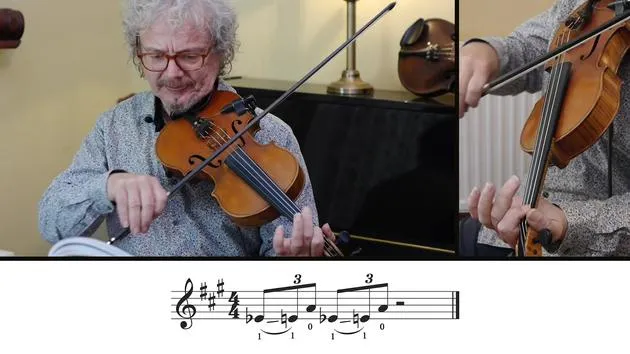
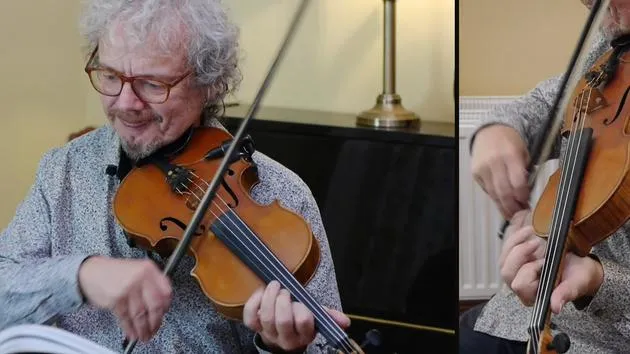
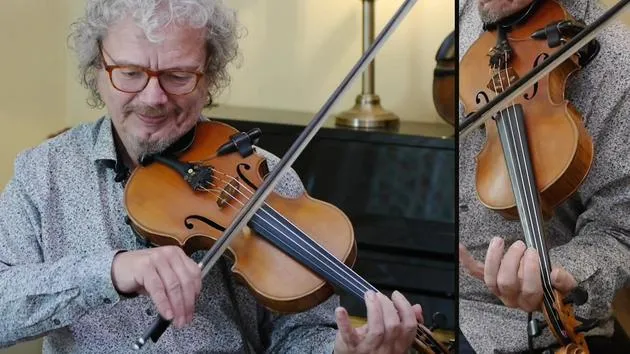
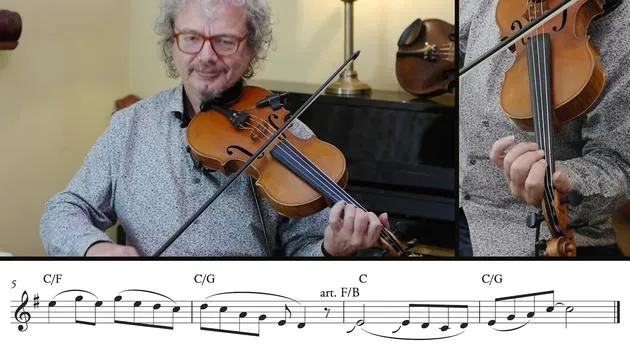
I'm going to give you an example of what I would call musical bad manners, where I'm really going to play without any pausing.
- Now, I could probably sustain that for around 20 minutes, but by that time:
- The film crew would have left
- My career would have been virtually over
- The neighbors would be hammering on the door with axes and flaming torches
So, it's really not a good idea to play in that kind of absolutely continuous fashion.
Breaking Up Music into Phrases
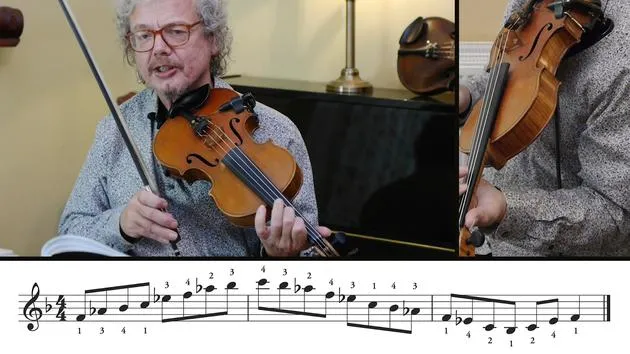
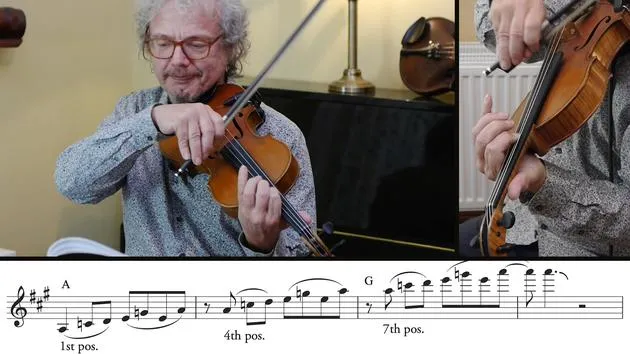
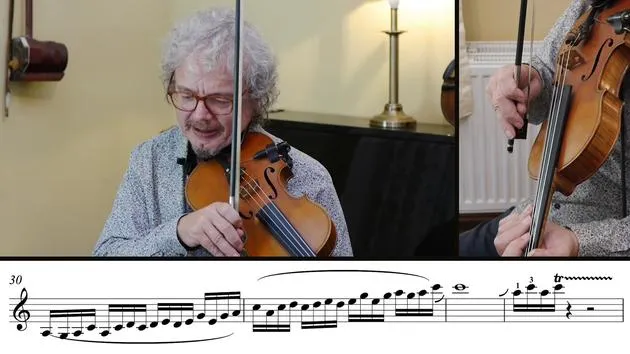
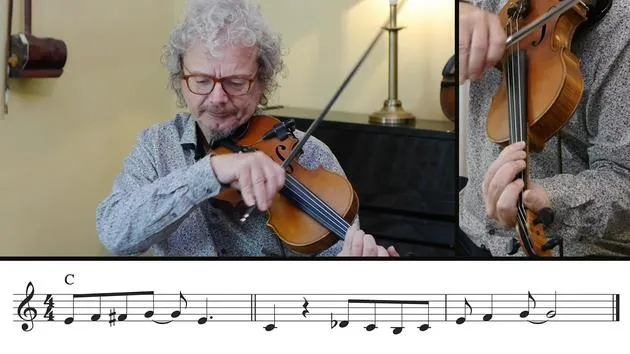
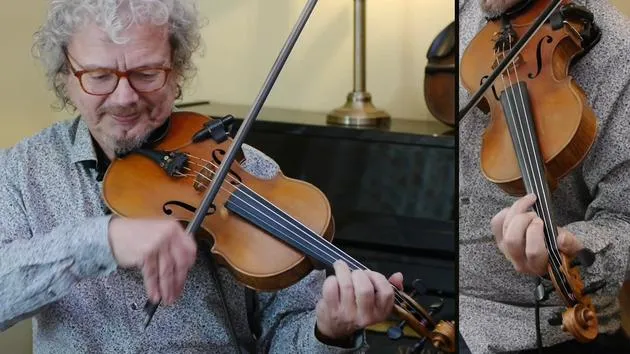
Let's have a look at breaking that length of music up into four different phrases. I think you'll agree, that's much better.
- It makes a lot more sense
- It gives you time to think
- It provides the audience with the opportunity to contemplate the beauty of what you've been playing
Varying Phrase Lengths
Do try to break your music up into phrases, and better still, try not to use the same phrase length all the time; vary your phrase lengths.
Exploring Note Lengths
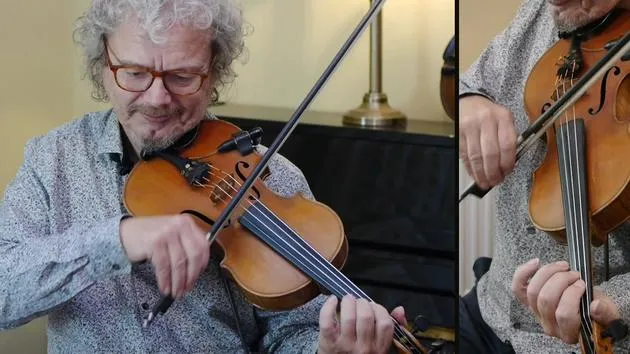
Now let's look at varying not just the phrase length, but also the length of notes. It's all too easy to sink into just playing quarter notes and eighth notes.
- So, let's incorporate some longer notes and some shorter notes as well.
- This keeps the audience guessing to some extent, making it much more interesting.
The Importance of Repetition
Finally, an important thing to think about is the idea of repeating your phrases.
- Repetition, when you're improvising, is not a bad thing; it's a good thing.
- All too often, I hear people playing in a very unconfident way, always thinking that whatever they do next will be better than what they just did.
Simplifying Through Repetition
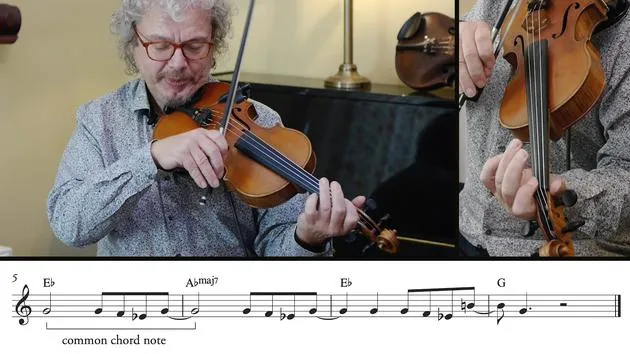
The way around this is to simplify what you're doing. As soon as you get a good idea, do it several times and maybe develop it on the third or fourth time. This will make it sound like you actually mean what you say and that you know what you're doing.
Assignment
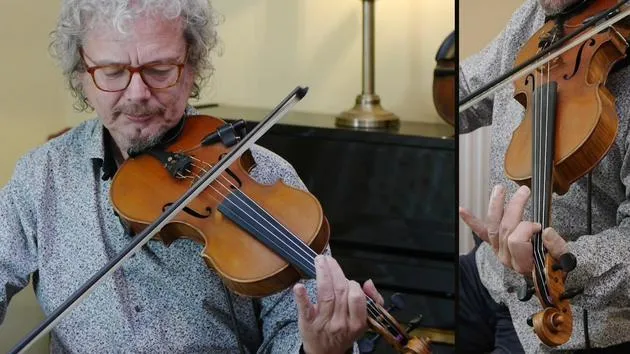
Here's an example of a bit of repetition. I think you'll agree that then we've really started to sound confident about what we're doing.
Your assignment for this lesson is to, using this backing track:
- Try out the different strategies we've covered with your own improvisations
- Think a lot about the phrasing that you're using
See you in the next lesson!
28 Lektionen
2 Std. 28 Min. strukturierte Videolektionen
Erweiterte Videofunktionen
Verlangsamen, Passagen loopen, mitlesen
Handy, Tablet & Desktop
Üben, wo du willst
100 % Zufriedenheitsgarantie
30 Tage Geld-zurück-Garantie
Lern deinen Guru kennen
Lern deinen Guru kennen
Chris Haigh ist seit 25 Jahren professioneller Fiddle-Spieler mit Erfahrung in vielen verschiedenen Genres. Er hat auf über 75 Alben gespielt und dabei mit Künstlern wie Alison Moyet, Bob Geldof, All About Eve, Michael Ball, David Soul, Oumou Sangare, The Quireboys, Riverdance, Morcheeba, James Galway und Steps zusammengearbeitet.
Er hat Swing-Jazz mit The Kimbara Brothers, Diz Disley, Le Jazz, The Hot Club of London und den Quecumbar Allstars gespielt und leitet die siebenköpfige sowjetische Swing-Band The Kremlinaires.
Chris gibt Unterricht und Workshops zur Jazzgeigen-Technik und hat Jazzgeige an den Universitäten Middlesex, Brunel und Newcastle sowie am Truro College unterrichtet. Zu seinen Veröffentlichungen zählen neun Fiddle-Bücher, darunter The Fiddle Handbook.
Außerdem betreibt er Fiddling Around (fiddlingaround.co.uk), vermutlich die umfassendste und meistbesuchte Quelle für Fiddle-Wissen im Netz.







