



Papa John Creach
Mit
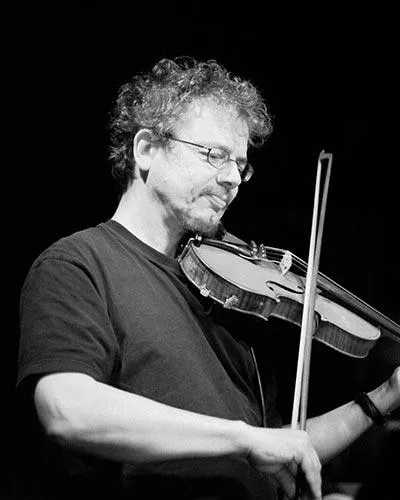
Chris HaighChris Haigh erkundet den Blues-Violinen-Stil von Papa John Creach und zeigt, wie einfache, wiederholte Licks wie der 'double E lick' einen großen, kraftvollen Klang erzeugen.
© 2011 Schott Music Ltd, London
Das steckt im Kurs
28 Lektionen (2h 28m) · 1 gratis
Transkript der Lektion
Music Lesson: Exploring the Playing of Papa John Creech
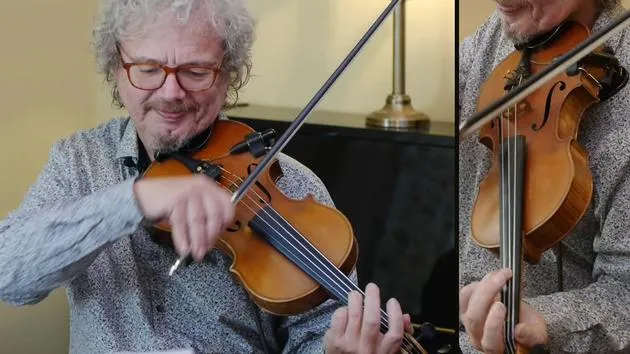
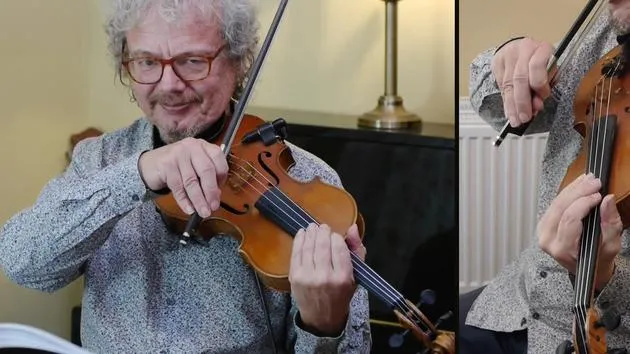
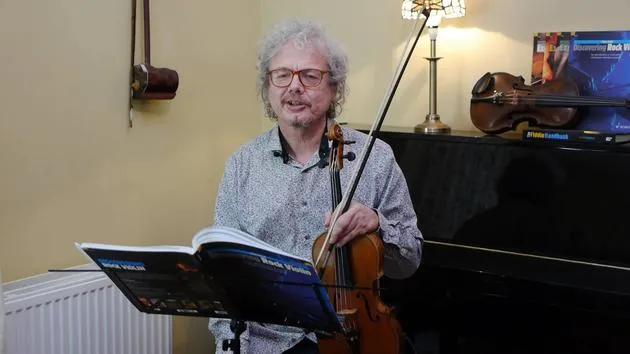
In this lesson, we're going to look at the playing of Papa John Creech. He was a great blues player back in the 70s, known for his work with Jefferson Starship and Hot Tuna. One of the key lessons to learn from him is simplicity and repetition.
The Power of Repetition
He used lots of blues licks, but played simple licks over and over again. I'll show you how powerful it can be to just keep doing the same thing.
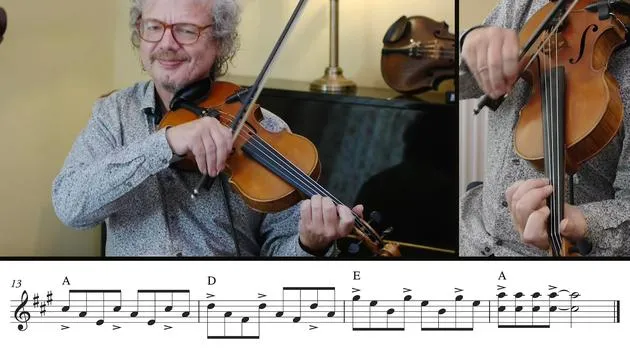
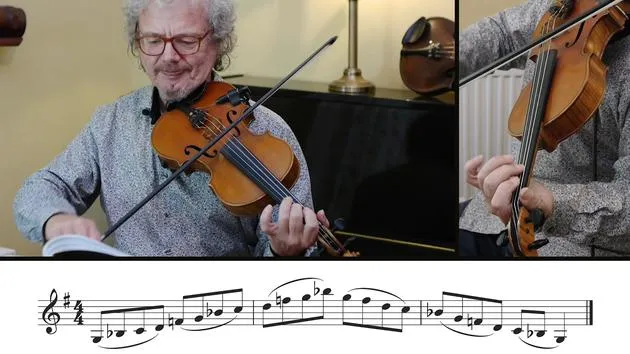
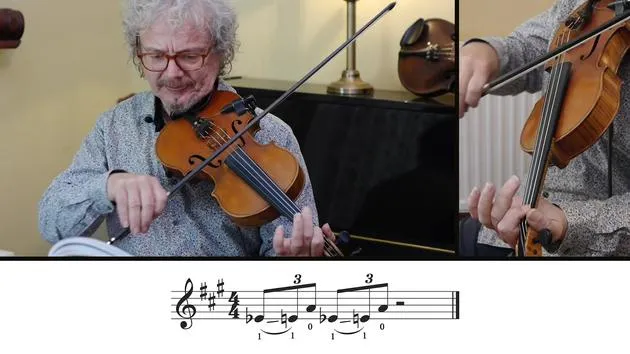
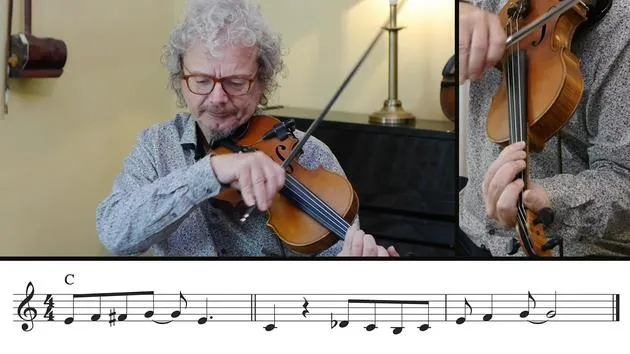
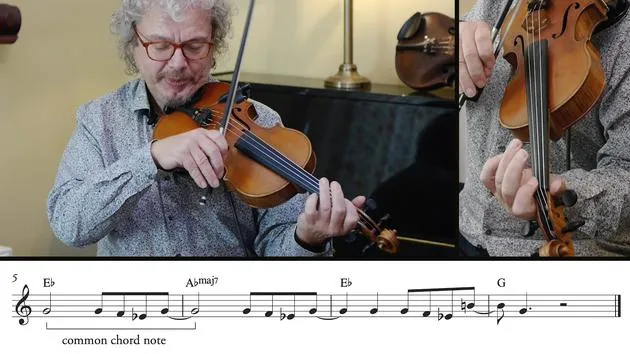
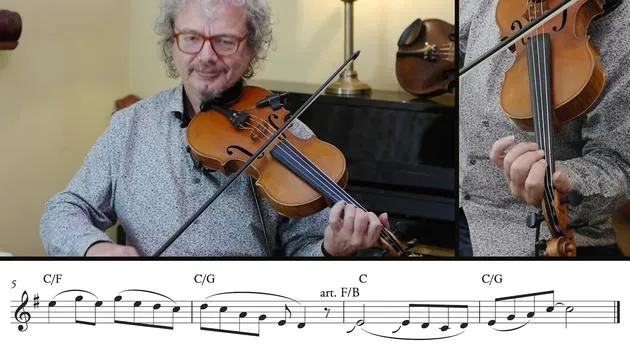
The Double E Lick
We'll be using a lick I call the double E lick, where we:
- Play an open E string
- Use the second finger to slide up to that note
This creates a great effect with a big, fat sound. Let's hear that with some chords, repeated over the changing chords.
Exploring Patterns
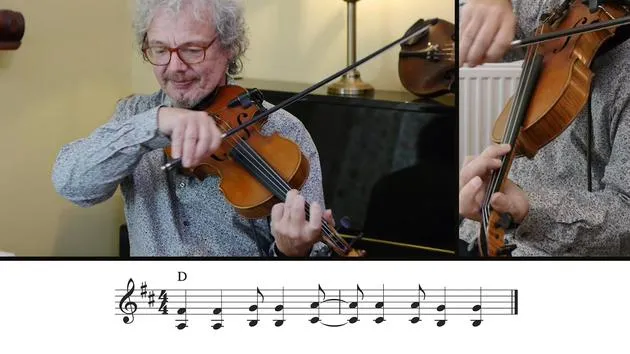
Here's another example:
- We're playing around with a simple pattern and repeating it in different parts of the bar.
- We start at the beginning of the bar, then shift it to the fourth beat.
Let's hear that with the backing. Here's one more with a repeated slide.
1, 2, 3.
Let's hear that behind the blues SA.
Modifying the Lick
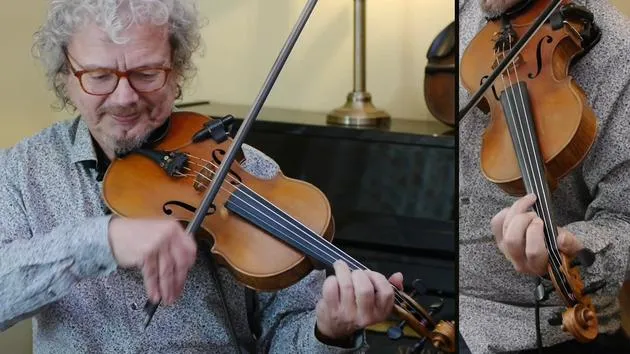
We can modify that lick just by changing one note to achieve a good effect. Instead of sliding from that note, we'll slide up to the A.
Let's hear that! Notice how, with that lick, I wasn't just staying rigidly with it. I was developing the lick as I continued, adding extra notes and extending parts, but using it as the root around which we grow.
The Harmonica Trill
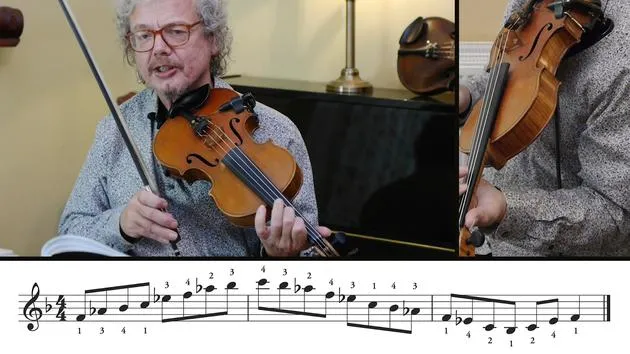
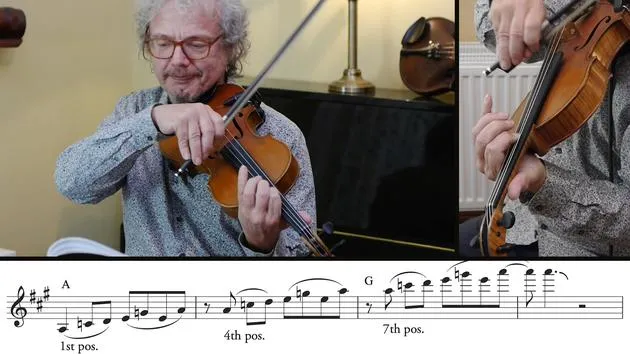
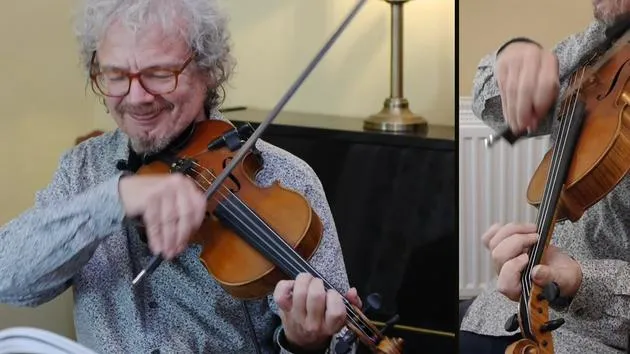
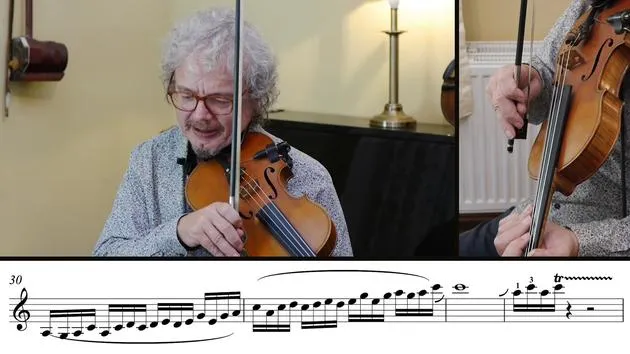
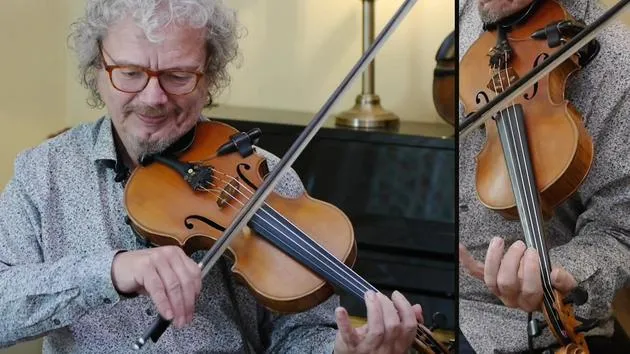
One of Papa John Creech's trademark licks was what I call the harmonica trill. There are lots of different ways within a chord to use this technique.
For example, within the key of A:
- We slide up to the A and trill with the third.
- Then we can play on the D string in third position, and then on the E string.
It's a selection of different notes and blues notes, but basically the same effect. Let's see how many times I can do it!
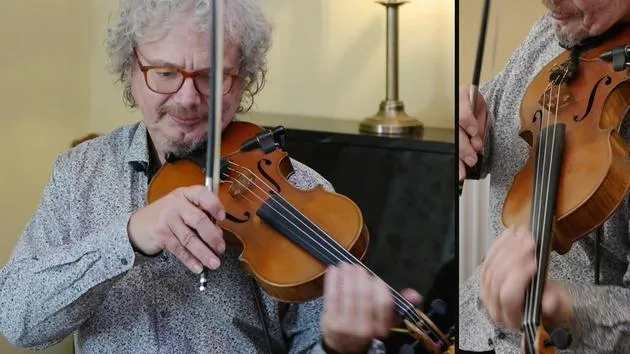
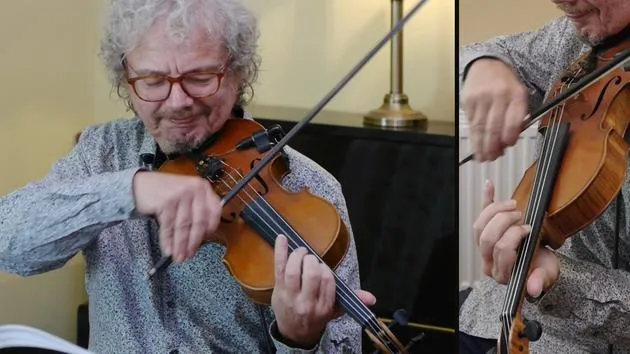
Experimenting with Fingers
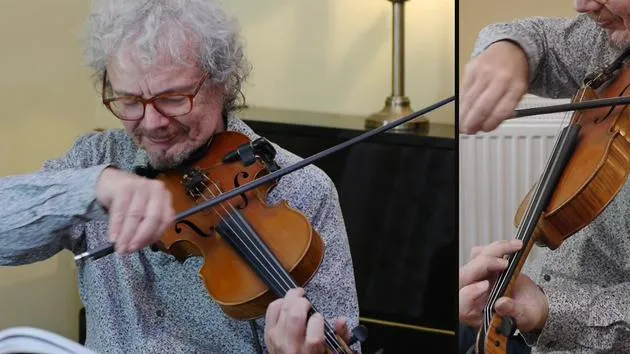
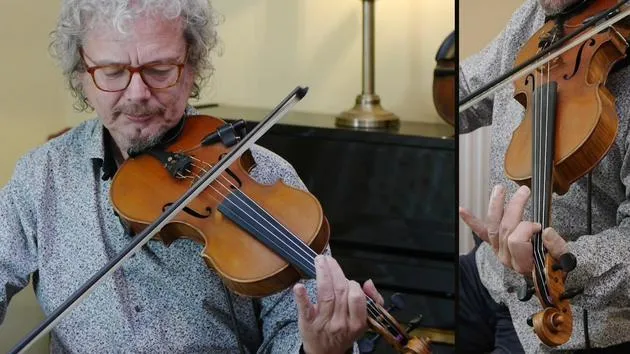
Earlier, I mentioned that when you're playing a blue note and a non-blue note, you often use the same finger to slide. However, sometimes it's good to use two separate fingers. This way, you'll get two distinct notes instead of one blurred note.
Assignment
Your assignment for this lesson is to:
- Learn and memorize all of the licks in this lesson.
- Try playing them over the A blues backing.
- First, learn the melody for Blues Breaker.
- Then, try improvising over the changing chords for Blues Breaker.
See you again in the next lesson!
28 Lektionen
2 Std. 28 Min. strukturierte Videolektionen
Erweiterte Videofunktionen
Verlangsamen, Passagen loopen, mitlesen
Handy, Tablet & Desktop
Üben, wo du willst
100 % Zufriedenheitsgarantie
30 Tage Geld-zurück-Garantie
Lern deinen Guru kennen
Lern deinen Guru kennen
Chris Haigh ist seit 25 Jahren professioneller Fiddle-Spieler mit Erfahrung in vielen verschiedenen Genres. Er hat auf über 75 Alben gespielt und dabei mit Künstlern wie Alison Moyet, Bob Geldof, All About Eve, Michael Ball, David Soul, Oumou Sangare, The Quireboys, Riverdance, Morcheeba, James Galway und Steps zusammengearbeitet.
Er hat Swing-Jazz mit The Kimbara Brothers, Diz Disley, Le Jazz, The Hot Club of London und den Quecumbar Allstars gespielt und leitet die siebenköpfige sowjetische Swing-Band The Kremlinaires.
Chris gibt Unterricht und Workshops zur Jazzgeigen-Technik und hat Jazzgeige an den Universitäten Middlesex, Brunel und Newcastle sowie am Truro College unterrichtet. Zu seinen Veröffentlichungen zählen neun Fiddle-Bücher, darunter The Fiddle Handbook.
Außerdem betreibt er Fiddling Around (fiddlingaround.co.uk), vermutlich die umfassendste und meistbesuchte Quelle für Fiddle-Wissen im Netz.







