



Dur-Blues-Tonleiter
Mit
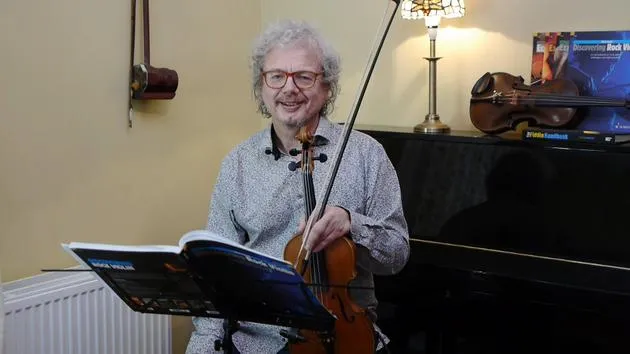
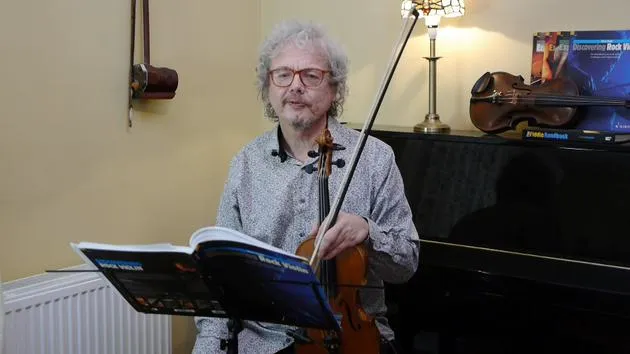
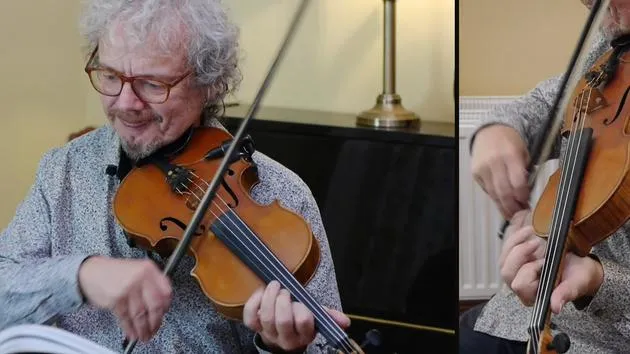
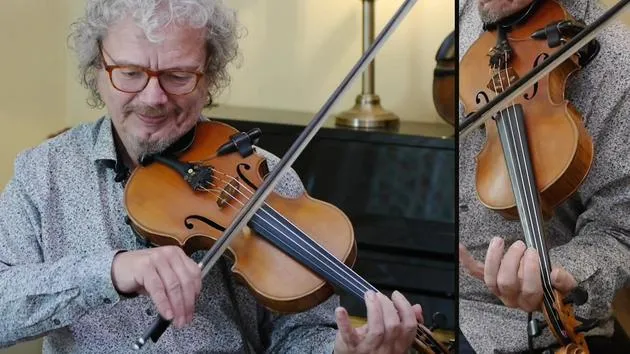
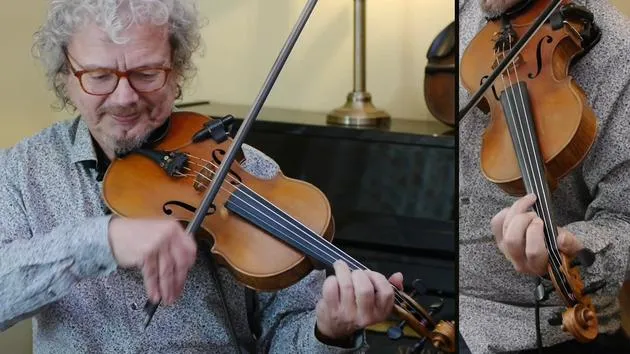
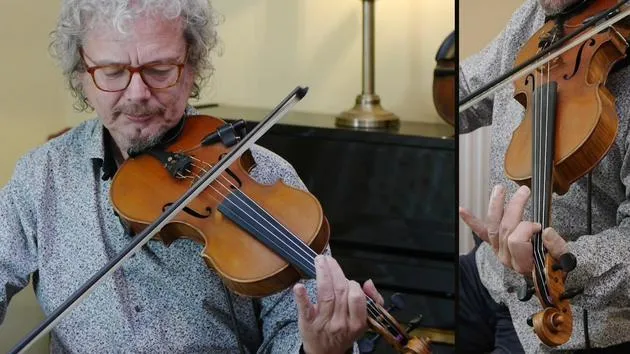
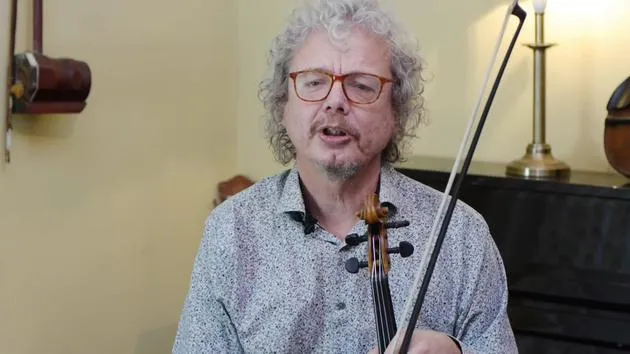
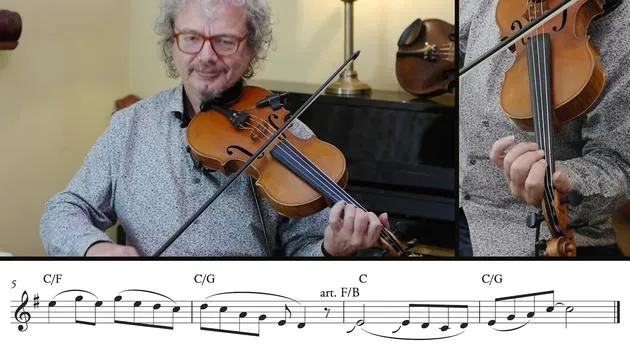
Chris HaighChris Haigh nimmt die Dur-Pentatonik-Blues-Tonleiter aus der ersten Lage heraus und spielt sie über das Griffbrett auf und ab, beginnend in C und durch weitere Tonarten.
© 2011 Schott Music Ltd, London

Das steckt im Kurs
28 Lektionen (2h 28m) · 1 gratis
Transkript der Lektion
Major Pentatonic Blues Scale Lesson
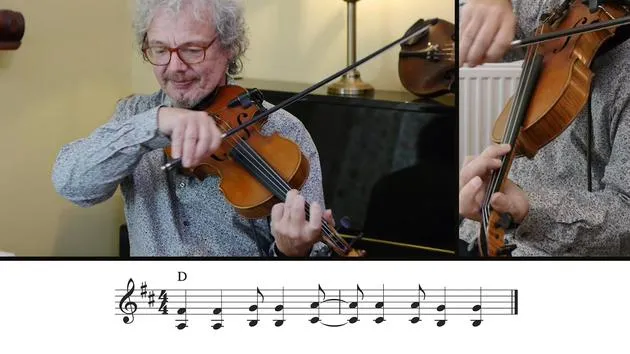
Hi! In this lesson, we're going to look again at the major pentatonic blues scale. This time, we'll go out of the first position and explore how we can play it all up and down the neck.
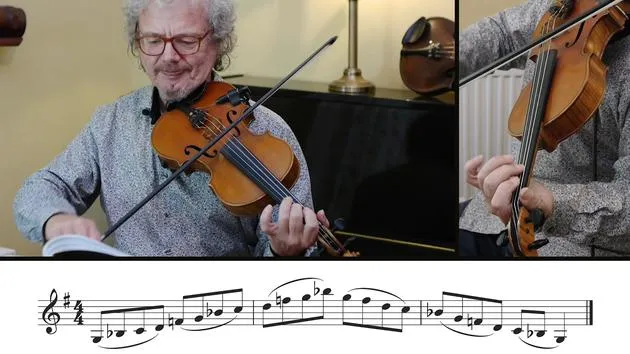
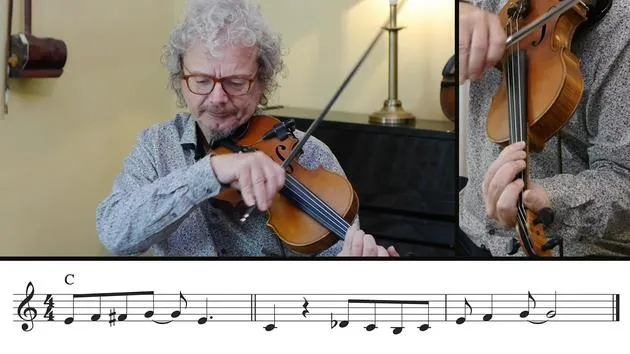
Starting in the Key of C
- Let's start in the key of C.
- Going up and down, starting on the bottom.
- Again, we're just tacking that bit on at the end.
Now, let's try the same thing in D. By ear or by calculation, you should be able to work out for yourself all of those different major pentatonic scales.
Moving to Third Position
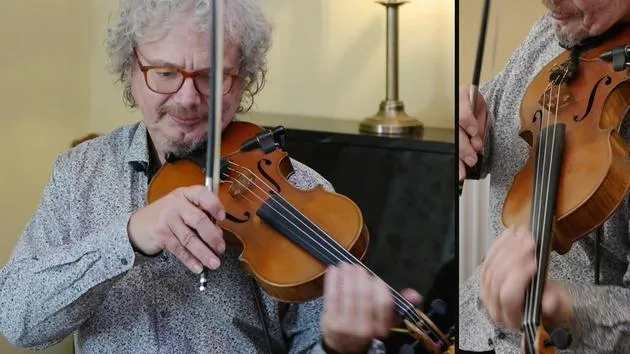
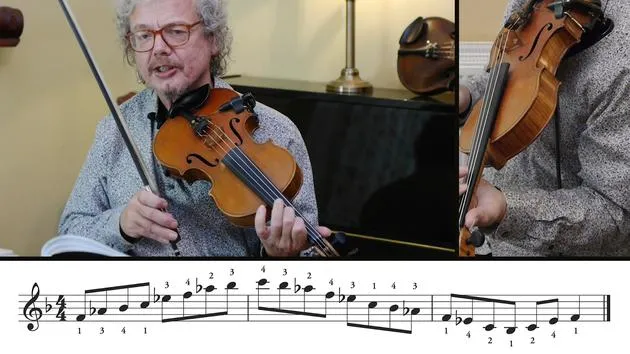
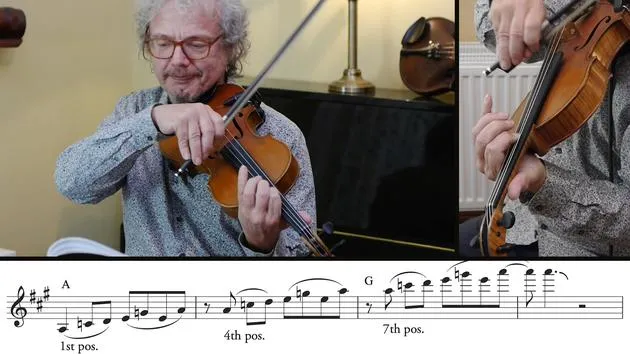
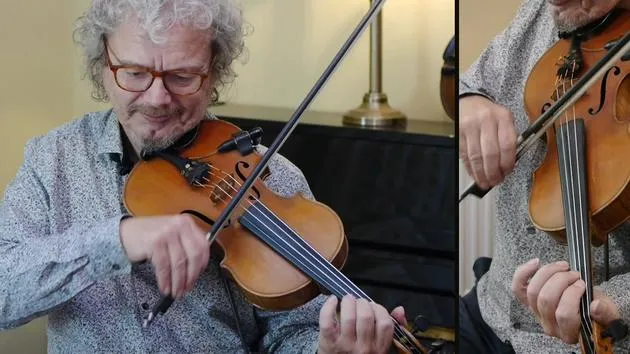
Returning to the key of C, let's move not from the first position, but starting on the third position with our first finger.
- That's our root, and that is our single octave.
- We slide the third finger up with the fingering pattern:
- 1, 2, 3, 3, 1, 2.
By using this fingering pattern, we can make difficult keys feel as easy as C, which is pretty amazing in itself. When I discovered this, I couldn't believe it wasn't on posters and the sides of buses all around town because I thought it was so incredible.
Three Octaves in Key of C
Let's try the same finger pattern in three different octaves, starting with our C first finger.
- Fingering pattern: 1, 2, 3, 3, 1, 2, 4.
- Replace that fourth finger with the first one: 1, 2, 3, 3, 1, 2, 4.
And then with tiny little notes, replace that fourth with... it gets pretty delicate up there. You've got very little room to maneuver, but it's well worth it.
I've no idea what these notes are, although I could work them out eventually. The great thing about sticking with the single finger pattern is that you can move easily up and down the neck.
Major Blues Scale Licks in the Key of C
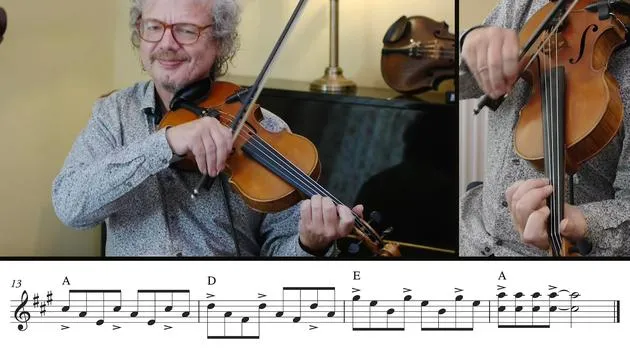
Now, let's look at a few major blues scale licks in the key of C.
C Major:
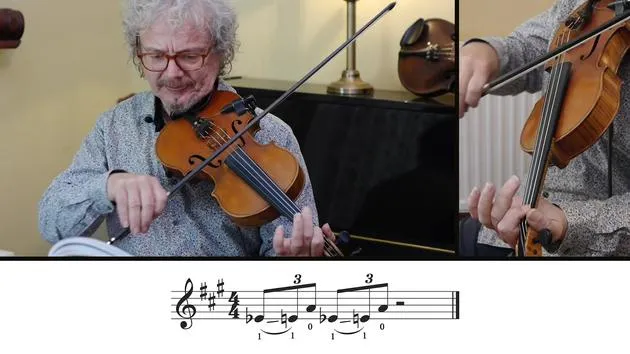
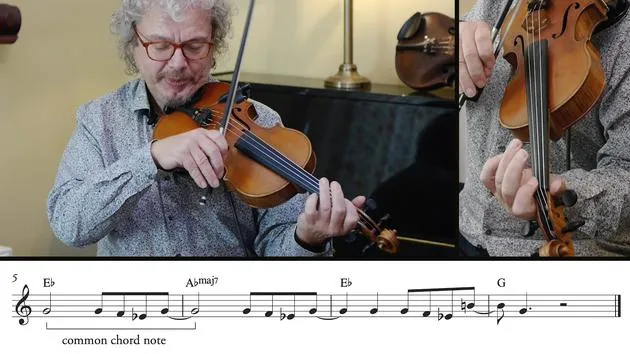
- Here, we're sliding the E flat up with a little chromatic run and a slide. Let's just hear that again with some chords.
Slide Example
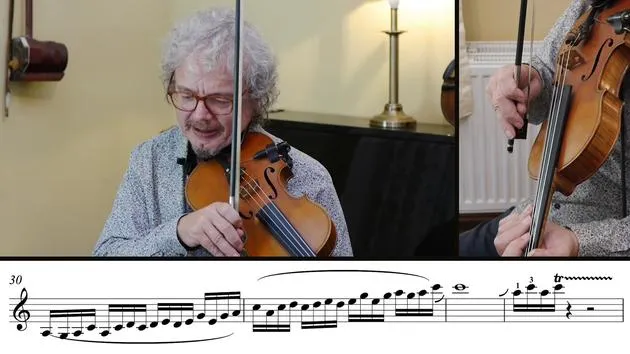
Here's a lick where we have a first finger slide followed by a four-finger slide. So we're going up and down, and then a trill.
- Let's hear that with some chords.
Two Octaves in Third Position
Now, staying within the third position, let's do two octaves instead of changing position.
- Our finger pattern is:
1, 2, 3, 3, 1, 2, 4, 1, 2, 2, 4.
Here's a lick using the 1, 2, 4 pattern, making use of the fact that the 1, 2, 4 occurs in both octaves.
Lick Development
Now, using the same lick, we're going to raise that first finger up a semitone.
- This is an example of the kind of lick which, once you've learned it, you can use for the rest of your life.
- If you were to try and work this lick out from nowhere, your chances of finding this kind of lick are like one in a thousand.
Never be guilty about learning licks and using other people's licks. The blues, like so many other styles of music, is all about learning from what others have done. If you just learn the blues scale and think you can make up licks on the spot from that, you're sadly misguided. You really have to learn actual licks that use those scales.
- The licks themselves are more important than the scales.
Stretching and Final Assignment
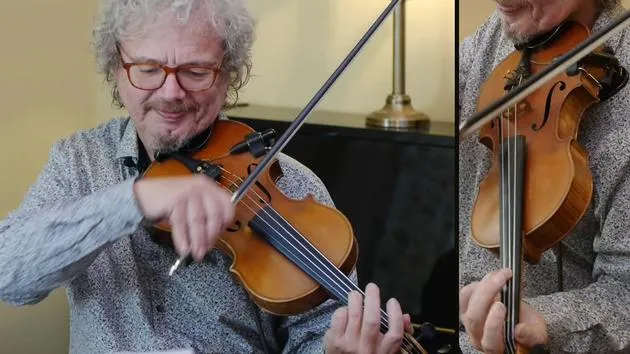
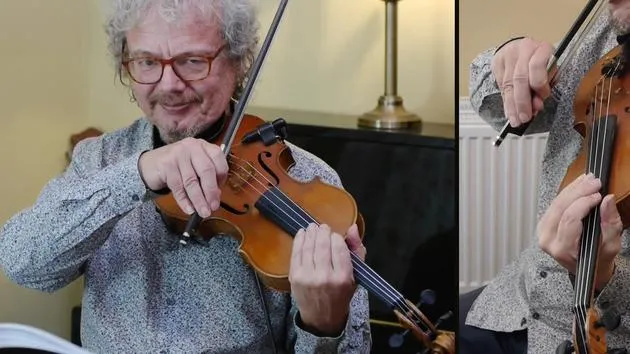
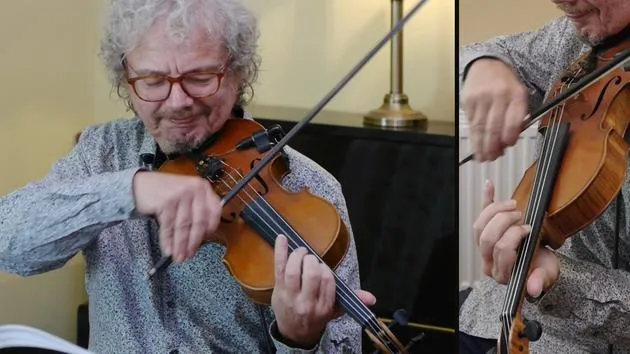
Finally, in this lesson, let's look at a stretch. When we get to the fourth finger at the top, you've got that extra note.
- The first finger is locked in position and acts as our capo.
- The fourth finger can do a very nice up-and-down slide.
We'll finish off this chapter with three times around the blues sequence. I will demonstrate some of these licks and perhaps one or two more.
Your Assignment
Your assignment for this lesson is to:
- Practice the fingering for first, third, and higher positions for the C major blues scale.
- Practice all the licks.
- Using the backing, try both these licks and improvise some of your own.
28 Lektionen
2 Std. 28 Min. strukturierte Videolektionen
Erweiterte Videofunktionen
Verlangsamen, Passagen loopen, mitlesen
Handy, Tablet & Desktop
Üben, wo du willst
100 % Zufriedenheitsgarantie
30 Tage Geld-zurück-Garantie
Lern deinen Guru kennen
Lern deinen Guru kennen
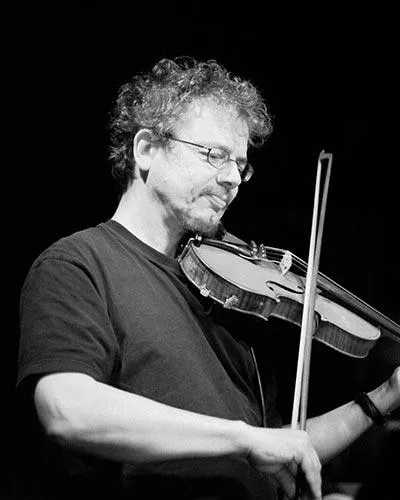
Chris Haigh ist seit 25 Jahren professioneller Fiddle-Spieler mit Erfahrung in vielen verschiedenen Genres. Er hat auf über 75 Alben gespielt und dabei mit Künstlern wie Alison Moyet, Bob Geldof, All About Eve, Michael Ball, David Soul, Oumou Sangare, The Quireboys, Riverdance, Morcheeba, James Galway und Steps zusammengearbeitet.
Er hat Swing-Jazz mit The Kimbara Brothers, Diz Disley, Le Jazz, The Hot Club of London und den Quecumbar Allstars gespielt und leitet die siebenköpfige sowjetische Swing-Band The Kremlinaires.
Chris gibt Unterricht und Workshops zur Jazzgeigen-Technik und hat Jazzgeige an den Universitäten Middlesex, Brunel und Newcastle sowie am Truro College unterrichtet. Zu seinen Veröffentlichungen zählen neun Fiddle-Bücher, darunter The Fiddle Handbook.
Außerdem betreibt er Fiddling Around (fiddlingaround.co.uk), vermutlich die umfassendste und meistbesuchte Quelle für Fiddle-Wissen im Netz.







