



Creating space
With
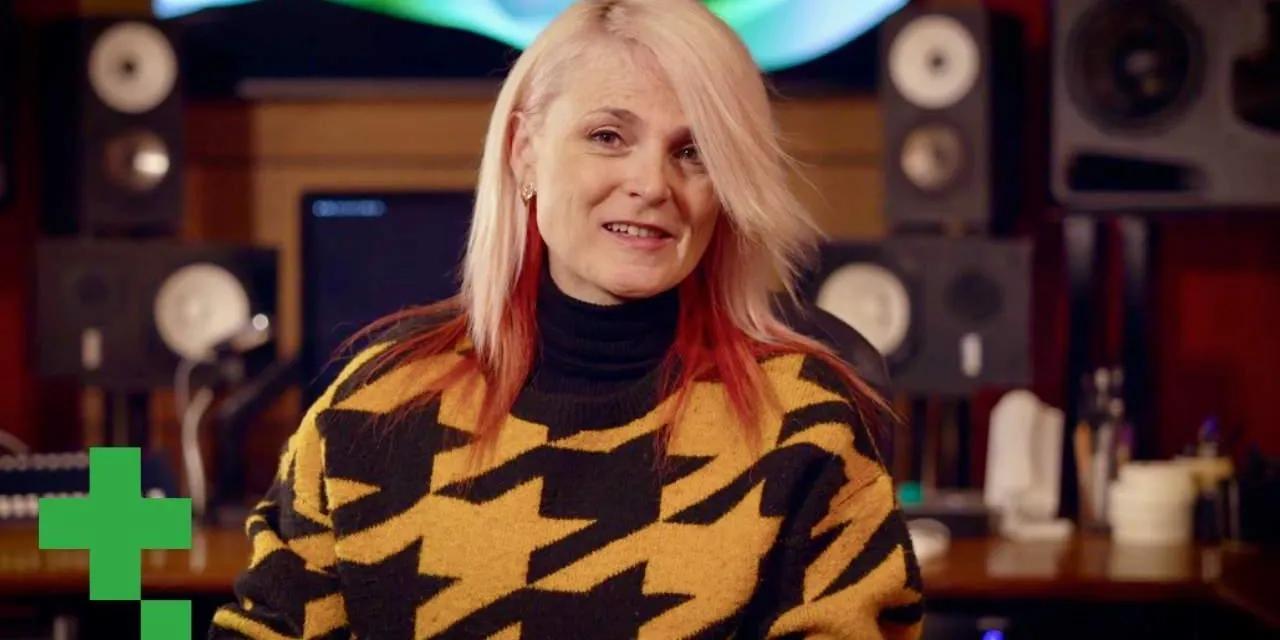
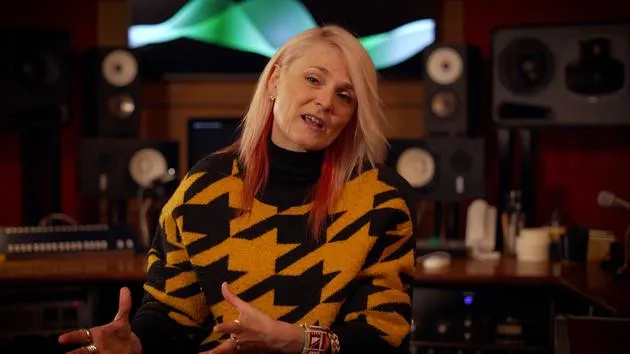
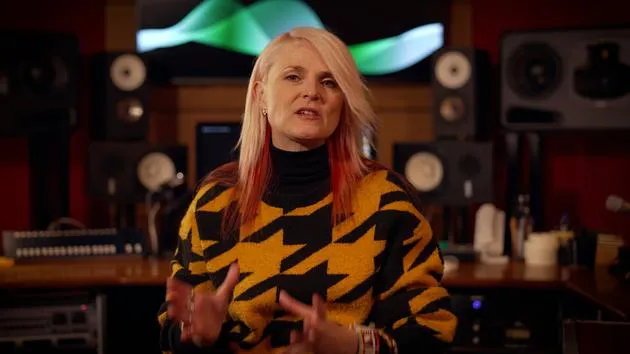
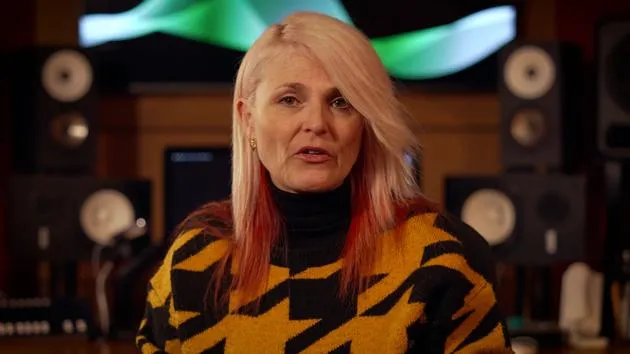
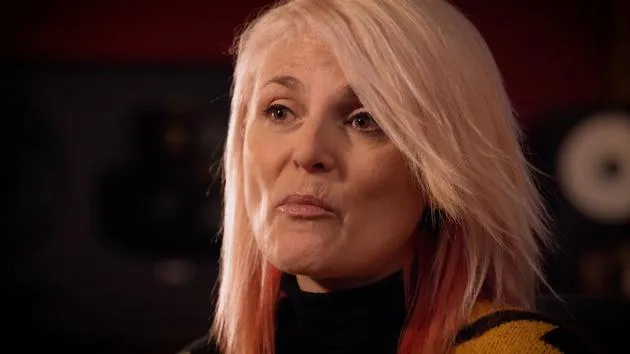
Sister BlissSister Bliss explains why Faithless stripped back songs like 'I Want More' for the stage - cutting parts and using spaced-out pads to give the live tracks room to breathe.
What's in the course
20 lessons (1h 53m) · 1 free
01. Make electronic make sense live
11:22
02. Expanding the studio tracks
7:24
03. Creating space
You are here6:12
04. Synthesised vs. live
4:17
05. Sound designing the show
7:28
06. Rehearsals and preparation
8:56
07. Working with session musicians
7:50
08. Working with musical directors
Free lesson3:18
09. Incorporating stage filming
3:24
10. Visual design
7:59
11. Adapting your setlist
5:18
12. Importance of the crew
6:53
13. Front of house engineer
3:30
14. Live broadcasts
3:03
15. Recording quality
4:22
16. International touring
4:24
17. Time keeping and logistics
3:22
18. When things go wrong
4:41
19. Auditioning
5:19
20. Stress and personal health
4:22
Lesson transcript
Creating Space in Live Music
So it was really important to create space in the songs.
Variations in Live Performance
In certain songs in particular, they were just a really different animal when they were being played live. For example, there's a song called I Want More. It had a really beautiful, gentle acoustic guitar riff in it, but it was completely lost when we started rehearsing it.
- It didn't feel like it had the heaviness that the song needed to match the lyrics.
- So, we stripped it all out, completely changed the beat, and changed the parts that were in it.
- We took out the guitar entirely and just had pads that were spaced out in a particular way.
- This allowed the vocals to hang over the piece of music, which was what you could really hear.
Importance of Clear Lyrics
It's super important with a band, well, any band really. The lyrics are often what people are listening out for; they have to be really clear.
- People need to hear what the band is saying.
- If you can't hear the lyrics, you're kind of losing half the experience, especially with a band that uses a rapper and rap music and spoken word.
Sensory Overload and Audience Engagement
For us, it was really important to make sure the songs had space in them so that the audience could almost catch up. It was such a sensory overload with the sound, the lights, and the show experience.
- I like to run the songs like a DJ set. There was no break between many of the songs.
- The first half of a show would have every song segue into the next, and the segue sections were as important as the songs.
Combining Different Music Styles
This was a really exciting part of the show: how to knit together slightly disparate music, which included:
- Banging and clubby
- More hip-hop
- Funky
- Almost ambient
We had sounds that would recur through the show. We would have pads that created links between one song and the next. But the space within the songs was really important.
Transforming Mass Destruction
There's a song called Mass Destruction, which was a very different beast on record.
- Live, it became like a punk anthem.
- We sped it up but tried to keep it groovy.
- There was a big discussion about whether to keep this guitar riff running through it.
It was much more dynamic to have it chopped up. We worked on a section to allow the chorus to breathe, allowing the guitar to play simple notes whereas the recorded version created a dirge.
The Reality of Live Sound
However, you never know until you get into a venue just how these elements will work.
- "Whether Halliburton, Enron, or anyone, greed is a weapon of mass destruction."
- We need to find courage.
- "Overcoming action is a weapon of mass destruction."
Listening Back for Improvement
In rehearsals, a key element was listening back. This is crucial for improving as a band.
- Recording yourself can provide a useful reference point.
- It shows how far you've come from the beginning of rehearsals to the end.
Sound checks were also incredibly important to see if things worked in a cavernous arena.
Challenges with Different Venues
Every venue has its own reverb and sound qualities. For example, we got booked to do a show in South Africa in a sugar silo.
- The shape of it created a 20-second delay when the sound hit the back wall and then came back to us.
- Ultimately, we had to cancel the gig; it was impossible to play, leading to a confused maelstrom of sound.
Outdoor Festival Challenges
Having played at many festivals, I can say the weather makes a massive difference.
- Sometimes, the wind can blow the sound away from the speakers, making it difficult for the audience to hear.
- This can affect how you play on stage, as you're not receiving the right vibe from the audience.
Key Takeaways for Your Prep
Be aware of all these different factors when preparing for a show:
- Simplifying things
- Keeping parts tight
- Ensuring clarity of sound
These are all really important when you're in rehearsal.
20 lessons
1h 53m of structured video lessons
Advanced video features
Slow down, loop a passage, follow along
Mobile, tablet & desktop
Practise wherever you are
100% satisfaction guarantee
30-day money-back guarantee
Meet your guru
Meet your guru
'Sister Bliss never stopped writing music. She's an accomplished composer for film and TV, a club DJ, and an advocate for the creative industries'. Billboard
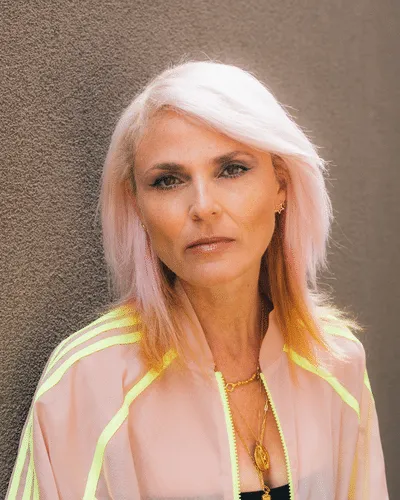
One of the most successful British dance music artists of the past 25 years, Ayalah Bentovim AKA Sister Bliss is the musical force behind Faithless.
Together with iconic front man Maxi Jazz and producer Rollo Armstrong, she formed Faithless: one of the most successful electronic acts of their generation, with a career spanning more than two decades that included 8 albums (3 at number 1) and six top 10 singles. To date, Faithless have sold in excess of 15 million records worldwide and have played live to millions across the world, headlining festivals, stadiums and arenas. The band have collaborated with artists such as Jazzie B, Boy George, Cat Power and Dido, never conforming and moving effortlessly across an eclectic range of genres.
Over a 25-year career that took her from the underground UK club scene to sold-out arena shows and festival headline slots around the globe, Sister Bliss has become one of British dance music's longest-standing and most influential female electronic artists.
She comes off the back of releasing Faithless' first studio album in ten years, the highly anticipated 'All Blessed' - Faithless' love letter to electronic music that presents them at their very best. The album reached number 6 in the charts and the singles, along with their premiere remixes, garnered extensive support across BBC Radio 1, Radio 2 and BBC 6 as well as Kiss FM and Capital.
A classically trained multi-instrumentalist, she has also scored numerous TV, film and theatre productions. Credits include 2012's film Knife Fight starring Rob Lowe and directed by two-time Oscar winner Bill Guttentag, commissions for Sex & The City 2, Chasing Amy, Danny Boyle's The Beach, A Life Less Ordinary, acclaimed British film The Hide, Crossing The Line and the BAFTA-winning TV dramas Life Begins (ITV) and The Poison Tree (ITV).
For theatre, Bliss has written music for The Black Album and The Emperor Jones at The National Theatre in London, as well as composing an original piece for the London Sinfonietta, which was performed at Fuse Festival, UK.
She recently had a lead role in major prime time BBC1 show 'This is My Song', mentoring the contributors and producing their final recordings.
She released a new collaborative album with Rollo and Dido in 2019 under the moniker 'R PLUS' - 'The Last Summer', following a jam-packed summer of festival headline DJ sets throughout the world including sets at Bestival, Exit Festival, Glastonbury, Creamfields, Ibiza and beyond.
Her hugely successful weekly radio show and podcast 'Sister Bliss in Session' is syndicated to over 100 stations and 43 countries worldwide. She recently guest presented Gilles Peterson's acclaimed show on BBC 6 Music and regularly stands in for Ana Matronic on the Dance Devotion show on BBC Radio 2.
She has also presented a 5-part series on Bauer Media's Scala Radio station joining the dots between classical and electronic music, which won the Bronze prize at the New York Festival Radio Awards, competing against 30 countries.
She currently teaches at Tileyard Studios' Masters MA course, including modules on songwriting, production and writing to commercial brief, and mentors individual Masters students - the same hands-on knowledge she shares in Studio to Stage, breaking down exactly how Faithless turned their records into a stadium-filling live show.







