



Expanding the studio tracks
With
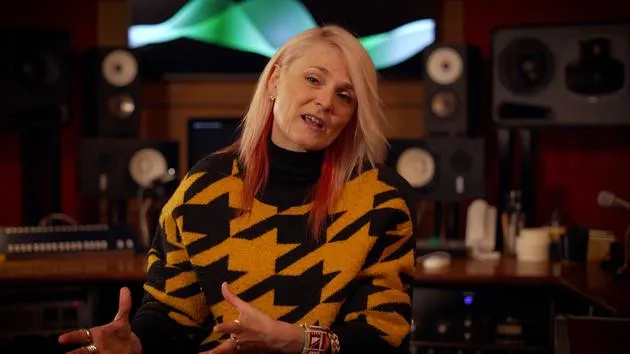
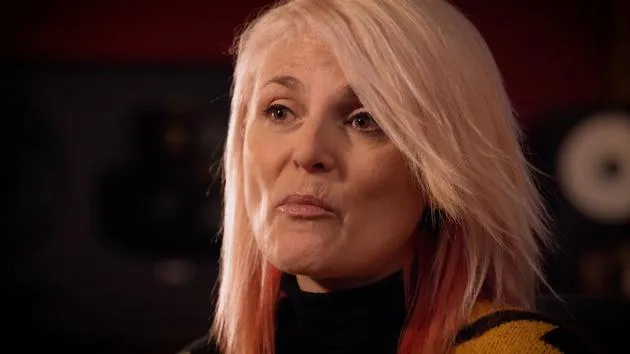
Sister BlissSister Bliss breaks down how Faithless reworked their studio tracks for the stage - opening up arrangements for live drums, percussion and guitar to build energy.
What's in the course
20 lessons (1h 53m) · 1 free
01. Make electronic make sense live
11:22
02. Expanding the studio tracks
You are here7:24
03. Creating space
6:12
04. Synthesised vs. live
4:17
05. Sound designing the show
7:28
06. Rehearsals and preparation
8:56
07. Working with session musicians
7:50
08. Working with musical directors
Free lesson3:18
09. Incorporating stage filming
3:24
10. Visual design
7:59
11. Adapting your setlist
5:18
12. Importance of the crew
6:53
13. Front of house engineer
3:30
14. Live broadcasts
3:03
15. Recording quality
4:22
16. International touring
4:24
17. Time keeping and logistics
3:22
18. When things go wrong
4:41
19. Auditioning
5:19
20. Stress and personal health
4:22
Lesson transcript
Enhancing Our Live Show
So, things that we added to the show:
-
Space in Arrangements: There was a lot of space in the arrangements to do great things with the drums. Grooves are really important in our band, and there were huge sections where the drummer and percussionist could do some amazing tight playing together, building and building. Often, they'd play in sync. This didn't always happen on our records.
-
Drum and Percussion Flourishes: We incorporated various elements and flourishes from the drums, including:
- Drum solos
- Powerful percussion solos
These aspects create excitement and engagement in the live arena.
Joining Forces with Guitarists
-
Guitar Contributions: We also had guitarists, which wasn't really present on the first album. The guitarists wrote their own parts, embellishing:
- Some riffs
- Underlying pads
-
Song Transformations: Sometimes we changed songs to become acoustic that had been electronic. Having an amazing guitarist helped in transforming the nature of some songs as we went along on tours.
Diverse Vocals
-
Vocal Variety: We featured different singers for different songs. It was essential that our vocalists could:
- Run live vocals and in-studio tracks, often multi-tracked.
- Harmonize well and be confident enough to perform as featured artists at the front of the stage.
-
Notable Collaborations: On our first album, Dido was one of the featured singers. She joined us on tour before she became one of the biggest solo artists in the world. After she left, we had to choose our singers very carefully to see how they fit into the context of the band.
Adapting for Live Perfomances
-
Live Adjustments: I often played pads live to soften tracks for the live arena. Many sounds on the record needed to be toned down due to the reverb of the space, as there are certain textures and delays that we simply took out of the music. This approach allowed for a more controlled sound mix.
-
Mix Engineer's Role: Our front-of-house engineer was responsible for managing a significant amount of sound:
- 56 inputs to control
- Various instruments including percussion, drums, pads, electronics, keyboards, bass, and multiple vocalists.
Isolating sound and properly positioning the mics was crucial to avoid clutter, allowing us to think critically about what to include in the live show.
Sound Quality Considerations
-
High-Quality Stems: We used high-quality stems, possibly passing through an Apogee to ensure clarity. Pre-recorded audio sounded crystalline, giving our mix engineer more control.
-
In-Ear Monitoring: After touring around the world approximately 50 times, half the band switched to in-ears due to the loud stage sound. This transition significantly improved our sound levels for the audience.
- Personal Preferences: Maxie and I preferred not to use in-ears. I remember a show where he got so frustrated that he threw his in-ears into the audience and continued playing acoustically. I liked having my own monitors as the sound immersion was something I couldn't achieve with in-ears.
Individual Considerations
-
Fitted In-Ears: Our band was fitted with custom in-ear monitors, which are molded to the exact shape of the ear. This personalization took time to get used to, but it enhances sound accuracy for musicians and allows for tailored mixes.
-
Complex Sound Management: Our music was complex with various elements:
- Rhythms
- In-and-out vocals
- Keyboards
- Pads
- Riffs
Everyone needed clarity to avoid getting lost in the sound. Maintaining clear grooves and beats was crucial for our live performances.
20 lessons
1h 53m of structured video lessons
Advanced video features
Slow down, loop a passage, follow along
Mobile, tablet & desktop
Practise wherever you are
100% satisfaction guarantee
30-day money-back guarantee
Meet your guru
Meet your guru
'Sister Bliss never stopped writing music. She's an accomplished composer for film and TV, a club DJ, and an advocate for the creative industries'. Billboard
One of the most successful British dance music artists of the past 25 years, Ayalah Bentovim AKA Sister Bliss is the musical force behind Faithless.
Together with iconic front man Maxi Jazz and producer Rollo Armstrong, she formed Faithless: one of the most successful electronic acts of their generation, with a career spanning more than two decades that included 8 albums (3 at number 1) and six top 10 singles. To date, Faithless have sold in excess of 15 million records worldwide and have played live to millions across the world, headlining festivals, stadiums and arenas. The band have collaborated with artists such as Jazzie B, Boy George, Cat Power and Dido, never conforming and moving effortlessly across an eclectic range of genres.
Over a 25-year career that took her from the underground UK club scene to sold-out arena shows and festival headline slots around the globe, Sister Bliss has become one of British dance music's longest-standing and most influential female electronic artists.
She comes off the back of releasing Faithless' first studio album in ten years, the highly anticipated 'All Blessed' - Faithless' love letter to electronic music that presents them at their very best. The album reached number 6 in the charts and the singles, along with their premiere remixes, garnered extensive support across BBC Radio 1, Radio 2 and BBC 6 as well as Kiss FM and Capital.
A classically trained multi-instrumentalist, she has also scored numerous TV, film and theatre productions. Credits include 2012's film Knife Fight starring Rob Lowe and directed by two-time Oscar winner Bill Guttentag, commissions for Sex & The City 2, Chasing Amy, Danny Boyle's The Beach, A Life Less Ordinary, acclaimed British film The Hide, Crossing The Line and the BAFTA-winning TV dramas Life Begins (ITV) and The Poison Tree (ITV).
For theatre, Bliss has written music for The Black Album and The Emperor Jones at The National Theatre in London, as well as composing an original piece for the London Sinfonietta, which was performed at Fuse Festival, UK.
She recently had a lead role in major prime time BBC1 show 'This is My Song', mentoring the contributors and producing their final recordings.
She released a new collaborative album with Rollo and Dido in 2019 under the moniker 'R PLUS' - 'The Last Summer', following a jam-packed summer of festival headline DJ sets throughout the world including sets at Bestival, Exit Festival, Glastonbury, Creamfields, Ibiza and beyond.
Her hugely successful weekly radio show and podcast 'Sister Bliss in Session' is syndicated to over 100 stations and 43 countries worldwide. She recently guest presented Gilles Peterson's acclaimed show on BBC 6 Music and regularly stands in for Ana Matronic on the Dance Devotion show on BBC Radio 2.
She has also presented a 5-part series on Bauer Media's Scala Radio station joining the dots between classical and electronic music, which won the Bronze prize at the New York Festival Radio Awards, competing against 30 countries.
She currently teaches at Tileyard Studios' Masters MA course, including modules on songwriting, production and writing to commercial brief, and mentors individual Masters students - the same hands-on knowledge she shares in Studio to Stage, breaking down exactly how Faithless turned their records into a stadium-filling live show.







