



How to play the solo section
With
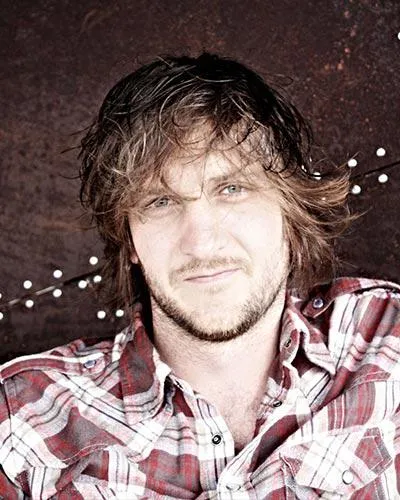
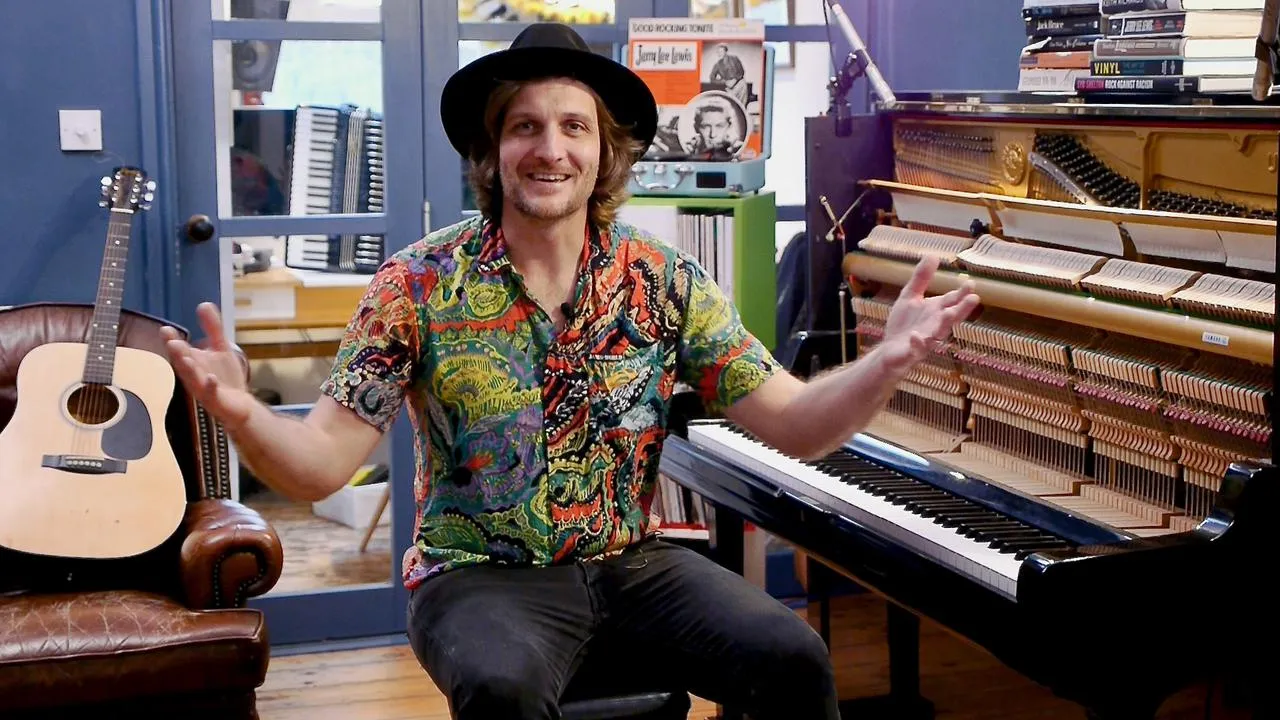
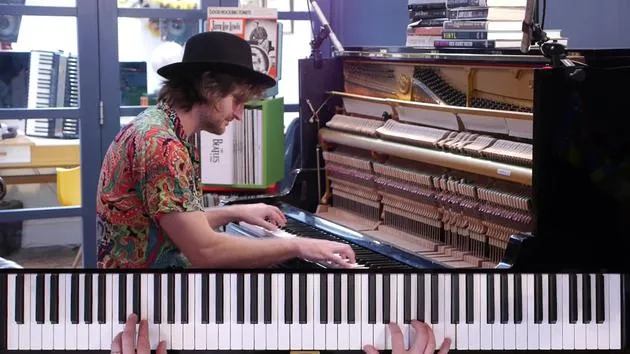
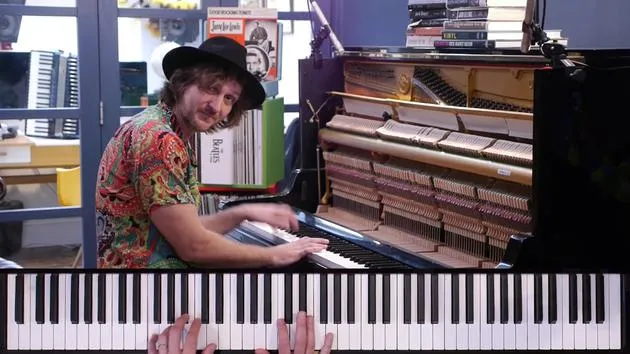
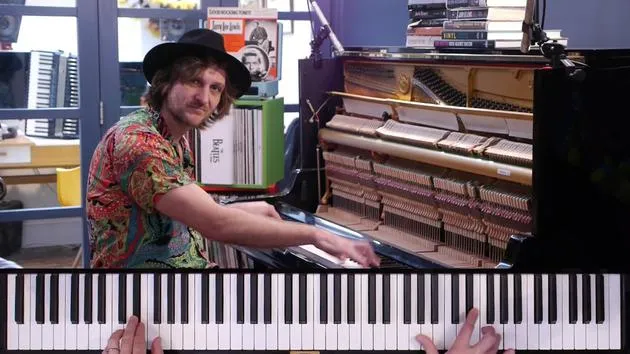
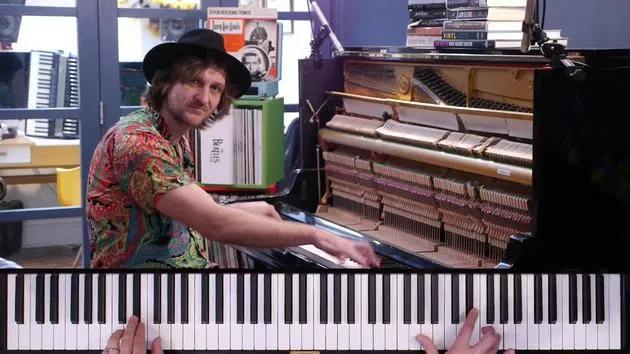
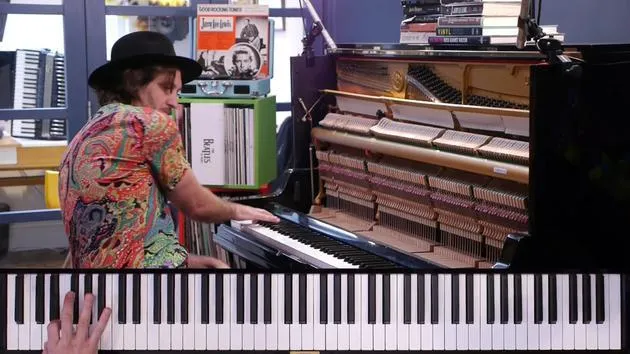
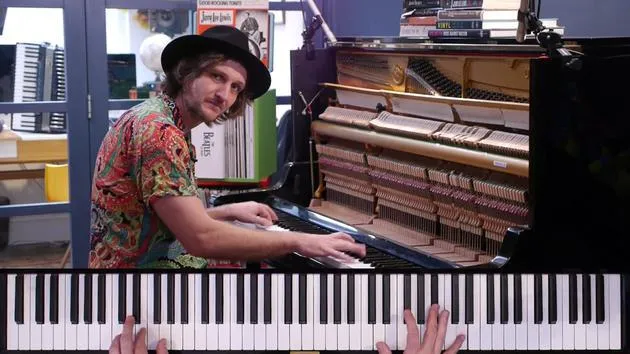
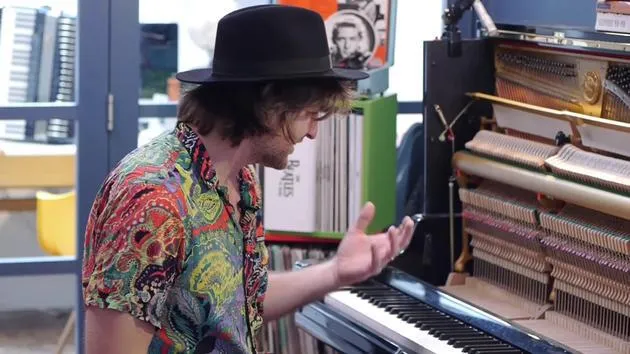
Paddy MilnerPaddy moves on to the solo section and explains the notes, the techniques and the attitude you need to play the tune authentically
What's in the course
25 lessons (2h 34m) · 1 free
Lesson transcript
Solo Section Analysis
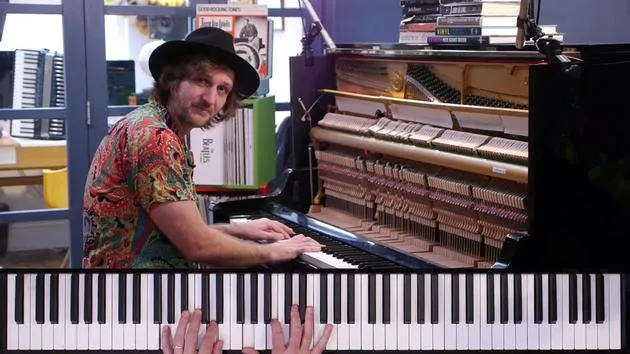
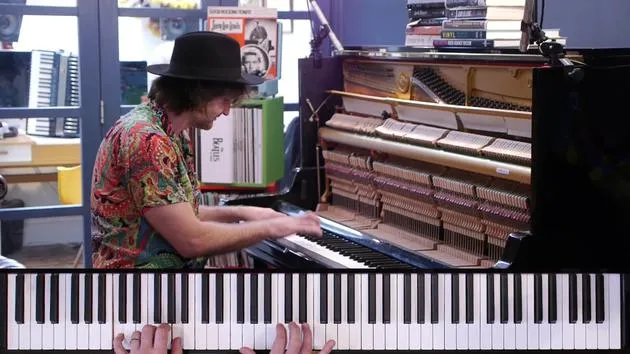
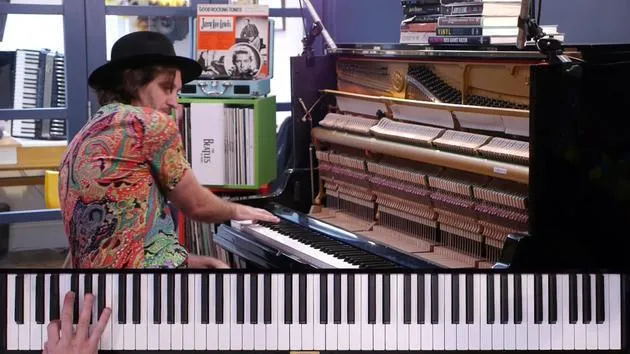
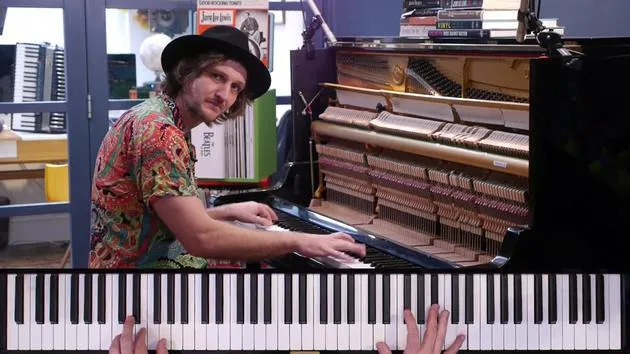
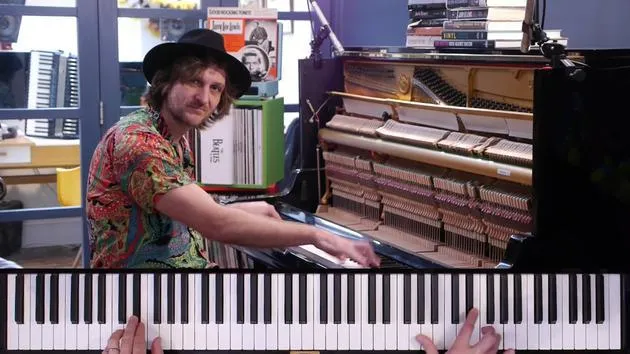
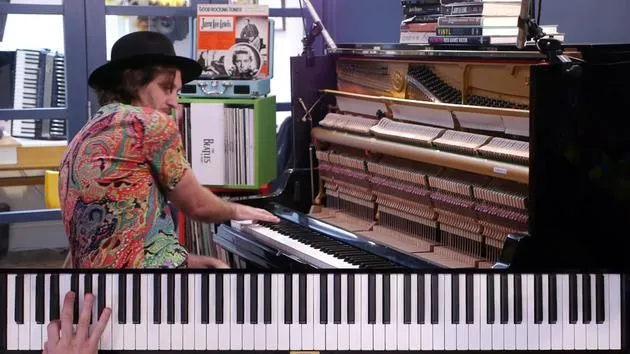
Let's move on to the solo section and see what he's doing.
Introduction
When he comes in, it sounds like this:
With that, and this is just a variation of the...
But he's got that kind of thing now.
Again, he might be playing that, or he might have the G on top.
It does sound like maybe the E flat is the top note.
But again, in terms of the intention of the solo and things, whether it's the G or just the E flat, I think is fine.
And, you know, feel free to use your own version.
Exploring Variations
So then he's back to that idea and we're going to explore lots of variations we can do with these things, how to fatten them up and do some different sort of ideas with them.
I think it sounds like he's doing a couple of crush notes before going into that.
Coming Out of the First Solo Section
Coming out of the first solo section, then the big bit in the right hand, he's just really hammering those notes, maybe with that fingering.
And he does that for pretty much the whole chorus.
He bridges the G and the A there, and then...
For me, that's the archetypal rock and roll riff right there, just really hammering away in the left hand.
Interesting Changes
This is where it gets interesting.
And again, it's something not many people pick up on when they play this tune.
He actually changes the bass line, although he only does it from bar two, actually, in this sequence on the record.
I imagine his intention was to start that bit of the solo with that classic sounding riff which Little Richard became associated with very strongly.
So it's essentially outlining a seventh chord.
He kind of does a couple of variations on the five; he goes...
But again, these are all small details, and the main thing here is that he's changing up that left hand to give it more intensity.
And that's the important thing.
Key Moments in the Solo
So, glisp, he came earlier in his solo, but that's it.
So, yeah, just listen out for that on the recording, the left hand, and you listen.
It really lifts the solo right there.
Then, yeah, it comes out of that with some more of these ideas based around that, and then we're back into the trills, and then...
And then back into another bridge with those chords.
This time he only puts that sharp five on the third time, which, again, doesn't really make a big difference in terms of the overall flow, but it's just a nice little difference.
Conclusion
Then he's back using that riff to end.
And, yeah, I'm not sure which octave he's finishing in, whether it's...
Or if he's playing...
He's definitely sort of down this end of the piano.
There's no way he's definitely not doing that.
So, yeah. Just remember this is just one version of the song he recorded.
And every time he plays this tune, and every time he plays every song, he plays it differently.
And that's, you know, testament to his artistry and his musicality.
Like I said previously, there is that ending he does on, I think, the Dick Clark show, where "Goodness of Gracious, Great Balls of Fire," where they do that sort of cha cha cha ending, which is, yeah, good fun.
So, yeah, we've been through the solo, loads of ideas.
I guess it's up to you to really try and learn each little technique, each little idea, and put them together.
Perhaps break it down into chunks like we did when we looked at it, get each thing down separately, and then try and link them together.
And again, just try and get it flowing throughout the solo.
Listen to the way he builds the intensity and has a nice sort of overall arc to his soloing.
25 lessons
2h 34m of structured video lessons
Advanced video features
Slow down, loop a passage, follow along
Mobile, tablet & desktop
Practise wherever you are
100% satisfaction guarantee
30-day money-back guarantee
Meet your guru
Meet your guru
Paddy Milner is recognised as one of the leading blues piano players in the world - he is currently keyboard player of choice for Sir Tom Jones, following several years with the late, great Jack Bruce - but he is also a superb original songwriter and a distinctive singer. Just read the praise from the likes of Dave Brubeck below! His playing was featured on the soundtrack for the hit 2019 film 'Rocketman'.
He has twice won the award for Best Keyboard Player in the British Blues Awards, and he holds a long-standing residency as a founder member of the Ronnie Scott's Blues Explosion at the world-renowned Ronnie Scott's club.
His current group LONDONOLA plays homegrown British music with a strong dose of New Orleans spirit, and his collaborative group JAWBONE goes from strength to strength following the release of their self-titled debut album.
- "I love it... there's a guy who can really play the piano" - Dave Brubeck
- "I highly recommend it. Somehow things start to feel much better!" - Jack Bruce
- "The best blues piano player in Europe..." - Blues Access, USA
- "Impressive & original" - The Times
- "Dazzling" - The Independent
Across his courses, Paddy breaks down authentic blues shuffle, slow blues, boogie-woogie, rock 'n' roll and New Orleans piano - right down to three classic boogie-woogie songs - so you can learn these styles from one of the very best in the business.







